
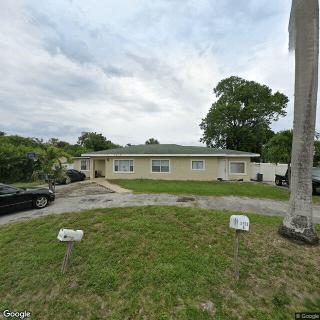
3621 Aralia Ct, West Palm Beach, FL 33406
For more information about senior living options: (866) 208-4318
Overall Review of Jackie's Unique Care Residential Assisted Living
Pros
 The care was very good.
- The facility was well maintained.
- The staff were very friendly and helpful.
- The reviewer would recommend this facility to others.
Cons
 They did not feed her and did not change her adequately.
- They had no patience with her.
- She constantly had bruises.
- They were only in it for the money and cared less about the patients.
- The reviewer would not recommend this place at all.
Review
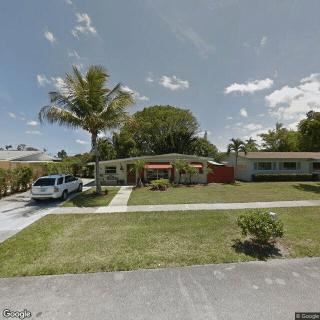
Jackie’s Unique Care Residential Assisted Living in West Palm Beach is best suited for families seeking a small, home-like setting where daily routines and personal attention matter. The community appears appropriate for an older adult who is largely independent or needs light to moderate assistance, with an emphasis on a warm, approachable caregiving footprint and clean, well-kept surroundings. This setting can offer steady supervision, friendly staff, and a calm environment that supports basic daily living. Those needing intensive medical oversight, complex wound care, or dedicated memory-care programming should consider alternatives that provide stronger clinical support and dementia-focused infrastructure.
On the plus side, the strongest practical takeaways are reliability in daily operations and the atmosphere. A long-enough stay described as “very good” by a family member points to attentive day-to-day care, minimal complaints during that period, and a facility that is well maintained. The staff’s friendliness and willingness to assist are recurring positives, signaling a culture where residents are listened to and cared for with courtesy. For families prioritizing predictable meal times, housekeeping, and social accessibility in a cozy, small-setting environment, these factors translate into tangible peace of mind and smoother transitions.
Yet a sharp caveat emerges from a contrasting account: a resident with dementia reportedly did not receive essential care, including feeding and personal hygiene, and sustained bruising while in residence. The same reviewer contends that the staff lacked patience and that financial motivations overshadowed resident welfare. While one person’s experience cannot confirm a systemic pattern, these allegations touch on core safety, dignity, and quality-of-life issues. Where dementia needs are present, such claims raise legitimate concerns about training, supervision, and the facility’s ability to adapt care plans to evolving cognitive and behavioral needs.
Do the positives offset the negatives? In straightforward terms, they offset for residents without significant cognitive or behavioral challenges who can thrive with friendly staff and a clean, orderly environment. For families weighing whether to rely on this setting for someone with dementia or complex care requirements, the negatives loom large. The absence of clear evidence about dementia-specific programming, consistent feeding and turning routines, and robust safeguarding measures means that the overall value proposition hinges on uncertain risk. The decision hinges on whether the resident’s needs align with a small, non-specialized setting or demand a facility with formal memory-care capabilities and stronger clinical oversight.
Those considering alternatives should prioritize facilities with dedicated memory-care programs, higher staffing ratios, and transparent care plans. If memory impairment is present, look for units with secured environments, staff trained in dementia care, structured activity schedules, and regular nutritional monitoring. For all potential residents, perform rigorous due diligence: visit at different times of day, speak with the administrator and front-line caregivers, request sample menus and care plans, review licensing and inspection history, and talk to current residents or families about consistency of care and how concerns are addressed. Price should be evaluated in light of what is actually delivered in terms of meals, hygiene, supervision, and activities.
Bottom line: Jackie’s Unique Care offers a welcoming, clean, and personable option that can work well for low- to moderate-need seniors who thrive on staff accessibility and a home-like environment. However, the divergence between a positive, caring impression and a serious, alleged neglect case creates a decision point: for anyone with dementia, aggressive medical needs, or concerns about consistent basic care, this community warrants caution and closer scrutiny or outright comparison with memory-focused alternatives. The prudent approach is to use a structured tour, verify staff training in dementia care, and insist on visible safeguards and regular communication before committing.
 5 resident community capacity
 Assisted Living
 Cable or satellite TV
 Dining room
 Fully furnished
 Garden
 Housekeeping services
 Move-in coordination
 Outdoor space
 Telephone
 Wi-Fi/high-speed internet available
 Palm Beach International (2 miles away)
 24-hour supervision
 Activities of daily living assistance
 Assistance with bathing
 Assistance with dressing
 Assistance with transfers
 Diabetes diet
 Meal preparation and service
 Medication management
 Special dietary restrictions
 Transportation arrangement (medical)
 Transportation to doctors appointments




 Vibrant Senior Living: A Comprehensive Guide for Active Older Adults
 When to Transition from Assisted Living to Memory Care: Key Indicators, Steps, and Finding the Right Community
 Assisted Living and Memory Care: Understanding Their Core Differences