
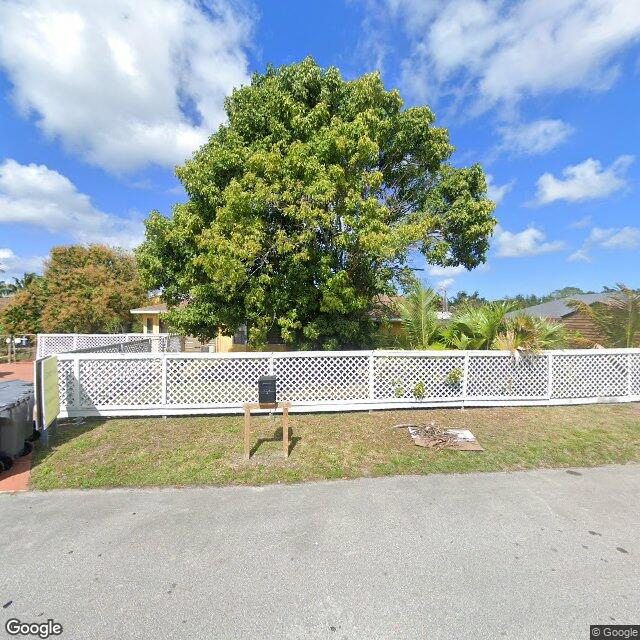
4373 Venus Avenue, West Palm Beach, FL 33406
For more information about senior living options: (866) 208-4318
Hidden Garden Assisted Living Residence Costs & Pricing
Hidden Garden Assisted Living Residence offers competitive pricing compared to both Palm Beach County and the broader state of Florida. For a semi-private room, residents benefit from an affordable rate of $2,500 per month, which is significantly lower than the county's average of $3,592 and the state's average of $3,009. Similarly, those seeking private accommodations will find Hidden Garden's monthly fee of $3,500 to be more economical than the county's $4,444 and the state's $3,699. Even for studio apartments, priced at $4,000 a month, Hidden Garden remains attractive compared to Palm Beach County's average cost of $4,274 and Florida's statewide average of $3,823. This favorable pricing structure positions Hidden Garden as a viable option for individuals or families exploring assisted living solutions that prioritize both quality care and affordability.
| Floor plans | Hidden Garden Assisted Living Residence | Palm Beach County | Florida |
|---|---|---|---|
| Semi-Private | $2,500 | $3,592 | $3,009 |
| Private | $3,500 | $4,444 | $3,699 |
| Studio | $4,000 | $4,274 | $3,823 |
Memory care communities with a similar price nearby
-
About the same
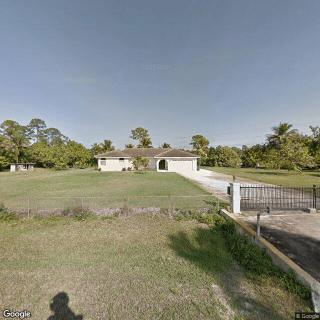
Iona Adult Family Home
$2,500 to $5,000 / month13.9 miles away -
from -$305 / mo
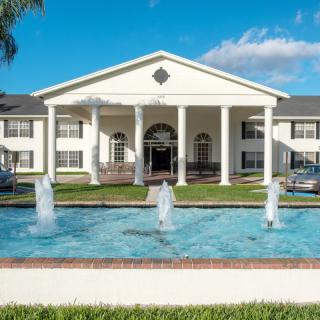
Grand Villa Of Delray East
$2,195 to $4,495 / month14.4 miles away -
About the same

Coventry Country Living Inc
$2,500 to $3,500 / month7.1 miles away -
About the same
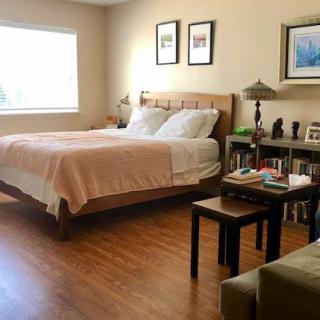
Barrington Terrace
$2,555 to $4,375 / month10.7 miles away -
About the same

Grand Villa Of Delray West
$2,495 to $3,975 / month14.4 miles away
Overall Review of Hidden Garden Assisted Living Residence
Pros
 The caregivers show love and attentive care that puts patients at ease.
- Residents feel at ease and form strong attachments to Hidden Pines ALF and its staff.
- The level of care is so high that families are forever thankful.
- This loving group of caregivers is highly recommended.
- The small home feel, with attentive and loving staff, contributes to exceptional care.
- Hidden Garden provides good care; residents seem happy, and meals are good and homemade.
- The courtyard area is well kept and pleasant to look at.
- The staff do an excellent job taking care of residents, keeping the facility clean and nicely maintained.
Cons
 The living environment is not fit for even a dog to survive there.
- The place smells like urine, and visits occurred with the house at about 84 degrees.
- The facility is in need of major updating, with areas that smell of feces and urine upon entry.
- There are no real activities for residents beyond watching TV, and the place is overpriced for its conditions.
- Entry gates were locked, an aide watched from a window without greeting visitors.
- The first living area looked old and dark, with a bathroom floor that was unlevel and odors of feces and urine.
Review
Hidden Garden Assisted Living Residence in West Palm Beach is best suited for families seeking a small, home-like care setting where kindness and personal attention from staff are the defining strengths. The community consistently displays warmth in interactions, and residents often appear relaxed and at ease with caregivers. It works well for seniors who do not require hospital-style amenities but crave steady, compassionate daily support, familiar routines, and meals that feel homemade. Those who can overlook an older building and a limited activity slate will find this environment comforting and reassuring.
Those who should consider alternatives include families prioritizing modern facilities, robust programming, or strict odor control and pristine environments. Several reviews flag the building as older and in need of updating, with furnishings that feel dated and areas that can smell less pleasant. If security and access concerns are critical, or if a more intensive social calendar and more varied entertainment are non-negotiables, a larger or newer community may serve better. Residents requiring advanced medical management or specialized memory care with enhanced supervision may also outgrow this setting.
On the plus side, the care team stands out as a core asset. Multiple accounts describe an extraordinary group of caregivers whose love and attentiveness translate into visible smiles and comfort for residents. The owners and staff are consistently reported as caring and engaged, creating an atmosphere where residents feel valued. Cleanliness in rooms, attentive grooming, and a quiet, home-like dining environment contribute to a sense of dignity. The courtyard is well-kept, and homemade-style meals add a comforting, personal touch that elevates daily life despite the building’s age.
Yet the cons carry significant weight. Reviewers frequently describe an aging facility with major updating needs, including old furnishings and areas that smell of urine or require better odor control. Temperature concerns surface, with spaces sometimes described as uncomfortably warm. The activity menu is sparse, primarily TV or passive entertainment, with little in the way of structured engagement for residents. Perceived overpricing relative to the condition and offerings further clouds value, and some visitors noted security or access friction around gated entry. The presence of hospice residents and the sense that the environment is not aligned with end-of-life dignity in some stories create additional caution for families prioritizing comfort and movement toward independent living or more vibrant programming.
Decision-makers should approach with a clear checklist. Visit at various times to gauge consistency, ask to observe a typical day, and request a tour of all living areas to assess cleanliness and odor control. Talk to staff about staffing ratios, activities, and how care plans are implemented day-to-day. Verify what is included in the price, and compare with nearby communities that offer more robust activity calendars or updated interiors. If memory care needs or higher medical oversight exist, confirm available options and any incremental costs. In short, gather objective indicators of care quality and price alignment before committing.
The community is best for families who prize genuine caregiver closeness and a true home feel, and who can tolerate the building’s age and limited programming in exchange for consistently compassionate care. Those who require a newer facility, richer activity options, tighter odor control, or greater security should chart a different course. Hidden Garden can be a meaningful choice for the right resident, particularly where the priority is a devoted care team and a warm daily rhythm, but it does not replace the value offered by more modern, activity-forward ALFs in the area.
 14 resident community capacity
 Assisted Living
 Board and Care Home
 Day Program
 Memory Care
 Respite Care
 Cable or satellite TV
 Dining room
 Fully furnished
 Garden
 Housekeeping services
 Move-in coordination
 Outdoor space
 Private
 Telephone
 Wi-Fi/high-speed internet available
 Palm Beach International (1 miles away)
 24-hour supervision
 Ambulatory care
 Assistance with bathing
 Assistance with dressing
 Assistance with transfers
 Diabetes diet
 Diabetic care
 Meal preparation and service
 Medication management
 Special dietary restrictions
 Transportation arrangement (medical)
 Transportation to doctors appointments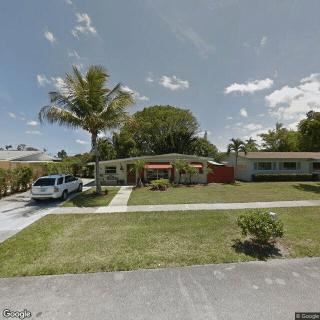

 Dementia-Related Hallucinations: Causes, Experiences, and Practical Approaches
 Illuminating Insights About Alzheimer's Disease: Ten Crucial Realities
 A Thorough Discussion of Medications Potentially Linked to Dementia Risk