
438 Macy Street, West Palm Beach, FL 33405
For more information about senior living options: (866) 208-4318
Overall Review of A Paradise Home Assisted Living Facility II
Pros
 The staff at A Kee to Paradise are lovely.
- The facility is managed by a registered nurse.
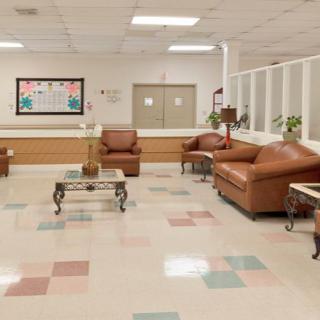
- The home feels warm and cozy, a true home away from home.
- The administrator is thorough, knowledgeable, and caring.
- The facility is well kept and inviting.
- The residents are clean and well cared for.
- The location offers a quieter setting with more individualized care.
- Kee to Paradise provides five-star care in a small, loving, and safe environment.
- Keila and her staff treat residents like family with attentive, personalized care.
- The atmosphere is calm, safe, and nurturing, putting families at ease.
Review
A Paradise Home Assisted Living Facility II in West Palm Beach is best suited for families seeking a small, home-like setting where caregiving is intimate, highly hands-on, and guided by a nurse-led leadership team. This community excels when the priority is individualized attention, consistent daily routines, and genuine warmth that makes residents feel “at home” rather than processed through a corridor of care. It is especially well-matched for seniors who value regular, proactive communication with caregivers, clear medication oversight, and frequent family involvement. Those who want a compact footprint with 1:1 or near-1:1 care, rather than a large campus with sprawling programming, will find the core promise delivered here. However, those requiring high-acuity medical services or a more structured memory-care environment should consider alternatives.
The strongest selling points are consistently evident in the reviews. The administrator, who is a registered nurse, brings a level of clinical depth and accountability that many families find reassuring. The facility is described as meticulously kept, clean, and inviting, with a homely atmosphere that distinguishes it from larger, more institutional settings. Residents appear well-groomed and engaged, and staff are presented as caring, attentive, and genuinely invested in daily well-being. Families praise the ability to receive timely information about medications and health updates, facilitated by direct nurse-led coordination with doctors. The combination of home-cooked meals, regular activities, and a gentle emphasis on safety and dignity creates a sense of thriving rather than merely existing.
Nonetheless, acknowledging the size and scope is essential. The intimate, low-stimulation footprint may limit exposure to a wider array of activities that larger campuses offer, and it doesn’t substitute for a facility that specializes in high-acuity care or advanced memory support. Families should be aware that while the RN-led model delivers strong medical oversight, this setting is not presented as a replacement for skilled-nursing facility services for residents with complex wounds, ventilator needs, or intensive rehabilitation. Prospective residents who require substantial transportation options, on-site specialized therapies, or dementia-specific programming may find the alternative options more robust in those domains.
Those strengths, when weighed against the potential constraints, ultimately tilt the balance in favor of this community for the right resident. The same nurse-led leadership that drives meticulous medication management, proactive health communication, and rapid problem-solving also underpins a culture of accountability and trust. The small, home-like environment reduces the impersonality often found in larger ALFs, supporting consistent caregiver-resident relationships and a higher likelihood of care plans being followed with fidelity. In short, the advantages of personalized attention, visible compassion, and a high-touch care approach largely offset the limits of size and scope for families prioritizing daily quality of life and emotional well-being.
For families considering a visit, the decisive questions are practical and focused. Inquire about the exact staff-to-resident ratios across day and evening shifts, and ask how emergencies are managed when the nurse- administrator is not immediately available. Probe the level of medical coordination: what happens if a change in medications is needed, how doctors are consulted, and how timely the communication will be during holidays or weekends. Explore memory-care and activity options: is there a dementia-friendly program, and can a resident sustain meaningful engagement with daily routines, outings, and social opportunities? Seek clarity on meals, dietary accommodations, and the transparency of daily schedules, including exercise, spa experiences, or outdoor time. These elements will reveal how well the received care aligns with health goals and personal preferences.
Overall, this community offers a compelling match for families who want a nurturing, nurse-guided, closely supervised home environment where residents genuinely feel valued and protected. The visible care and consistent warmth translate into meaningful improvements in mood and daily functioning for many residents, making it an excellent choice for those seeking stability, dignity, and heartfelt attention. Alternatives are advisable when the care needs exceed what a smaller ALF can safely provide, or when specialized memory care, high-acuity medical services, or a broader activity spectrum is non-negotiable. When the priority is a true home-like experience without sacrificing medical mindfulness, A Paradise Home Assisted Living Facility II stands out as a prudent, trustworthy option.
 6 resident community capacity
 Assisted Living
 Cable or satellite TV
 Dining room
 Fully furnished
 Garden
 Housekeeping services
 Move-in coordination
 Outdoor space
 Telephone
 Wi-Fi/high-speed internet available
 Palm Beach International (3 miles away)
 24-hour supervision
 Activities of daily living assistance
 Assistance with bathing
 Assistance with dressing
 Assistance with transfers
 Diabetes diet
 Meal preparation and service
 Medication management
 Special dietary restrictions
 Transportation arrangement (medical)
 Transportation to doctors appointments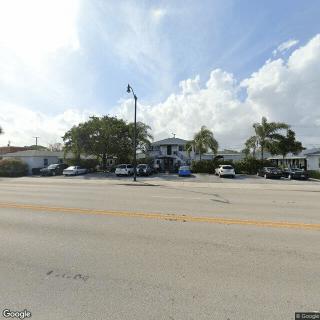



 Exploring the Contrasts Between Assisted Living and Skilled Nursing
 8 Key Indicators That Suggest It May Be Time to Transition from Assisted Living to Skilled Nursing Care
 Vibrant Senior Living: A Comprehensive Guide for Active Older Adults