For more information about senior living options: (866) 208-4318
4.8 from 41 reviews
5 stars
39
4 stars
0
3 stars
0
2 stars
0
1 stars
2
Wellington Elder Care 2 Costs & Pricing
Wellington Elder Care 2 offers competitive pricing for its residential care services, particularly in comparison to the broader market. For a semi-private room, the monthly cost is $4,300, which is notably higher than the Palm Beach County average of $3,592 and the state average of $3,009. Similarly, for a studio room, residents would pay $4,700 at Wellington Elder Care 2, exceeding both the county's rate of $4,274 and Florida's state average of $3,823. These figures reflect a commitment to providing specialized care tailored to the needs of its residents while positioning itself slightly above local and state averages.
Floor plans
Wellington Elder Care 2
Palm Beach County
Florida
Semi-Private
$4,300
$3,592
$3,009
Studio
$4,700
$4,274
$3,823
Memory care communities with a similar price nearby
Residents and families repeatedly describe staff as caring, compassionate, and respectful.
Across many reviews, families say staff members treat their loved ones with kindness and respect, and that communication helps them feel at ease. Several reviewers also mention specific people on the team by name and praise responsiveness when they have questions. Even in the critical reviews, staff language and interactions are discussed, though the tone is negative there.
common5 reviews mention this
Activities keep residents engaged
Reviews point to a mix of activities, with some families saying engagement is strong.
Some residents and families mention that the community offers activities that help keep people stimulated during the day. Another review highlights fun things for visitors and family members to see, not just time indoors. At the same time, two low-rated reviews say residents had no activities, which is a clear point of disagreement.
common10 reviews mention this
Food is a frequent talking point
Families frequently mention the meals, describing them as good and sometimes improved over time.
Several reviews praise the food, calling it very good, made with care, or something their loved ones enjoy. Others add details like meals being handled and dining being set up for residents. In contrast, two one-star reviews report very poor food quality and describe it negatively.
caveat2 reviews mention this
Some medical staffing concerns raised
A couple of reviews raise concerns about medical coverage and clinician time.
Two critical reviews describe very limited doctor time per visit and claim a lack of adequate medical oversight, including mentions of one nurse covering many residents. Those accounts also pair concerns with weak activity offerings and poor food quality. The community does list services such as medication management and continuous supervision, but these reviewers still report the opposite experience.
How we summarize
Counts show how many written reviews mention each theme; a review can touch several themes, and only frequently mentioned themes are displayed.
Features
Housing
21 resident community capacity
Types of Care
Assisted Living
Memory Care
Amenities
Activities on-site
Air-conditioning
Beautician on-site
Beauty salon
Cable or satellite TV
Devotional services off-site
Devotional services on-site
Dining room
Fully furnished
Garden
Ground floor units
Housekeeping services
Indoor common areas
Kitchenette
Move-in coordination
Outdoor common areas
Outdoor space
Private bathrooms
Respite or short term stays offered
Telephone
Wheelchair accessible showers
Wi-Fi/high-speed internet available
Transportation
Palm Beach International (11 miles away)
Care Services
24-hour call system
24-hour supervision
Activities of daily living assistance
Ambulatory care
Assistance with bathing
Assistance with dressing
Assistance with transfers
Coordination with health care providers
Diabetes diet
Incontinence care
Meal preparation and service
Medication management
Mental wellness program
Special dietary restrictions
Transportation arrangement (medical)
Transportation to doctors appointments
Dining
Diabetes diet
Low / no sodium
Meals provided
No Sugar
Restaurant style dining
Special dietary restrictions
Activities
Activities on-site
Art classes
Birthday parties
Community-sponsored activities
Devotional activities offsite
Devotional activities on-site
Happy hour
Live dance or theater performances
Live musical performances
Scheduled daily activities
Stretching classes
Tai Chi
Visiting chaplain or priest
Yoga / chair yoga
Nearby Places of Interest
This part of Wellington, Florida offers convenient access to essential amenities such as pharmacies, restaurants, parks, physicians, places of worship, cafes, theaters, and hospitals. With multiple pharmacies within a few miles radius, accessing medications and healthcare services is easy. There are a variety of dining options available nearby for your culinary preferences. The presence of parks provides opportunities for outdoor activities and relaxation. Medical facilities and physicians are in close proximity for your healthcare needs. Additionally, transportation services including the airport and car rental agencies are easily accessible for travel convenience. Overall, this area provides a diverse range of services and amenities that cater to the needs of seniors looking for a comfortable living environment.
Pharmacies
Walgreens (0.1 miles)
Pharmacy Choice (1.5 miles)
Walgreens (1.9 miles)
Walgreens (3.8 miles)
Winn-Dixie (3.9 miles)
Walgreens (4.1 miles)
CVS Pharmacy (4.2 miles)
Restaurants
Lindburgers Wellington (0.3 miles)
Checkers (1.5 miles)
Subway (2 miles)
KFC (2.8 miles)
Bonefish Grill (3.3 miles)
Kaluz (3.3 miles)
Mole Cantina Mexicana (4.2 miles)
Parks
Loxahatchee Groves Park (1.5 miles)
Wellington Village Park (3.1 miles)
Veterans Park (3.6 miles)
Osprey Isles Play Ground (11.4 miles)
Physicians
Palm Beach Center For Plastic Surgery (1.8 miles)
Miami Children's Hospital Nicklaus Care Center (1.8 miles)
Wellington Elder Care 2 offers competitive pricing for its residential care services, particularly in comparison to the broader market. For a semi-private room, the monthly cost is $4,300, which is notably higher than the Palm Beach County average of $3,592 and the state average of $3,009. Similarly, for a studio room, residents would pay $4,700 at Wellington Elder Care 2, exceeding both the county's rate of $4,274 and Florida's state average of $3,823. These figures reflect a commitment to providing specialized care tailored to the needs of its residents while positioning itself slightly above local and state averages.
Wellington Elder Care 2's array of features is designed to comprehensively support residents with dementia or Alzheimer's disease, enhancing their quality of life and promoting dignity. Assistance with dressing and bathing not only helps maintain personal hygiene but also fosters a sense of self-worth, while meal preparation ensures residents receive balanced nutrition tailored to their dietary needs. Medication management provides peace of mind by ensuring timely and accurate administration of prescriptions, essential for maintaining overall health. Transportation arrangements enable safe access to medical appointments, further supporting health maintenance through coordination with healthcare providers. Continuous assistance with activities of daily living empowers residents to engage in meaningful routines, while 24-hour supervision offers safety and reassurance for both residents and their families. Additionally, the mental wellness program addresses cognitive engagement, helping to mitigate the emotional challenges often associated with memory loss. Incontinence care ensures comfort and dignity, reinforcing an environment where residents can thrive despite the complexities posed by their conditions.
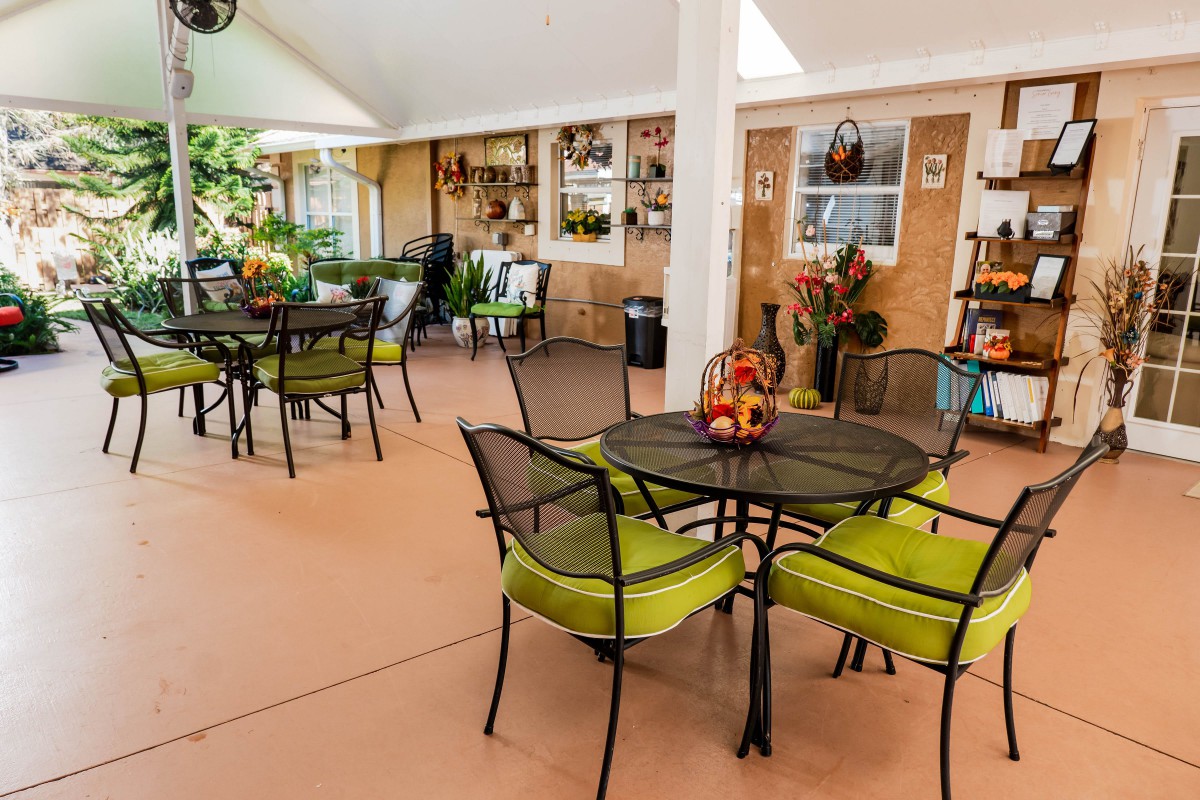
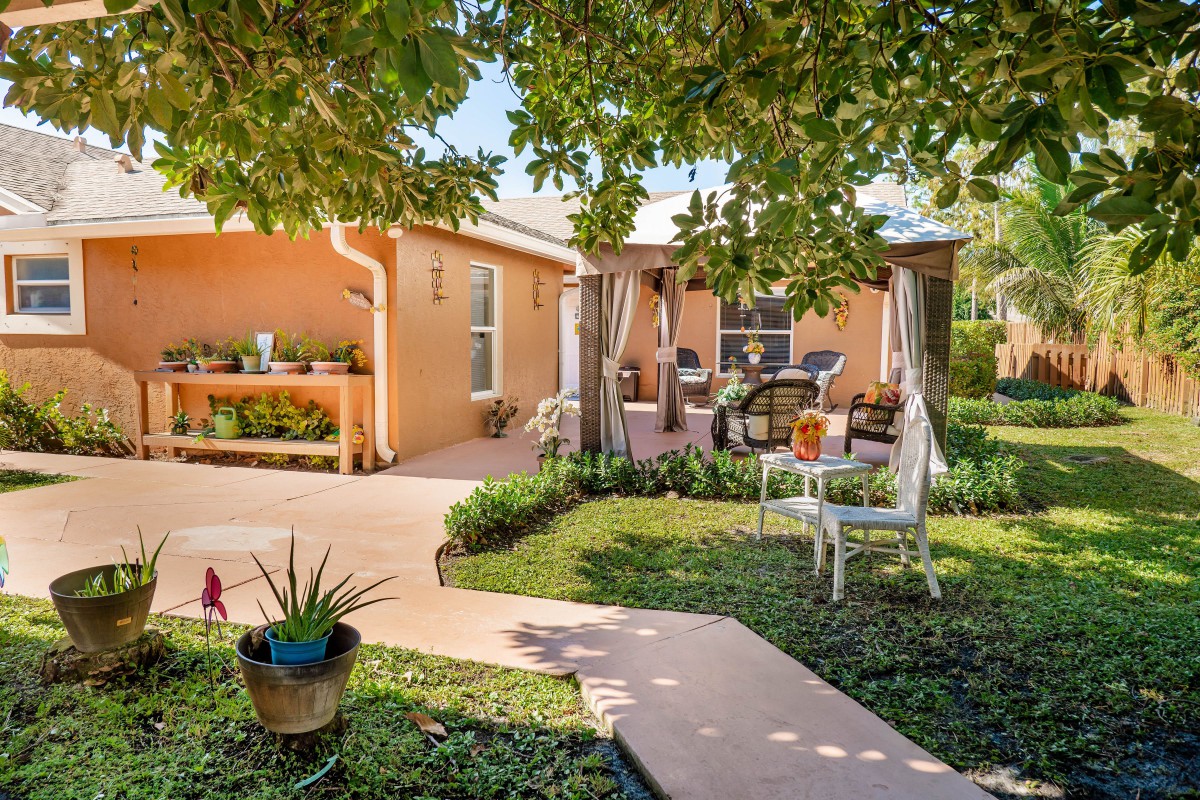
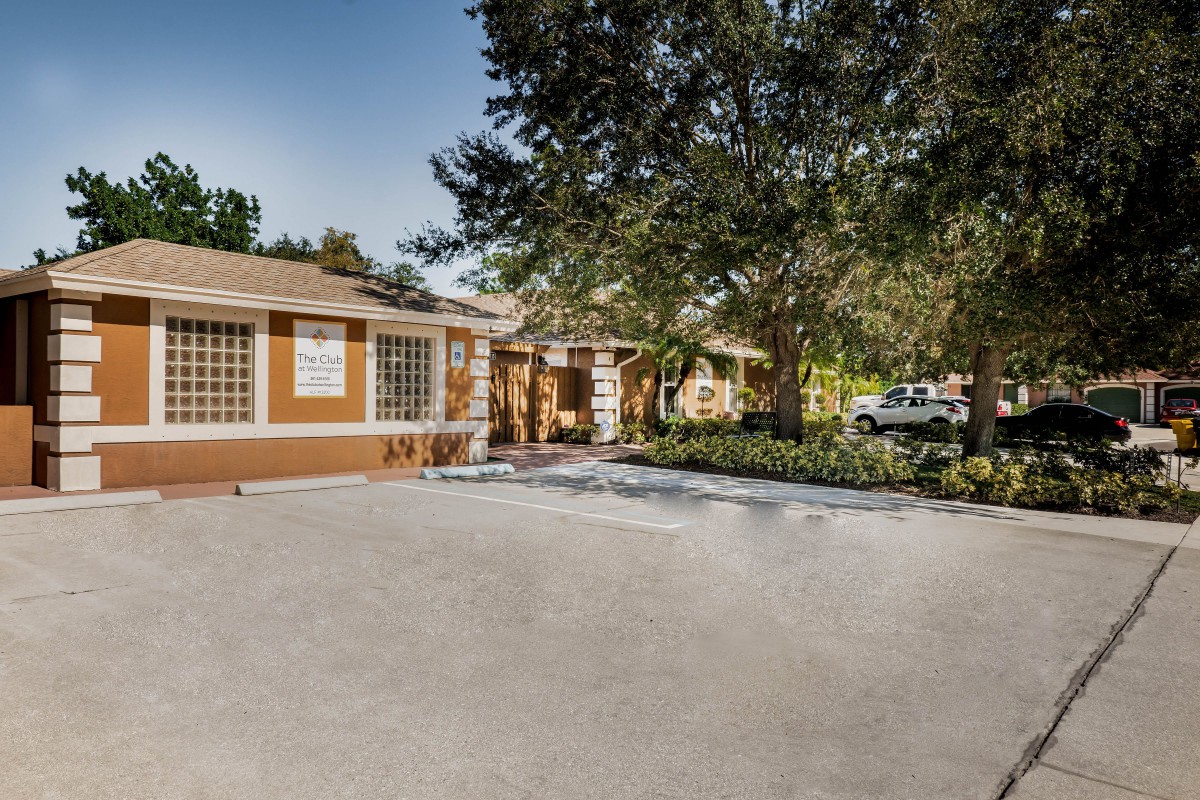
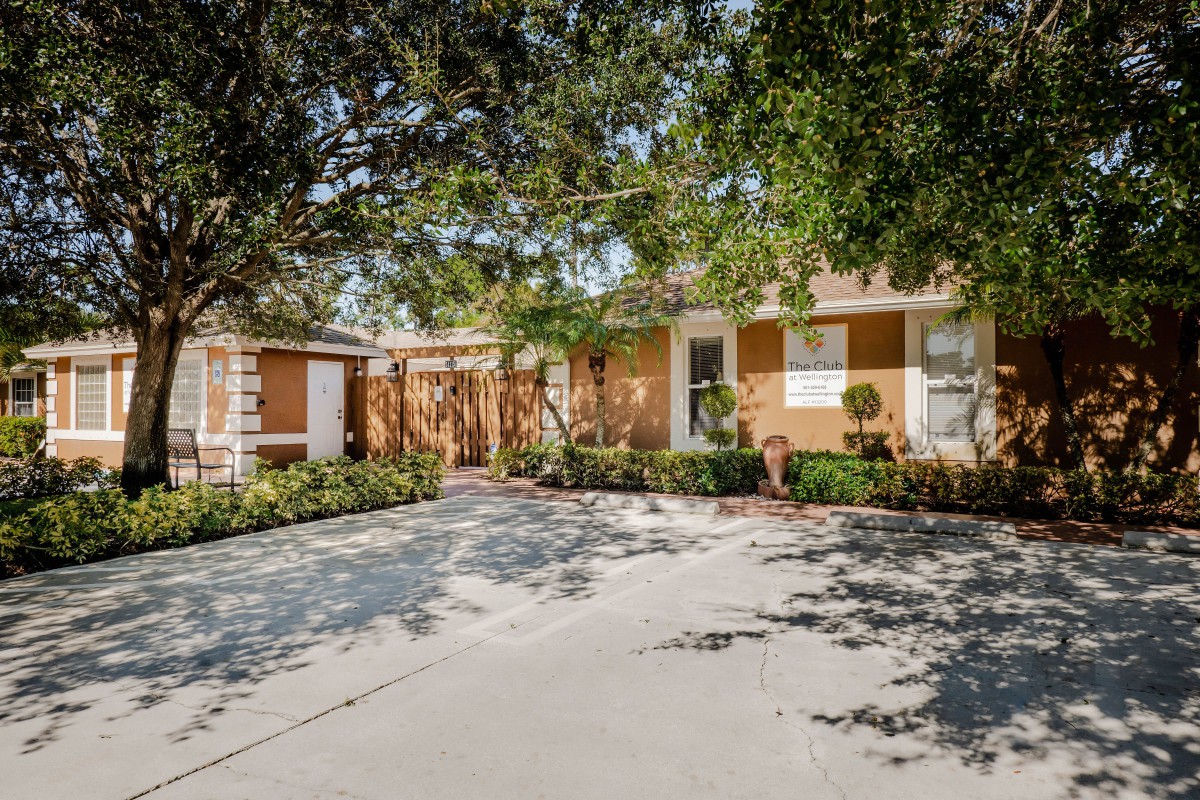
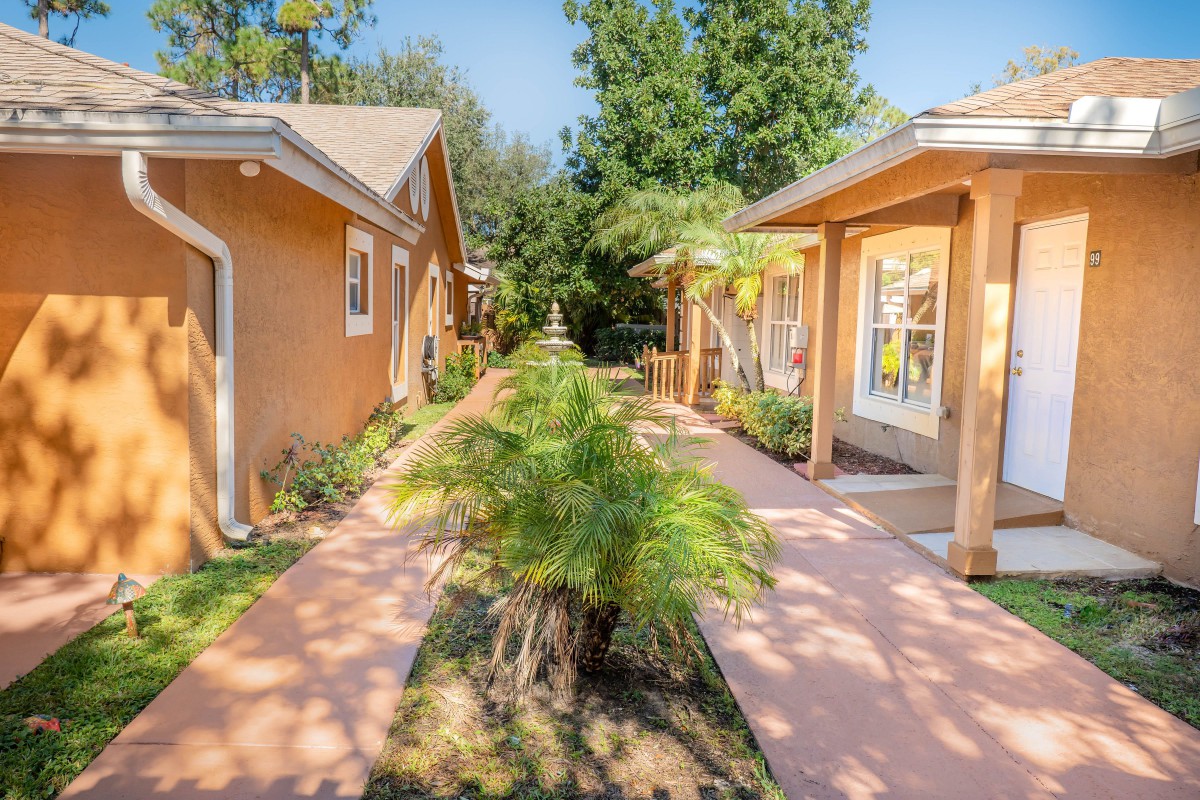
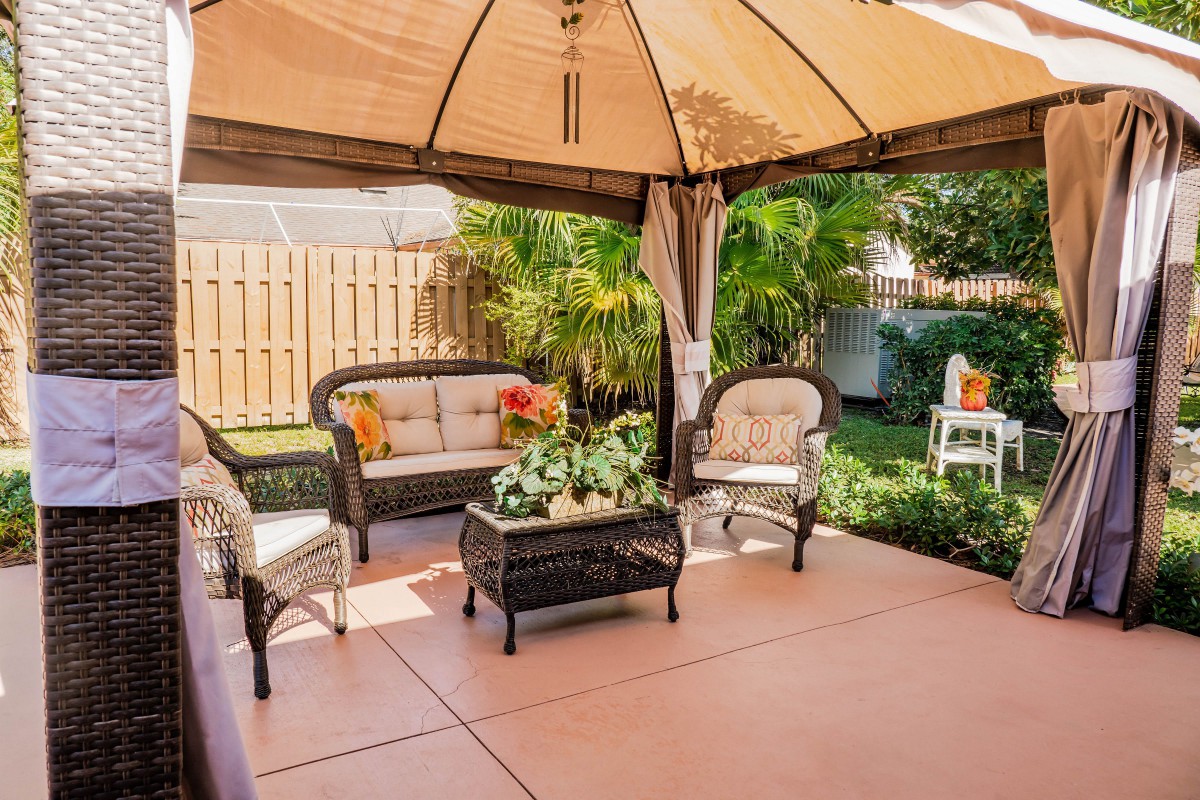
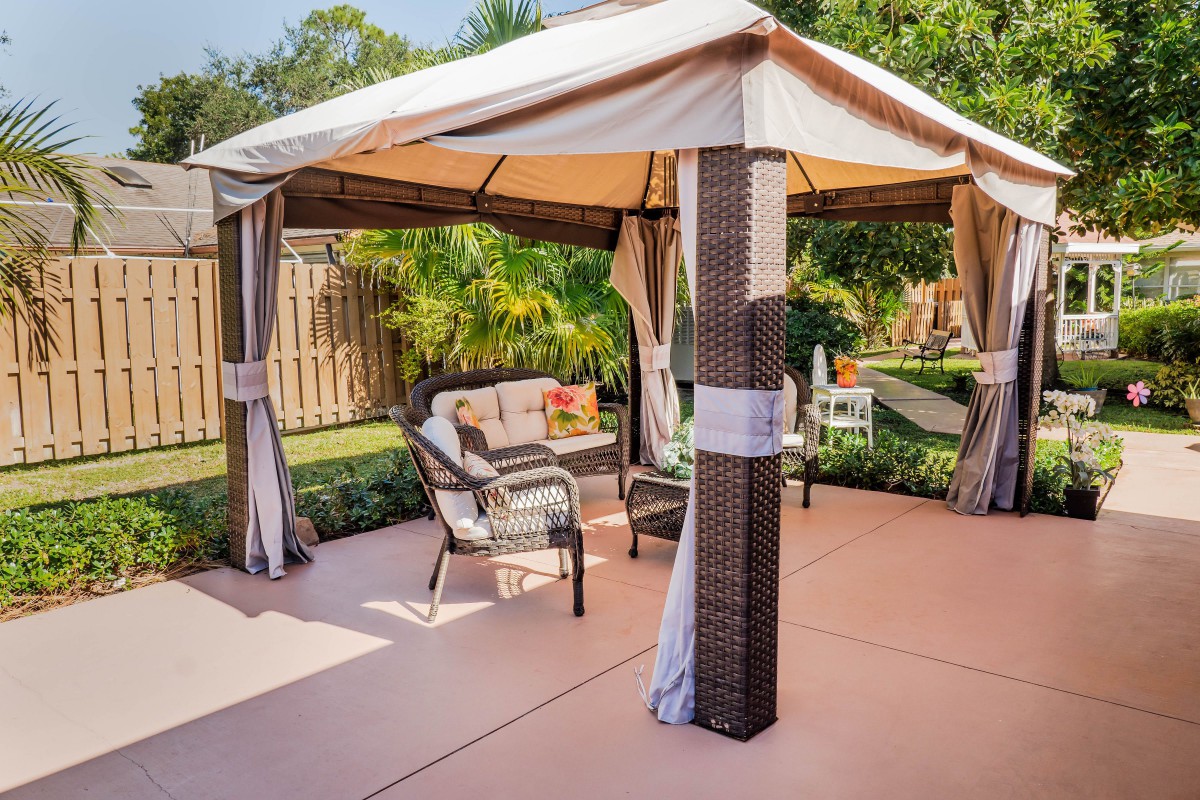
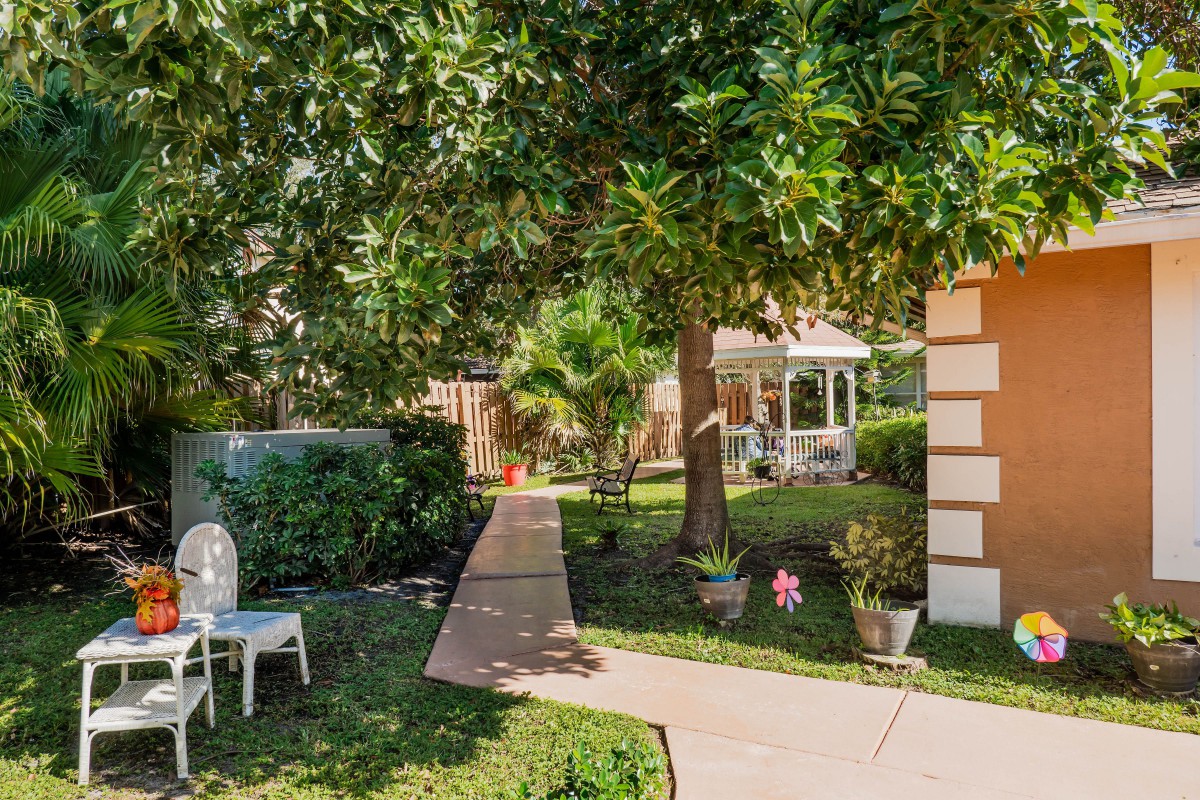
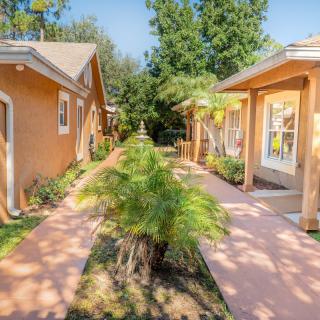
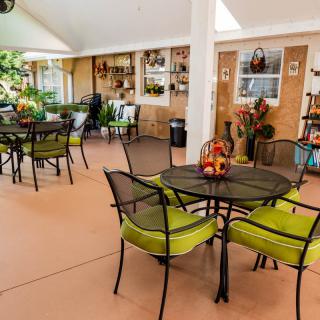
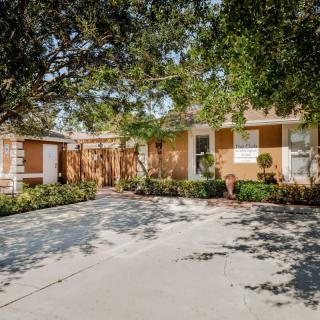
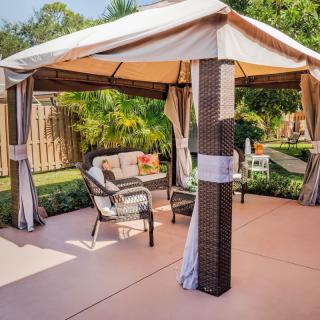
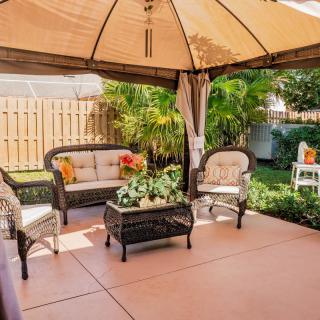
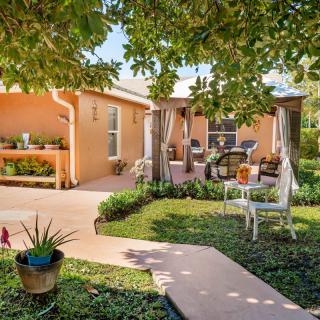
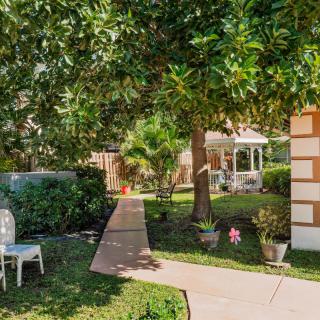
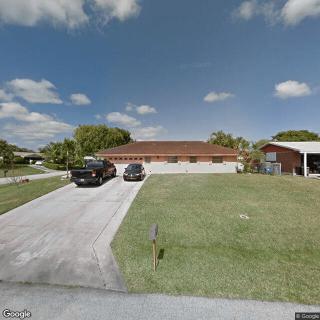
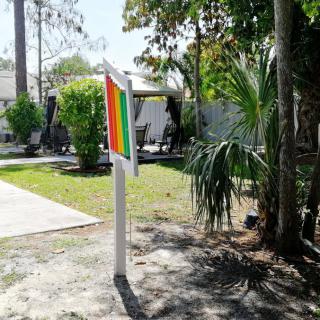
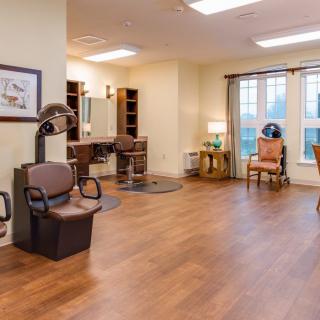
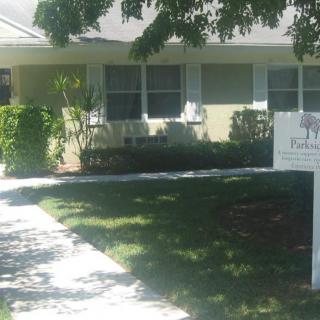
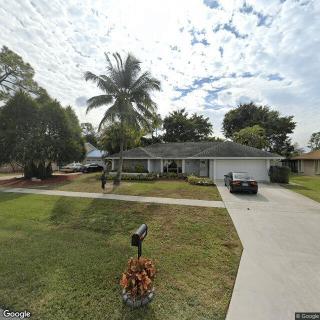
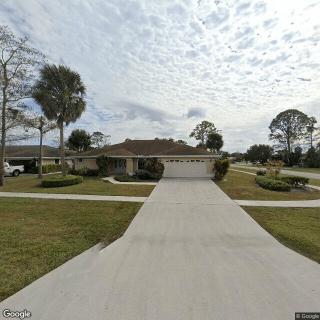
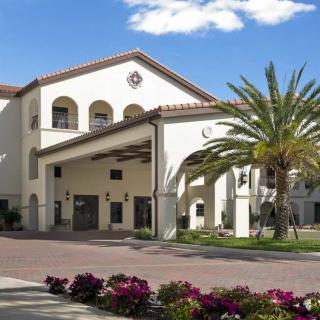
Wellington Elder Care 2 on seniors.fyi includes 9 photos including images showing landscaping, trees, patio, garden, pathway, gazebo, outdoor, outdoors, and more.
Nearby Communities
Wellington Elder Care I
Wellington, FL
4.9 from 21 reviews
$4,500 to $5,000 / month
Small, home-like community with highly compassionate, attentive staff.
A New Age Of Senior Care At Wellington
West Palm Beach, FL
4.9 from 44 reviews
Small, intimate setting with personalized care and comprehensive services.
Mama Llama LLC
Wellington, FL
4.9 from 53 reviews
$3,500 to $5,800 / month
Memory-care focused with robust amenities and flexible dining/activities.
Wellington Senior Paradise
Wellington, FL
4.8 from 26 reviews
Small, personalized care with comprehensive services and diabetes-friendly dining.
The Residence at Paddock Park II
Wellington, FL
5 from 12 reviews
Convenient location with nearby cafes, parks, healthcare, restaurants, worship, and entertainment.
Residence At Paddock Park Inc
West Palm Beach, FL
5 from 9 reviews
Serene West Palm Beach location with nearby parks, pharmacies, physicians, restaurants, and entertainment.
The Landing Of Lake Worth
Lake Worth, FL
4.8 from 93 reviews
$3,515 to $5,950 / month
Caring staff in a clean, welcoming environment with diverse activities.
Arbor Oaks At Greenacres
Lake Worth, FL
4.4 from 83 reviews
Caring staff in a clean, welcoming setting with varied activities and pet-friendly policy.
Mariposa
Lake Worth, FL
4.8 from 154 reviews
$3,295 to $5,110 / month
Friendly, attentive staff in a clean, resort-like environment with engaging activities.
Dementia causes cognitive decline and challenging behaviors that caregivers must manage, necessitating an understanding of the neurological basis of these issues. Effective strategies and self-care for caregivers can enhance support for those with dementia and improve their daily lives.
The content outlines five key early indicators of dementia, including significant memory loss and confusion about time and place, while emphasizing the need for professional evaluation and emotional support for both individuals showing symptoms and their caregivers. It encourages family members to monitor these signs closely and use online quizzes for initial awareness.
The article highlights eight indicators that a loved one with dementia may require specialized memory care, emphasizing the emotional and logistical challenges families encounter in this decision. It discusses signs such as difficulties with daily tasks, safety concerns, and caregiver burnout, suggesting that memory care facilities can provide the necessary support and structured environments for those experiencing cognitive decline.
Get PricingAsk A QuestionSchedule A TourContact Senior Advisor
By clicking submit, you agree to our Partner's Terms of Use. You
also consent to receive calls and texts, which may be autodialed, from our Partner. Your consent is not a condition to
using our Partner's service. Please visit our Partner's Privacy Policy for information about their privacy practices.

 21 resident community capacity
 Assisted Living
 Memory Care
 Activities on-site
 Air-conditioning
 Beautician on-site
 Cable or satellite TV
 Devotional services off-site
 Dining room
 Fully furnished
 Garden
 Ground floor units
 Housekeeping services
 Indoor common areas
 Kitchenette
 Move-in coordination
 Outdoor common areas
 Private bathrooms
 Respite or short term stays offered
 Telephone
 Wheelchair accessible showers
 Wi-Fi/high-speed internet available
 Palm Beach International (11 miles away)
 24-hour call system
 Ambulatory care
 Assistance with bathing
 Assistance with dressing
 Assistance with transfers
 Diabetes diet
 Incontinence care
 Meal preparation and service
 Medication management
 Mental wellness program
 Special dietary restrictions
 Transportation arrangement (medical)
 Transportation to doctors appointments
 Art classes
 Birthday parties
 Happy hour
 Live dance or theater performances
 Live musical performances
 Stretching classes
 Visiting chaplain or priest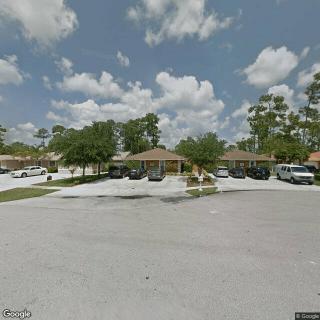
 Small, home-like community with highly compassionate, attentive staff.
 Dementia Behaviors: In-Depth Understanding and Effective Coping Strategies
 5 Early Indicators of Dementia and What You Can Do
 8 Important Indicators That Memory Care May Be Necessary