
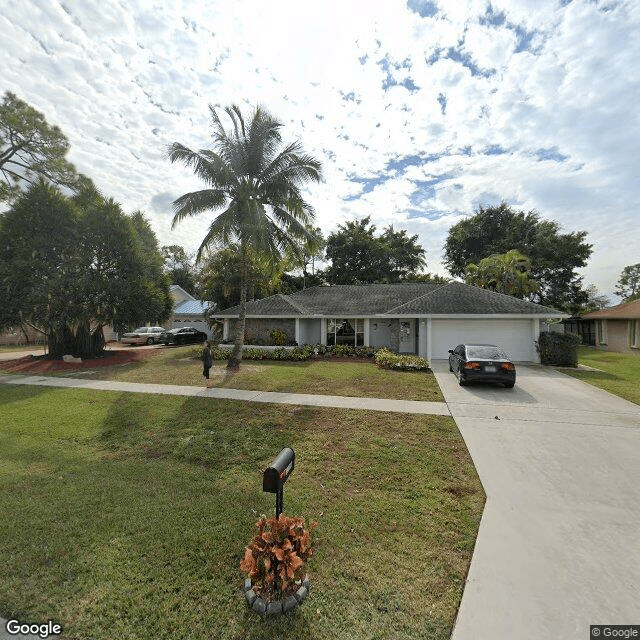
13988 Paddock Dr, Wellington, FL 33414
To contact a resident: (561) 906-4676
For more information about senior living options: (866) 208-4318
Overall Review of The Residence at Paddock Park II
Pros
 The Residence at Paddock Park is described as wonderful, top-notch, and deeply caring toward every resident.
- Residents are treated like beloved family members with extraordinary attention, compassion, and care.
- Families are eternally grateful to have found such a phenomenal place.
- Caregivers treat residents like their own family, ensuring they are comfortable, happy, and well cared for each day.
- In residents’ final days, the staff provides unwavering support with warmth and dedication.
- It is more than an assisted living facility—it is a home filled with love.
- It feels like a home away from home, with a family atmosphere, caring staff, homemade meals, and attentive care.
- The facility is clean, organized, and consistently demonstrates quality care, with attentive staff and considerate owners.
Review
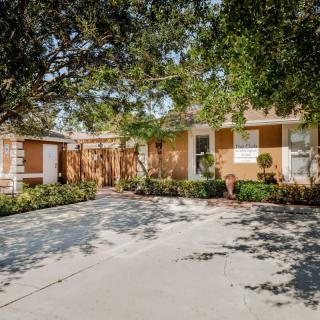
The Residence at Paddock Park II in Wellington is best suited for families seeking a small, home-like assisted living experience where residents are treated as beloved family members and care is deeply personal. This community excels for seniors who value steady routines, intimate attention, and a warm, neighborly atmosphere over the anonymity of a larger campus. It’s especially well-suited for residents who thrive on consistent, compassionate caregiving and want the sense that staff members truly know them and their preferences.
For those weighing alternatives, consider facilities that emphasize larger scale, broader clinical staffing, or more formalized programming. If a resident’s needs run toward intensive medical management, memory-care specialization, or a calendar packed with activities and on-site therapies, a bigger operation with more deep-dive clinical resources might be necessary. Families on tighter budgets or seeking more expansive hotel-like amenities may also want to compare options; not every family prioritizes a homelike setting in the same way, and those priorities will point to different communities.
The strongest positives here are the level of care and the genuine sense of family. Multiple families report that residents are treated with extraordinary attention, compassion, and respect, producing peace of mind that loved ones are cherished. The staff’s consistency and the owners’ hands-on involvement translate into a perception of continuity: residents stay for years, cherished by caregivers who know their routines, preferences, and daily needs. Cleanliness and organization reinforce this impression, while homemade meals and a culture of warmth make the environment feel like home rather than a clinical setting. For families, that emotional safety net is a decisive advantage when evaluating long-term care.
Potential drawbacks naturally accompany a smaller, family-operated setting, and honest evaluations note where breadth may be limited. A more intimate campus can mean fewer options for specialized activities, fewer on-site programs, or less depth of clinical resources than a larger facility. Yet those potential downsides are countered by the core strengths: staff who treat residents as family, highly responsive care, and a stable, low-stress daily life. In practice, the very factors that some might see as limitations, the close-knit community, predictable routines, and visible dedication, translate into fewer gaps in care and fewer “cracks” in daily adherence to the care plan. The affordability noted by families also softens concerns about a smaller footprint in the care landscape.
When making a decision, focus on daily life indicators: how meals feel and taste, how clean and orderly common spaces are, and how staff interact with residents and families during visits. Prospective residents should request candid conversations with current families about continuity of care, responsiveness to changes, and how emergencies are handled. Location and proximity to family support also matter; the best fit often hinges on whether the residence can sustain long-term visits, a key advantage of the Wellington setting. A clear understanding of the care philosophy, the level of resident-to-staff interaction, and the ability to maintain familiar routines will illuminate whether this community aligns with long-range goals.
In the end, The Residence at Paddock Park II stands out for those who prize a homegrown, family-forward approach to assisted living, where warmth, cleanliness, and consistent, loving care are the defining features. If the objective centers on an exceptionally caring, low-appeal-to-alarms environment where residents are known by name and cared for with personal devotion, this option rises to the top in Palm Beach County. For families prioritizing extensive medical complexity, large-scale amenities, or expansive activity menus, alternatives that offer deeper clinical depth or broader programmatic offerings will likely be a better fit.
 Board and Care Home
 Palm Beach International (11 miles away)
 A Detailed Exploration of Living Wills and Advance Directives
 Comprehensive Guide to Medicare Coverage for Hospice Care
 Caring for Those Who Care: Recognizing, Understanding, and Overcoming Caregiver Burnout