


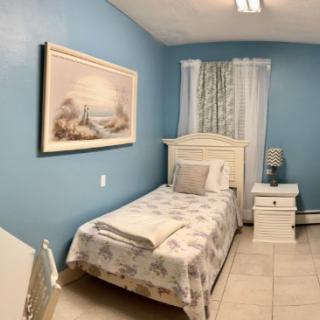
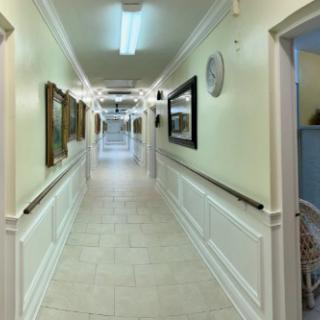
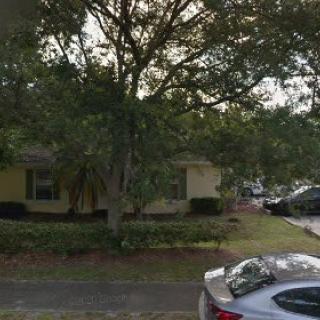
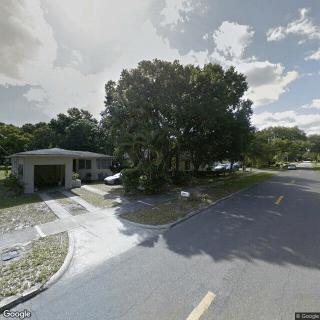
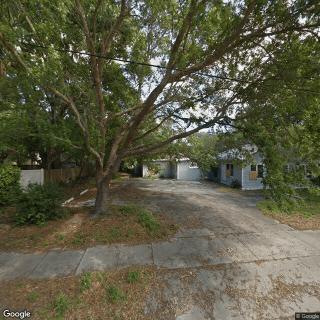
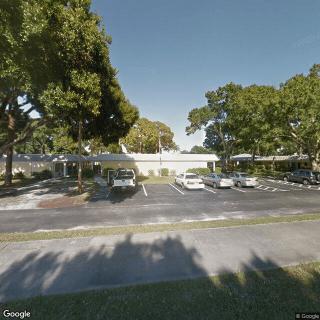
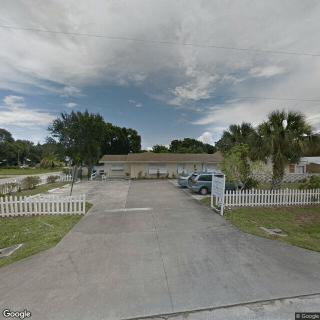
1914 21St Street, Vero Beach, FL 32960
For more information about senior living options: (866) 208-4318
Overall Review of Orchid Island Manor
Pros
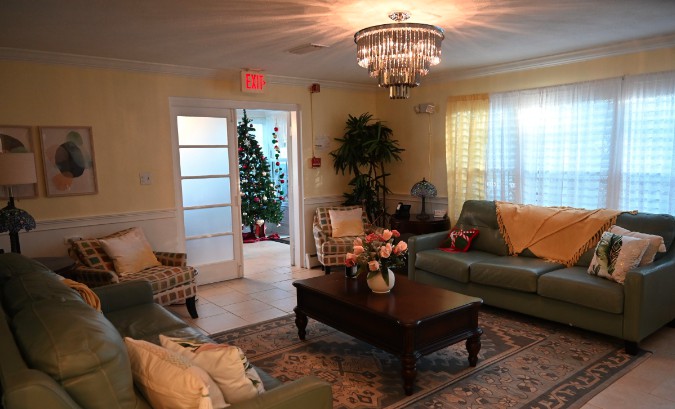
 Castlewood is warm, inviting, and feels like home.
- Patricia and her team are transparent, compassionate, and incredibly helpful.
- The staff are attentive, respectful, and genuinely kind, treating residents like family.
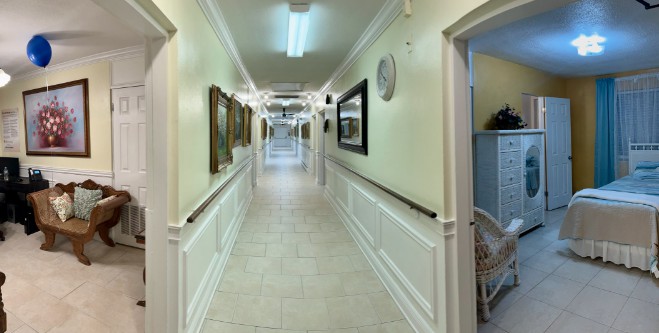
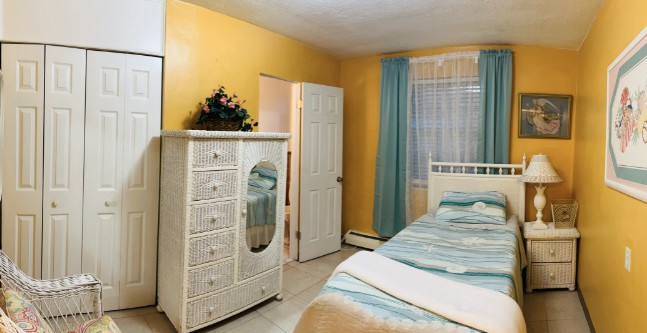
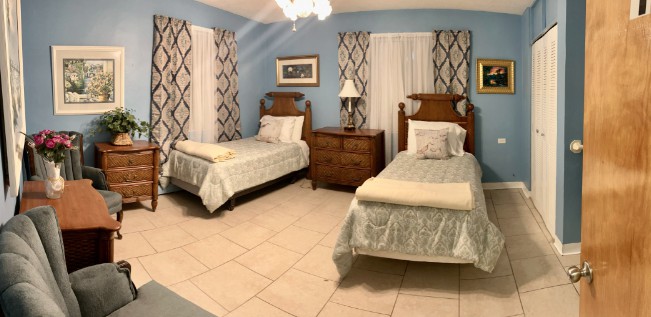
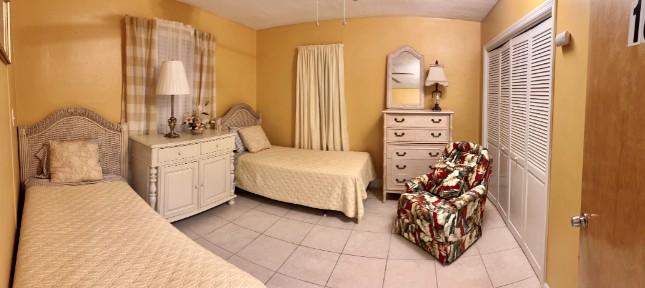
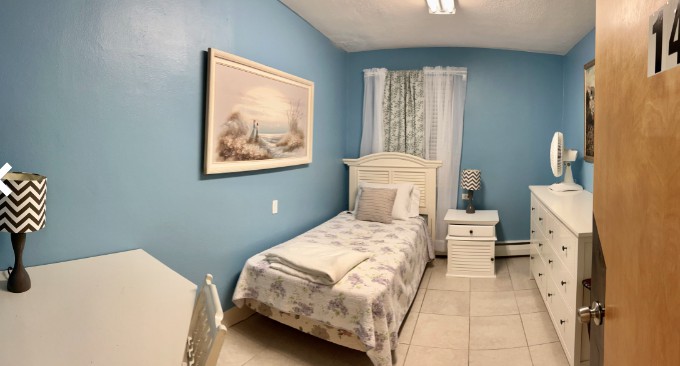
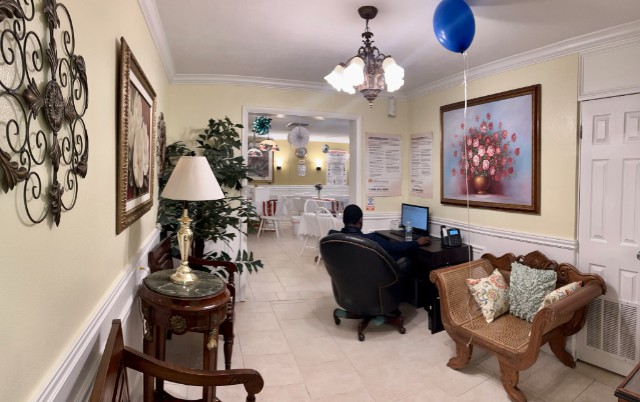
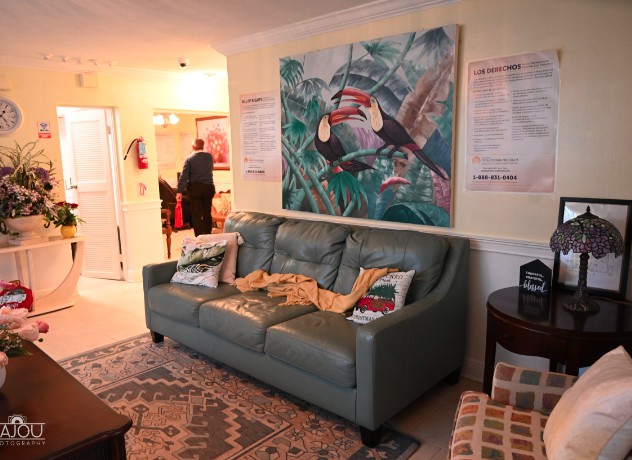
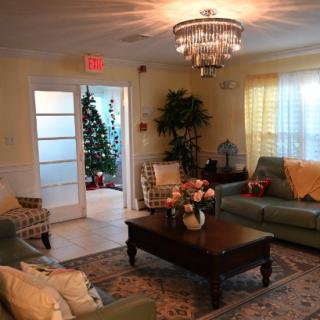
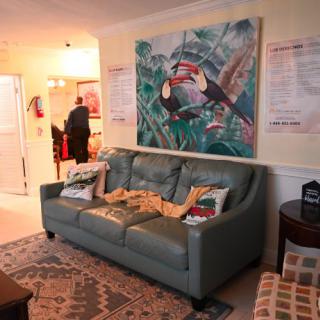
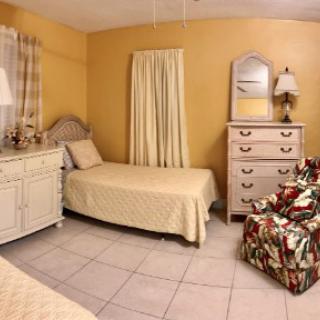
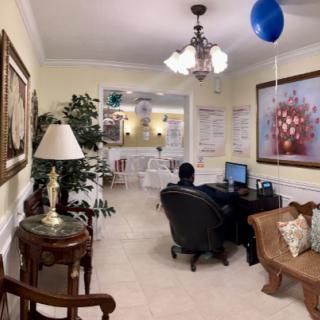
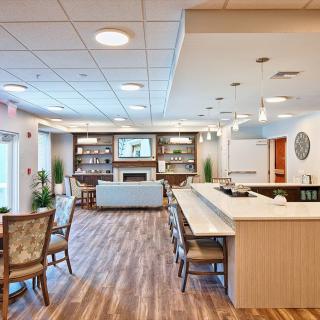
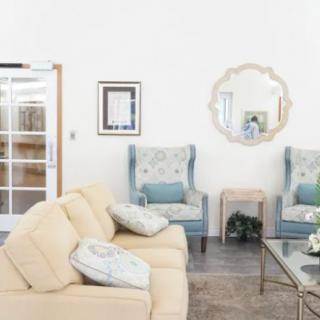
- The facility is spotless, beautifully decorated, and doesn’t feel cold or clinical.
- The home-cooked meals smell amazing and accommodate residents' dietary needs.
- The community fosters personal relationships among residents and staff, bringing people together.
- The environment is sunny and bright, with 24-hour staffing and engaging activities.
- Patricia is knowledgeable, professional, and makes transitions smooth for families.
Cons
 The facility is described as horrible and dirty, with roaches everywhere.
- The staff are said to bully and joke about residents, suggesting they should be removed.
- Pursuing state Medicaid assistance has been described as very complicated.
- The bleach smell has caused headaches for someone visiting, especially for those with asthma.
Review
This community is best suited for families that want an intimate, home-like assisted living environment where care feels personal, not procedural. The strongest fit is a resident who thrives on relationships with a small team and fellow residents, where staff know names, routines, and preferences, and where leadership is visibly involved. Reviews consistently spotlight a warm, welcoming atmosphere, with a focus on daily living that resembles a well-kept home more than a clinical campus. The small scale (roughly a dozen rooms) makes it possible to develop meaningful connections among residents and staff, while meals, celebrations, and everyday moments are designed to feel like family life. For families prioritizing reassurance, visible warmth, and continuous, hands-on support, this setting checks the box.
Those considering alternatives should be mindful of how much medical infrastructure and social programming they want on-site. A larger campus with more formal medical services, rehab capabilities, or dementia care options may be preferable for residents with higher acuity or those who value breadth of on-site resources. Additionally, the reviews reflect a tension between a strongly intimate model and the desire for uniform cleanliness and consistency across all spaces. One highly negative note about cleanliness stands out against a sea of praise, suggesting that, in practice, conditions can vary. For families prioritizing a predictable, institutional feel or a broader range of therapeutic programming, an alternative with more robust clinical staffing and larger activity calendars could be a better match.
The core positives here, genuine warmth from staff, direct access to a knowledgeable leader, and a homey environment, tend to offset most concerns. Residents benefit from attentive, 24-hour staffing, three meals daily with accommodations for dietary needs, and a dining area that supports both social dining and quieter meals. The leadership figure (the director) is repeatedly credited with facilitating smooth transitions, guiding Medicaid and long-term planning, and maintaining open lines of communication with families. The meals are not only plentiful but crafted to appeal to varied tastes and dietary requirements, which sustains appetite and engagement. The overall impression is of a place that treats residents as people first, with genuine respect and personal attention.
That strong relational foundation is the key offset to potential negatives. The intimate size fosters trust, quick problem-solving, and frequent celebrations that strengthen belonging. The same small scale that enables personal attention can limit the breadth of social programming for residents who crave a busier calendar, but reviews consistently show residents forming friendships and staying socially engaged through regular activities and group events. A few reviewers underscore the ease of coordinating appointments, med administration, and daily routines when staff know the resident well. In short, the relational engine of the community tends to compensate for the limits that come with a smaller footprint, as long as expectations align with a cozy, family-style model.
For families evaluating Orchid Island Manor against this model, the decision hinges on a clear alignment of needs and expectations. If the priority is a warm, neighborly atmosphere where residents are seen, heard, and cheered for, plus strong leadership that can navigate benefits and long-term planning, this approach delivers. If, instead, the emphasis is on expansive medical services, a wide array of specialized memory-care programs, or a bustling, campus-like vibe with abundant on-site amenities, it may be worth considering other options. Prospective residents should insist on a contemporary tour, meet the caregiver team, and query the level of cleanliness and maintenance across all spaces, including any recent renovations. The proof is in the day-to-day; tours will reveal whether the environment matches the glowing, homey reputation in practice.
The practical next step is straightforward: arrange a visit, ask to see a resident room and common areas in person, and request an opportunity to sample a meal in the dining room. Probe how staffing levels shift through the day, how activities are scheduled, and how the facility handles dietary restrictions, mobility needs, and medication management. Request candid feedback from current residents or families about transitions, consistency of care, and any recurring concerns. If Orchid Island Manor seeks to emulate this model, emphasize a clearly defined commitment to warmth, family-like interaction, and transparent leadership, while also ensuring scalable medical support and consistent cleanliness across all areas. For families prioritizing a truly personal, low-traffic setting, this model remains a compelling fit.
 24 resident community capacity
 Assisted Living
 Activities on-site
 Beauty salon
 Cable or satellite TV
 Devotional services off-site
 Dining room
 Fully furnished
 Garden
 Housekeeping services
 Indoor common areas
 Kitchenette
 Move-in coordination
 Outdoor space
 Restaurant-style dining
 Small library
 Telephone
 Wi-Fi/high-speed internet available
 24-hour call system
 Ambulatory care
 Assistance with bathing
 Assistance with dressing
 Assistance with transfers
 Diabetes diet
 Diabetic care
 Medication management
 Mental wellness program
 Special dietary restrictions

 Assisted Living Support for Veterans: A Complete and Detailed Overview
 Exploring the Contrasts Between Assisted Living and Skilled Nursing
 8 Key Indicators That Suggest It May Be Time to Transition from Assisted Living to Skilled Nursing Care