
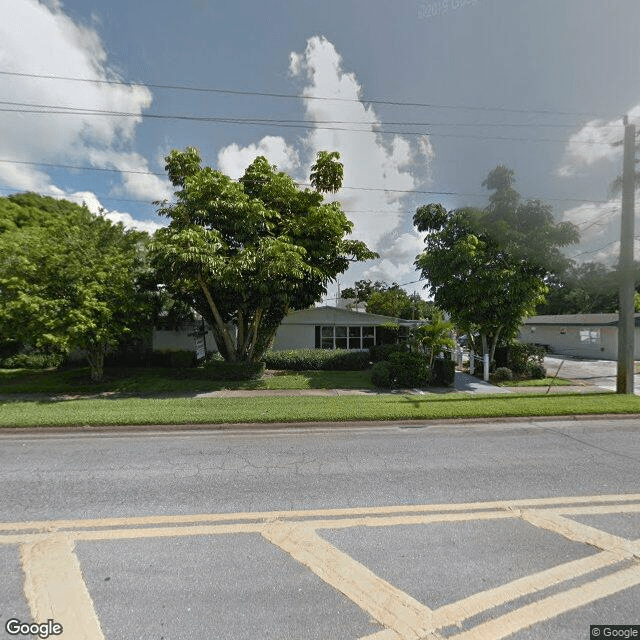
1914 21st St, Vero Beach, FL 32960
To contact a resident: (561) 567-6769
For more information about senior living options: (866) 208-4318
Castlewood Assisted Living Residents Costs & Pricing
Castlewood Assisted Living offers a range of accommodation options at competitive rates when compared to both Indian River County and the broader state of Florida. For residents opting for the semi-private room, the monthly cost is set at $4,000, which exceeds the county average of $3,612 and the state average of $3,009. This suggests that Castlewood provides additional value or amenities that may justify the higher price point. Meanwhile, the one-bedroom option is priced at $4,500, which is above both local and state averages - $3,583 and $3,864 respectively. This pricing structure indicates that while Castlewood Assisted Living may be on the higher end in terms of costs, it likely reflects a commitment to quality care and enriched lifestyle offerings for its residents.
| Floor plans | Castlewood Assisted Living Residents | Indian River County | Florida |
|---|---|---|---|
| Semi-Private | $4,000 | $3,612 | $3,009 |
| 1 Bedroom | $4,500 | $3,583 | $3,864 |
Assisted Living communities with a similar price nearby
-
from -$500 / mo
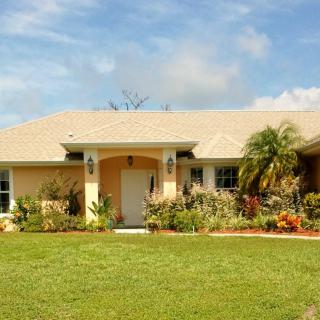
R and C Ultimate Care
$3,500 to $4,000 / month24.0 miles away -
About the same
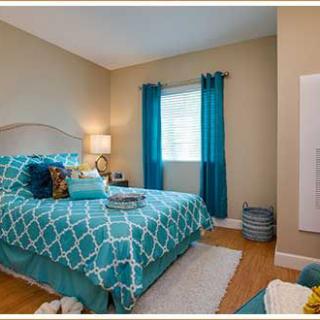
The Promenade
$3,995 to $5,895 / month10.7 miles away -
from -$405 / mo
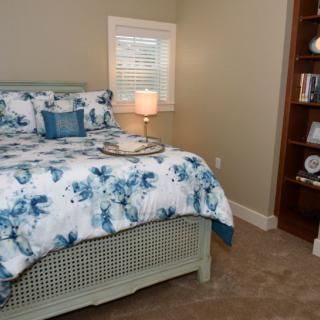
Renaissance Senior Living of Vero Beach
$3,595 to $4,950 / month0.8 miles away -
from -$150 / mo

The Brennity At Vero Beach
$3,850 to $6,175 / month5.3 miles away -
from +$175 / mo
HarborChase of Vero Beach
$4,175 to $5,055 / month2.0 miles away
Overall Review of Castlewood Assisted Living Residents
Pros
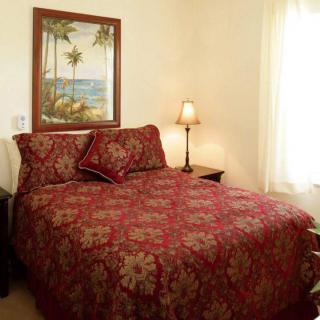
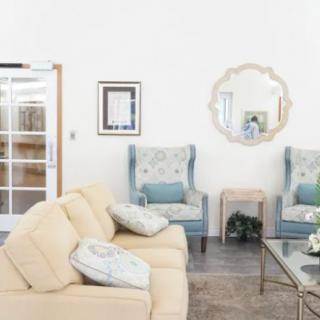
 Castlewood feels warm, inviting, and like home.
- The staff are transparent, compassionate, and incredibly helpful.
- Patricia and her team answer questions with care and never rush families.
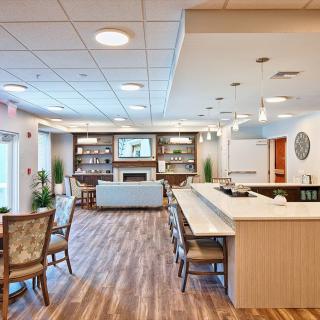
- The facility is spotless, beautifully decorated, and not cold or clinical.
- The meals are home-cooked, delicious, and accommodate residents’ dietary needs.
- The staff are attentive, respectful, and genuinely kind.
- Castlewood is a place where residents are respected, seen, and valued.
Cons
 The facility is described as horrible and dirty, with roaches everywhere.
- The staff are accused of bullying and joking about the residents.
- The review claims staff told families to remove their loved ones, indicating an alarming environment.
Review
Castlewood Assisted Living in Vero Beach is best suited for families seeking a warm, home-like environment where a loved one can receive highly personalized attention in an intimate setting. This community shines for residents who value frequent social connection, thoughtful daily routines, and a less clinical atmosphere than larger facilities. With roughly a dozen rooms, Castlewood creates real belonging, not just care, and the team, led by Patricia, delivers hands-on support that feels more like family oversight than institutional supervision. It is especially well-suited for someone who benefits from consistent staff relationships, regular home-cooked meals, and a transition into a living arrangement that emphasizes dignity, personal preferences, and stability.
Those considering alternatives should keep a few realities in mind. For seniors who require robust medical oversight, continuous skilled nursing, or specialized memory-care programming, Castlewood may not be the best fit long term. Families navigating complex Medicaid planning or who anticipate rapidly evolving care needs should also compare options with larger providers that offer on-site physicians or broader care ladders. A lone negative review mentioning cleanliness and resident interactions should be weighed carefully; it signals a potential red flag that warrants direct inspection during a tour. In short, Castlewood excels as a homelike home base, but it is not a substitute for facilities designed around high-intensity clinical care.
The strongest positives, profoundly personal care, a genuinely homelike feel, and a culture of respect, do meaningful work in offsetting the strongest concerns. Residents benefit from attentive, compassionate staff who treat every resident like family, making everyday moments more meaningful and meals more enjoyable. The director’s accessibility and expertise in Medicaid and long-term planning provide practical relief for anxious families, especially during transitions. The intimate size allows staff to recognize subtle shifts in mood or appetite and respond quickly, which often translates into better social engagement, steadier routines, and a sense of belonging that larger campuses struggle to achieve. Clean, well-decorated spaces and a recent emphasis on home-like ambiance further reinforce the notion that Castlewood is not another institution, but a real home.
The care model and daily life at Castlewood are clearly designed around resident-centered living. Residents enjoy three meals a day with accommodations for dietary needs and a menu that reflects home cooking rather than institutional fare. The on-site atmosphere is described as cozy and charming, with rooms that feel personalized rather than generic. Activities are thoughtful and regular, with celebrations for birthdays and holidays that knit residents and families into a shared calendar. The small population and 24-hour staffing structure support a steady rhythm of attention and safety, reducing the sense of anonymity that can accompany larger communities. For families seeking continuity of caregivers and predictable routines, these features are a meaningful upside.
From a decision standpoint, Castlewood makes the most sense for families prioritizing relational, low-stress transitions and ongoing social connection for an otherwise independent senior who is starting to need more help with daily tasks. The location, near churches, libraries, and shops, adds convenience for visitors, and the overall environment helps residents feel seen and valued each day. Pros, personalized care, strong leadership, and a demonstrated willingness to adapt to individual preferences, tally heavily against the main risk factors commonly cited in the reviews: limited capacity and the possibility of cleanliness or interpersonal issues in rare cases. Pros offset cons most of the time, but the small size means availability can be a constraint, and any serious cleanliness complaints deserve immediate verification on a guided tour.
In summary, Castlewood stands out as a principled option for families seeking a homelike, people-first assisted living experience with a capable, accessible leadership team. It is less appropriate for those who require intensive medical nursing, large-scale amenities, or highly specialized memory-care programs. For many families, the advantage of a 12-room setting, where staff know residents by name, meals feel like home, and care plans are navigated with clear, hands-on guidance, will be decisive. Pros aligned with a calm, engaged lifestyle often outweigh the potential downsides, provided a careful tour verifies cleanliness, staff consistency, and room availability.
 Assisted Living
 Activities on-site
 Devotional services off-site
 Indoor common areas
 Ambulatory care
 Diabetic care
 Meals provided
 Vibrant Senior Living: A Comprehensive Guide for Active Older Adults
 When to Transition from Assisted Living to Memory Care: Key Indicators, Steps, and Finding the Right Community
 Assisted Living and Memory Care: Understanding Their Core Differences