
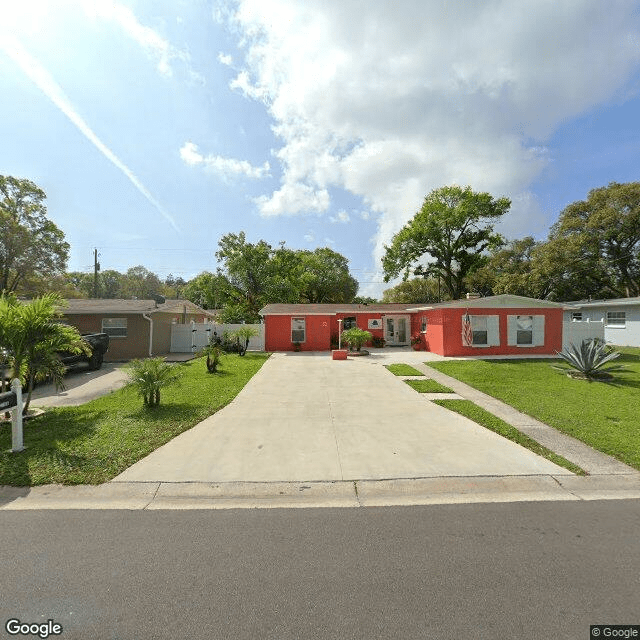
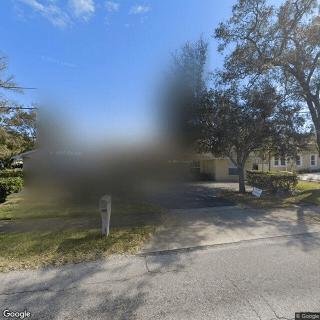
2706 Westhigh Avenue, Tampa, FL 33614
For more information about senior living options: (866) 208-4318
Santa Lucia - ALF Costs & Pricing
Santa Lucia - ALF offers competitive pricing for its assisted living accommodations when compared to both Hillsborough County and the broader state of Florida. For instance, the cost of a semi-private room at Santa Lucia is $2,500 per month, significantly lower than the county average of $3,096 and the state average of $3,009. Similarly, residents opting for a private room or studio at Santa Lucia pay $3,500 each month, which aligns closely with the county's average of $3,384 but still falls below the state average of $3,699 for private rooms and the county's studio rate of $3,685 against the state's higher rate of $3,823. Overall, Santa Lucia - ALF presents a more affordable option in comparison to its regional competitors while maintaining quality care and service standards.
| Floor plans | Santa Lucia - ALF | Hillsborough County | Florida |
|---|---|---|---|
| Semi-Private | $2,500 | $3,096 | $3,009 |
| Private | $3,500 | $3,384 | $3,699 |
| Studio | $3,500 | $3,685 | $3,823 |
Memory care communities with a similar price nearby
-
from -$300 / mo
Dorothy Cares Assisted Living Facility
$2,200 to $3,300 / month19.6 miles away -
from +$200 / mo
Alafia Village
$2,700 to $4,000 / month15.1 miles away -
from -$300 / mo
Mary Dunbar Assisted Living Facility
$2,200 to $2,800 / month9.9 miles away -
About the same
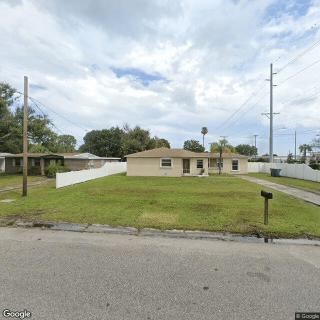
Consuelo's Assisted Living Facility
$2,500 to $4,500 / month9.3 miles away -
from +$100 / mo
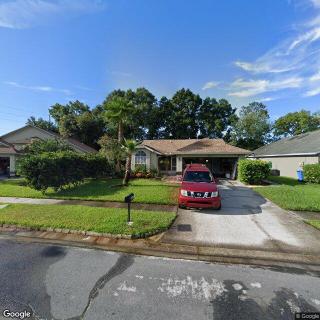
Hilda's Home Care Alf
$2,600 to $2,800 / month6.6 miles away
Overall Review of Santa Lucia - ALF
Pros
 Santa Lucía ALF provides exceptional human and professional care.
- The environment is impeccably clean, with a pleasant aroma and a tranquil atmosphere.
- The residents are well cared for, clean, and attended to with respect and affection.
- The care is personalized, and the staff responds promptly, patiently, and with professionalism when needed.
- The treatment of family members is cordial, respectful, and supportive.
- It is a five-star facility with dedicated staff and owners who are always present.
Review
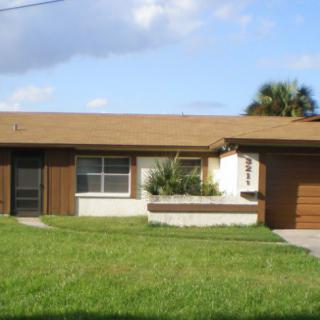
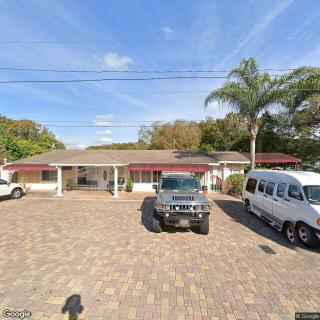
This community is best suited for families seeking a small, intimate, home‑like setting in Tampa where staff cultivate close, personalized relationships with residents. Santa Lucía ALF stands out for its clean, tranquil environment, where residents appear well cared for, clean, and attended to with genuine respect and affection. The most compelling case for this facility is the combination of a warm, human-centered approach and the reassurance that caregivers know each resident by name, preferences, and medical nuances. Families prioritizing a sense of continuity, direct access to the people who care for Mom or Dad, and a calm, undemanding daily rhythm will find this setting aligns with those goals. This is not a glossy, uphill-paced campus; it is a grounded alternative that rewards consistent, hands-on attention from an involved team.
There are clear reasons why some families may want to consider alternatives. For residents who require a robust medical footprint on site, more intensive 24/7 nursing oversight, advanced rehabilitation services, or a dedicated memory care program with specialized staff, larger communities with hospital‑style resources might be a better fit. Similarly, if the preference leans toward a broader social calendar, more extensive programming, or a wide array of on‑site amenities, the small group home model can feel limiting. Prospective movers should assess whether a high-touch, intimate environment will still deliver the level of clinical support and structured activity their loved one needs, and if not, explore options that offer greater scale and more diverse programming.
The strongest positives here offset the main tradeoffs in meaningful ways. The consistently clean setting with a pleasant aroma and a tranquil atmosphere creates an immediate sense of safety and comfort, which reduces anxiety for both residents and families. The care is described as highly personalized, with staff responding promptly and with patience and professionalism. This combination matters because it translates into fewer missed cues, quicker problem resolution, and a clearer, more trusting line of communication for relatives. The explicit emphasis on respectful, affectionate attention to residents, coupled with a genuine willingness to guide and support family members, turns daily care into a collaborative partnership rather than a transactional arrangement. When owners are visibly present and engaged, an oft-cited strength, the reassurance multiplies, reinforcing the conclusion that this facility operates on vocation and heart rather than mere routine.
In practice, the small‑scale, “homey” structure translates into several practical benefits that directly address common senior care concerns. The intimate setting tends to yield more individualized activity planning, easier monitoring of changes in mood or mobility, and the flexibility needed to tailor routines to each resident’s rhythms. Families report straightforward administration and an honest approach, which reduces the friction that can accompany larger, more impersonal institutions. Affordability is frequently highlighted as a standout feature, enabling access to a level of care that might otherwise be financially out of reach in a facility with more expansive amenities. The net effect is a care environment where safety, dignity, and consistent communication are not afterthoughts but core operating principles that shape daily life.
Nevertheless, the reviewer landscape includes a cautionary note: one rating reflects a less favorable experience. While the majority praise the staff’s dedication and the owners’ visibility, this outlier signals that expectations and experiences can diverge, and that a mismatch can occur if needs or preferences aren’t squarely aligned with what a small‑group home delivers. The practical takeaway is clear: conduct a thorough site visit, request a detailed care plan, and verify what medical oversight is available on a typical day, how emergencies are handled, and which services require external providers. For families with especially complex medical or behavioral needs, this step is not merely prudent; it’s essential to determine whether the environment will sustain the required level of care over time.
In the end, Santa Lucía ALF presents a compelling option for a specific slice of seniors and families: those who value warmth, attentiveness, and real human connection within an affordable, small‑community framework. It is best positioned for residents who thrive on predictability, personal attention, and a caregiving culture that treats residents, and their families, as partners. Those who prioritize a bustling social scene, extensive on-site medical services, or specialized memory care programming may be better served by exploring larger facilities with more comprehensive clinical offerings. For families weighing options in the Tampa area, Santa Lucía ALF represents a practical, emotionally intelligent choice that can deliver peace of mind through consistent, compassionate care, provided the care needs align with the size and scope of a small group home. Schedule a visit, observe staff-resident interactions, and confirm a care plan aligned with current and anticipated needs to ensure a lasting, confident placement decision.
 6 resident community capacity
 Assisted Living
 Board and Care Home
 Day Program
 Memory Care
 Respite Care
 Cable or satellite TV
 Dining room
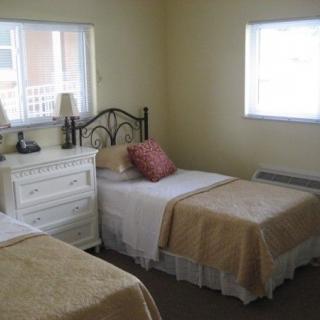
 Fully furnished
 Garden
 Housekeeping services
 Move-in coordination
 Outdoor space
 Private
 Telephone
 Wi-Fi/high-speed internet available
 Tampa International (4 miles away)
 24-hour supervision
 Ambulatory care
 Assistance with bathing
 Assistance with dressing
 Assistance with transfers
 Diabetes diet
 Diabetic care
 High acuity care
 Incontinence care
 Meal preparation and service
 Medication management
 Special dietary restrictions
 Transportation arrangement (medical)
 Transportation to doctors appointments

 A Detailed Exploration of Assisted Living Medicaid Waivers Across the United States
 Exploring the Contrasts Between Assisted Living and Skilled Nursing
 Vibrant Senior Living: A Comprehensive Guide for Active Older Adults