Howard Home Care - ALF is an assisted living community in Tampa, FL.
Information last verified:
7001 North Howard Avenue, Tampa, FL 33604
For more information about senior living options: (866) 208-4318
5 from 31 reviews
5 stars
31
4 stars
0
3 stars
0
2 stars
0
1 stars
0
Overall Review of Howard Home Care - ALF
common19 reviews mention this
Care is prompt and responsive
Residents and families describe care as prompt, reliable, and consistently responsive.
Multiple reviewers highlight quick response in urgent situations and staffing that feels dependable day to day. Families also describe communication that keeps them informed, including timely updates and proactive suggestions when concerns come up. Several mention the owner and team stepping in immediately when needs changed, including overnight coverage and follow-through during difficult stretches.
differentiator4 reviews mention this
Dementia and Parkinson care feels personal
Residents receive individualized support as conditions progress, including dementia-related needs.
Reviews repeatedly describe dementia and memory-related challenges, with caregivers showing patience and understanding. Families also mention routine-based support like daily walks and hands-on assistance with bathing, along with emotional reassurance and listening. One reviewer also describes long-term support through late-stage Parkinsonism, with caregivers who share care suggestions and respond to health changes.
common4 reviews mention this
Staffing fits changing schedules
Families say the team adjusts as care needs evolve.
Several reviewers describe flexibility when schedules and care intensity changed, including adding daytime help after initial overnight needs. Others mention the team accommodating schedule changes as conditions progressed, and matching families with a caregiver who fit their loved one’s needs. A few reviewers also point to consistent coverage for appointments and support beyond the initial setup.
caveat2 reviews mention this
Long-term care insurance works
Reviews note that the team works with long-term care insurance.
At least two families explicitly mention long-term care insurance as part of the experience, describing it as workable and accepted by the insurance process. While reviews don’t go into broader details about how claims are handled, the comments suggest the team can coordinate around insurance requirements during intake and ongoing care.
How we summarize
Counts show how many written reviews mention each theme; a review can touch several themes, and only frequently mentioned themes are displayed.
Features
Housing
8 resident community capacity
Types of Care
Assisted Living
Board and Care Home
Amenities
Cable or satellite TV
Dining room
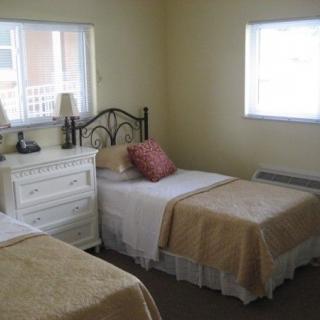
Fully furnished
Garden
Housekeeping services
Move-in coordination
Outdoor space
Telephone
Wi-Fi/high-speed internet available
Transportation
Tampa International (4 miles away)
St. Petersburg-Clearwater International (14 miles away)
Care Services
24-hour supervision
Activities of daily living assistance
Assistance with bathing
Assistance with dressing
Assistance with transfers
Coordination with health care providers
Diabetes diet
Meal preparation and service
Medication management
Special dietary restrictions
Transportation arrangement (medical)
Transportation to doctors appointments
Dining
Diabetes diet
Special dietary restrictions
Activities
Community-sponsored activities
Scheduled daily activities
Nearby Places of Interest
Pharmacies
Walgreens (0.2 miles)
Winn-Dixie (1 miles)
CVS Pharmacy (1.1 miles)
Walgreens (1.2 miles)
CVS Pharmacy (1.4 miles)
Walgreens (1.5 miles)
CVS Pharmacy (2 miles)
Physicians
Medical Village Surgical Center (1 miles)
Tampa Bay Cardi Ovascular (1.4 miles)
Tower Radiology Centers - Habana (1.7 miles)
Tampa Bay Bone & Joint Center (3.3 miles)
Moffitt Cancer Center at International Plaza (3.5 miles)
Activities of Daily Living (ADLs) are fundamental tasks vital for an individual's independence, particularly in older adults over 85, and include functions like bathing and dressing; assessing ADLs alongside Instrumental Activities of Daily Living (IADLs) helps determine the level of required assistance due to age-related health challenges. Tailored support plans, involving family and community resources, are essential for maintaining dignity and autonomy in assisted living environments.
Family caregivers face emotional, legal, and practical challenges when elderly parents refuse assisted living, often due to fears of losing autonomy. Open conversations and professional assessments can help address these concerns while exploring alternatives and ensuring safety, potentially leading to legal guardianship if necessary.
Luxury assisted living offers high-quality senior care in a resort-like environment that combines essential medical support, gourmet dining, and personalized services to enhance residents' independence and well-being. These upscale facilities emphasize holistic health and community-building through customized care plans and social activities, catering to the growing demand for enriched senior living experiences despite higher costs.
Get PricingAsk A QuestionSchedule A TourContact Senior Advisor
By clicking submit, you agree to our Partner's Terms of Use. You
also consent to receive calls and texts, which may be autodialed, from our Partner. Your consent is not a condition to
using our Partner's service. Please visit our Partner's Privacy Policy for information about their privacy practices.

 8 resident community capacity
 Assisted Living
 Board and Care Home
 Cable or satellite TV
 Dining room
 Fully furnished
 Garden
 Housekeeping services
 Move-in coordination
 Outdoor space
 Telephone
 Wi-Fi/high-speed internet available
 Tampa International (4 miles away)
 24-hour supervision
 Activities of daily living assistance
 Assistance with bathing
 Assistance with dressing
 Assistance with transfers
 Diabetes diet
 Meal preparation and service
 Medication management
 Special dietary restrictions
 Transportation arrangement (medical)
 Transportation to doctors appointments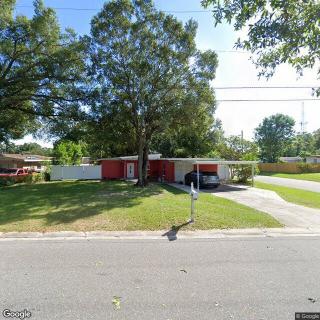
 Excellent access to dining, pharmacies, and healthcare.

 Comprehensive Insights into Activities of Daily Living (ADLs) and Their Assessment
 Guiding Elderly Parents Who Refuse Assisted Living: 6 Practical Steps
 Your Comprehensive Guide to Luxury Assisted Living: Elevated Facilities, Amenities, and Costs