
307 W Park Ave # 211, Tallahassee, FL 32301
To contact a resident: (850) 681-6096
For more information about senior living options: (866) 208-4318
Overall Review of Superior Residences Inc
Pros
 They are happy with the care staff.
- The staff are friendly and the atmosphere is welcoming.
- The facility and its staff show absolute care for residents and their families.
- The food is excellent and the service is outstanding.
- The Canopy at Boyton Ridge is stunning, with a fun, entertaining atmosphere and lively events.
- SRI is a great management company for senior living.
- They are highly recommended to manage senior living facilities.
Cons
 The company is horrible to deal with, especially after a loved one dies.
- They promised daily care but do not provide it.
- They are understaffed and management does not handle the situation.
- Billing is maddening and cannot be trusted, with charges for services not received.
- The front desk is often empty and there is no live person to talk to, even during emergencies.
- Maintenance is poor (trees dying, the pond a mud hole, weeds uncut) and turnover is high.
- High turnover in management and executives leads to miscommunication, errors, and chaos.
- Rent increases are planned with unclear use of funds.
Review
Superior Residences Inc in Tallahassee is best suited for seniors who want a bright, newer, cleanly kept environment and for families who are prepared to take an active, ongoing role in care coordination and billing oversight. The facility delivers a polished physical setting, with attentive front-line staff evident on shift and a social, restaurant-like atmosphere at times that can make daily life feel engaging. This is not a facility that thrives on passivity; the strongest value comes when families commit to frequent check-ins, explicit care expectations, and careful interpretation of bills. Residents who need consistent, hands-off management or a perfectly seamless billing experience should look elsewhere, because the patterns in this community are shaped by management instability and inconsistent administrative responsiveness.
Those weighing alternatives should look for operators with proven leadership stability and transparent, predictable billing practices. In practical terms, seek a community where executive turnover is low, where the front desk and med-pass teams are reliably reachable, and where monthly statements are straightforward and correct. If the preference is for minimal family involvement in day-to-day operations, this Tallahassee site may not meet expectations, particularly when miscommunications and delayed responses often surface during emergencies or scheduling changes. Programs that emphasize proactive care planning, consistent housekeeping of medical equipment (like hearing aids), and dependable meal coordination are especially worth prioritizing in any alternative.
The most persuasive positives in the mix involve the environment and the people who show up to work with residents. When operations are functioning well, the facility’s clean, modern appearance and tasting-menu-style dining can foster comfort and social engagement. Front-line aides and caregivers frequently come across as compassionate, and the general warmth of residents and staff can soften the impact of systemic flaws. In short, the day-to-day experience can be genuinely pleasant when the care team is fully staffed, well supervised, and able to follow through on routine tasks. A well-maintained building and attentive, cordial caregivers do matter and can create meaningful moments for residents and families.
Yet those positives are consistently offset by a troubling array of organizational and service gaps. Chronic understaffing, high turnover in management, and frequent leadership changes appear to undermine reliability. Billing problems surface repeatedly: confusing invoices, charges for services not rendered, and a sense that corporate policy overrides local judgment. Front-desk coverage is uneven, phones often go unanswered, and critical care tasks, such as timely shower services, medication administration alignment with doctor orders, and help with hearing aids, are inconsistently delivered. Maintenance and grounds care can fall behind as trees dieback, ponds deteriorate into mud holes, and exterior tasks go uncompleted. Taken together, these issues undercut the value proposition even when individual staff members display care and kindness.
On balance, the core question for families is whether the care gaps can be tolerated in exchange for a pleasant environment and the occasional positive caregiving experience. The friction between personal care quality and corporate or administrative dysfunction means the pros do not consistently offset the main cons. For families who can sustain rigorous oversight, verifying every service, negotiating every charge, and requesting immediate escalation when problems arise, the community can function more smoothly than it would otherwise. For others, the risk of billing confusion, missed care, and disjointed communication may erode trust and financial clarity over time. The decision hinges on tolerance for variability in management responsiveness and the ability to build a reliable, hands-on care governance plan.
Bottom line: this Tallahassee address can be a solid fit for families that value a clean, presentable setting and are prepared to partner closely with staff to ensure daily routines and billing align with expectations. It is a less favorable choice for those seeking a consistently seamless administration, transparent billing, and rock-solid reliability without ongoing family oversight. Before committing, demand a granular care plan, a guaranteed communication protocol with a named liaison, and an itemized, long-range billing schedule with explicit explanations for every line item. If these assurances cannot be secured, or if the tone from leadership remains transactional rather than collaborative, alternatives with steadier management and tighter operational discipline should be pursued.
 Board and Care Home
 Tallahassee Regional (5 miles away)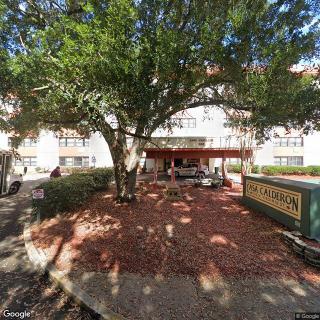


 Skilled Nursing Facilities vs. Nursing Homes: Making Sense of the Differences
 A Detailed Examination of Nursing Home Costs Across the U.S.
 Exploring Nonmedical Home Care: Understanding Services, Costs, and Financial Approaches