Canterfield of Tallahassee offers competitive pricing for its various room types, catering to the needs of residents while differing slightly from local and state averages. The semi-private room is priced at $3,600 per month, which is notably lower than Leon County's average of $3,837 but higher than the state average of $3,009. For those considering studio accommodations, Canterfield's monthly rate stands at $3,650 - again more affordable than Leon County's average of $4,014 yet surpassing Florida's state average of $3,823. Finally, the one-bedroom option is set at $4,400 per month, positioning it above both Leon County's average of $3,853 and Florida's overall average of $3,864. These figures illustrate that while Canterfield provides an attractive range of options for potential residents, it strikes a unique balance between local market rates and quality services offered within its community.
Floor plans
Canterfield of Tallahassee
Leon County
Florida
Semi-Private
$3,600
$3,837
$3,009
Studio
$3,650
$4,014
$3,823
1 Bedroom
$4,400
$3,853
$3,864
Memory care communities with a similar price nearby
Some tours reported a strong sewage smell that affected the experience.
Two reviewers described walking into the community and encountering an intense sewage-like odor. One said the staff treated it like it was normal or ignored it during the tour. Another said the smell was strong enough to cause eye watering and that the source wasn’t addressed during the visit. These accounts directly conflict with other mentions of the facility being clean.
common5 reviews mention this
Clean, brand-new condition is noticed
Multiple reviewers emphasized the facility looks very clean and well kept.
Several reviewers pointed to cleanliness as a reason they felt comfortable, including comments that the building was new and appeared spotless. Others described the rooms and common areas as clean, including being “immaculate.” At least one reviewer also said the facility was kept up well during their visit. Taken with the positive care impressions in other reviews, cleanliness seems to be a consistent part of the day-to-day experience for many families.
common2 reviews mention this
Dining quality gets mixed mentions
Reviews include at least a couple positive notes about meals.
One reviewer said the food was very good after eating there twice. Another said their loved one’s meals were pretty good and referenced a chef meeting about meal prep and preferences. At the same time, other reviews described the food less favorably, so dining may vary by situation or taste.
caveat3 reviews mention this
Value and discounted pricing noted
Some reviewers mentioned pricing as a reason to stay cautious or feel value.
One reviewer questioned the “discounted pricing” and advised doing due diligence rather than relying on the cost. Another reviewer said the value for money was good after their loved one had been there for a few months. A third comment in a similar vein also tied pricing to their overall confidence in the community. With pricing set across multiple room types, prospective residents may want to compare the range to what families say they experienced during the stay.
caveat3 reviews mention this
Management professionalism is criticized
Multiple reviews criticized management and communication behavior.
Some reviewers said administration was difficult to reach and that feedback was met poorly. Another reviewer described broader management concerns, including difficulties obtaining medical records and feeling that internal issues were not addressed before they left. Separately, one person felt they were not welcomed during an in-person visit due to how they were treated by administration. These concerns are a recurring theme alongside otherwise positive comments about staff care and friendliness.
How we summarize
Counts show how many written reviews mention each theme; a review can touch several themes, and only frequently mentioned themes are displayed.
Features
Housing
100 resident community capacity
1-bedroom apartments
2-bedroom apartments
Types of Care
Assisted Living
Independent Living
Memory Care
Pets
Cats allowed
Dogs allowed
Amenities
Activities on-site
Air-conditioning
Beautician on-site
Beauty salon
Cable or satellite TV
Cafe
Computer center
Devotional services on-site
Dining room
Fitness room
Fully furnished
Gaming room
Garden
Ground floor units
Handicap accessible
Housekeeping services
Indoor common areas
Kitchenette
Move-in coordination
Outdoor common areas
Outdoor space
Private bathrooms
Respite or short term stays offered
Restaurant-style dining
Small library
Telephone
Wellness center
Wi-Fi/high-speed internet available
Transportation
Tallahassee Regional (6 miles away)
Community operated transportation
Transportation & parking
Transportation arrangement
Transportation arrangement (non-medical)
Transportation to doctors appointments
Care Services
12-16 hour nursing
24-hour call system
24-hour supervision
Activities of daily living assistance
Ambulatory care
Assistance with bathing
Assistance with dressing
Assistance with transfers
Diabetes diet
Diabetic care
Incontinence care
Meal preparation and service
Medication management
Mental wellness program
Mild cognitive impairment
Special dietary restrictions
Specialized memory care programming
Dining
Diabetes diet
Guest meals
Kosher
Low / no sodium
Meals provided
No Sugar
Professional chef
Restaurant style dining
Room service
Special dietary restrictions
Special dining programs
Vegetarian
Activities
Art classes
Community-sponsored activities
Concierge services
Day trips and outings
Devotional activities on-site
Educational speakers / life long learning
Fitness programs
Forever fit
Happy hour
Karaoke
Live dance or theater performances
Live musical performances
Live well programs
Planned day trips
Resident-run activities
Scheduled daily activities
Stretching classes
Wine tasting
Yoga / chair yoga
Languages Spoken
English
Nearby Places of Interest
This part of Tallahassee, Florida, offers a convenient and diverse array of amenities for seniors looking to settle down in the area. With several pharmacies including CVS and Walgreens nearby, accessing necessary medications and healthcare products is easy. There are also various dining options such as Wendy's, McDonald's, and Sakura Japanese Sushi & Grill for those looking to enjoy a meal out. Additionally, there are multiple physicians' offices including Patients First and Neighborhood Medical Center within close proximity for medical care. Places of worship like Saint Paul's United Methodist Church provide spiritual support, while cafes like Canopy Road Cafe and Starbucks offer socializing opportunities. Parks like Lafayette Park and Cascades Park provide recreational spaces for outdoor activities, while theaters like AMC Tallahassee Mall 20 offer entertainment options. Hospitals like Tallahassee Memorial Hospital Women's Pavilion are also easily accessible for any healthcare needs. Overall, this part of Tallahassee provides a well-rounded community with convenient access to essential services for seniors looking to relocate.
Pharmacies
CVS Pharmacy (0.1 miles)
Walgreens (0.8 miles)
Walgreens (1.2 miles)
Stewart's Pharmacy (1.6 miles)
CVS Pharmacy (2 miles)
Winn-Dixie (2 miles)
Walgreens (2.1 miles)
Restaurants
Wendy's (0.2 miles)
McDonald's (0.3 miles)
Sonic Drive-In (0.3 miles)
El Jalisco (0.4 miles)
Sakura Japanese Sushi & Grill (0.5 miles)
Chick-Fil-A (0.6 miles)
IHOP (0.6 miles)
Physicians
Patients First (0.2 miles)
Ness & Kelch (0.6 miles)
Integrative Healthcare (0.7 miles)
Dr Swiney's Office (0.8 miles)
Neighborhood Medical Center (1.1 miles)
Tallahassee Pediatrics (1.1 miles)
Gynecology And Obstetr (1.2 miles)
Places of Worship
Saint Paul's United Methodist Church (0.2 miles)
New Mt Zion Ame Church (0.9 miles)
Easthill Baptist Church (1 miles)
Co-Cathedral of St Thomas More (1.6 miles)
Cafes
Canopy Road Cafe (0.2 miles)
Starbucks (0.7 miles)
Sweet Pea Cafe (0.9 miles)
Starbucks (1.5 miles)
Fresh Food Company (1.9 miles)
Sweet Shop Cafe & Lounge (1.9 miles)
Starbucks (2 miles)
Parks
Lafayette Park (0.8 miles)
Cascades Park (2.2 miles)
San Luis Mission Park (2.4 miles)
Tom Brown Park (2.5 miles)
Theaters
AMC Tallahassee Mall 20 (0.9 miles)
Student Life Cinema (2 miles)
Hospitals
District 2 medical examiners office at TMH (1.3 miles)
Tallahassee Memorial Hospital Women's Pavillion (1.3 miles)
Canterfield of Tallahassee offers competitive pricing for its various room types, catering to the needs of residents while differing slightly from local and state averages. The semi-private room is priced at $3,600 per month, which is notably lower than Leon County's average of $3,837 but higher than the state average of $3,009. For those considering studio accommodations, Canterfield's monthly rate stands at $3,650 - again more affordable than Leon County's average of $4,014 yet surpassing Florida's state average of $3,823. Finally, the one-bedroom option is set at $4,400 per month, positioning it above both Leon County's average of $3,853 and Florida's overall average of $3,864. These figures illustrate that while Canterfield provides an attractive range of options for potential residents, it strikes a unique balance between local market rates and quality services offered within its community.
The 24-hour supervision at Canterfield of Tallahassee ensures that residents are supported at all times, fostering a sense of safety and security essential for individuals coping with dementia or Alzheimer's. Assistance with activities of daily living, including bathing and dressing, promotes dignity while helping residents maintain personal hygiene and appearance, which can significantly contribute to their overall well-being. Transfers are managed carefully to prevent falls and ensure comfort, while incontinence care is handled with sensitivity to protect residents' dignity. Nutritional needs are addressed through meal preparation and service tailored to individual preferences, promoting proper nutrition which can affect cognitive function. Medication management is provided meticulously to ensure adherence to health regimens without confusion. The mental wellness program encourages cognitive engagement, while specialized memory care programming offers structured activities designed specifically for those experiencing mild cognitive impairment or more advanced stages of dementia, allowing residents to thrive in an environment that respects their unique challenges and celebrates their abilities.
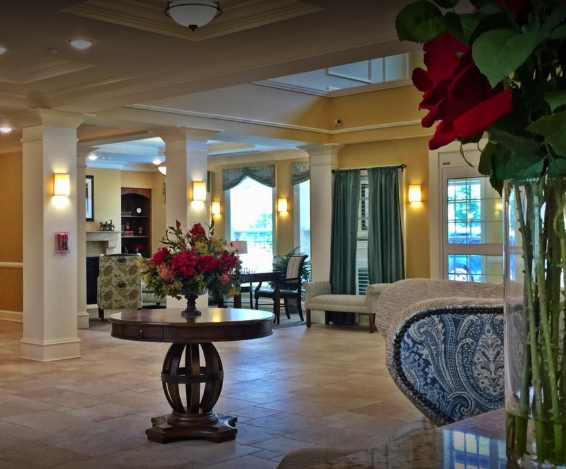
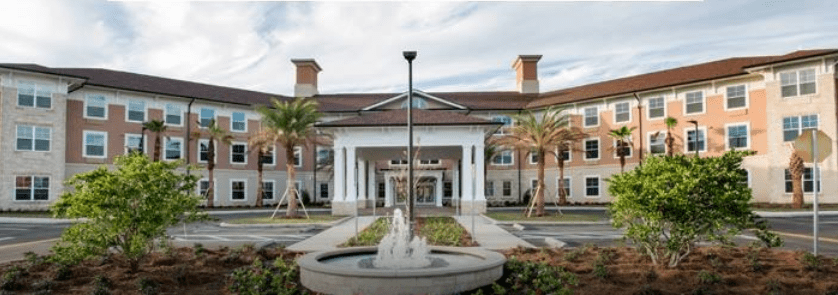
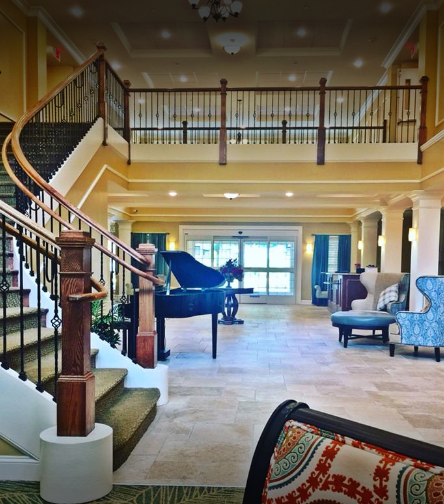
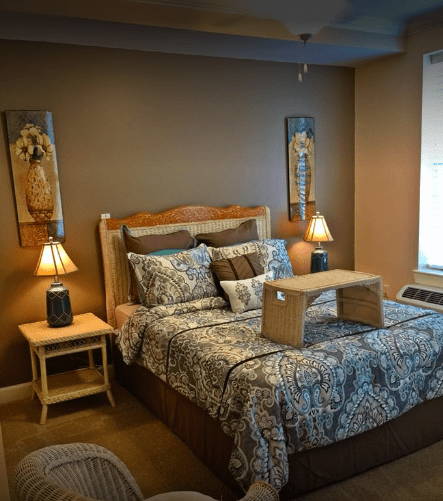
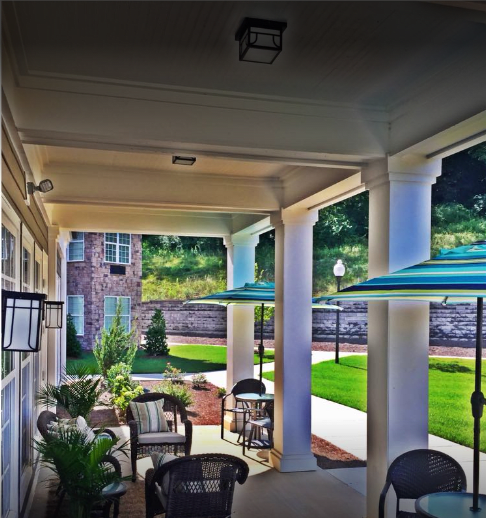
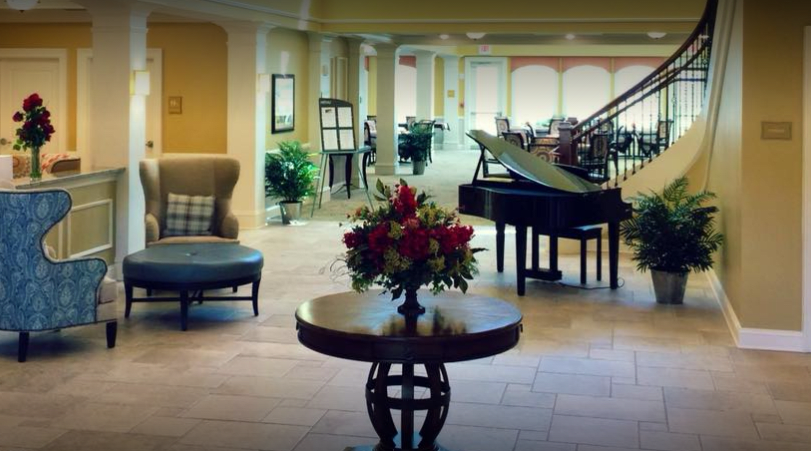
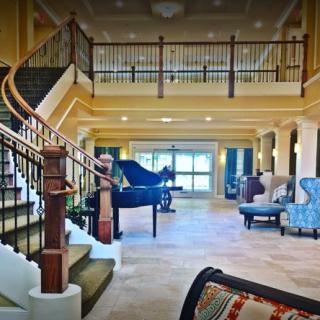
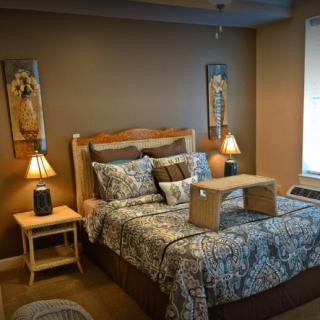
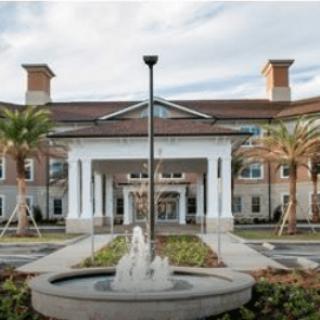
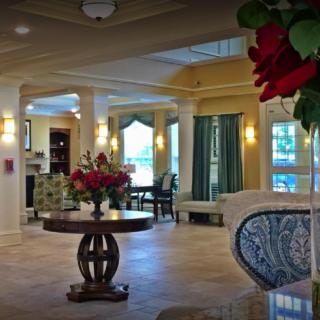
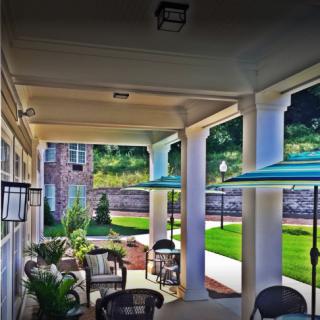
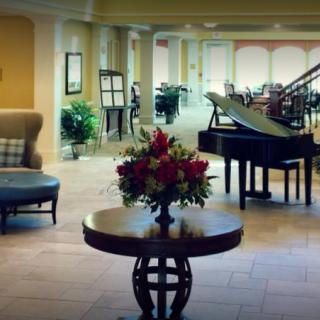
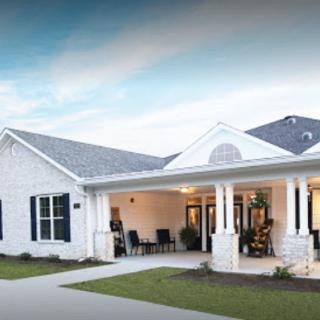
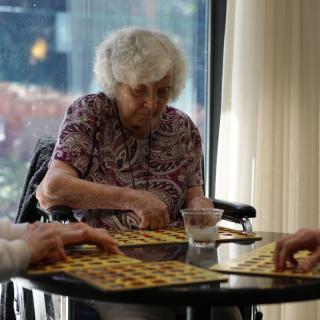
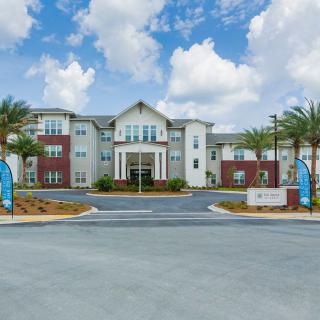
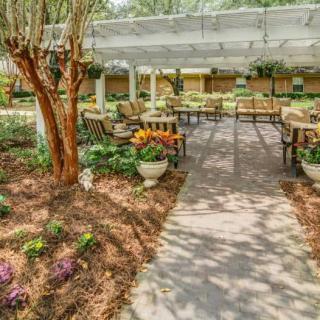
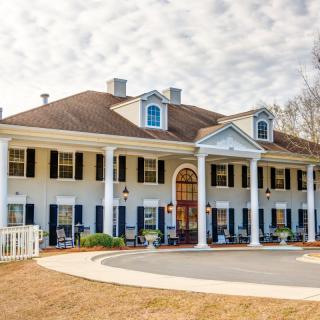
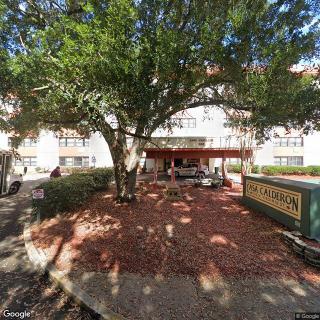
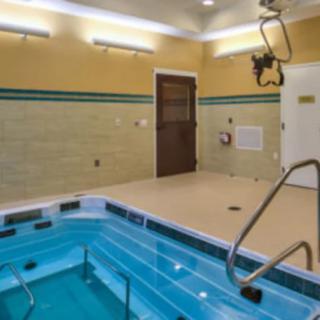
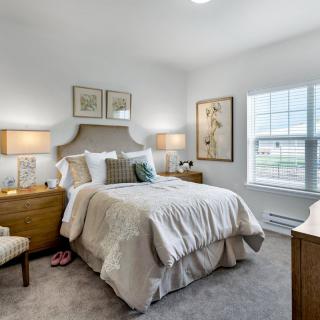
Canterfield of Tallahassee on seniors.fyi includes 7 photos including images showing interior, lobby, decor, architecture, landscaping, piano, bedroom, palm trees, and more.
Nearby Communities
HarborChase Of Tallahassee
Tallahassee, FL
3.7 from 30 reviews
$4,595 to $5,495 / month
Clean, well-maintained facility with a small, home-like layout, friendly staff, good meals, and competitive pricing.
Tapestry Senior Living Lakeshore
Tallahassee, FL
4.5 from 110 reviews
$3,240 to $4,650 / month
Welcoming, active community with engaging staff and on-site amenities.
Miracle Hill Nursing & Rehabilitation Center
Tallahassee, FL
3.4 from 44 reviews
Compassionate staff and engaging activities
Tallahassee Memorial Hospital Extended Care
Tallahassee, FL
4.1 from 13 reviews
Strong rehab therapy and compassionate staff.
Casa Calderon Apartments
Tallahassee, FL
3 from 9 reviews
Strong access to healthcare, dining, and social venues nearby.
Superior Residences Inc
Tallahassee, FL
3.1 from 37 reviews
Close to numerous amenities and healthcare options.
Centre Pointe Health And Rehab Center
Tallahassee, FL
3.3 from 124 reviews
Caring therapists and updated environment with private rooms.
Mulligan Park Gracious Retirement Living
Tallahassee, FL
4.7 from 68 reviews
Beautiful, well-maintained community with spacious apartments and varied activities.
Sodalis Tallahassee Memory Care
Tallahassee, FL
2.5 from 2 reviews
Calm atmosphere with seemingly caring staff and a convenient location for visitors.
Memory care activities are essential for improving the quality of life of seniors with cognitive impairments, as they stimulate cognitive function, promote well-being, and encourage social interaction through tailored strategies. These activities combine structured exercises with spontaneous tasks, sensory engagement, physical workouts, creative pursuits, and intergenerational interactions to enhance emotional connection and a sense of purpose.
Transitioning from assisted living to memory care is driven by an individual's cognitive decline and specific needs, requiring careful evaluation of indicators like increased confusion and wandering. The process involves consulting medical professionals, researching suitable communities, considering financial and legal aspects, and ensuring effective communication for personalized care plans.
The article differentiates between assisted living and memory care, explaining that assisted living supports seniors with daily activities while promoting independence, whereas memory care provides specialized services for individuals with dementia, focusing on secure environments and cognitive support. It also addresses staff training, safety considerations, costs, family involvement, and transition strategies for families navigating these care options.
Get PricingAsk A QuestionSchedule A TourContact Senior Advisor
By clicking submit, you agree to our Partner's Terms of Use. You
also consent to receive calls and texts, which may be autodialed, from our Partner. Your consent is not a condition to
using our Partner's service. Please visit our Partner's Privacy Policy for information about their privacy practices.

 100 resident community capacity
 1-bedroom apartments
 Assisted Living
 Independent Living
 Memory Care
 Cats allowed
 Dogs allowed
 Activities on-site
 Air-conditioning
 Beautician on-site
 Cable or satellite TV
 Cafe
Cafe Computer center
 Devotional services on-site
 Dining room
 Fitness room
 Fully furnished
 Gaming room
 Garden
 Ground floor units
 Handicap accessible
 Housekeeping services
 Indoor common areas
 Kitchenette
 Move-in coordination
 Outdoor common areas
 Private bathrooms
 Respite or short term stays offered
 Restaurant-style dining
 Small library
 Telephone
 Wellness center
 Wi-Fi/high-speed internet available
 Tallahassee Regional (6 miles away)
 Community operated transportation
 12-16 hour nursing
 24-hour call system
 Ambulatory care
 Assistance with bathing
 Assistance with dressing
 Assistance with transfers
 Diabetes diet
 Diabetic care
 Incontinence care
 Medication management
 Mental wellness program
 Special dietary restrictions
 Art classes
 Concierge services
 Day trips and outings
 Educational speakers / life long learning
 Happy hour
 Karaoke
 Live dance or theater performances
 Live musical performances
 Wine tasting
 English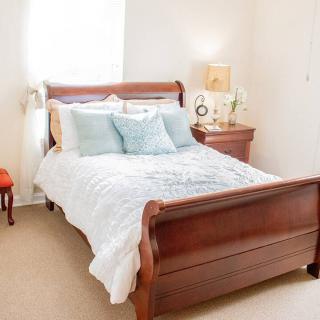
 Clean, well-maintained facility with a small, home-like layout, friendly staff, good meals, and competitive pricing.



 Engaging Memory Care Activities That Enhance Quality of Life
 When to Transition from Assisted Living to Memory Care: Key Indicators, Steps, and Finding the Right Community
 Understanding the Distinctions: Assisted Living and Memory Care Explained