
1634 South Kanner Highway, Stuart, FL 34994
For more information about senior living options: (866) 208-4318
Overall Review of Amore At Kanner Highway
Pros
 The staff at Amore Dementia are deeply caring individuals who truly look out for the residents.
- They are engaged and involved with every resident, showing abundant love and attention.
- The team is committed to providing the best possible experience for all residents.
- They communicate with families and respect their wishes regarding care decisions.
- They provide compassionate support during difficult times and stand by families when a loved one passes.
- Since moving to Amore in Stuart, residents have been re-evaluated and shown improvements in lucidity, eating, and walking.
Cons
 Amore Dementia Care was shut down due to administration mismanagement.
- The facility did not communicate with the family and kept them from being informed.
- The memory care facility in Miami overmedicated her, leaving her with no quality of life.
- No nursing home would accept her because she could walk.
Review
Amore at Kanner Highway in Stuart is best suited for families seeking a dementia-focused community that feels intimate, highly engaged, and quietly confident in its caregiving. This is a setting where staff know residents individually, monitor day-to-day changes closely, and partner with families to adjust care plans as cognition and needs shift. It works best for families who want to stay actively involved in decisions, want transparent communication, and prefer a campus where memory care is the core mission rather than an add-on to a broad assisted living program. In short, it serves as a practical, hands-on home for seniors whose dementia requires attentive supervision and a caregiving culture built on connection and consistency.
Those who may want to consider alternatives include families with higher medical acuity or those seeking a larger, more clinical operation with hospital-style nursing coverage. The brand history carries a cautionary note: a related Amore dementia facility experienced administration mismanagement and was shut down. While that episode may not reflect the Stuart location’s current operations, it highlights the importance of governance, accountability, and clear escalation paths. If a family’s comfort hinges on a system with steep nurse-to-resident ratios, broad on-site specialty services, or less hands-on family involvement, a different model could be more suitable.
The strongest pros lie in the daily reality families experience: exceptionally caring staff who are actively involved with each resident, genuine warmth that translates into steady, reassuring routines, and a demonstrated willingness to weave family input into care decisions. Families repeatedly describe staff as loving and engaged, producing a sense of safety for both resident and family. The ability to be an active participant in care planning, rather than a distant observer, matters deeply in dementia care, and Amore Stuart appears to deliver on that front with visible dedication and personal attention.
In terms of clinical impact, the facility’s approach to medication management stands out. Within the narratives, residents have benefited from re-evaluation and adjustment of medications, leading to improved alertness, better eating, and steadier mobility. The transformation of a resident who previously struggled with lucidity into a more engaged, capable individual demonstrates that the team can recalibrate care to respond to evolving needs. The combination of timely medical oversight and consistent emotional support creates a powerful offset to the risks many families fear when dementia progresses.
The human-centered care model is complemented by reliability in communication. Families report ongoing contact, openness to discuss concerns, and a willingness to honor wishes about care changes and end-of-life choices. This is not a place where information goes missing or decisions get made behind closed doors; it is a culture where families feel seen, heard, and prepared for the road ahead. While no setting is perfect and governance history warrants examination, the practical experience described in these reviews points to a community that prioritizes stability, compassion, and a measurable quality-of-life dividend for residents and their loved ones.
For families weighing options, the decision comes down to alignment with dementia-specific priorities and tolerance for governance risk. Amore at Kanner Highway is a strong candidate for those who want an intimate, family-centered memory-care environment with engaged caregivers, meaningful daily engagement, and adaptable medication management. If comfort rests on a pristine, large-scale operation with minimal family involvement, or if governance stability is a non-negotiable criterion, alternatives should be explored. Visit with the staff, ask to speak with current family members, review how communication is handled around care changes, and confirm the facility’s current leadership and licensing status before making a commitment. This community can deliver tangible peace of mind when its strengths match the family’s practical needs and expectations.
 38 resident community capacity
 Assisted Living
 Respite Care
 Beauty salon
 Cable or satellite TV
 Dining room
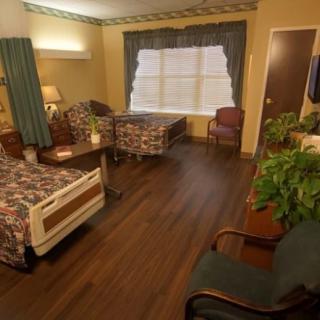
 Fully furnished
 Garden
 Housekeeping services
 Kitchenette
 Move-in coordination
 Outdoor space
 Restaurant-style dining
 Small library
 Telephone
 Wi-Fi/high-speed internet available
 24-hour call system
 Activities of daily living assistance
 Assistance with bathing
 Assistance with dressing
 Assistance with transfers
 Diabetes diet
 Medication management
 Mental wellness program
 Special dietary restrictions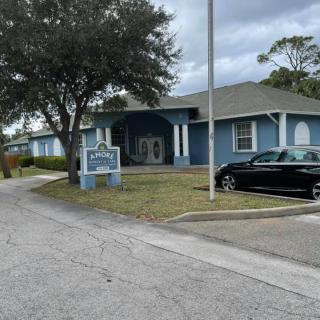




 Funding and Affording Assisted Living: A Thorough Overview
 Assisted Living Expenses and Long-Term Care Insurance: A Comprehensive Exploration
 Securing Financial Support for Assisted Living: A Comprehensive Overview