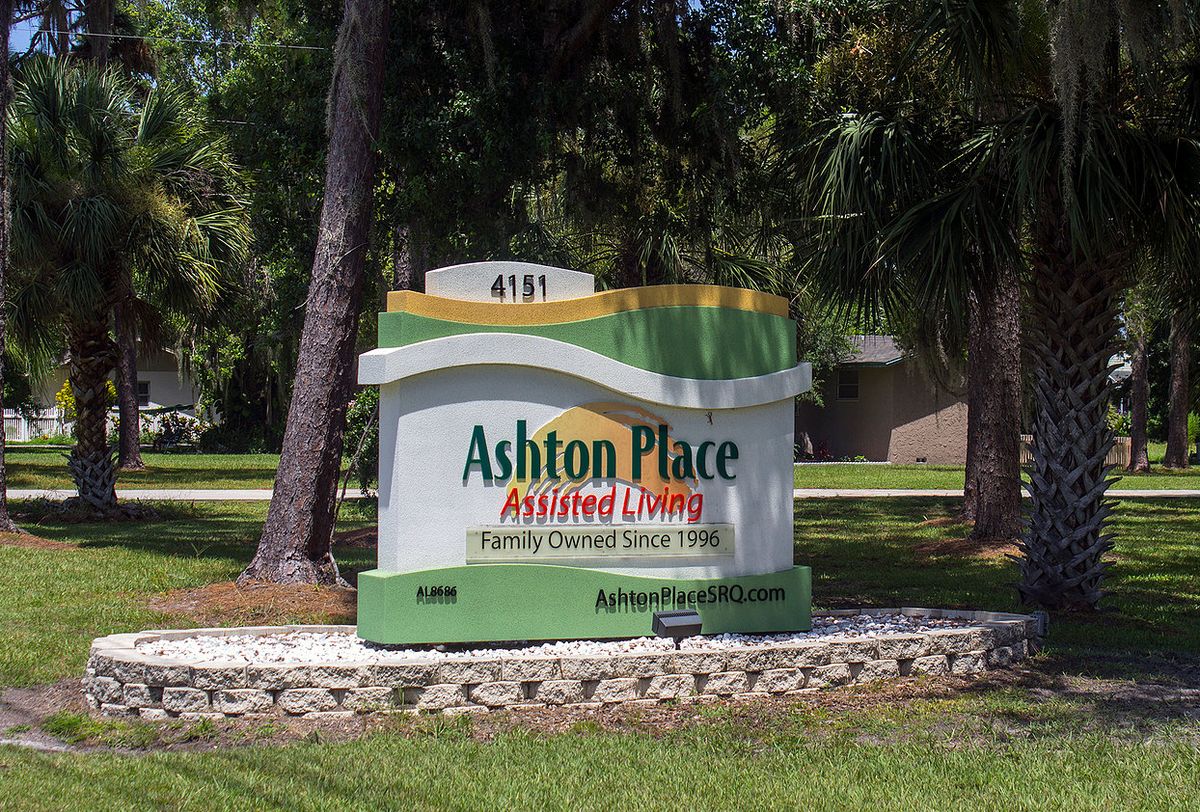
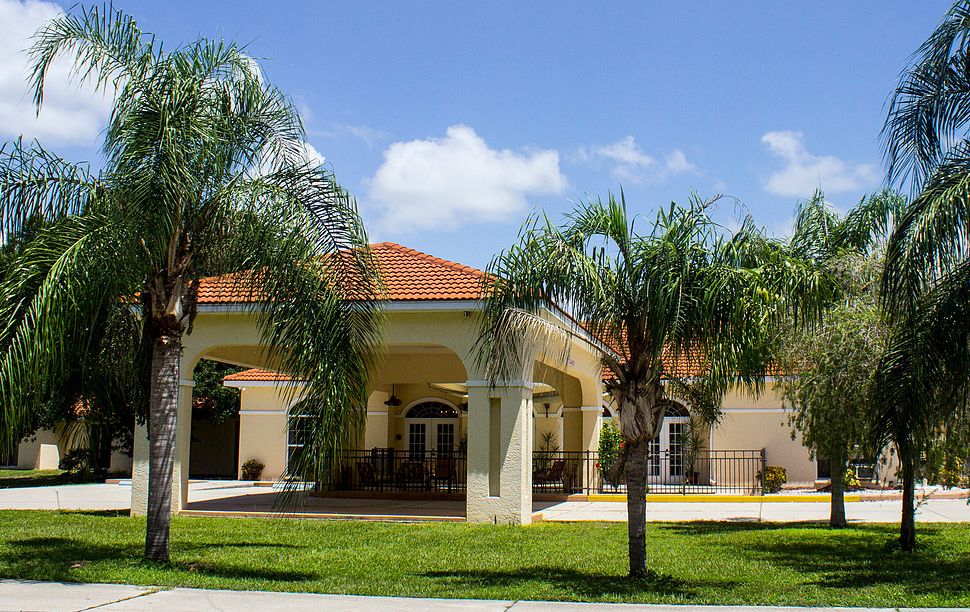
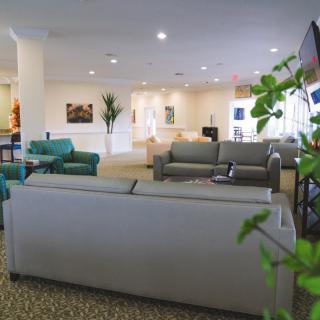
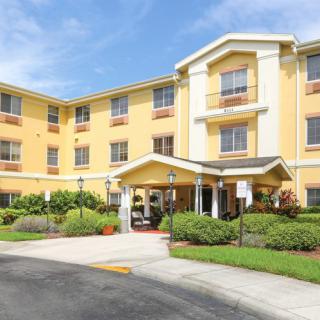
Ashton Place in Sarasota, FL

Save
Ashton Place Ashton Place Ashton Place

Ashton Place in Sarasota, FL

Information last verified:

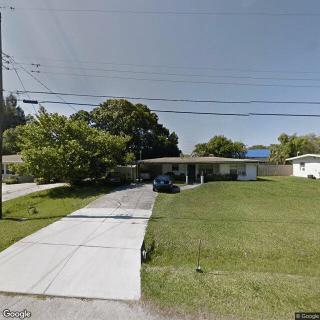
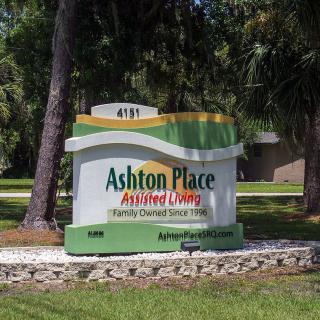
4151 Ashton Road, Sarasota, FL 34233

For more information about senior living options: (844) 490-3973

4.7 from 61 reviews
5 stars
52
4 stars
5
3 stars
0
2 stars
2
1 stars
2

Seniors.FYI Elite Community Awards

Top 5% Senior Living Community in 2017Top 5% Senior Living Community in 2018

Add this award to your website

Ashton Place Costs & Pricing

Ashton Place offers competitive pricing for its accommodations when compared to local and state averages. For a semi-private room, residents enjoy a monthly rate of $2,500, significantly lower than the Sarasota County average of $3,456 and the Florida state average of $3,009. Similarly, those opting for a studio can take advantage of Ashton Place's monthly fee of $3,200, which is more affordable than both the county's average of $4,040 and the state's average of $3,823. This pricing structure underscores Ashton Place's commitment to providing quality living options that are not only budget-friendly but also conducive to a comfortable lifestyle.

Floor plansAshton PlaceSarasota CountyFlorida
Semi-Private$2,500$3,456$3,009
Studio$3,200$4,040$3,823

Overall Review of Ashton Place

Pros

  • pro Ashton Place staff are caring and treat residents like family, going above and beyond to create a true community.
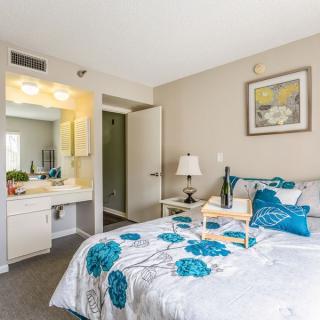
  • pro The facility is consistently clean, well maintained, and feels like a warm, home-like environment.
  • pro Paul Finerty, the owner, is frequently on site and personally engages with residents.
  • pro Caregivers and med techs are cheerful, loving, energetic, and attentive to residents’ needs.
  • pro Residents enjoy daily activities and experience a genuine sense of belonging and social engagement.
  • pro The care focuses on both physical and emotional wellbeing, giving families peace of mind.
  • pro The meals are good with thoughtful accommodations and variety for residents’ preferences.
  • pro Ashton Place offers a private, intimate setting where personalized attention is readily available.
  • pro Families repeatedly express gratitude and confidence in the care provided.
  • pro The cost of care is described as reasonable for the level of personalized service received.

Cons

  • pro They would not recommend Ashton Place to anyone.
  • pro The reviewer described Ashton Place as older, not quite as clean, and closer to a nursing home than an assisted living facility.
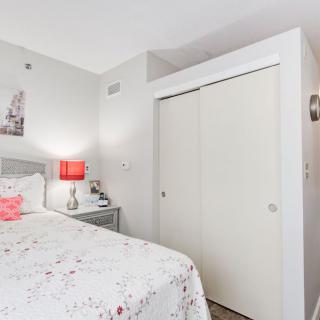
  • pro The rooms were quite small.
  • pro Ashton Place is not large, nor is it new or fancy.

Review

Ashton Place in Sarasota is best suited for families who want a small, family-owned, hands-on assisted living experience where the owner and a stable team are almost always present, and residents are treated like part of a caring clan. This community excels for seniors who need daily assistance but still prioritize a homey, intimate setting over the glare of a large, corporate campus. With roughly four dozen residents spread across a one-floor, low-traffic footprint, Ashton Place affords reliable staffing, personal attention, and a sense of continuity many families crave after a transition from home care. The combination of an ECC-licensed operation, private and semi-private rooms, and a layout that emphasizes easier navigation translates into safer mobility and more consistent staff-resident interaction. In practice, the real value here is the pledge that each resident is known by name, with staff who anticipate needs and owners who make themselves available rather than retreat behind a front desk.

Families weighing alternatives should recognize Ashton Place may not be the right fit for those chasing the latest amenities, expansive campuses, or aggressively programmed social life. It is not a glossy showpiece; the building is older, and some rooms and common areas reflect a modest, “home first” design rather than boutique resort styling. Prospective residents who desire high-tech rehab suites, sophisticated fitness centers, or a bustling calendar of high-energy events may be disappointed. A few reviewers note that the facility feels more like a warm, traditional home than a chic retirement complex, and there are mentions of cooler dining rooms and limited climate control in older spaces. For residents whose needs skew toward advanced skilled nursing or highly specialized memory-care programming, larger operators with dedicated dementia wings or formalized clinical pathways could offer a more robust menu of services.

The strongest positives, owner presence, a genuinely caring staff, and a culture of family-like engagement, are the keys that offset several potential drawbacks. The owner, Paul, and his team are consistently described as hands-on, accessible, and devoted to the well-being of residents. Families repeatedly report that care partners and nurses know residents well, monitor health proactively, and respond quickly to requests. The intimate setting permits meaningful daily interactions, from cheerful conversations with caregivers to individualized attention during routines like bathing or dressing. Cleanliness and a sense of safety are notable strengths, with residents enjoying bright, comfortable rooms and multiple dining areas that allow for help-at-meal service or independent dining. The care model also supports emotional health: residents commonly report feeling valued, socially connected, and less isolated than they were at prior placements, a benefit echoed by families who sleep easier knowing their loved ones are in a place that treats well-being as a daily practice.

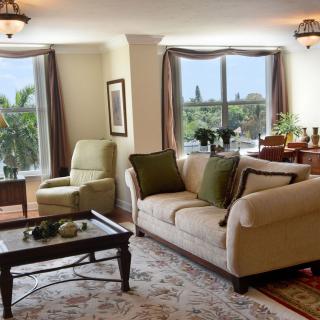
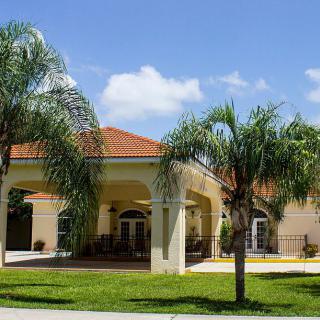
Programming and daily life at Ashton Place reinforce the homey feel while delivering practical support. The facility’s design, one level, accessible to wheelchairs, with inviting common spaces such as a sunroom, a large living room with piano, and outdoor patios, facilitates both passive and active engagement. Residents participate in a steady rhythm of activities, from music and crafts to group games and outings, with staff who take time to tailor plans to individual preferences. Dining is organized to accommodate varying levels of assistance, and the kitchens reportedly go above and beyond to honor dietary likes and dislikes. The presence of multiple dining rooms underscores a practical aim: residents who need help at meals can receive it without sacrificing the chance to socialize over a shared table. For families seeking a warm, active community where caregiving feels like a calling, the daily lived experience at Ashton Place often aligns with expectations.

Yet, no community is without potential drawbacks, and a candid reading includes some cautionary notes. Several observations point to Ashton Place’s age and size: the building is not new, and some residents may feel the environment is closer to a traditional home or even a small nursing-type setting rather than a modern, resort-like ALF. Temperature control in rooms can be uneven, and dining areas may feel chilly at times. A minority of reviews mention periods when activity levels felt uneven or when the perceived activity calendar did not meet every resident’s hopes for excitement. There is also one outlier remark signaling dissatisfaction; in any community this size, a single negative experience reflects a misalignment between expectations and delivery, rather than a systemic failure. Overall, the cons tend to be outweighed by the core strengths, personalized care, staff dedication, and a sense of belonging.

In deciding for Ashton Place, families should assess fit against three practical criteria: first, the resident’s care needs and desired level of daily assistance; second, the importance of a highly personal, hands-on owner-led culture; and third, tolerance for a quieter, more intimate environment with occasional aging-structure quirks. If the goal is a warm, trustworthy home where the owner and staff know residents well, routinely communicate with families, and keep the focus on quality of life, Ashton Place delivers exceptionally well. If, however, the priority is cutting-edge amenities, a broader social calendar with frequent high-energy events, or access to expansive on-site therapies and newer architectural finishes, it makes sense to explore alternatives. For many families, the decision comes down to a simple verdict: this is a rare, genuinely caring small community that can sustain a high level of daily humanity, even if it requires a shift away from the polish of newer facilities.

Features

Housing

  • 44 resident community capacity 44 resident community capacity
  • Studio apartments Studio apartmentsStudio apartments are important for seniors because they offer a smaller, more manageable living space that is easier to navigate and maintain as physical abilities decline. Additionally, studio apartments provide seniors with independence and privacy while still being part of a community that offers support and social opportunities.

Types of Care

  • Assisted Living Assisted LivingAssisted living facilities provide crucial support and care for seniors who may need help with daily tasks such as medication management, bathing, and meal preparation. These communities offer a safe and comfortable environment where seniors can maintain their independence while receiving the assistance they need to thrive in their golden years.
  • Memory Care Memory CareMemory care is crucial for seniors as it provides specialized support and services for individuals with dementia or Alzheimer's disease. These programs offer a safe and secure environment where residents receive personalized care, cognitive stimulation, and help with daily activities. Memory care helps seniors maintain their independence, quality of life, and dignity while also providing peace of mind for their families.
  • Respite Care Respite CareRespite care provides temporary relief for caregivers, allowing them to recharge and attend to their own needs. It also gives seniors the opportunity to socialize, receive professional care, and experience a change of scenery, promoting overall well-being and reducing feelings of isolation.

Pets

  • Dogs allowed Dogs allowed"Pet friendly" senior living communities are important for seniors because pets provide companionship, reduce feelings of loneliness and depression, promote physical activity and mental stimulation, and offer a sense of purpose and responsibility. Pets can improve overall well-being and quality of life for seniors in many ways.

Amenities

  • Activities off-site Activities off-siteEngaging in off-site activities is crucial for seniors to maintain social connections, stay active, and stimulate their minds. It promotes overall well-being and helps combat feelings of isolation and loneliness.
  • Activities on-site Activities on-siteActivities on-site are important for seniors because they provide opportunities for socialization, mental stimulation, physical activity, and overall well-being. Engaging in activities can help seniors stay active, maintain their independence, and improve their quality of life.
  • Air-conditioning Air-conditioningAir conditioning is important for seniors as they are more vulnerable to heat-related illnesses and may have underlying health conditions that make it difficult for them to regulate their body temperature. It helps to keep them comfortable, safe, and healthy in hot weather.
  • Beautician on-site Beautician on-siteHaving a beautician on-site at a senior living community is important for seniors as it allows them to easily access grooming and personal care services, boosting their self-esteem and overall well-being. It also provides convenience and helps seniors maintain their sense of independence and personal style.
  • Beauty salon Beauty salonBeauty salons are important for seniors because they provide a space for them to feel pampered, socialize, and maintain their personal grooming and hygiene. Regular visits to a beauty salon can help boost seniors' self-esteem and overall well-being.
  • Cable or satellite TV Cable or satellite TVCable or satellite TV is important for seniors because it provides entertainment, news, and companionship, helping to combat loneliness and boredom. It also offers a wide range of programming options tailored to different interests and preferences.
  • Devotional services off-site Devotional services off-siteDevotional services off-site are important for seniors as they provide spiritual nourishment, social engagement, and a sense of community outside of the senior living facility. This can enhance overall well-being and help combat feelings of isolation and loneliness often experienced by older adults.
  • Devotional services on-site Devotional services on-siteDevotional services on-site provide seniors with spiritual support and a sense of community, as well as an opportunity for reflection and guidance during their senior living experience. This can promote emotional well-being and connection to others, leading to a more fulfilling and enriching lifestyle in their later years.
  • Dining room Dining roomDining rooms are important for seniors as they provide a space for socialization, connection, and nutritious meals. They offer opportunities for residents to bond over shared meals, foster a sense of community, and promote healthy eating habits. Dining rooms also ensure that seniors have access to well-balanced meals tailored to their dietary needs and preferences.
  • Fully furnished Fully furnishedFully furnished senior living communities are important for seniors because they provide convenience, comfort, and a hassle-free moving experience. Seniors can easily settle into their new living space without the stress of having to buy and move furniture. This allows them to focus on enjoying their new home and community.
  • Garden GardenGardens are important for seniors as they provide a peaceful and therapeutic environment for relaxation, physical activity, and socialization. Being in nature has been shown to reduce stress, improve mood, and promote overall well-being. Gardens also offer opportunities for seniors to engage in gardening activities, which can improve mobility, flexibility, and cognitive function. Additionally, gardens create a sense of community and connection with others who share a passion for plants and outdoor spaces.
  • Ground floor units Ground floor unitsGround floor units are important for seniors because they provide easy accessibility, reduced risk of falls and injuries, and convenience for those with mobility issues. Seniors can avoid climbing stairs or using elevators, making daily tasks and activities more manageable and enjoyable.
  • Handicap accessible Handicap accessible"Handicap accessible" amenities are crucial for seniors to ensure they can easily navigate and access facilities, services, and activities without barriers or limitations due to physical impairments. This promotes independence, safety, and inclusivity for seniors in senior living communities.
  • Housekeeping services Housekeeping servicesHousekeeping services are important for seniors because they help maintain a clean and safe living environment, promote independence, and reduce the risk of accidents or illnesses. Additionally, having assistance with household chores can alleviate physical strain and allow seniors to focus on other aspects of their well-being.
  • Indoor common areas Indoor common areasIndoor common areas are crucial for seniors as they provide a space for socialization, recreation, and community engagement, promoting overall well-being and reducing feelings of isolation and loneliness.
  • Kitchenette KitchenetteKitchenettes are important for seniors living in senior living communities because they provide the convenience and independence of being able to prepare simple meals and snacks in the comfort of their own living space. This can help promote a sense of autonomy and well-being for seniors, allowing them to maintain some level of control over their dietary choices and daily routines.
  • Laundry LaundryLaundry services are important for seniors as they may have difficulty with physical tasks such as bending, lifting, or carrying heavy loads. Having access to laundry services can help seniors maintain personal hygiene, cleanliness, and independence in their daily lives.
  • Move-in coordination Move-in coordinationMove-in coordination is important for seniors because it helps ease the transition into their new living environment. It ensures that all logistics, such as packing, organizing movers, and setting up utilities are taken care of, allowing seniors to focus on settling in and adjusting to their new home. Having a smooth move-in process can alleviate stress and anxiety, making the transition smoother and more enjoyable for seniors.
  • Outdoor common areas Outdoor common areasOutdoor common areas are important for seniors as they provide a space for socialization, physical activity, and relaxation. Being outside in nature can improve mood and overall well-being, while also encouraging movement and engagement with others. These spaces can help combat feelings of isolation and promote a sense of community among residents.
  • Outdoor space Outdoor spaceOutdoor spaces are important for seniors as they provide opportunities for physical activity, social interaction, exposure to natural light and fresh air, and a sense of connection to nature. Having access to outdoor spaces can improve overall well-being and quality of life for older adults living in senior communities.
  • Respite or short term stays offered Respite or short term stays offeredRespite or short term stays provide seniors with a temporary solution when their regular caregiver is unavailable, offering them the opportunity to receive additional care and support during times of need, while also giving caregivers a chance to rest and recharge.
  • Restaurant-style dining Restaurant-style diningRestaurant-style dining is important for seniors because it allows them to enjoy delicious, nutritious meals in a social and upscale setting. This enhances their dining experience, promotes healthy eating habits, and fosters socialization with fellow residents, ultimately contributing to their overall well-being and quality of life.
  • Small library Small librarySmall libraries are important for seniors as they provide access to a variety of reading materials, including books, newspapers, and magazines. This can help stimulate their minds, keep them engaged, and provide a sense of community through book clubs and other social activities. Additionally, reading has been shown to improve cognitive function and overall mental well-being in older adults.
  • Telephone TelephoneTelephones are important for seniors as they provide a lifeline for communication with loved ones, emergency services, and healthcare providers. They offer a sense of security and independence, enabling seniors to stay connected and access assistance when needed.
  • Wheelchair accessible showers Wheelchair accessible showersWheelchair accessible showers are crucial for seniors as they provide a safe and independent bathing option for those with mobility challenges. These showers help prevent falls and allow seniors to maintain their dignity and autonomy while ensuring they can bathe comfortably.
  • Wi-Fi/high-speed internet available Wi-Fi/high-speed internet availableWi-Fi/high-speed internet is important for seniors to stay connected with loved ones, access online resources, and participate in virtual activities to combat feelings of loneliness and isolation. It also allows them to easily manage healthcare needs, access entertainment, and engage in lifelong learning opportunities.

Transportation

  • Sarasota Bradenton International (9 miles away) Sarasota Bradenton International (9 miles away)
  • Transportation & parking Transportation & parkingTransportation and parking are vital for seniors as they offer access to essential services, activities, and social interactions. Reliable transportation options can help seniors maintain independence, stay connected within their community, and enjoy a higher quality of life. Additionally, convenient parking facilities ensure that seniors can easily access necessary resources and amenities without added stress or difficulty.

Care Services

  • 24-hour call system 24-hour call system24-hour call systems are important for seniors because they provide peace of mind and immediate assistance in case of emergencies. This technology ensures that help is always available, promoting safety and security for elderly individuals living alone or in assisted living facilities.
  • 24-hour supervision 24-hour supervision24-hour supervision is important for seniors to ensure their safety, well-being, and access to immediate assistance in case of emergencies or health issues. This constant support provides peace of mind for both seniors and their loved ones, allowing them to age in place with dignity and security.
  • Activities of daily living assistance Activities of daily living assistanceActivities of daily living assistance are important for seniors because they provide essential support with tasks such as eating, bathing, dressing, and mobility. This assistance helps seniors maintain their independence, dignity, and overall quality of life as they age.
  • Ambulatory care Ambulatory care"Ambulatory care services provide essential medical support and treatment to seniors without requiring hospitalization, allowing them to maintain their independence and quality of life while managing chronic conditions or receiving routine medical care."
  • Assistance with bathing Assistance with bathingAssistance with bathing is crucial for seniors as it helps maintain personal hygiene, prevents infections, and ensures their overall well-being and comfort. It also provides a sense of dignity and independence for seniors who may struggle with this task on their own.
  • Assistance with dressing Assistance with dressingAssistance with dressing is important for seniors because it helps maintain their independence, promotes personal hygiene, prevents accidents and injuries, and improves overall quality of life. This service ensures that seniors can continue to dress comfortably and confidently, despite any physical limitations they may have.
  • Assistance with transfers Assistance with transfersAssistance with transfers is crucial for seniors as it helps prevent falls and injuries, maintains their independence, and ensures they can safely navigate their living environment. It also provides peace of mind for both seniors and their loved ones.
  • Diabetes diet Diabetes dietA diabetes diet is crucial for seniors as it helps manage blood sugar levels, reduce risks of complications, and improve overall health and well-being. By following a balanced and nutritious diet tailored to their specific needs, seniors can better control their diabetes and enhance their quality of life.
  • Diabetic care Diabetic careDiabetic care is crucial for seniors as they are more susceptible to developing diabetes due to aging and other health conditions. Proper management of diabetes can help prevent complications such as heart disease, vision loss, and nerve damage, improving the overall quality of life for seniors in senior living communities.
  • Meal preparation and service Meal preparation and serviceMeal preparation and service are crucial for seniors as they may have limited mobility or energy to cook nutritious meals. Having access to healthy and convenient food options can ensure they are getting the proper nutrition needed to maintain their overall health and well-being.
  • Medication management Medication managementMedication management is crucial for seniors to ensure they are taking the right medications at the correct dosages and times. This helps prevent adverse drug interactions, reduces the risk of medication errors, and promotes overall health and well-being. Proactive management also allows for adjustments as needed based on changing health conditions or new prescriptions.
  • Mental wellness program Mental wellness programMental wellness programs are essential for seniors as they promote cognitive stimulation, emotional support, and social engagement. These programs help prevent isolation, depression, and cognitive decline, ultimately enhancing the overall quality of life for older adults.
  • Special dietary restrictions Special dietary restrictionsSpecial dietary restrictions are important for seniors because age-related changes in metabolism and health conditions can make it difficult for their bodies to process certain foods. By following a diet tailored to their specific needs, seniors can maintain their overall health and well-being, manage chronic conditions, and reduce the risk of complications such as malnutrition or food interactions with medications.
  • Walking wheelchair assistance Walking wheelchair assistanceWalking wheelchair assistance is vital for seniors as it helps them maintain their independence and mobility. It provides support and stability, allowing them to safely navigate their surroundings and engage in daily activities without fear of falling or injury. This assistance can significantly improve their quality of life and overall well-being.

Dining

  • Anytime dining Anytime diningAnytime dining is important for seniors because it allows them the flexibility to eat when they are hungry, rather than being restricted to set meal times. This can be especially beneficial for those with medical conditions or medications that affect their appetite, as well as those who may have difficulty adhering to a strict dining schedule. Overall, anytime dining promotes independence and overall well-being for seniors in senior living communities.
  • Diabetes diet Diabetes dietA diabetes diet is crucial for seniors as it helps manage blood sugar levels, reduce risks of complications, and improve overall health and well-being. By following a balanced and nutritious diet tailored to their specific needs, seniors can better control their diabetes and enhance their quality of life.
  • Guest meals Guest mealsGuest meals are important for seniors living in senior living communities because they provide an opportunity for socialization and companionship. Sharing a meal with friends, family, or new acquaintances can help combat feelings of loneliness and isolation, promote a sense of community, and enhance overall well-being. Additionally, guest meals allow seniors to enjoy delicious food in a comfortable setting without the hassle of cooking or cleaning up, making dining a pleasurable and stress-free experience.
  • Low / no sodium Low / no sodiumLow/no sodium options are important for seniors because excessive sodium intake can lead to high blood pressure, heart disease, and other health issues commonly experienced by older adults. By choosing low/no sodium foods, seniors can better manage their health and reduce their risk of developing these conditions.
  • Meals provided Meals provided"Meals provided" are crucial for seniors in assisted living communities as it ensures they have access to nutritious, balanced meals without the stress of meal planning and preparation. This can help promote overall health and well-being for seniors who may have limited mobility or cognitive abilities.
  • No Sugar No SugarNo sugar diets are important for seniors because they can help prevent or manage chronic conditions such as diabetes, heart disease, and obesity. Sugar can also contribute to cognitive decline and inflammation in the body, so reducing sugar intake can lead to overall improved health and well-being in older adults.
  • Room service Room serviceRoom service is important for seniors in a senior living community because it provides convenience and allows them to have their meals delivered directly to their room. This can be especially beneficial for seniors who may have mobility issues or difficulty accessing the dining area. Room service ensures that seniors are able to receive nutritious meals without having to navigate through the facility, allowing them to maintain their independence and overall well-being.
  • Special dietary restrictions Special dietary restrictionsSpecial dietary restrictions are important for seniors because age-related changes in metabolism and health conditions can make it difficult for their bodies to process certain foods. By following a diet tailored to their specific needs, seniors can maintain their overall health and well-being, manage chronic conditions, and reduce the risk of complications such as malnutrition or food interactions with medications.
  • Special dining programs Special dining programsSpecial dining programs are important for seniors because they provide nutritious meals tailored to their dietary needs and preferences. These programs also offer socialization opportunities, promote overall health and well-being, and can help prevent malnutrition.
  • Vegan VeganVegan diets can provide numerous health benefits for seniors, including lower risk of chronic diseases, improved digestion, and increased energy levels. Additionally, plant-based diets are often rich in essential nutrients that can support overall well-being and longevity in older adults.

Activities

  • Art classes Art classesArt classes are important for seniors because they provide a creative outlet, improve cognitive function, reduce stress and anxiety, promote socialization, and enhance overall well-being and quality of life.
  • Community-sponsored activities Community-sponsored activitiesCommunity-sponsored activities are important for seniors as they provide opportunities for social interaction, mental stimulation, and physical activity. These activities can help improve overall well-being, combat loneliness and isolation, and promote a sense of belonging and purpose among older adults.
  • Cooking classes Cooking classesCooking classes are important for seniors as they provide opportunities for social interaction, enhance cognitive skills, promote healthy eating habits, and boost confidence in the kitchen.
  • Day trips and outings Day trips and outingsDay trips and outings are important for seniors as they provide opportunities for socialization, mental stimulation, physical activity, and a break from daily routines. These experiences can enhance overall well-being and quality of life for older adults living in senior communities.
  • Devotional activities offsite Devotional activities offsiteDevotional activities offsite are important for seniors because they provide social engagement, spiritual growth, and a sense of community outside of their living environment. This can improve overall well-being, mental health, and combat feelings of isolation or loneliness.
  • Devotional activities on-site Devotional activities on-siteDevotional activities on-site provide seniors with a sense of community, spiritual fulfillment, and emotional support, promoting overall well-being and a positive sense of purpose in their lives.
  • Educational speakers / life long learning Educational speakers / life long learningEducational speakers and lifelong learning opportunities are crucial for seniors as they provide mental stimulation, promote social engagement, and contribute to overall well-being. Continuous learning helps seniors stay mentally sharp, build new skills, and maintain a sense of purpose and fulfillment in their lives. It also allows them to stay connected to the world around them and fosters a sense of community within senior living facilities.
  • Happy hour Happy hourHappy hour is important for seniors as it provides a social activity that promotes camaraderie and reduces feelings of loneliness or isolation. It also offers an opportunity for older adults to relax, unwind, and enjoy some drinks or snacks in a fun and welcoming atmosphere.
  • Live dance or theater performances Live dance or theater performancesLive dance or theater performances are important for seniors because they provide opportunities for socialization, mental stimulation, and emotional engagement. These performances can help combat feelings of isolation and loneliness, while also offering a sense of connection to the arts and culture. Additionally, watching live performances can bring joy and create lasting memories for seniors in their later years.
  • Live musical performances Live musical performancesLive musical performances can provide seniors with a sense of joy, nostalgia, and connection. Music has the power to evoke emotions and memories, improve mood and cognitive function, and foster social interaction among seniors. It can also serve as a form of therapy and stress relief for older adults, making it an important activity to include in senior living communities.
  • Religious services Religious servicesReligious services provide seniors with a sense of community, support, and spiritual fulfillment, which can improve their overall well-being and mental health. It also offers them opportunities for socialization and connection with others who share their beliefs.
  • Resident-run activities Resident-run activitiesResident-run activities are important for seniors as they encourage social interaction, creativity, and a sense of autonomy. These activities empower seniors to stay engaged and active in their community while fostering meaningful connections with their peers.
  • Scheduled daily activities Scheduled daily activitiesScheduled daily activities are important for seniors because they provide structure, socialization, mental stimulation, and physical activity. Engaging in regular activities can improve overall well-being and quality of life for seniors living in a community setting.
  • Stretching classes Stretching classesStretching classes are important for seniors because they help improve flexibility, reduce the risk of injury, and promote overall health and well-being. Regular stretching can also help alleviate joint pain and stiffness, enhance balance and coordination, and increase range of motion.
  • Wine tasting Wine tastingWine tasting can be a fun and social activity for seniors, allowing them to engage their senses, learn about different varieties of wine, and potentially meet new friends. It also offers health benefits such as improved cognitive function and reduced risk of heart disease when consumed in moderation.

Languages Spoken

  • English EnglishEnglish is important for seniors as it allows them to communicate effectively with healthcare providers, understand important information related to their health and medications, stay connected with loved ones, and engage in social activities within their communities. It also opens up opportunities for lifelong learning and intellectual stimulation.

Description

Ashton Place in Sarasota, FL is a vibrant assisted living community offering Memory Care and Respite Care services. Our residents enjoy a wide range of amenities to enhance their daily lives, such as on-site activities, air-conditioning, and a beauty salon with a beautician available. With cable or satellite TV and small libraries on site, there are ample opportunities for relaxation and entertainment.

Our community also offers various spaces for socializing and relaxation, including indoor common areas and outdoor spaces where residents can enjoy the beautiful garden. The fully furnished accommodations, ground floor units, and wheelchair accessible showers ensure comfort and convenience for all residents.

We take pride in providing exceptional care services to our residents 24/7. Our dedicated staff assists with activities of daily living and provides supervision round-the-clock. We offer ambulatory care as well as assistance with bathing, dressing, transfers, and walking wheelchair assistance. Medication management and specialized diabetes care are also provided to meet individual needs.

At Ashton Place, we understand the importance of nutritious meals tailored to specific dietary requirements. Residents can enjoy delicious meals prepared by our professional chefs that cater to diabetes diets, low/no sodium diets, special dietary restrictions, vegan diets, and more. Room service is available for added comfort.

Engaging activities are an essential part of life at Ashton Place. Residents can participate in community-sponsored activities such as cooking classes, day trips, educational speakers/life-long learning sessions, happy hours, live dance or theater performances, religious services, stretching classes,and wine tasting events.

Conveniently located near several amenities including cafes, parks, pharmacies,and restaurants; residents have easy access to daily necessities while still enjoying a peaceful environment.

With our commitment to exceptional care services and an enriching lifestyle for our residents through diverse amenities and engaging activities; Ashton Place is an ideal choice for those seeking a warm and comfortable assisted living community in Sarasota.

Nearby Places of Interest

This part of Sarasota, Florida, offers a variety of amenities and services that cater to senior living needs. With multiple physicians, pharmacies, and hospitals within close proximity, residents have easy access to medical care. There are also several restaurants and cafes nearby for dining options. The area boasts two parks for leisurely walks and enjoying the outdoors. Additionally, places of worship provide spiritual support for those seeking community involvement. The presence of a movie theater allows for entertainment options as well. Overall, this neighborhood provides a convenient and well-rounded environment for seniors looking to settle in the Sarasota area.

Physicians

  • Sarasota Wellness MD, Dana Fabiani MD (0.5 miles)
  • Paradise Dermatology (1.1 miles)
  • Suncoast Lung Center (1.4 miles)
  • Dr Carola Hoigne Fleener, MD (1.4 miles)
  • Retina Associates of Sarasota (1.5 miles)
  • Arsh Singh, MD (1.5 miles)
  • Dermatology of Coastal Sarasota (1.5 miles)

Restaurants

  • McDonald's (0.6 miles)
  • Paddy Wagon Irish Pub (0.6 miles)
  • Peach's Bee Ridge (1.4 miles)
  • Burger King (1.4 miles)
  • Chick-Fil-A (1.5 miles)
  • Nick's Bar (1.5 miles)
  • Denny's (1.6 miles)

Cafes

  • Starbucks (0.6 miles)
  • Starbucks (1.7 miles)
  • Munchies Cafe (2.2 miles)
  • Panera Bread (2.4 miles)
  • First Watch #112 (2.6 miles)
  • Starbucks (2.8 miles)
  • Starbucks (3.3 miles)

Pharmacies

  • Walgreens (1.4 miles)
  • CVS Pharmacy (1.4 miles)
  • Winn-Dixie (1.5 miles)
  • CVS Pharmacy (1.5 miles)
  • Walgreens (1.7 miles)
  • CVS Pharmacy (1.8 miles)
  • Walgreens (2.4 miles)

Hospitals

  • Homesights Consulting (1.5 miles)
  • All Children's Specialty Care of Sarasota (1.9 miles)

Parks

  • Urfer Family Park (1.8 miles)
  • Phillippi Estate Park (3 miles)

Places of Worship

  • Church of the Palms (1.8 miles)
  • St Thomas More Catholic Church (2.1 miles)
  • Sarasota Baptist Church (3.5 miles)

Theaters

  • AMC Sarasota 12 (3.1 miles)

Frequently Asked Questions

How much does it cost to live at Ashton Place in Sarasota, FL?
What floor plans and room types does Ashton Place offer?
Where is Ashton Place?
Does Ashton Place provide care for residents with dementia or Alzheimer's disease?
What photos are available for Ashton Place in Sarasota, Florida?

Nearby Communities

  • Heartland Health Care & Rehabilitation Center

    Heartland Health Care & Rehabilitation Center

    Sarasota, FL

    4.1 from 109 reviews
     

    pro Extensive amenities and comprehensive care services.

  • Sunniland Manor

    Sunniland Manor

    Sarasota, FL

    5 from 3 reviews
     

    pro Extensive nearby amenities and healthcare options

  • Sunniland Assisted Living Facility

    Sunniland Assisted Living Facility

    Sarasota, FL

    5 from 3 reviews
     

    pro Small, personalized care with 24-hour supervision.

  • Mcintosh Manor

    Mcintosh Manor

    Sarasota, FL

    4 from 1 review
    $3,150 to $3,950 / month

    pro Attentive caregivers in a warm, home-like setting with individualized care.

  • Right Accord Private Duty- Home Health Care Llc

    Right Accord Private Duty- Home Health Care Llc

    Sarasota, FL


    pro Vibrant, amenity-rich location with easy access to dining, healthcare, parks, and worship venues.

  • Angels Senior Living at Sarasota

    Angels Senior Living at Sarasota

    Sarasota, FL

    4.5 from 44 reviews
    $4,714 to $7,435 / month

    pro Friendly, attentive staff with strong leadership in a modern, clean facility; locked-in rate option

  • Angels Senior Living At Sarasota

    Angels Senior Living At Sarasota

    Sarasota, FL

    4.3 from 23 reviews
     

    pro Strong memory-care focus with 24/7 supervision and broad amenities.

  • American House Sarasota

    American House Sarasota

    Sarasota, FL

    4.4 from 98 reviews
    $4,500 to $5,535 / month

    pro Spacious accommodations with chef-prepared meals and engaging activities in a pleasant setting.

  • Brookdale Palmer Ranch

    Brookdale Palmer Ranch

    Sarasota, FL

    3.9 from 114 reviews
    $4,780 to $8,395 / month

    pro Caring, family-like staff in a clean, well-maintained community with engaging activities.

Related Resources

  • how to talk to someone with dementiaHow to Communicate with a Loved One Living with Dementia: 10 Supportive Strategies
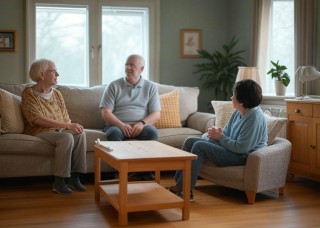
    The article outlines effective communication strategies for interacting with loved ones with dementia, highlighting the need for empathy, patience, and understanding while emphasizing supportive approaches like using simple language, minimizing distractions, and focusing on feelings over facts to maintain dignity and foster connection. It also suggests seeking professional guidance when needed as communication challenges evolve.

  • va nursing homeComprehensive Guide to VA Nursing Homes: A Crucial Long-Term Care Resource for Veterans

    VA nursing homes, or Community Living Centers (CLCs), offer tailored long-term care for veterans, featuring medical attention and rehabilitation in a supportive environment. The guide covers facility types, eligibility criteria, financial assistance options, quality of care standards, and alternatives to full-time nursing home placement.

  • in home dementia care costsEstimating the Expenses of At-Home Dementia Care: A Detailed Exploration
    At-home dementia care expenses vary widely based on care levels, location, and caregiver expertise, with monthly costs for home health aides exceeding $4,500 and specialized care potentially surpassing $100,000 annually. While families favor in-home care for its comfort and personalized attention, they must consider financial planning and the challenges of caregiver fatigue.