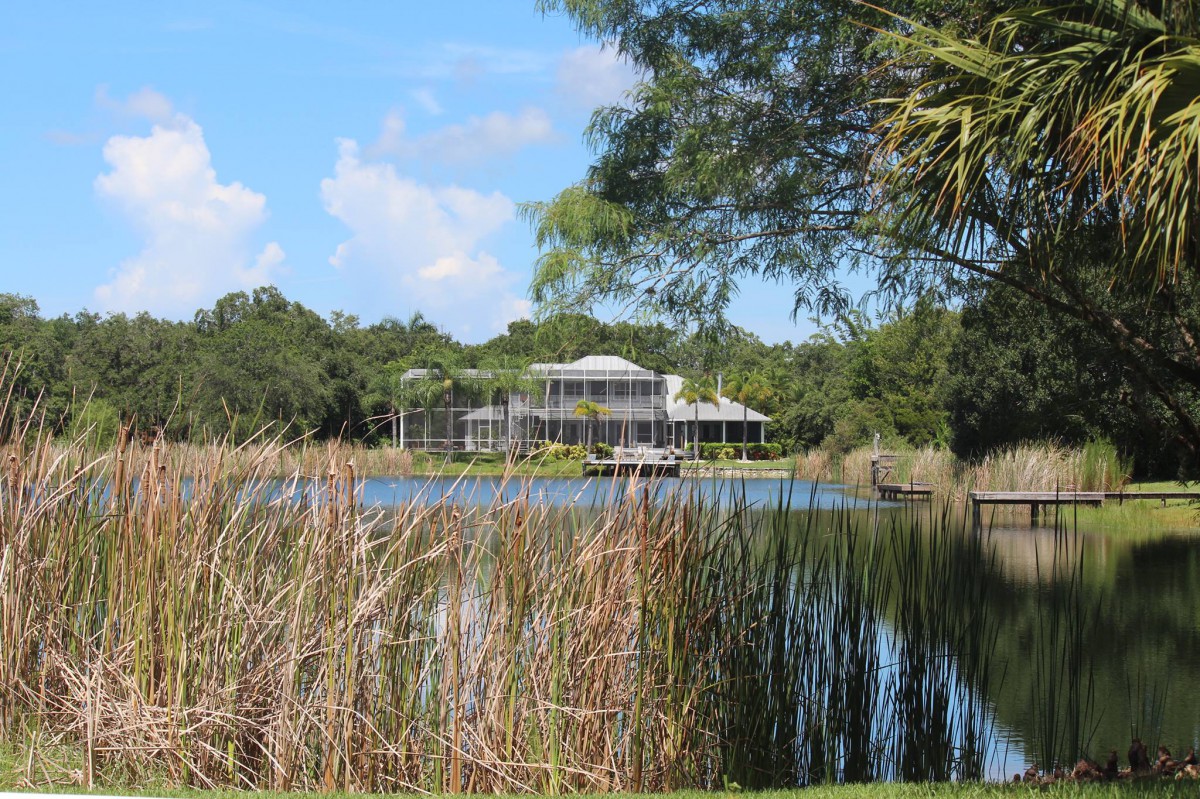
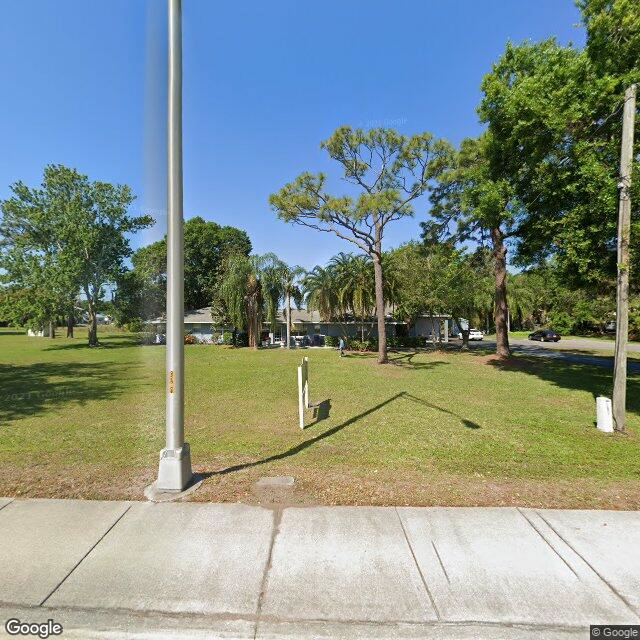
4612 Mcintosh Road, Sarasota, FL 34233
For more information about senior living options: (866) 208-4318
Mcintosh Manor Costs & Pricing
Mcintosh Manor offers competitive pricing for its various room types compared to both Sarasota County and the broader state of Florida. For instance, the semi-private rooms are priced at $3,150 per month, which is notably lower than the county average of $3,456 and slightly above the state average of $3,009. The studio apartments are available for $3,500, again positioning Mcintosh Manor favorably against Sarasota County's higher rate of $4,040 while remaining slightly below the state average of $3,823. Lastly, the one-bedroom units are offered at $3,950, which is more affordable than both Sarasota County's typical cost of $4,288 and the state average of $3,864. Overall, Mcintosh Manor provides excellent value in a comfortable living environment within this regional context.
| Floor plans | Mcintosh Manor | Sarasota County | Florida |
|---|---|---|---|
| Semi-Private | $3,150 | $3,456 | $3,009 |
| Studio | $3,500 | $4,040 | $3,823 |
| 1 Bedroom | $3,950 | $4,288 | $3,864 |
Memory care communities with a similar price nearby
-
from +$325 / mo
The Gallery at North Port
$3,475 to $4,850 / month22.5 miles away -
from -$555 / mo
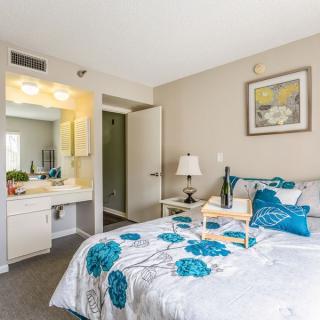
Grand Villa of Sarasota
$2,595 to $4,695 / month4.4 miles away -
from -$350 / mo
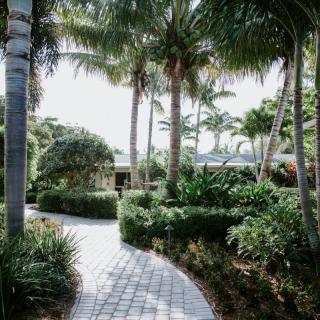
A Banyan Residence
$2,800 to $5,400 / month14.6 miles away -
About the same
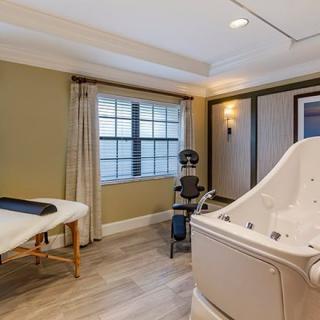
Brookdale Sarasota Midtown
$3,175 to $5,870 / month3.7 miles away -
from +$200 / mo
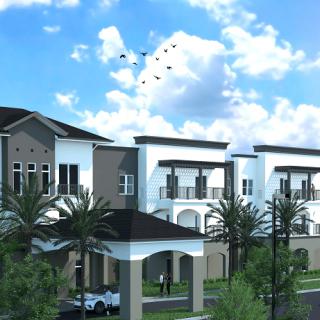
The Goldton at Venice
$3,350 to $5,300 / month10.6 miles away
Overall Review of Mcintosh Manor
Pros
 McIntosh Manor was very nice.
- He liked it.
- The caregivers were very attentive.
- They made sure he had his food and everything.
- He was lucky to be able to get into McIntosh Manor when he needed care.
Cons
 They wouldn’t take him because Medicare wouldn’t cover him.
- It wasn’t as luxurious as other facilities.
- They were short-staffed.
- At night they sometimes only had one caregiver for fifteen or twenty residents.
- It was hard on the staff until the end of his life.
- It looked very different from the other facilities.
Review
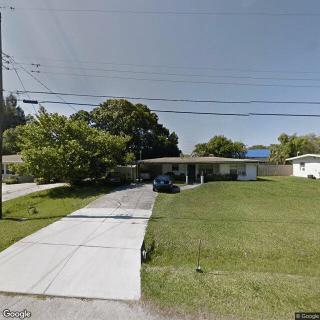
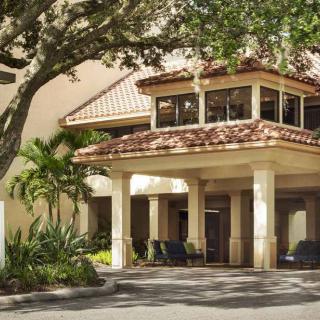
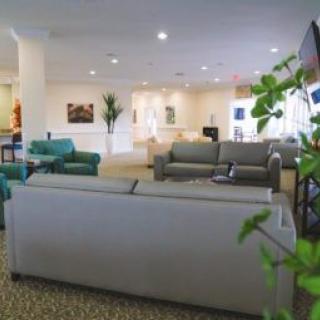
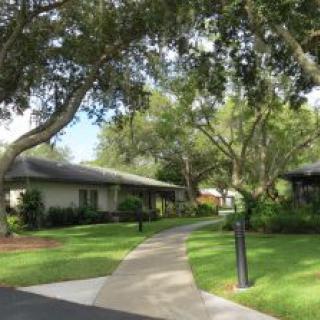
McIntosh Manor in Sarasota is best suited for seniors who want a warm, home-like setting and do not rely on heavy medical oversight. This is a smaller, family-operated environment where the vibe leans toward a converted family home rather than a polished, corporate campus. Residents who value direct, personal interaction with caregivers and a routine that feels more familiar than formal will find the atmosphere comforting. The community prioritizes practical daily life, meals, safety, companionship, over resort-style amenities. For someone who thrives on a sense of belonging and a less institutional pace, McIntosh Manor can feel like the right fit.
Those weighing alternatives should consider options if the primary need is robust skilled nursing, comprehensive medical oversight, or very strong nighttime staffing. Larger assisted living campuses or dedicated skilled nursing facilities typically offer more on-site nursing coverage and more predictable night-time support. If Medicare coverage or access to skilled nursing services is a non-negotiable factor, this setting may not align with long-term expectations. In short, if medical complexity or the comfort of constant professional supervision is essential, exploring other communities with more extensive medical resources is prudent.
The strongest positives lie in the warmth of the caregiving staff and the overall homelike feel. Caregivers were described as attentive and focused on daily comfort, ensuring meals and basic needs were met even when staffing could be tight. The “mom-and-pop” identity, people who remember residents’ names, routines, and preferences, creates a sense of trust and continuity that large facilities sometimes struggle to emulate. The physical setting, distinct from more clinical facilities, can reduce anxiety and foster a sense of belonging, which matters deeply for residents who respond well to familiarity and personal touches.
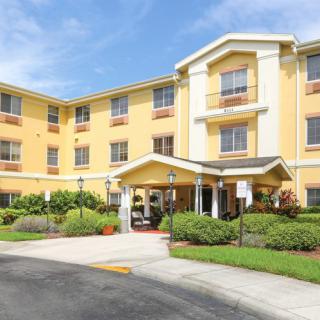
The chief drawbacks center on staffing and scope. Night coverage could be lean, with as few as one caregiver for a building housing 15 to 20 residents, raising legitimate concerns about timely assistance during emergencies or heavy needs. The property’s atmosphere, while charmingly homey, is not a luxury setting, and some families will prefer more finishes, more robust programming, or a broader array of on-site services. Additionally, the facility appears to operate outside the Medicare-skilled-nursing framework, which matters for families navigating payer options or expecting certain levels of medical intervention as needs evolve.
Despite the drawbacks, the pros can outweigh the cons for the right resident. The palpable attentiveness of staff translates into reliable daily care, meals brought to the table, routine checks, and a steady human presence that can be a lifeline for someone who values consistency and personal connection. The home-like vibe fosters comfort, reduces the clinical feel, and can lead to stronger resident-staff bonding. For families seeking a intimate, less impersonal setting with clear, human-scale interactions, McIntosh Manor delivers meaningful value that often surpasses rising expectations about luxury or advanced medical resources.
Conclusion and practical guidance: McIntosh Manor is a strong match for seniors who want a cozy, neighborly atmosphere and can manage with basic assisted-living support rather than ongoing, high-intensity medical care. It suits residents who appreciate direct caregiver relationships, predictability in daily routines, and a setting that feels like a small family home. Those who require frequent, overnight skilled nursing, heavy medical supervision, or highly polished amenities should consider alternatives, ideally facilities with larger staffing teams, more on-site clinical resources, and stronger night-time coverage. Prospective families should visit at different times to observe nighttime staffing patterns, inquire about specific medical capabilities, and confirm what support is available for evolving needs. A candid assessment of the resident’s medical complexity, desired level of independence, and tolerance for a non-luxury environment will determine whether McIntosh Manor is the best long-term home or if another community should be pursued.
 16 resident community capacity
 Assisted Living
 Board and Care Home
 Memory Care
 Respite Care
 Cats allowed
 Dogs allowed
 Activities on-site
 Cable or satellite TV
 Devotional services off-site
 Dining room
 Fully furnished
 Garden
 Housekeeping services
 Indoor common areas
 Move-in coordination
 Outdoor common areas
 Telephone
 Wheelchair accessible showers
 Wi-Fi/high-speed internet available
 Sarasota Bradenton International (9 miles away)
 24-hour supervision
 Ambulatory care
 Assistance with bathing
 Assistance with dressing
 Assistance with transfers
 Diabetes diet
 High acuity care
 Incontinence care
 Meal preparation and service
 Medication management
 Special dietary restrictions
 Transportation arrangement (medical)
 Transportation to doctors appointments
 Art classes
 Birthday parties
 Trivia games
 English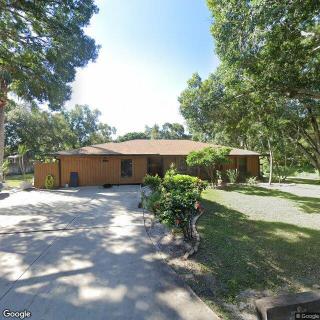

 Estimating the Expenses of At-Home Dementia Care: A Detailed Exploration
 Comprehensive Insights on the Late Stages of Dementia: What to Expect and How to Provide Care
 Medications Associated with Dementia Risk: A Comprehensive Overview