
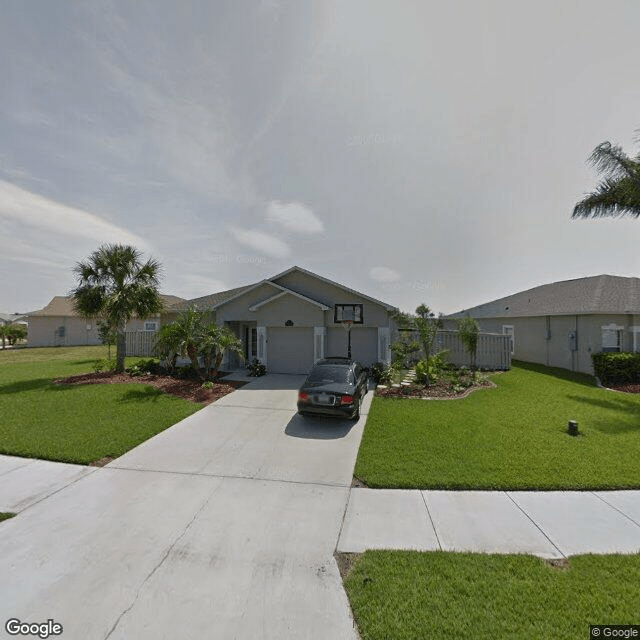
5806 Indigo Crossing Drive, Rockledge, FL 32955
For more information about senior living options: (866) 208-4318
Overall Review of Tuscany House
Pros
 Cheri and the staff are wonderful.
- It is described as the cleanest place and is highly recommended.
- The Tuscany Villa team is exceedingly caring and loving.
- The staff go above and beyond to assist loved ones in time of need.
- Every detail is attended to, and families are grateful for the care provided.
- The facility is always safe and clean and feels like a loving home.
- They feel like they are part of the staff’s family.
- They cannot imagine a better place for anyone needing assisted living.
- The mom is loved, cared for, comfortable, and happy.
- The staff do their best to accommodate quirky requests.
- It is the gold standard in ALFs.
- The villa offers personalized care due to its small size.
Cons
 A reviewer described a horrible experience, noting that the mom was found without hearing aids for two days despite repeated requests, with the skin cold, no sweater or shoes worn, and an aide’s excuse that they were new.
- A reviewer stated that Tuscany House is not what it proports to be, describing it as middle of the road—not great but not the worst.
Review
Tuscany House in Rockledge is best suited for families seeking a small, home-like assisted living where residents receive highly personalized, compassionate care and where family involvement is welcomed as part of the daily rhythm. The community shines for seniors who value cleanliness, warmth, and a setting that feels like a residence rather than an institution. Residents who benefit from attentive, one-on-one time with caregivers, along with the ability to accommodate individual preferences and routines, will likely find this environment especially comforting. It is particularly appealing for those dealing with dementia or memory challenges who need steady, loving supervision in a calm, intimate atmosphere.
Those who may want to consider alternatives include families prioritizing robust medical oversight, larger-scale operations, or highly structured memory-care programming. If 24/7 on-site RNs, a larger staff-to-resident ratio, or a formal, highly regulated routine are non-negotiables, a bigger community or a dedicated memory-care campus could offer more predictability. Families seeking a standardized national-brand experience or more extensive rehab services should weigh other options that deliver broader clinical capabilities and larger activity menus.
The strongest pros at Tuscany House are the genuinely caring staff, the clean, cheerful, home-like setting, and the sense that residents are treated as family. Small scale permits accessible, frequent interactions, with caregivers who seem to take pride in their work and in building relationships with residents and visiting family. The consistently warm atmosphere is reinforced by the owner’s hands-on approach and by reports of staff going above and beyond to meet individual needs, including accommodating personal quirks and preferences. When memories of a loved one’s better days are important, these elements often translate into more relaxed moods, visitors feeling welcomed, and a sense of security that the resident is loved.
Those advantages offset several potential drawbacks by creating a work environment where staff can deliver noticeable warmth and reliability, and where cleanliness and safety are nonnegotiables. The small footprint means fewer residents competing for attention, more predictable care moments, and easier collaboration with families. Engagements like in-house music visits and other gentle activities add to daily meaning, which can be especially valuable for dementia care. For families, the ability to visit unannounced and observe how staff interact with residents reinforces confidence that the environment remains homey rather than clinical. In this light, the positives often outweigh the limitations inherent in a smaller operation.
Still, two distinctly negative threads surface in the reviews. A few families reported distressing lapses that undermine trust: a perception that a loved one did not receive necessary assistive items, or signs of inconsistent attention to comfort (such as warmth, clothing, or hearing aids) during a stressful transition. These outliers highlight the ongoing risk that even a well-intentioned, intimate program can suffer from staffing gaps or momentary oversight. The remedy lies in rigorous, proactive checks: insist on assigned caregiver teams, request current care plans and daily schedules, and observe operations during different shifts. The reality is that small homes rely heavily on stable staff and strong daily routines to prevent slips; without those, the risk of repeat incidents rises.
For families navigating dementia care options, Tuscany House’s approach is a meaningful fit when the priority is a warm, compassionate, almost familial environment with a capacity for personalized attention and caregiver continuity. The best-fit decision rests on whether the family can embrace a setting where love and attentiveness are front and center, and where hospice or comfort-leaning supports can be integrated as the situation evolves. If more formal medical oversight, consistent, large-team coverage, or highly regimented memory-care programming are essential, exploring larger ALFs or dedicated memory-care communities will likely yield greater peace of mind. In the end, Tuscany House stands out for its humanity: a practical, experienced choice for families prioritizing warmth and individualized care over institutional scale.
 5 resident community capacity
 Assisted Living
 Activities on-site
 Cable or satellite TV
 Devotional services off-site
 Dining room
 Fully furnished
 Garden
 Housekeeping services
 Indoor common areas
 Move-in coordination
 Outdoor space
 Telephone
 Wi-Fi/high-speed internet available
 Melbourne International (13 miles away)
 24-hour supervision
 Ambulatory care
 Assistance with bathing
 Assistance with dressing
 Assistance with transfers
 Diabetes diet
 Diabetic care
 Meal preparation and service
 Medication management
 Special dietary restrictions
 Transportation arrangement (medical)
 Transportation to doctors appointments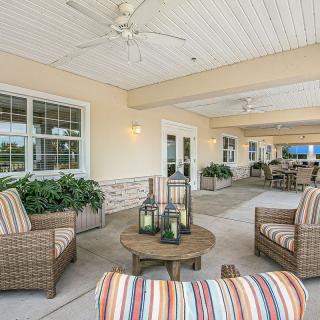




 Understanding the Distinctions: Assisted Living and Memory Care Explained
 Guiding Elderly Parents Who Refuse Assisted Living: 6 Practical Steps
 Your Comprehensive Guide to Luxury Assisted Living: Elevated Facilities, Amenities, and Costs