
Southwest Aventino Drive, Port St. Lucie, FL 34987
For more information about senior living options: (866) 208-4318
Overall Review of The Estates at Tradition
Pros
 The reviewer loves the neighborhood.
- The HOA changes have helped the community thrive.
- The epoxy garage flooring upgrade elevated the look of the garage.
- The neighborhood is very safe with lovely, respectful neighbors.
- It is the nicest, most peaceful and quiet neighborhood, with kind, respectful neighbors around.
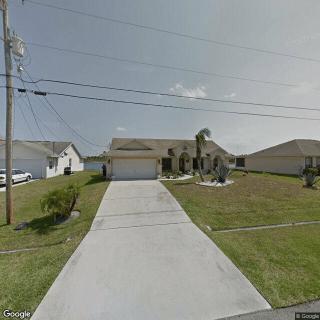
- There is beautiful wildlife and attractive houses.
Cons
 The HOA is a total disappointment.
- Horton Construction Company is the worst construction company in Florida.
- The houses are being sold with a lot of defects.
- In the first week after moving in, the bathroom leaked.
- There is a long list of unfinished work in the house.
- The kitchen had multiple deficiencies at closing, including an unmounted/sealed sink, stained countertops, no toilet paper holder, missing sliding door blind, and a leaking faucet.
- The overall quality and first impression of buying the home left a lot to be desired.
Review
The Estates at Tradition is best suited for older adults who want to own a home in a quiet, safety-forward neighborhood within the Tradition community in Port St. Lucie. It appeals to those who value a peaceful, low-key environment with friendly, respectful neighbors and a sense of living in a well-maintained, traditional HOA setting. The real strength lies in the living context: a stable, residential atmosphere where safety and privacy are prioritized, and where the neighborhood feels like a small, self-contained micro-community. It is not a campus or a care facility; there are no on-site medical staff or structured caregiving services. For seniors who can manage their daily routines independently or with minimal assistance, this setting offers a promising balance of independence and social connection, anchored by a long-standing sense of community continuity and a noticeable uplift in neighborhood vitality after governance shifts.
Those weighing alternatives should be mindful of the gap between what The Estates at Tradition delivers and the needs of seniors requiring more hands-on support. Families looking for assisted living, memory care, or frequent on-site care will likely want to consider dedicated senior living communities with built-in medical and daily living services. Similarly, those who want comprehensive maintenance-free living with guaranteed access to caregiving services, meal programs, and transportation arranged by a facility should look beyond a residential HOA. In short, if the plan is to age in a hotel-like campus with care staff responsiveness built in, this is not the right venue. For seniors who are stable, self-sufficient, and comfortable with occasional external home-care arrangements, the neighborhood stands out as a viable option within the Tradition ecosystem.
From a strengths-to-weaknesses perspective, the primary pros are clear: a very safe, serene setting with quiet streets, a respectful, like-minded neighbor base, and a community that feels well cared for. The environment rewards discretion and civility, with wildlife and a pleasant curb-appeal that can reinforce a sense of pride in homeownership. On the downside, reviewers cite earlier concerns about HOA governance and past construction-related complaints, including defects from a homebuilder’s work. Those issues have persisted in memories from more than five years ago, and notes about improvements to the HOA indicate a turning point toward a more functional, thriving community. The real question is whether those older critiques still color current experience or have been truly resolved by governance changes and ongoing maintenance. If property upkeep and rule clarity are valued, these factors can be mitigated by current HOA practices and resident engagement, but they require diligence to confirm in today’s context.
The decision machinery should weigh practical realities over nostalgia. The Estates offers a solid foundation for long-term residence if independence remains intact and if external services can be coordinated as needed. Prospective buyers or renters should verify the current state of HOA management, reserve funds, and ongoing capital projects, because those elements determine whether the community can sustain property values and maintain common areas without friction. It is wise to talk with several residents about how quickly issues are resolved, what the enforcement climate feels like, and how transparent the board and management are with budgets and plans. Additionally, consider proximity to medical facilities and emergency services, as well as access to outside caregiving resources, since those factors will shape both daily life and future planning.
Bottom line: The Estates at Tradition is a prudent choice for active, independent seniors who prize safety, quiet, and neighborly ambiance within a respected master-planned community. It is less suitable for anyone who needs regular on-site care, or for families seeking a turnkey, all-inclusive senior living solution. The most sound path forward is a careful, current audit of the HOA’s governance and financial health, coupled with candid conversations with current residents about day-to-day life. If these checks align with expectations, the neighborhood offers a compelling blend of stability, social texture, and a well-kept backdrop that can support a comfortable, long-term living arrangement. For those with evolving care needs, the prudent move remains to reserve the option of a dedicated assisted living community nearby, keeping The Estates at Tradition as a desirable, well-situated residential choice within reach.
 6 resident community capacity
 Active Adult Communities (55+)
 Telephone
 Wi-Fi/high-speed internet available
 Assistance with dressing
 Meal preparation and service
 Medication management
 Diabetes diet
 Special dietary restrictions



 Fecal Incontinence in Older Adults: A Comprehensive Guide
 Recognizing the Journey: Understanding and Navigating Anticipatory Grief
 Encouraging Participation in Adult Day Care: A Guide to Supporting a Hesitant Parent