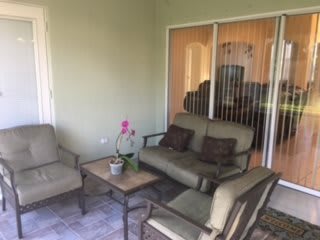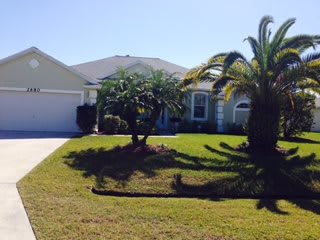
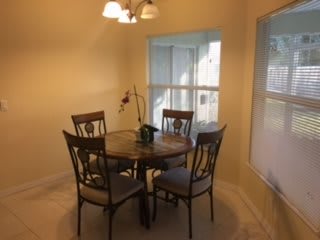
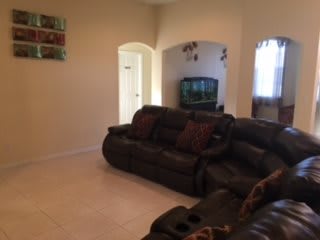
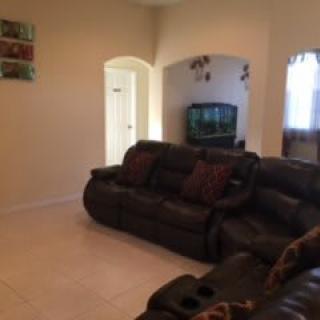
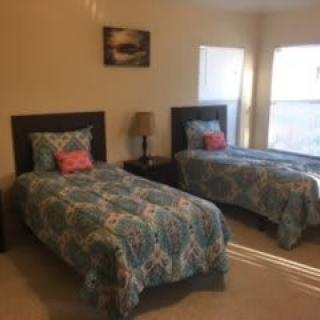
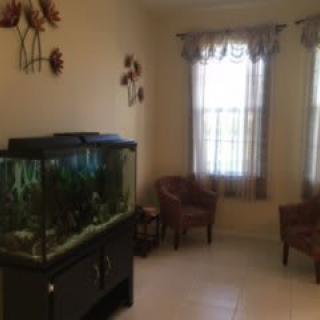
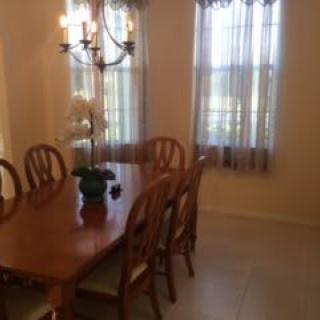
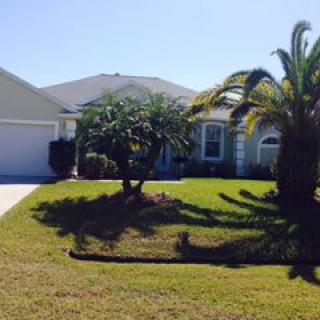
2680 South East Brevard Avenue, Port Saint Lucie, FL 34952
For more information about senior living options: (866) 208-4318
Serenity Senior Care Costs & Pricing
At Serenity Senior Care, the monthly costs for various room types reflect a competitive pricing strategy in comparison to both St. Lucie County and the broader state of Florida. For semi-private accommodations, residents can expect to pay $2,800, which is slightly above the county average of $2,717 but more affordable than the state average of $3,009. The private rooms are priced at $4,000, notably higher than the county's rate of $3,665 yet still below Florida's average of $3,699. Similarly, Serenity's studio and one-bedroom units are offered at $4,500 each - higher than St. Lucie's averages of $3,880 and $3,747 respectively but still competitively positioned against the state averages of $3,823 and $3,864. Overall, while some rates exceed local averages, they provide residents with value that reflects the quality care and environment provided by Serenity Senior Care.
| Floor plans | Serenity Senior Care | St. Lucie County | Florida |
|---|---|---|---|
| Semi-Private | $2,800 | $2,717 | $3,009 |
| Private | $4,000 | $3,665 | $3,699 |
| Studio | $4,500 | $3,880 | $3,823 |
| 1 Bedroom | $4,500 | $3,747 | $3,864 |
Overall Review of Serenity Senior Care
Pros
 The facility was described as very nice.
- The facility was very clean.
- The staff seemed friendly and interactive with the residents.
- The reviewers would definitely consider this facility.
Cons
 The reviewers felt that their mother would not be a good fit for the group home.
- They noted there was not much interaction between staff and residents, which their mother needed.
- They observed that there was no availability at the facility at that time.
Review
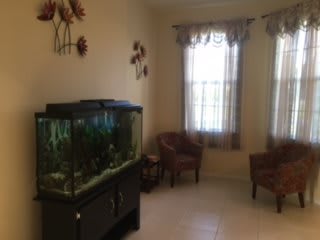
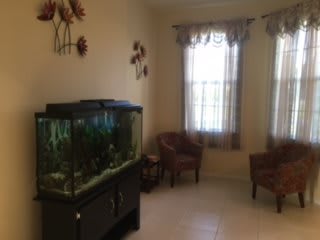
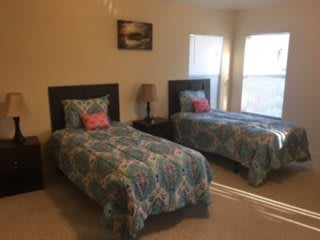
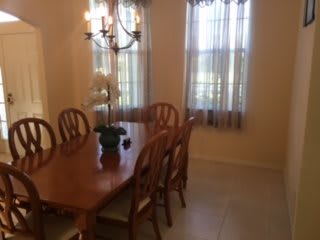
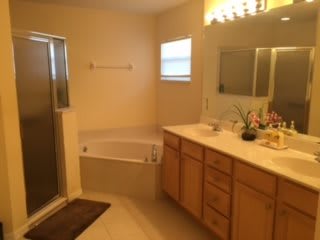
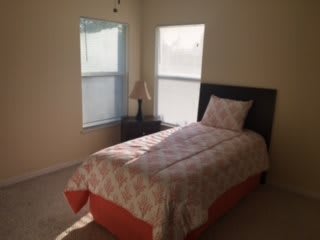
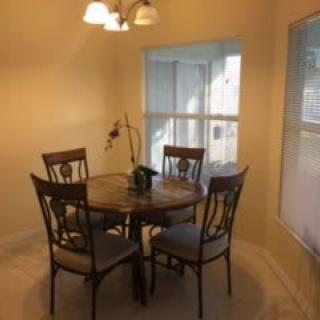
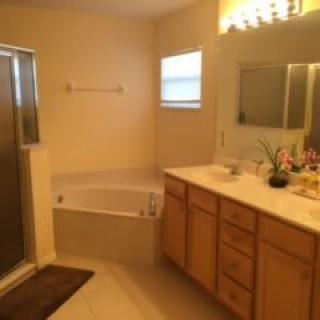
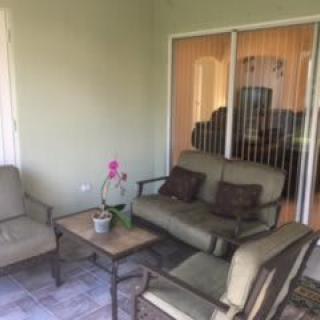
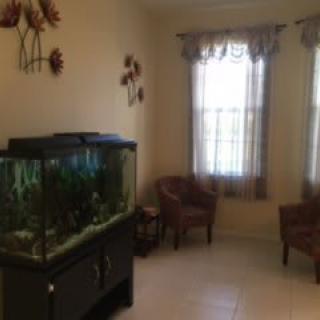
Serenity Senior Care in Port Saint Lucie is best suited for families seeking a clean, intimate, home-like environment where staff members are approachable and residents can receive personal attention. The small-scale setting suggests a quieter, more predictable routine that can appeal to seniors who prioritize direct caregiver contact over a bustling activity calendar. It is well-aligned with families who value a tidy, well-kept space and the ability to know caregivers by name, provided they do not require immediate vacancy or a wide array of on-site services. The reality, however, is that there were no openings at the time of review, which is a practical constraint for anyone needing a move-in timeline.
On the upside, Serenity earns points for its cleanliness and the impression of friendly, engaged staff when interaction is present. One observer described the facility as very nice and the staff as interactive with residents, which signals the potential for meaningful one-on-one moments and a welcoming atmosphere. That said, the facility operates as a group home with only five residents, a size that can amplify the benefits of personalized care but also magnify inconsistencies in day-to-day staff-resident engagement. In practice, this means the experience can swing depending on shifts, staffing luck, and the specific day’s rhythm.
The strongest caveat attached to Serenity is the variability in interaction between staff and residents. Two reviewers explicitly noted a lack of meaningful engagement, suggesting that in a five-person home, routine staff contact may not always meet every family’s expectation for social stimulation and proactive supervision. For seniors who thrive on regular, structured programming, proactive companions, and visible oversight, this could feel insufficient. For others, the quiet, low-traffic environment might be precisely what they want, but the absence of consistent social activity is a real, non-trivial consideration.
Families weighing alternatives should consider the scale and programming profile. If a larger community with more residents, a broader activity schedule, and steadier rhythms of staff interaction is priorities, other nearby assisted living options will likely deliver more consistent engagement and a richer social ecosystem. Those needing stronger daily programming, multiple care levels, or easier access to specialized services may find Serenity’s small-group model limiting. The vacancy reality also matters: without current openings, planning a transition may require patience or evaluating options with more immediate availability.
When the pros align with care goals, Serenity’s strengths can meaningfully offset its drawbacks. A clean, well-maintained space, coupled with warm, approachable caregivers, can create a reassuring backdrop for daily life. The intimate setting supports closer caregiver relationships and potential personalization of routines, which can ease decision-making for families prioritizing comfort and predictability over breadth of activity. The key is to confirm consistent staffing patterns and to observe whether the day-to-day vibe matches the desired level of resident engagement and supervision.
In the end, Serenity Senior Care is a solid contender for families seeking a calm, personal atmosphere with clean, well-kept surroundings and accessible staff in a small-group format. It rewards those who value direct caregiver-resident interaction when it happens and who can tolerate, or even welcome, a limited social program. It may not be the best fit for families chasing robust daily activities, a large, lively community, or guaranteed high levels of resident interaction on every shift. Prospective movers should schedule a visit focused on staffing consistency, daily routines, and a realistic view of how social opportunities unfold, then compare against larger facilities that promise more comprehensive activity schedules and steadier engagement.
 5 resident community capacity
 Assisted Living
 Board and Care Home
 Memory Care
 Respite Care
 Activities on-site
 Air-conditioning
 Bath tubs
 Beautician on-site
 Cable or satellite TV
 Devotional services on-site
 Dining room
 Full kitchen
 Fully furnished
 Garden
 Ground floor units
 Housekeeping services
 Indoor common areas
 Move-in coordination
 Outdoor common areas
 Private
 Private bathrooms
 Telephone
 Wi-Fi/high-speed internet available
 24-hour supervision
 Ambulatory care
 Assistance with bathing
 Assistance with dressing
 Assistance with transfers
 Diabetes diet
 Diabetic care
 Incontinence care
 Meal preparation and service
 Medication management
 Special dietary restrictions
 Transportation arrangement (medical)
 Transportation to doctors appointments
 Birthday parties
 Cooking classes
 Light therapy programs
 Stretching classes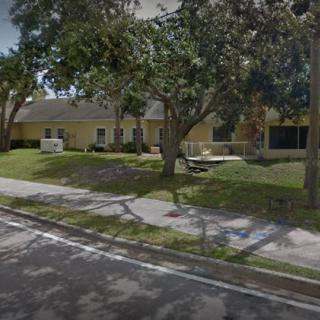






 When Dementia Sparks Anger and Aggression: Understanding the Connection and Ways to Cope
 Dementia Behaviors: In-Depth Understanding and Effective Coping Strategies
 5 Early Indicators of Dementia and What You Can Do