
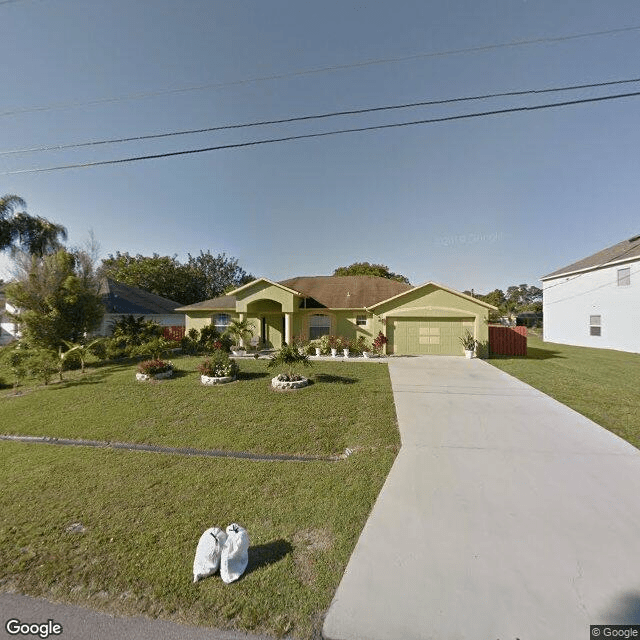
1066 Southwest Cairo Avenue, Port Saint Lucie, FL 34953
To contact a resident: (772) 985-1739
For more information about senior living options: (866) 208-4318
Preddie Adult Family Care Home Costs & Pricing
Preddie Adult Family Care Home offers a competitive pricing structure for its semi-private rooms, with a monthly cost of $2,500. This rate is notably lower than the average costs in St. Lucie County, which stands at $2,717, and significantly beneath the state average for Florida, recorded at $3,009. Such affordability makes Preddie Adult Family Care Home an attractive option for individuals seeking quality care without financial strain, while still providing an environment conducive to comfort and support.
| Floor plans | Preddie Adult Family Care Home | St. Lucie County | Florida |
|---|---|---|---|
| Semi-Private | $2,500 | $2,717 | $3,009 |
Senior living communities with a similar price nearby
-
About the same
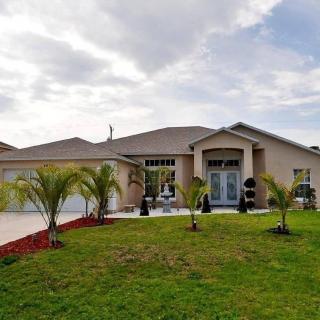
Caring Hands of the Treasure Coast
$2,500 to $3,000 / month2.4 miles away -
from -$200 / mo
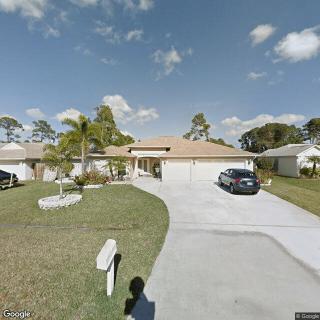
Nelisha Family Home
$2,300 to $4,500 / month1.9 miles away -
from +$400 / mo
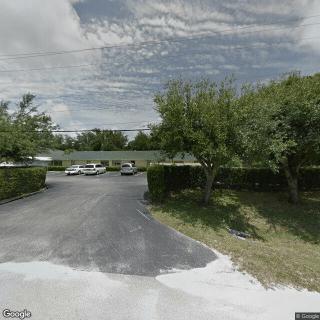
Broadmoor ALF
$2,900 to $3,200 / month10.5 miles away -
from +$290 / mo

Harbor Place at Port St. Lucie
$2,790 to $4,488 / month5.6 miles away -
About the same
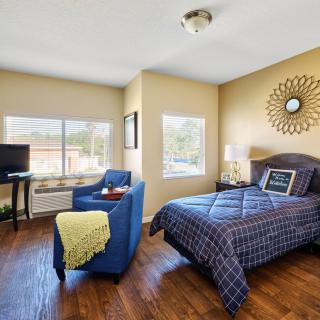
Wickshire Port St. Lucie
$2,500 to $4,295 / month5.4 miles away
Overall Review of Preddie Adult Family Care Home
Pros
 The staff are incredibly compassionate, attentive, and dedicated to the well-being of all residents.
- The facility provides a warm, relaxing environment that feels like home.
- The social opportunities enrich residents' lives by helping them make new friends and stay engaged.
- The staff provides regular updates and photos to families, including outings.
- The resident's health and happiness have improved under Senior Paradise's care.
- Garon and Roxanne are loving, caring staff members who go the extra mile for residents.
- The facility is well maintained, clean, and secure.
- The home offers personalized attention and coordinates with outside care providers and guardians.
- Families feel peace and confidence knowing their loved ones are well cared for.
Review
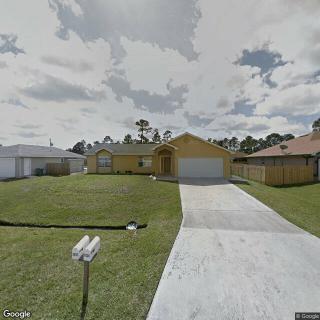
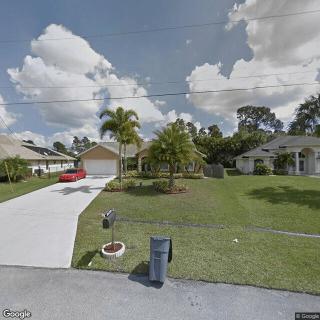
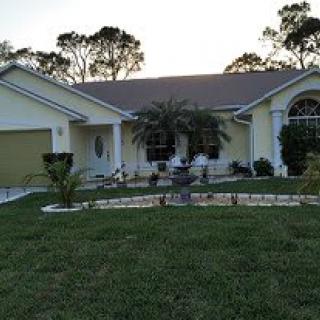
This community is best suited for families seeking a small, home-like care setting in Port Saint Lucie where dependability, warmth, and steady daily engagement define the resident experience. It works particularly well for seniors who value personalized attention, consistent caregiver relationships, and opportunities to socialize in a peaceful, domestic atmosphere. The house feels welcoming, with a front garden and well-kept interiors that support a sense of safety and belonging, while routine activities and neighborly interactions keep residents connected to life beyond the walls.
Those who should consider alternatives include families requiring daily on-site medical oversight from a licensed physician or more expansive memory-care programming. If the plan calls for around-the-clock nursing staff or a larger facility with a broad menu of specialized services, another option may fit better. For relatives living far away and needing robust, round-the-clock coordination with multiple outside providers, it’s prudent to compare scheduling, staffing levels, and care-management structure against larger communities with more comprehensive medicalOn-site footprints.
The strongest positives here anchor the care in human connection: compassionate, attentive staff who treat residents like family, and a genuinely homey environment that feels safe and comforting. Cleanliness, attentive housekeeping, and fresh meals daily contribute to daily comfort, while social calendars , trips to the vegetable market, libraries, botanical gardens, and light pool activities , keep life engaging. Regular updates with photos give distant family members reassurance, and the staff’s willingness to coordinate with outside caregivers and guardians helps keep health goals aligned. The combination of a personal touch and practical routines creates a dependable, low-stress setting for many seniors.
However, the main gap many families will weigh is medical oversight: the on-site medical presence is not round-the-clock, with a nurse visiting only a few times per week and ongoing coordination through guardians and external providers. This reality can be a meaningful consideration for those whose loved one requires constant medical eyes on multiple conditions, rapid response capabilities, or a facility with deeper in-house clinical resources. Yet the practical advantages, high caregiver accessibility, documented communications, and a steady flow of health updates, partly offset this gap, because staff stay directly involved, proactive with changes, and transparent with families.
In practice, those who benefit most include residents who thrive on routine, personal attention, and meaningful connection. Diabetes and weight-related goals, for example, show real progress thanks to regular oversight and a lifestyle that supports mobility and appetite, and families report improved mood and engagement for their loved ones. The care team’s ability to maintain safety, coordinate with guardians, and deliver timely social and cognitive stimulation creates a reassuring framework for seniors who prize dignity, companionship, and a genuine sense of “home.”
For families weighing a decision, the takeaway is to evaluate alignment with care expectations and logistical realities. If a warm, intimate setting with constant caregiver access, transparent updates, and active social programming fits the senior’s needs and the budget, this community offers compelling value. Prospective residents should schedule a tour, confirm the exact scope of medical services, ask about the activity calendar, and review how often family updates occur. Clarify medication management practices, visitation policies, and how emergencies are handled, then balance that clarity against the care level sought and the family's capacity to stay engaged, even from a distance.
 Board and Care Home
 Activities off-site
 Bath tubs
 Beautician on-site
 Devotional services off-site
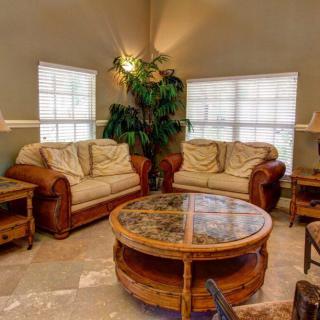
 Indoor common areas
 Outdoor common areas
 Private bathrooms
 Respite or short term stays offered
 Ambulatory care
 Diabetic care
 Incontinence care
 Medication management
 Kosher


 Urinary Tract Infections in Older Adults: Comprehensive Insights on Symptoms, Treatment, and Prevention
 California's Form 602A: An In-Depth Examination of Senior Care Assessment
 Comprehensive Look at Senior Blood Pressure Charts: Normal and Elevated Levels by Age