Residents describe memory care as secure, engaging, and focused on safety.
Several families say the community’s memory care focus supported their loved one with dementia or Alzheimer’s, including keeping safety in mind while maintaining independence. Reviews mention memory-care-specific routines and staffing presence, plus a setting families felt more comfortable with than other options they had in mind. A few residents also point to how staff worked to keep people engaged through day-to-day interaction and activities suited to cognitive needs.
common16 reviews mention this
Staff warmth and caregiving stand out
Many residents and families describe staff as consistently caring and attentive.
Across reviews, families repeatedly describe staff members as cheerful, friendly, and present during daily care, from concierge to nurses and aides. Multiple comments highlight consistent communication, respectful help during medication needs, and staff who get to know residents as individuals. Even when reviews are mixed, the recurring pattern in the positive experiences is residents being treated with compassion and attention to day-to-day needs.
common5 reviews mention this
Food quality gets frequent praise
Dining is often described as enjoyable and responsive to diets.
A number of reviews say the meals are good and that residents generally like the food. Several families also mention that staff pay attention to dietary needs, including diet changes tied to health conditions. Residents describe the dining experience as more than basic fare, with specific praise for taste and preparation.
caveat4 reviews mention this
Care gaps appear in some reviews
Some reviews report medication, supervision, and communication problems.
While many families praise daily care, a smaller set of reviews describes serious concerns involving medication consistency and supervision, including falls and changes in how care was handled. Other negative comments mention lack of timely response or follow-through when families expected updates about medical matters. These reviews also raise concerns about staffing and basic care needs being missed, which is a clear caveat to weigh alongside the positive experiences.
common4 reviews mention this
Activities and outdoor time matter
Residents and families describe frequent engagement and outdoor enjoyment.
Reviews describe scheduled community activities and social programming that help residents stay involved. Families specifically mention enjoyment tied to outdoor spaces and patio time, and one review describes outings that brought residents outdoors with loved ones. The overall feedback suggests activities are a meaningful part of the daily experience for many residents.
How we summarize
Counts show how many written reviews mention each theme; a review can touch several themes, and only frequently mentioned themes are displayed.
Features
Housing
5 resident community capacity
Types of Care
Assisted Living
Amenities
Cable or satellite TV
Dining room
Fully furnished
Garden
Housekeeping services
Move-in coordination
Outdoor space
Telephone
Wi-Fi/high-speed internet available
Transportation
Tampa International (24 miles away)
Care Services
24-hour supervision
Activities of daily living assistance
Assistance with bathing
Assistance with dressing
Assistance with transfers
Coordination with health care providers
Diabetes diet
Meal preparation and service
Medication management
Special dietary restrictions
Transportation arrangement (medical)
Transportation to doctors appointments
Dining
Diabetes diet
Special dietary restrictions
Activities
Community-sponsored activities
Scheduled daily activities
Nearby Places of Interest
Pharmacies
Walgreens (0.4 miles)
CVS Pharmacy (0.8 miles)
A To Z Pharmacy (1.4 miles)
Winn-Dixie (1.6 miles)
Walgreens (1.8 miles)
Walgreens (2.1 miles)
Walgreens (2.6 miles)
Restaurants
Tonbo Hibachi Grille (0.4 miles)
Steak 'n Shake (0.5 miles)
Royal Super Buffet (0.5 miles)
Chipotle Mexican Grill (0.5 miles)
Chili's Grill & Bar (0.6 miles)
Orchids Thai Restaurant (0.6 miles)
Sonic Drive-In (0.6 miles)
Cafes
Panera Bread (0.5 miles)
Starbucks (4.3 miles)
Physicians
Sequelcare Of Fl New P (0.5 miles)
Dr. John L Meyers & Associates (0.6 miles)
Bay Dermatoloty Associates (1.3 miles)
Dr Mark Mathews Eye Care (1.6 miles)
MOSAIC - Mitchell Oral Surgery and Implant Centers (2.4 miles)
Medicaid waivers for assisted living services provide vital support for seniors and individuals with disabilities in need of long-term care, with varying state-specific eligibility criteria and benefits. These waivers cover personal care and case management but often do not fully cover room and board, leading to waiting lists for many applicants.
The article examines the complexities of assisted living for individuals with disabilities, emphasizing the need for tailored care solutions that enhance quality of life and social inclusion, while addressing financial challenges and advocating for community integration. It discusses various housing options, the importance of financial assistance through public benefits, and highlights trends towards integrated and technology-driven solutions in disability-focused housing.
Assisted living for adults with disabilities has transformed to provide personalized care and support services aimed at improving residents' quality of life while balancing independence and assistance. However, low-income individuals often face challenges in affording these services, requiring navigation of various financial resources and advocacy for better policies and solutions.
Get PricingAsk A QuestionSchedule A TourContact Senior Advisor
By clicking submit, you agree to our Partner's Terms of Use. You
also consent to receive calls and texts, which may be autodialed, from our Partner. Your consent is not a condition to
using our Partner's service. Please visit our Partner's Privacy Policy for information about their privacy practices.

 5 resident community capacity
 Assisted Living
 Cable or satellite TV
 Dining room
 Fully furnished
 Garden
 Housekeeping services
 Move-in coordination
 Outdoor space
 Telephone
 Wi-Fi/high-speed internet available
 Tampa International (24 miles away)
 24-hour supervision
 Activities of daily living assistance
 Assistance with bathing
 Assistance with dressing
 Assistance with transfers
 Diabetes diet
 Meal preparation and service
 Medication management
 Special dietary restrictions
 Transportation arrangement (medical)
 Transportation to doctors appointments
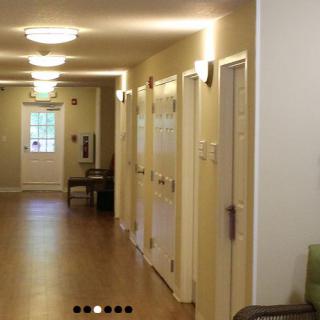
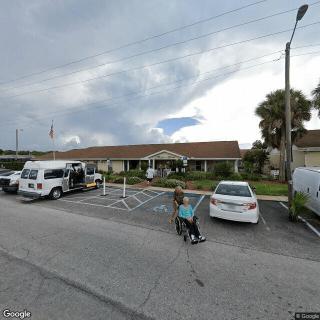
 Friendly staff, clean facilities, and spacious 1-2 bedroom apartments with an active activities program.


 A Detailed Exploration of Assisted Living Medicaid Waivers Across the United States
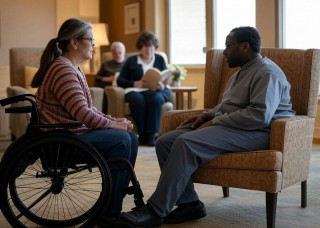 Comprehensive Residential Support and Assisted Living Solutions for Individuals with Disabilities
 Comprehensive Supportive Living Arrangements for Adults with Disabilities