
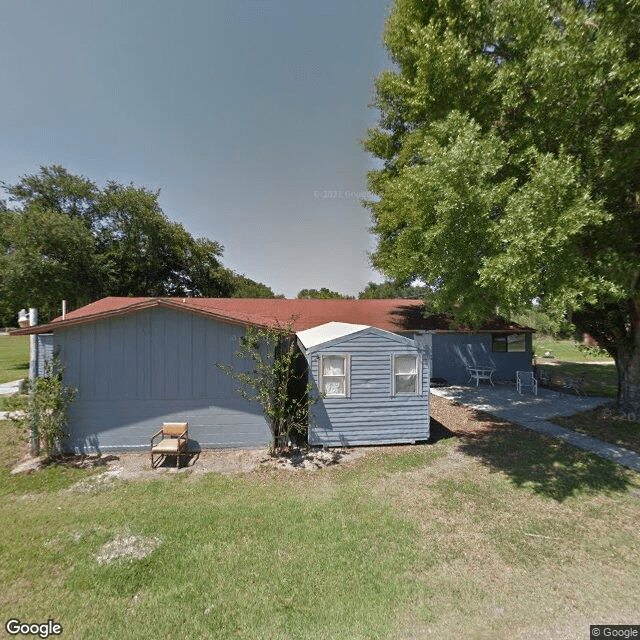
1906 Oscar Cox Trail, Plant City, FL 33567
To contact a resident: (813) 737-1551
For more information about senior living options: (866) 208-4318
Overall Review of Cox Adult Living Facility
Pros
 The reviewer is determined to independently find a better home.
- The reviewer demonstrates resilience while adapting to a new environment.
- The reviewer is proactively seeking a safer neighborhood.
- The reviewer is planning the next steps toward a more suitable living situation.
- The reviewer remains hopeful about finding a comfortable place to live.
Cons
 They claim residents harass locals and that local police and the property's staff won’t intervene.
- They advise avoiding this home and the area altogether.
- They describe the place as horrible and like a horror movie.
- They recently moved in and are still struggling to adjust, hoping to find another place to live as an independent adult.
- They report disturbances occurring around 11pm due to residents being left unsupervised.
Review
Cox Adult Living Facility in Plant City appears best suited for highly independent adults who want a no-frills, low-service setting and can tolerate a riskier environment. It is not a fit for seniors or adults who require consistent oversight, reliable safety monitoring, or a peaceful, well-managed campus. Families with loved ones who need daily supervision, clear behavioral management, or a quiet neighborhood climate should look elsewhere. Alternatives to consider include communities with documented structured programming, on-site security, and proactive staff responsiveness. In short, this is a choice for those who prize bare-bones independence over safety, predictability, and neighborly calm.
The strongest themes in the feedback point to safety and management gaps. Reviewers describe harassment by other residents at shared activity hubs and allege that staff and local authorities fail to intervene effectively. Nighttime disturbances are highlighted as particularly concerning, painting a picture of a facility where boundaries and supervision may be lax. The surrounding area is also depicted as unsettled, contributing to a sense of insecurity. Taken together, these factors undermine daily comfort and raise legitimate red flags for anyone who values a secure, predictable routine for themselves or a loved one.
Pros in this setting, when they surface, are difficult to distill from the narratives provided. The reviews do not present clear, concrete advantages, and one account signals overall dissatisfaction without detailing redeeming qualities. The implicit appeal of a straightforward, no-frills living arrangement is easy to imagine for someone who wants to minimize complexity and avoid a larger, more institutional environment. Yet the absence of verifiable strengths makes these potential benefits largely theoretical, and they do little to counterbalance the chronic safety and management concerns described by residents and visitors.
From a decision-making perspective, the critical calculation weighs safety, atmosphere, and staff responsiveness against whatever simplicity the facility offers. The lack of robust incident handling, reports of unaddressed aggression, and the unsettling tone conveyed by multiple reviews strongly indicate that the cons eclipse any perceived convenience. For a senior or adult with cognitive or mobility needs, the risk profile here is unacceptable. For someone insisting on independence at all costs, the facility could still be contemplated, but only after rigorous verification of current conditions, staffing stability, and concrete assurances of resident safety.
Given the pattern of concerns, it is essential to pursue alternatives with stronger oversight and safer surroundings. Prospective renters or buyers should conduct stringent on-site evaluations: observe nighttime activity and movement in common areas, meet direct-care staff and supervisors, ask for recent incident logs, and verify how escalations are handled. Inquire about resident autonomy versus required assistance, and request clear procedures for managing disruptive behaviors and ensuring resident and neighbor safety. References from current residents and families can illuminate how well those policies actually function day to day.
In the end, Cox Adult Living Facility should be ruled out for most families prioritizing safety, stability, and a respectful, well-managed living environment. The evidence suggests that the main disadvantages, unaddressed behavioral issues, limited staff responsiveness, and a troubling atmosphere, are not easily offset by any perceived simplicity or independence. If a move is being planned, prioritize communities with verifiable safety records, proactive supervision, and a reputation for calm, welcoming neighborhoods. For families weighing options, Cox should be examined only as a last resort after thorough, evidence-based vetting and a clear plan for addressing the core concerns.
 Board and Care Home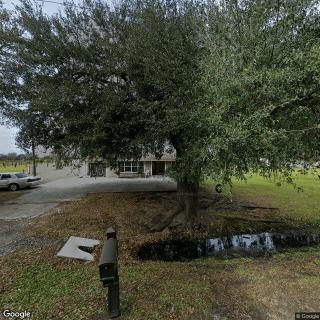






 Comprehensive Approaches for Arthritis: A Detailed Guide to Symptoms, Causes, and Care
 Comprehensive Insights and Practical Strategies to Help Older Adults Avoid Falls
 6 Crucial Ways an Elder Law Attorney Assists Families