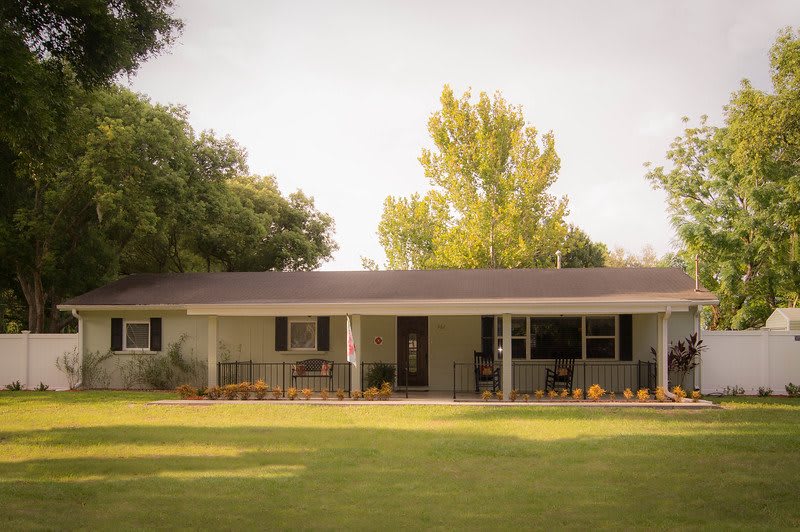



902 Charlie Griffin Road, Plant City, FL 33566
To contact a resident: (813) 704-6504
For more information about senior living options: (866) 208-4318
Azalea Oaks Place Costs & Pricing
At Azalea Oaks Place, the monthly costs for accommodations are notably competitive compared to both Hillsborough County and the broader state of Florida. Residents can choose from a semi-private room priced at $2,000 per month, which reflects significant savings against the county's average of $3,096 and the state's average of $3,009. For those seeking more privacy, the private rooms are available at $3,000 - again undercutting both local and state averages, with Hillsborough County at $3,384 and Florida at $3,699. This pricing strategy highlights Azalea Oaks Place's commitment to providing affordable yet quality living options for seniors while remaining mindful of the financial considerations families face in today's market.
| Floor plans | Azalea Oaks Place | Hillsborough County | Florida |
|---|---|---|---|
| Semi-Private | $2,000 | $3,096 | $3,009 |
| Private | $3,000 | $3,384 | $3,699 |
Senior living communities with a similar price nearby
-
About the same
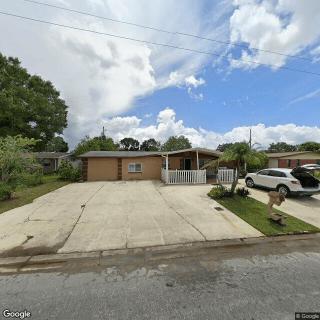
Caregivers Touch ALF
$2,000 to $3,000 / month24.1 miles away -
from +$200 / mo
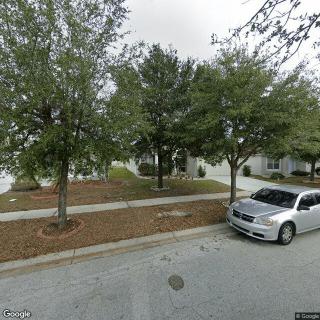
Dorothy Cares Assisted Living Facility
$2,200 to $3,300 / month16.7 miles away -
from -$200 / mo
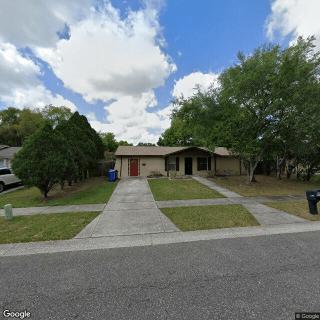
Benrac Home Alf
$1,800 to $4,263 / month8.4 miles away -
About the same
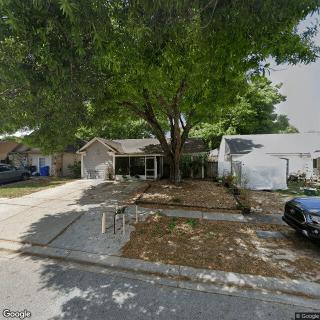
Elderly Pride Assisted Living
$2,000 to $2,500 / month8.4 miles away -
About the same
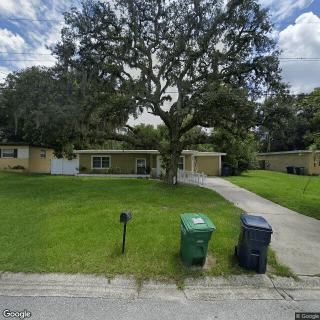
Assisted Living Facility Morning Dew
$2,000 to $2,500 / month17.8 miles away
Overall Review of Azalea Oaks Place
Pros
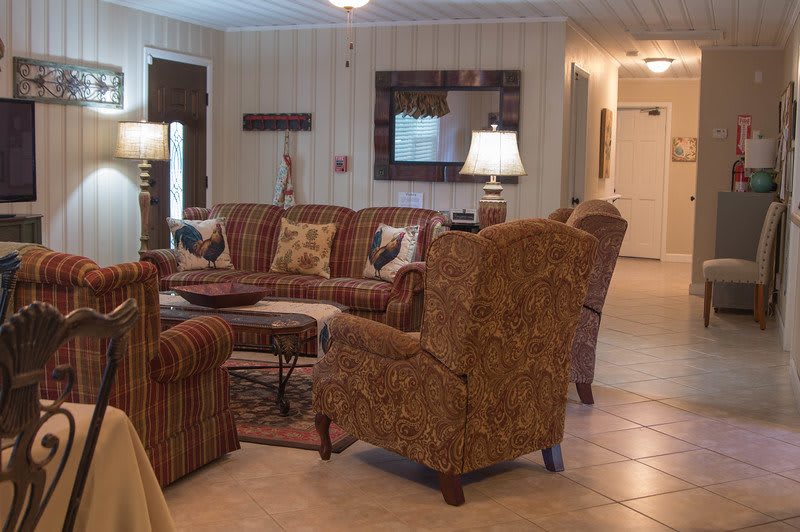
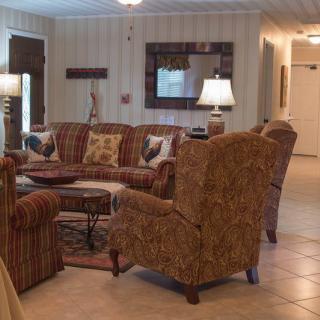
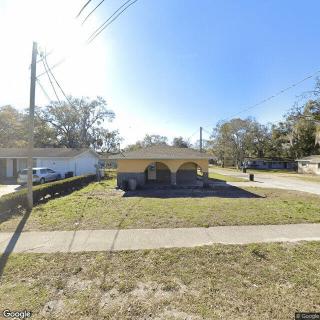
 Azalea Oaks Place is described as a warm, homelike environment where residents are well cared for and loved.
- The staff are friendly, caring, and attentive to the residents’ needs.
- The facility is clean, well kept, and peaceful, with a homey feel rather than a hospital.
- The owners’ heart for the elderly and the extra touch of love in everything they do are highly praised.
- The small size enables personalized, individualized care.
- Families appreciate the sense of family, friendliness, and supportive atmosphere.
- Homey touches, like cookies baking, create a comforting, welcoming environment.
Cons
 The back patio was not covered, which concerned them because their mother-in-law smokes.
- The rating was only a 3, since they had not moved their mother-in-law to the facility.
- It was just not the right location for their grandparents.
Review
Azalea Oaks Place in Plant City is best suited for families seeking a tightly knit, small-scale assisted living where daily care feels intensely personal and genuinely warm. The community operates with an intimate footprint, think five beds in the house, and that smaller size translates into a level of attention that larger facilities struggle to match. It rewards seniors who value a homelike, non-institutional atmosphere, where caregivers know names, routines, and preferences, and where meals, activities, and daily rhythms flow like a well-practiced family routine. For families nearby, the proximity and easy access become a practical plus, making daily visits simple and meaningful. It is a strong fit for residents who don’t need heavy hospital-level medical oversight and who thrive on consistent, relationship-driven care.
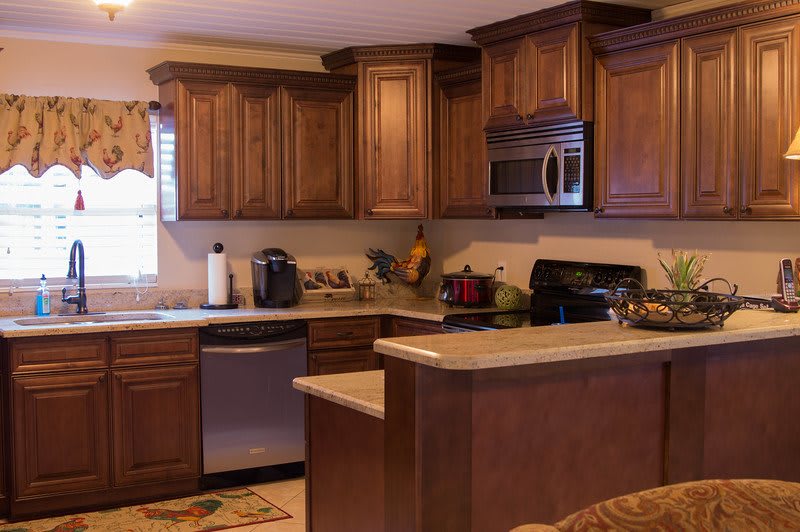
The strongest selling points are the human touches and the proven care culture. The owner, Dena, is widely described as having a heartfelt commitment to the elderly, and that genuine warmth shows in how staff respond to families, how residents appear well groomed, and how the environment feels more like a home than a facility. The staff come across as attentive, calm, and engaged, with a focus on meaningful interaction rather than checkbox care. Cleanliness is consistently noted, with a kitchen atmosphere that suggests home-cooked meals and everyday courtesy. Residents are described as content, social when appropriate, and supported by a rhythm of meals, activities, and quiet times that reinforce a sense of belonging.
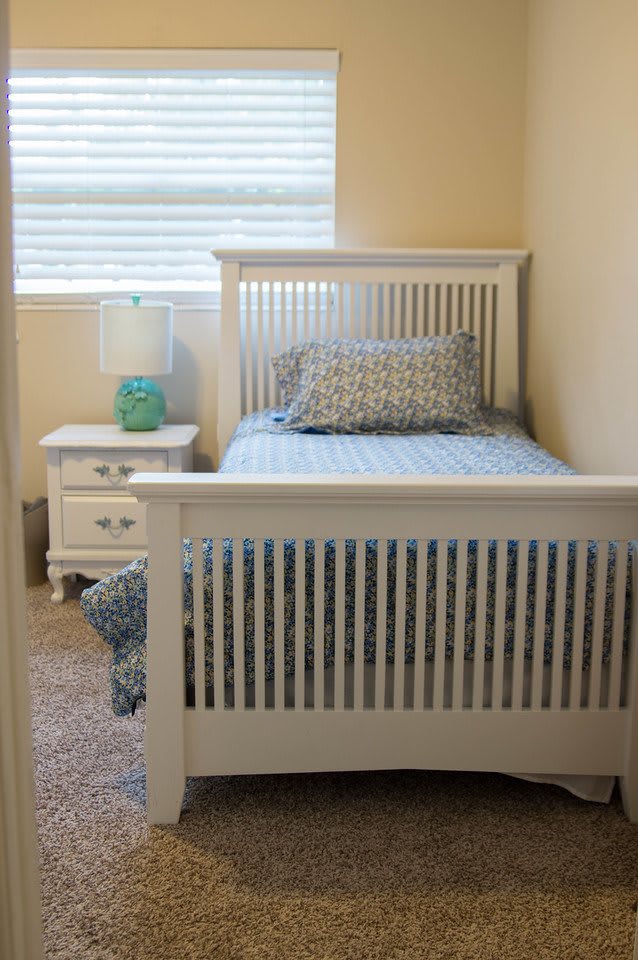
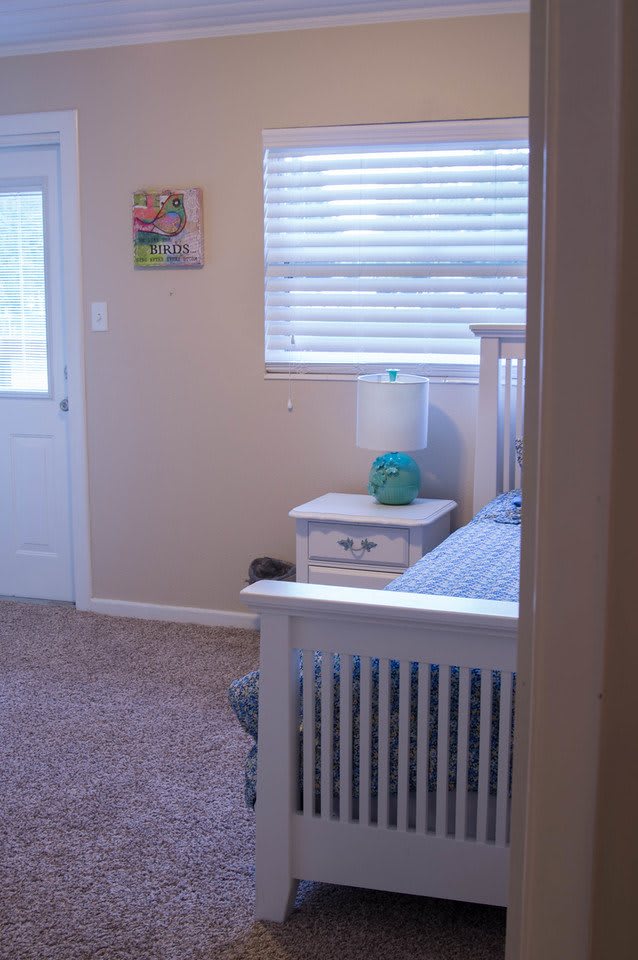
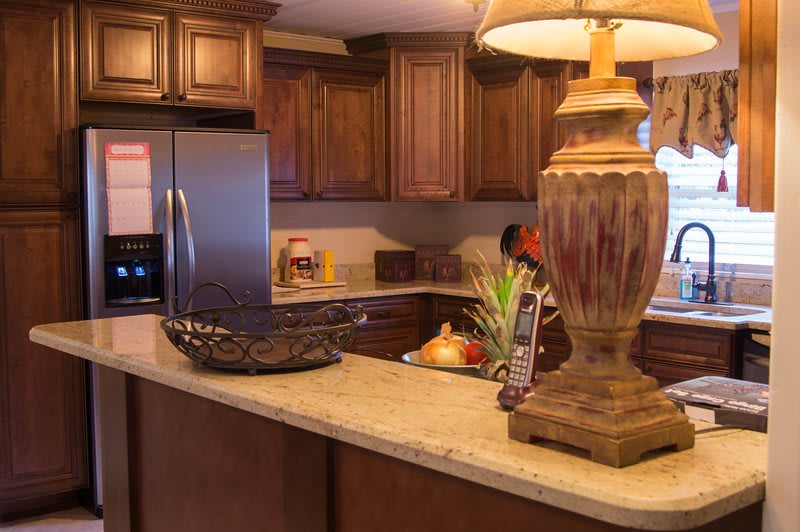
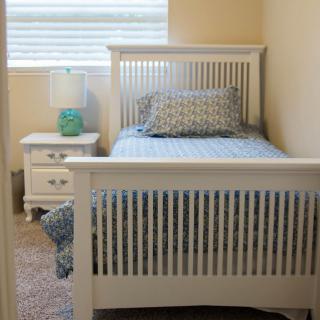
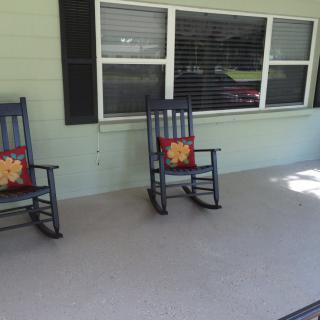
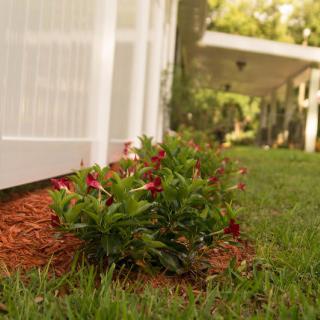
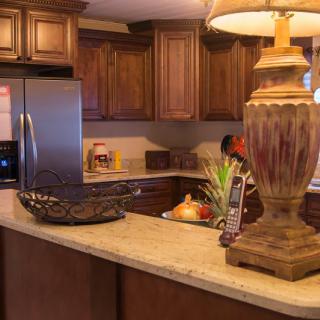
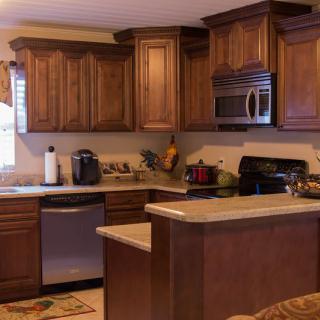
Amenities and ambiance reinforce the decision: a homelike setting, open and modern kitchen spaces, clean and orderly rooms, and inviting outdoor spaces that feel safe and familiar. Families repeatedly highlight that the homey feel, rather than a clinical or hospital-like vibe, eases transitions for new residents and reduces the stress of changing living circumstances. The small size enables real-time responsiveness to needs, and the daily routines, such as the smells of cookies or freshly prepared meals, contribute to a comforting, predictable atmosphere. This environment supports residents’ dignity and mood, while caregivers can tailor activities and menus to individual tastes, something that larger campuses often struggle to sustain at scale.
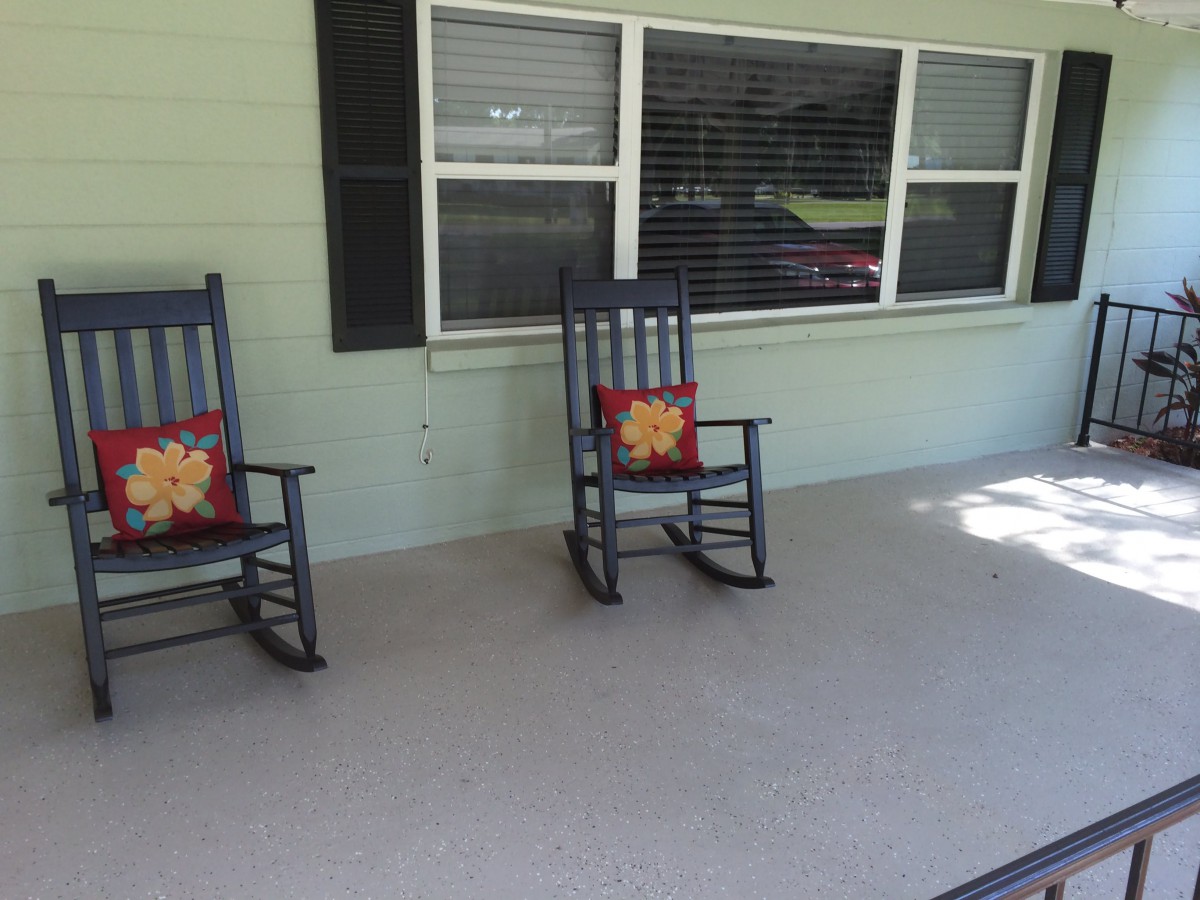
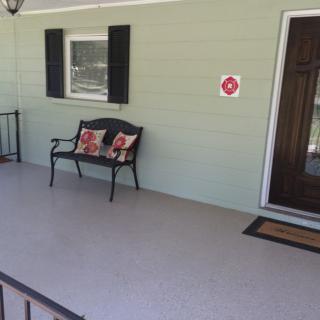
Yet the size also creates natural tradeoffs that families should weigh. The most obvious limitation is the capacity constraint: five beds means a waiting reality and a potential need to adjust expectations if hospital-level capacity or immediate placement is required. For some families, the location can also be a consideration, what works well for nearby families won’t always align with distant ones, and the small footprint may limit transportation options or the scale of social activities. A few reviews note physical layout elements, such as a back patio that isn’t covered, which matters for residents who smoke or spend significant time outdoors. In short, the pros are most meaningful for those prioritizing intimate care and a calm, home-like setting over expansive amenities.
Those strengths offset the limited size in practical, tangible ways. A tightly run operation means fewer residents to manage at once, stronger caregiver continuity on shifts, and a culture where caregivers can notice subtle changes in health or mood quickly. Families consistently report that communication with the owners and staff is straightforward and responsive, reducing the uncertainty that can accompany transitions into assisted living. The caregiver-to-resident balance translates into more personalized attention during meals and activities, helping residents feel seen and valued. For families seeking reassurance that Mom or Dad will be treated with respect, patience, and love, these factors carry substantial weight against the absence of a bigger menu of services.
For families considering Azalea Oaks, the decision should hinge on prioritizing intimate, relationship-based care over breadth of options. If the goal is a small, homey environment with highly engaged staff and a culture of genuine affection, Azalea Oaks delivers with convincing credibility. Prospective residents should schedule a visit, observe how meals and daily routines unfold, and speak with Dena about care plans, bed availability, and what a typical day looks like. If, instead, a higher level of medical oversight, larger community life, more extensive social programming, or a location with broader accessibility is non-negotiable, exploring larger assisted living options or other municipalities may be warranted. For the right family, Azalea Oaks is not just a place to live, it is a trusted, almost family-like home where care and compassion drive daily life.
 Studio apartments
 Board and Care Home
 Activities on-site
 Cable or satellite TV
 Dining room
 Financial aid
 Garden
 Housekeeping services
 Indoor common areas
 Laundry
 Outdoor common areas
 Private
 Respite or short term stays offered
 Wheelchair accessible showers
 Wi-Fi/high-speed internet available
 Tampa International (25 miles away)
 Ambulatory care
 Assistance with bathing
 Assistance with dressing
 High acuity care
 Incontinence care
 Meal preparation and service
 Medication management
 Arts and crafts
 Birthday parties
 Cooking club
 Educational speakers / life long learning
 Fitness programs
 Games
Games Stories
 English




 Ten Vital Duties of a Senior Caregiver: A Comprehensive Guide
 9 Stimulating Memory Activities for Seniors: Puzzles, Cards, and Much More
 Managing Nursing Home Expenses After Medicare Coverage Ends