


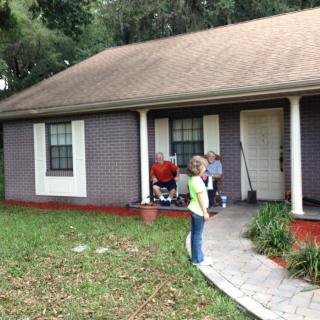
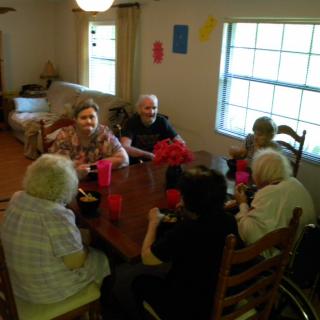
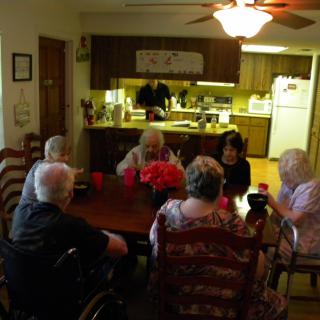


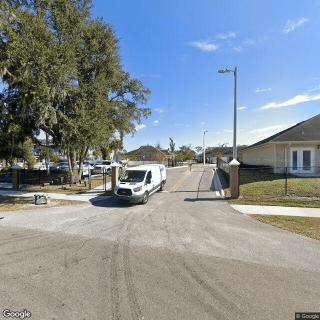
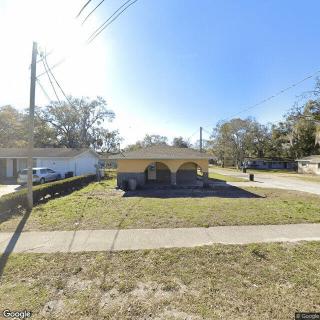
306 W Grant Street, Plant City, FL 33563
To contact a resident: (813) 704-5901
For more information about senior living options: (866) 208-4318
An Oasis of Hope, LLC Costs & Pricing
At An Oasis of Hope, LLC, we strive to provide exceptional care within a nurturing environment, reflected in our competitive pricing structure. For semi-private accommodations, our monthly fee is $3,000, which is slightly below the average rates of $3,096 in Hillsborough County and $3,009 across Florida. Additionally, our private rooms are offered at $5,000 per month - while this rate exceeds the county's average of $3,384 and the state's average of $3,699 - this investment ensures residents receive personalized attention and tailored care that prioritizes their comfort and well-being. We believe that our unique offerings justify these costs by fostering a truly supportive community for each individual.
| Floor plans | An Oasis of Hope, LLC | Hillsborough County | Florida |
|---|---|---|---|
| Semi-Private | $3,000 | $3,096 | $3,009 |
| Private | $5,000 | $3,384 | $3,699 |
Memory care communities with a similar price nearby
-
from -$300 / mo
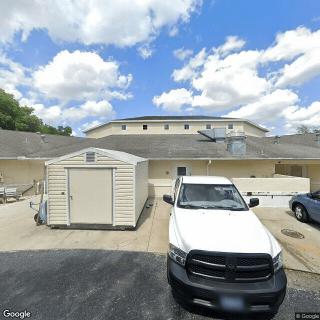
Alafia Village
$2,700 to $4,000 / month13.4 miles away -
from +$95 / mo

Homewood At Sun City Center
$3,095 to $6,500 / month25.0 miles away -
from +$250 / mo

Lake Gibson Village
$3,250 to $5,000 / month11.8 miles away -
from -$390 / mo
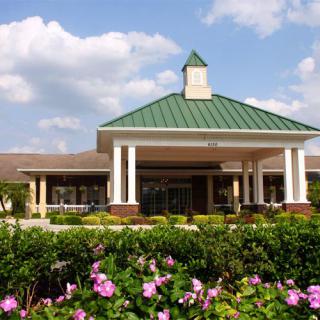
Hawthorne Inn of Lakeland
$2,610 to $3,300 / month12.8 miles away -
About the same

Freedom Plaza, a CCRC
$3,070 to $7,095 / month24.4 miles away
Overall Review of An Oasis of Hope, LLC
Pros
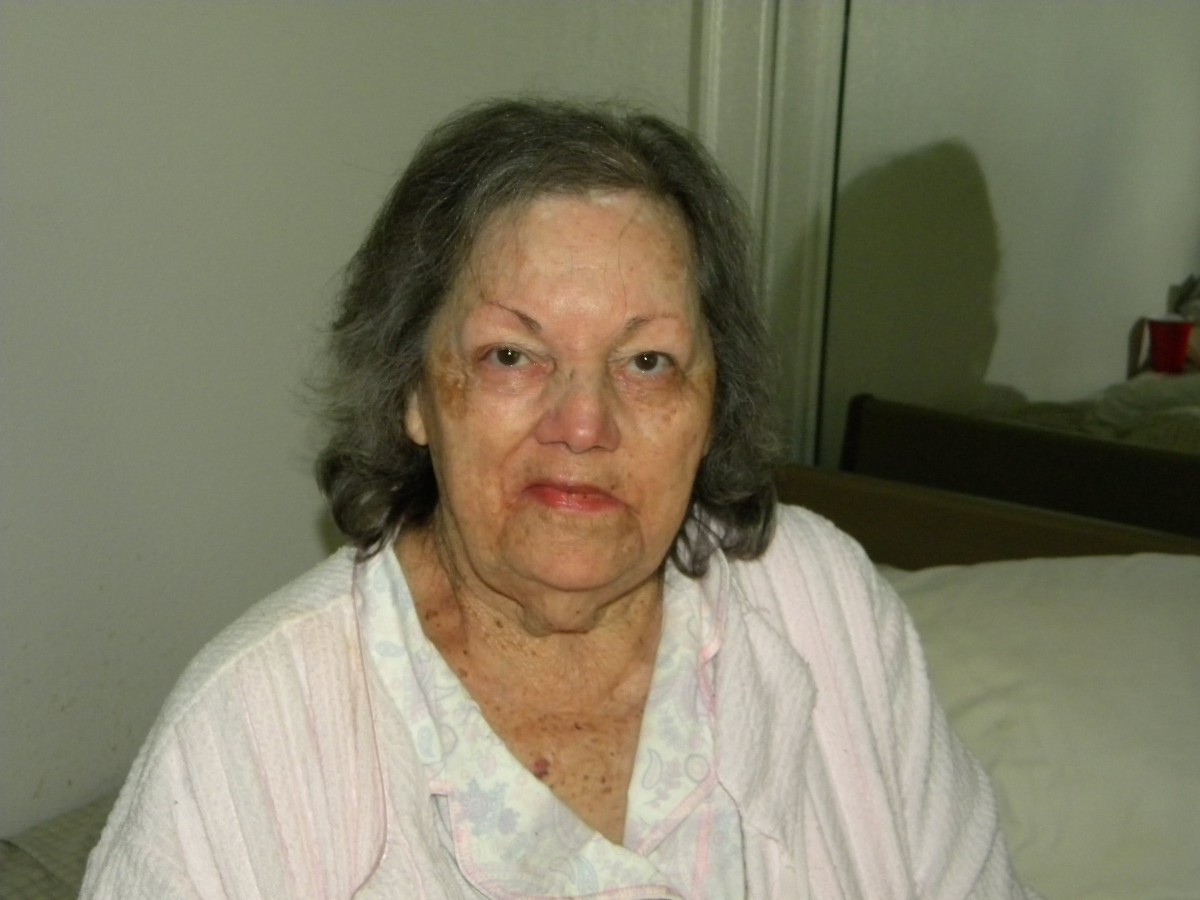
 The staff is described as excellent and caring.
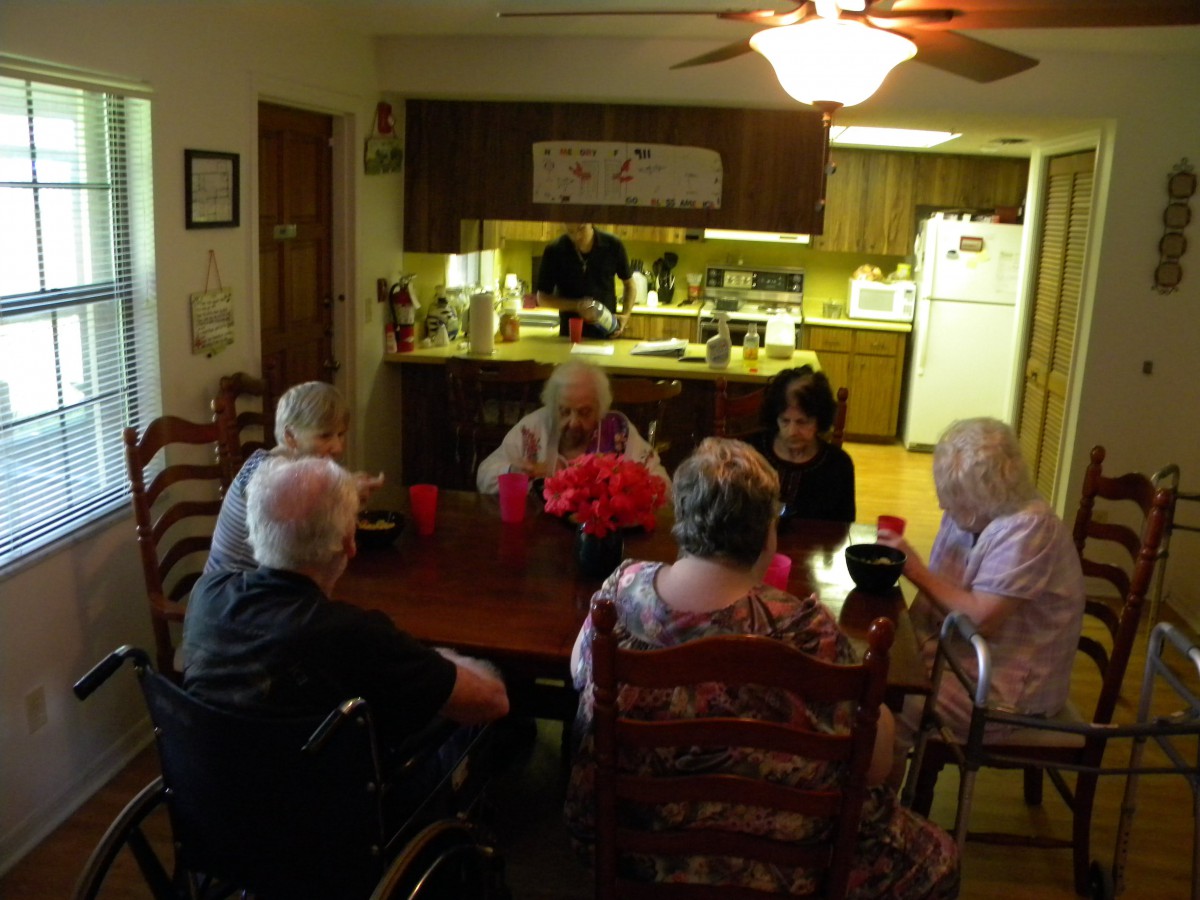
- The facility was clean and the people were friendly.
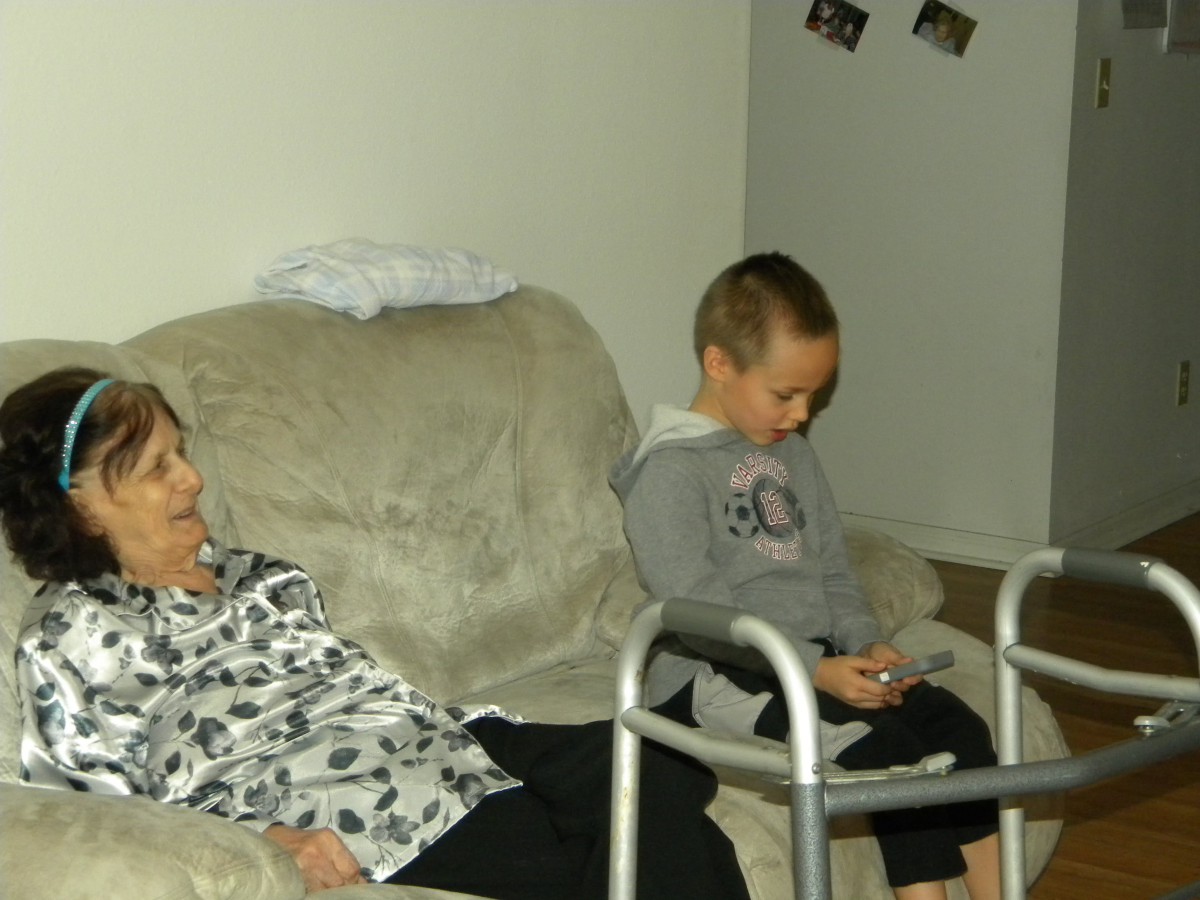
- They took great care of families and provided a great place for other family members.
- The place was loving, with love shown from the moment of arrival.
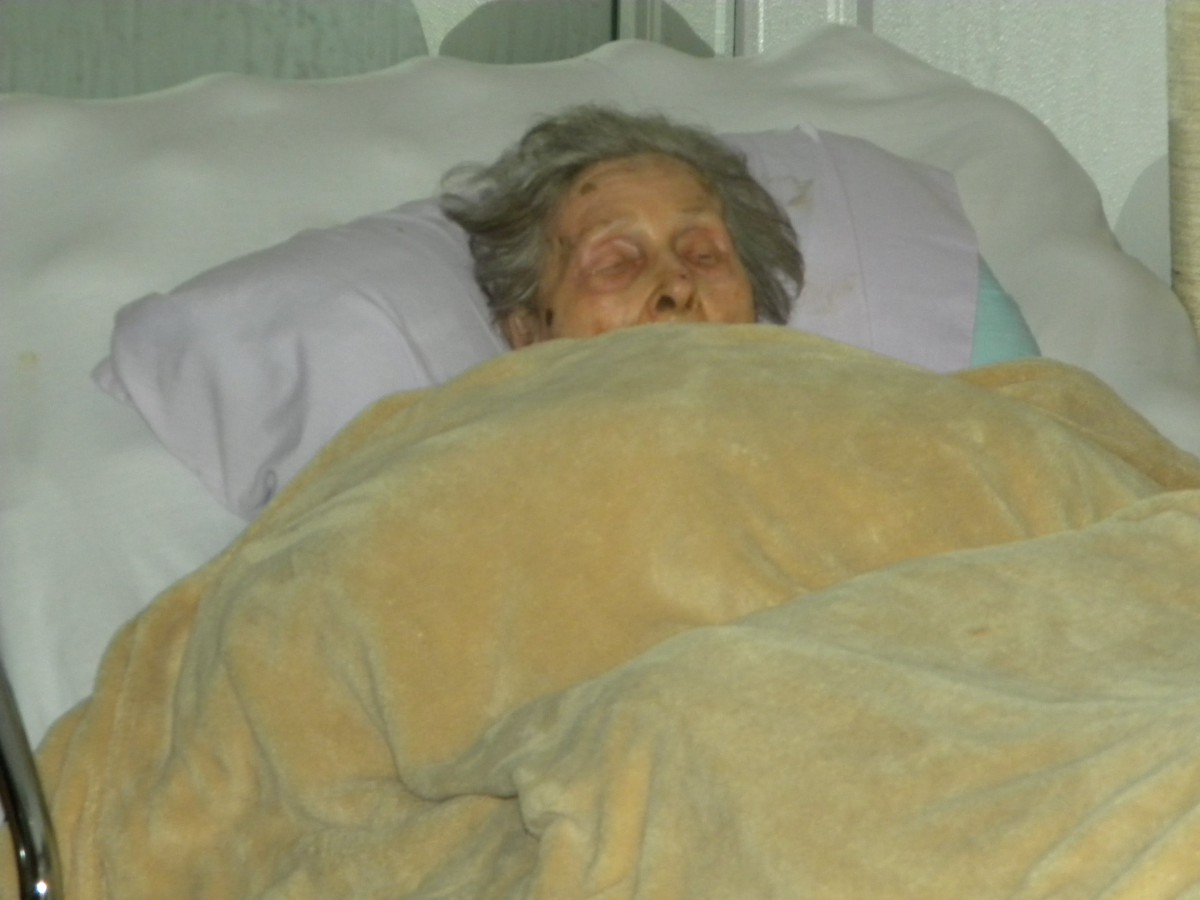
- The residents were well cared for and in good hands.
Cons
 The facility was closed due to the owner being in the hospital and having Guilian Barre Syndrome, and will remain closed.
- It is a shame that they are no longer around.
- The place is terrible.
- It is not recommended.
Review
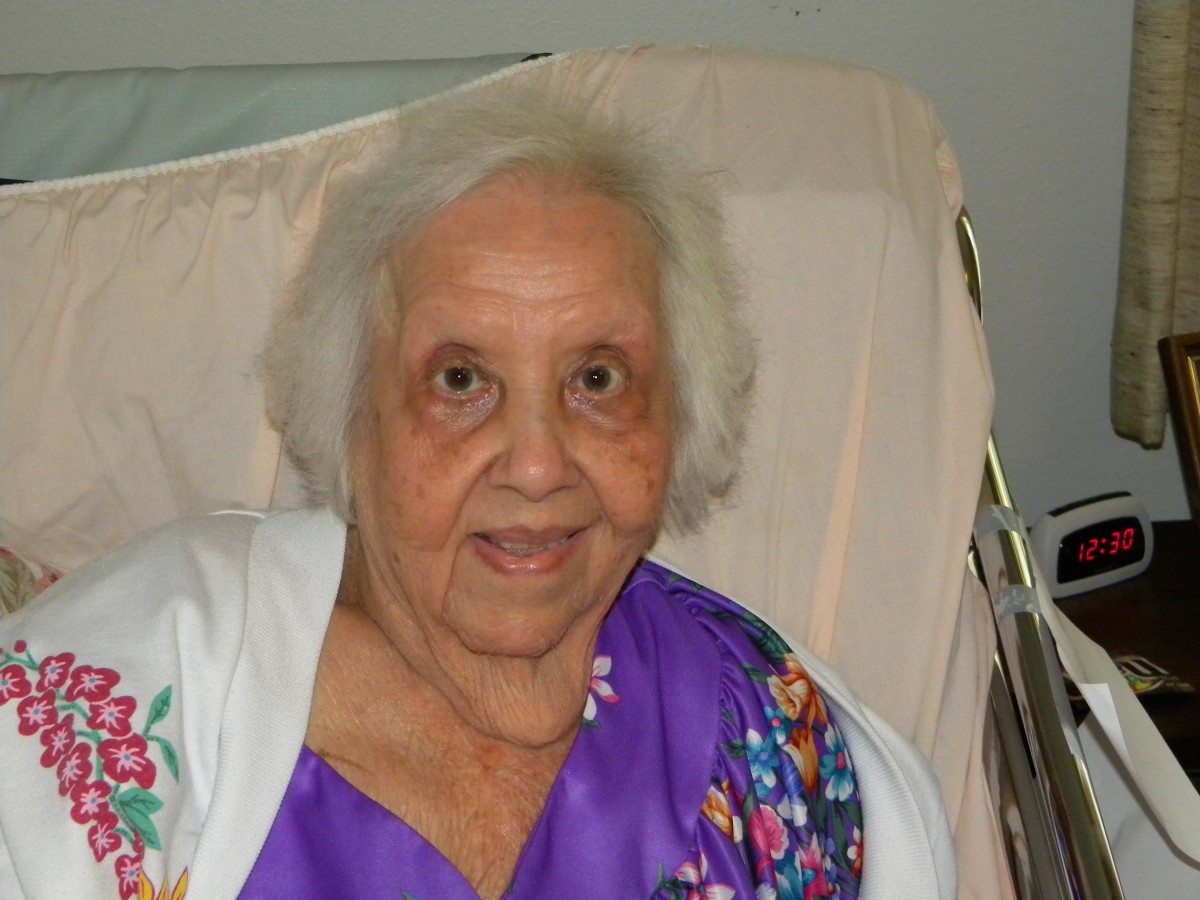
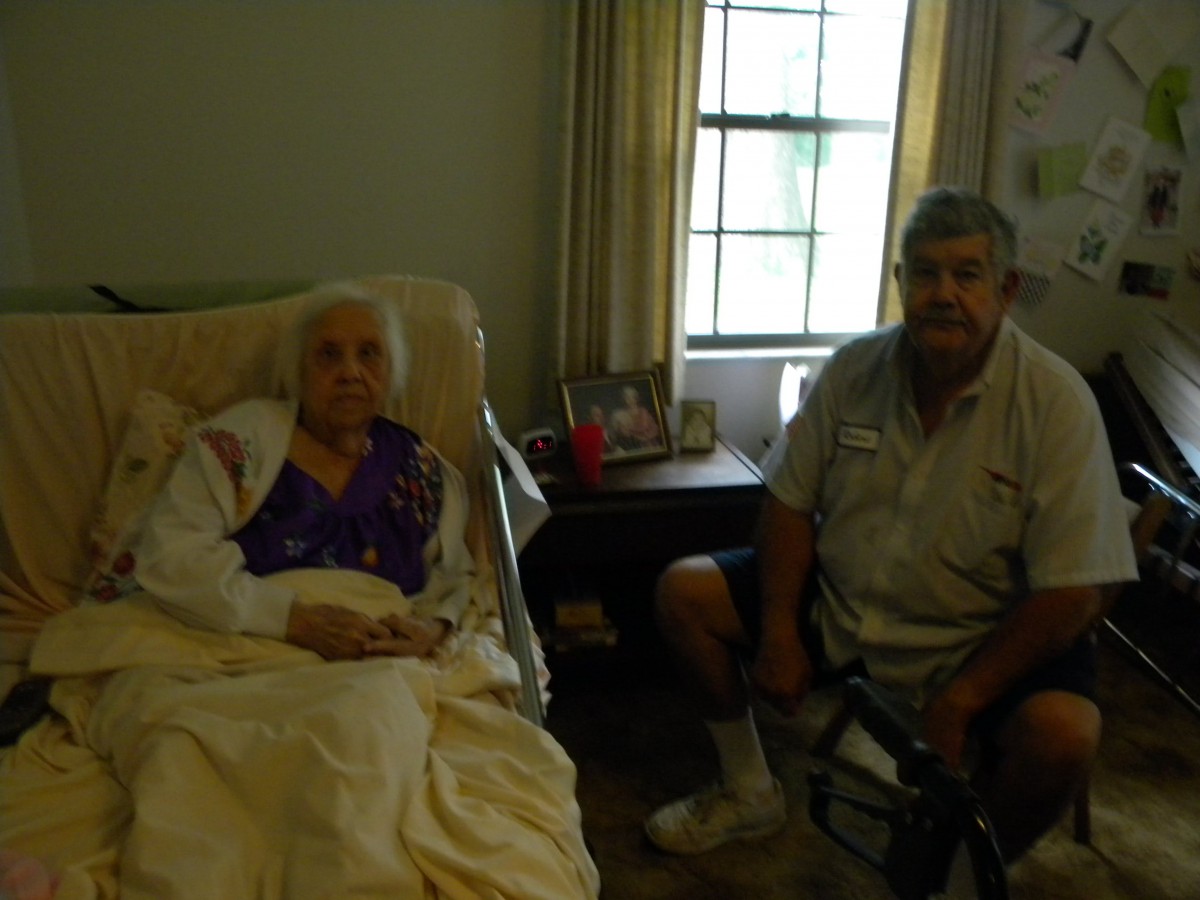
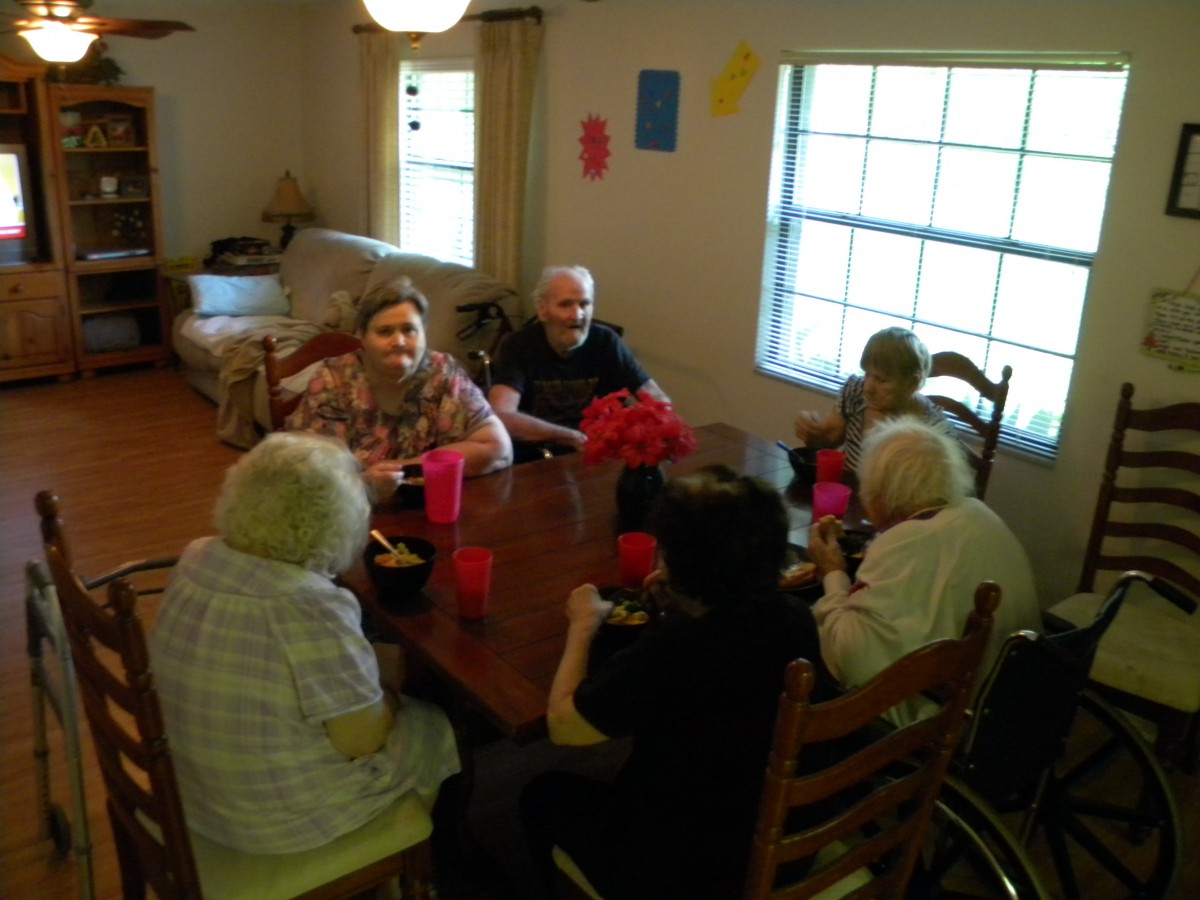
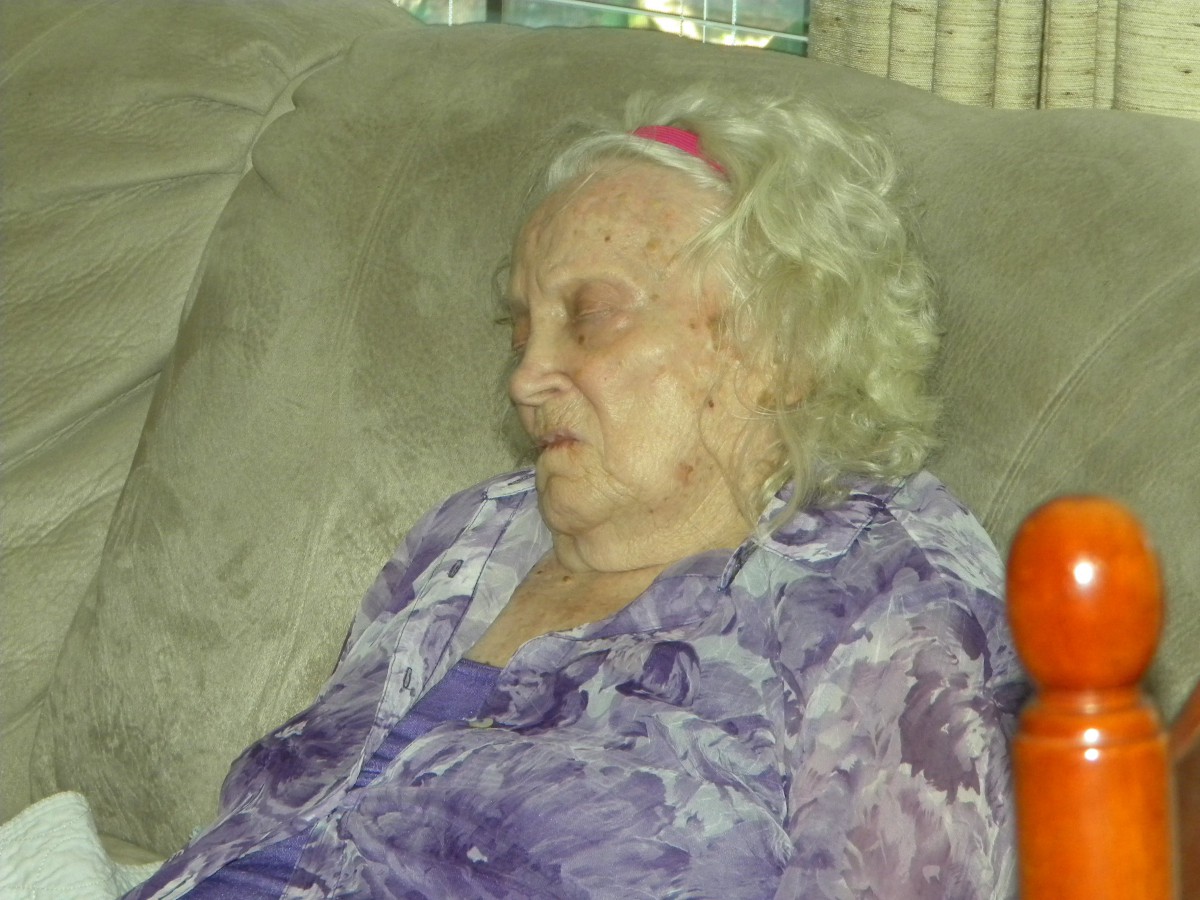
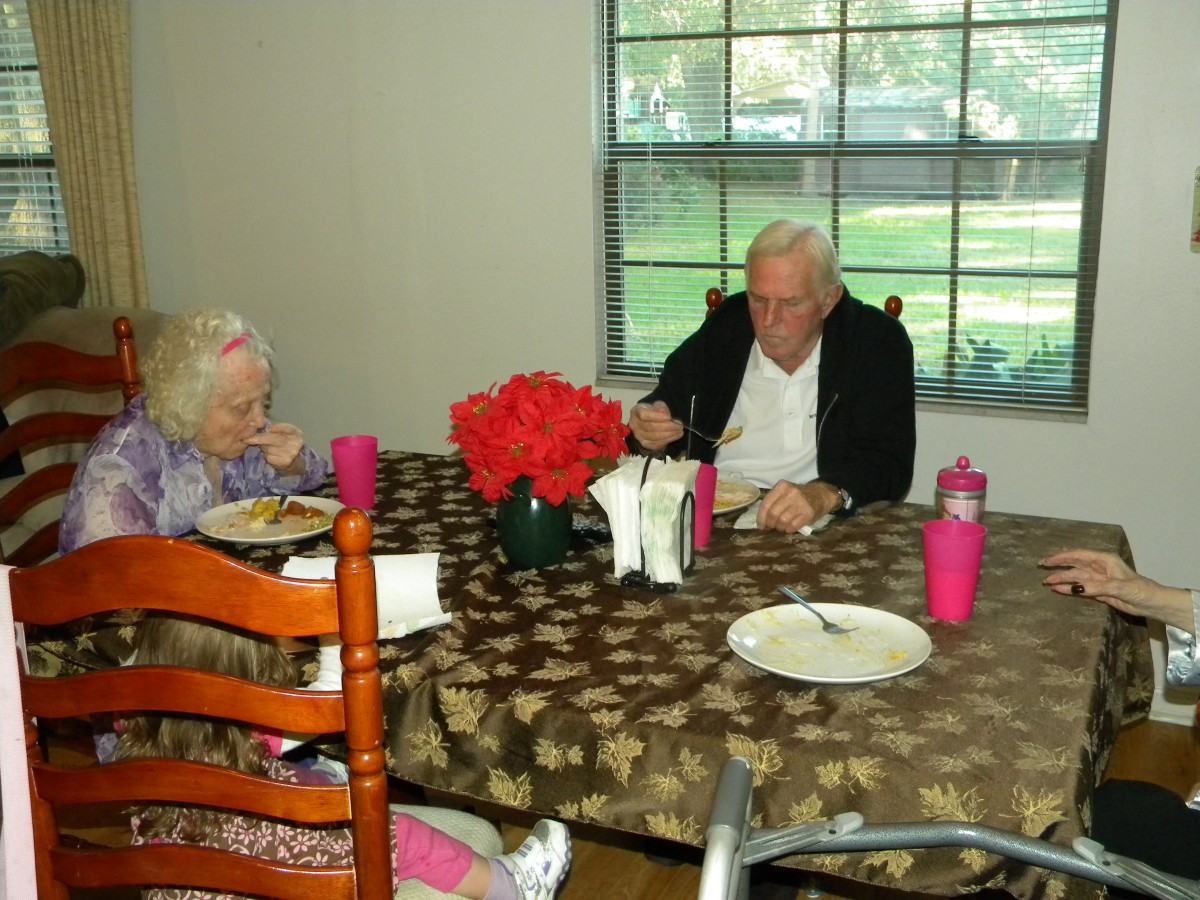
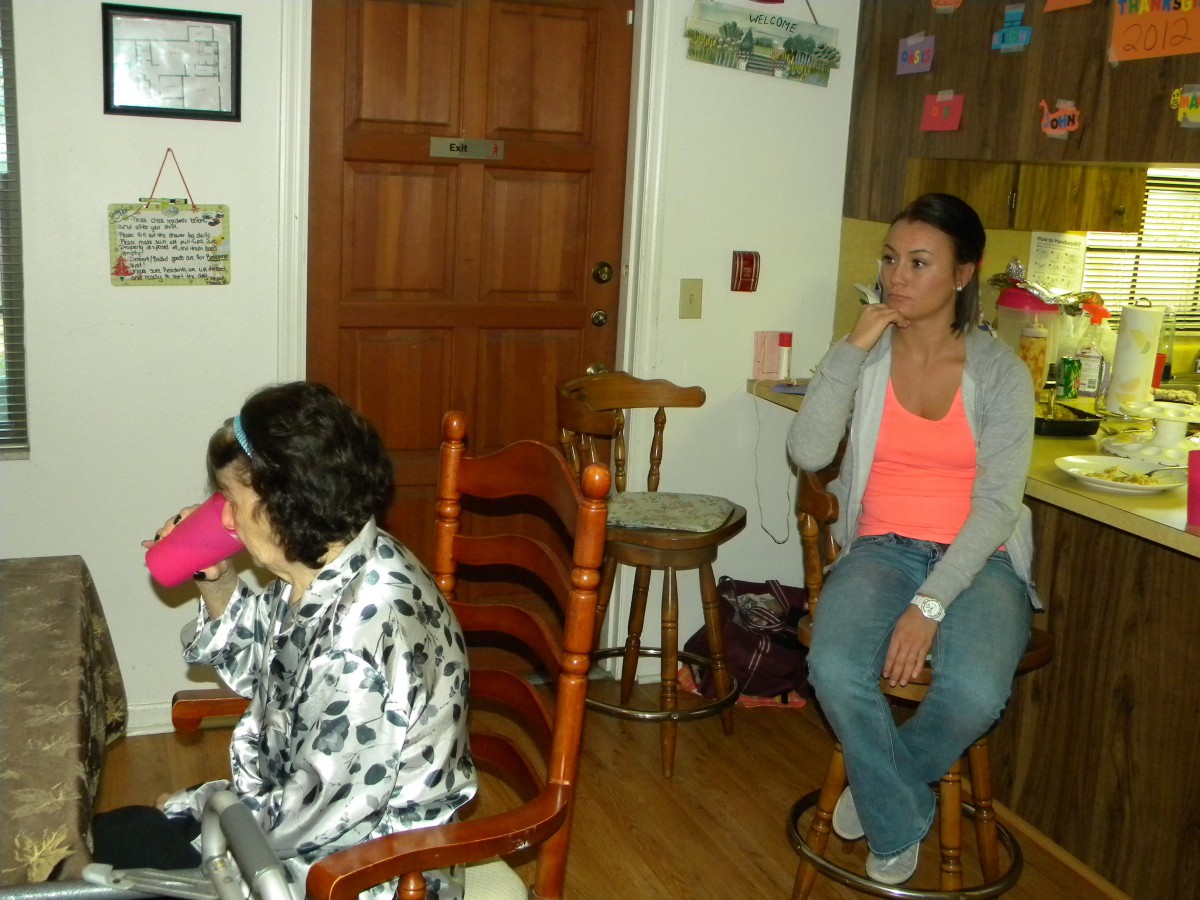
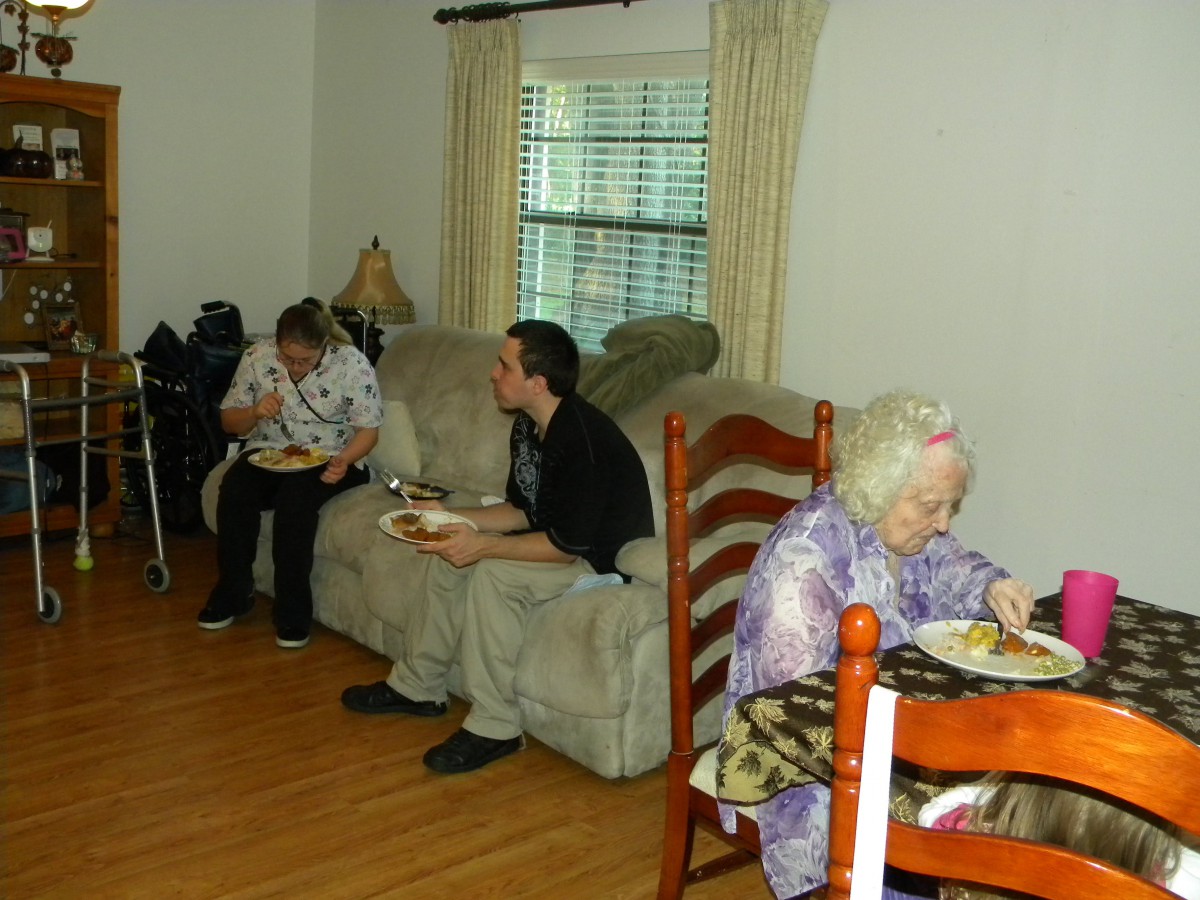
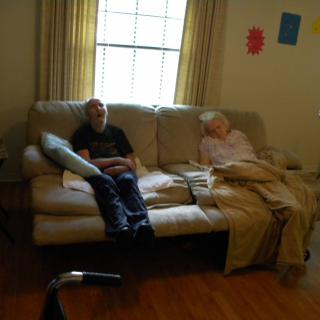
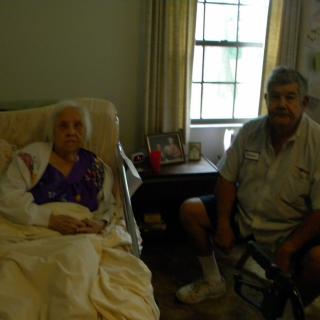
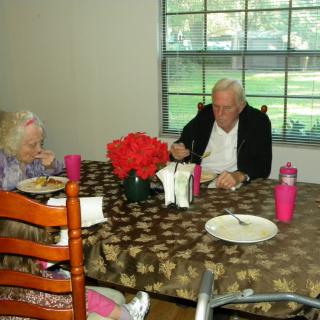
An Oasis of Hope, LLC in Plant City, Florida is best suited for families seeking an intimate, home-like assisted living experience where caregivers know residents well and personal warmth is the operating norm. The strongest voice in the captured feedback is about a warm, loving environment, where staff relationships feel genuine and residents are treated with kindness on a day-to-day basis. Cleanliness and a calm, homelike routine emerge as consistent positives, reinforcing the sense that this is a place where seniors are valued as individuals rather than as merely a number. This option works best for families who prioritize emotional security, predictable daily rhythms, and a smaller community where staff can respond with familiarity. Because the operation appears closely tied to the owner’s direct involvement, this community is most appropriate for those who can accept the inherent risk that leadership changes could affect continuity.
The key strengths center on care tone and attentive staff. Several accounts highlight a loving welcome that persists for years, with caregivers described as genuinely caring and residents reportedly well cared for and supported. The practical benefits of such an approach, consistent companionship, responsive assistance, and a clean, orderly environment, translate into tangible emotional comfort for seniors who prize personal attention over wall-to-wall programming. When staff establish trust and residents feel known, families often perceive lower stress around daily routines and decision-making. In these respects, the pros can meaningfully offset smaller-scale limitations in amenities or formal programming.
Yet the record is not uniformly favorable. One strongly negative review challenges the overall impression, signaling that not every experience aligns with the positive testimonials. More substantial is the contextual risk: the owner’s hospitalization for Guillain-Barré Syndrome and a report that the facility would remain closed under those circumstances introduces a concrete red flag about operational stability. This is not a cosmetic flaw but a material factor that can abruptly disrupt care, housing, and continuity for residents who depend on steady, predictable arrangements. In practical terms, reliability becomes the critical lens through which to judge this community.
Who should consider alternatives? Families that cannot tolerate a fragility of operation or who require clear, long-term continuity over intimate, homey appeal may want to look elsewhere. Those needing robust medical oversight, memory-care specialization, or a facility with a broader, more resilient management structure may find larger, more established options in the Plant City area better aligned with their goals. Even for seekers of a warm, familial vibe, the prospect of sudden leadership changes or a shutdown makes alternative communities with transparent governance and visible, ongoing occupancy more appealing.
Before deciding, perform due diligence that balances heart and hard facts. Confirm the current operating status and ownership, verify license status with the state, and determine whether the community is actively accepting residents. Insist on a face-to-face tour, speak with the administrator, and review sample care plans, staff-to-resident ratios, and daily schedules. Engage multiple residents or families about consistency of care and staff stability, and inspect the living environment, meal options, activities, and transportation logistics. Obtain references and verify the facility’s capacity to endure leadership transitions, since that factor has historically shaped this community’s trajectory more than any single testimonial.
The bottom line favors a cautious, evidence-based approach. When An Oasis of Hope is open, well-staffed, and backed by stable leadership, it can deliver a warm, personally attentive living arrangement that resonates deeply with families seeking a small, compassionate setting. However, the decisive questions revolve around continuity of operation and governance, underscored by at least one negative review and a documented ownership-health disruption. For seniors whose priorities include steady, long-term stability and transparency in management, this community warrants serious consideration only after rigorous validation of its current status. If stability checks out, it remains a compelling option; if not, it is prudent to pivot to better-validated choices in the Plant City area with clearly demonstrated ongoing management and occupancy.
 Board and Care Home
 Memory Care
 Activities off-site
 Bath tubs
 Devotional services off-site
 Indoor common areas
 Outdoor common areas
 Private
 Private bathrooms
 Wheelchair accessible showers
 Ambulatory care
 Diabetic care
 High acuity care
 Incontinence care
 Medication management
 Kosher

 Guiding Your Journey: Understanding Power of Attorney for Elderly Parents
 22 Remarkable Caregiver Support Groups Available Online and In-Person
 Understanding Medicaid Coverage for Assisted Living: A Comprehensive Guide