Nurse's Helping Hands - ALF in Pinellas Park, FL

Save
Nurse's Helping Hands - ALF

Nurse's Helping Hands - ALF in Pinellas Park, FL

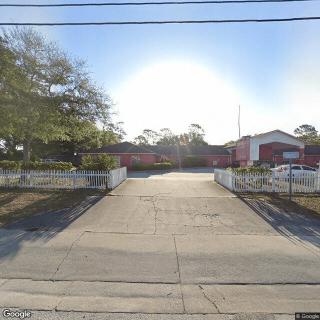
7191 71St Street N, Pinellas Park, FL 33781

For more information about senior living options: (844) 490-3973

4.2 from 13 reviews
5 stars
9
4 stars
1
3 stars
1
2 stars
0
1 stars
2

Assisted Living Respite Care

Overall Review of Nurse's Helping Hands - ALF

Pros

  • pro The staff at Nurses Helping Hands is described as loving, compassionate, and like family.
  • pro Jeanne and her team provide watchful, personalized care and keep families updated with photos and video calls.
  • pro The facility is welcoming and offers continuous stimulation that enhances residents' days.
  • pro The care during hospice is noted for genuine concern and thoughtful attention to each resident.
  • pro Andre the chef is fabulous, bringing kindness through wonderful meals.
  • pro Families feel relief and gratitude knowing their loved ones are cared for in a home-like, supportive environment.
  • pro The place is considered a gem, where staff treat each resident as an individual and as part of a caring family.
  • pro Many reviewers would highly recommend Nurses Helping Hands for its dedication and compassion.

Cons

  • pro The reviewer claimed John was not bathed and mold was present on his legs and arms, indicating poor hygiene.
  • pro They said the staff were too busy socializing to properly care for residents.
  • pro They warned others not to take their loved ones there, stating it was unsafe and untrustworthy.
  • pro They described the conditions as worse on a second visit, implying ongoing neglect.
  • pro They criticized the facility's management for lax supervision and slow, insufficient responses.
  • pro They criticized the referral service as unhelpful and motivated by money.

Review

Nurse's Helping Hands is best suited for families seeking a warm, intimate, home?like assisted living where residents are known by name and cared for with genuine warmth. It shines for seniors who thrive on regular social engagement, individualized attention, and frequent family communication. The setting emphasizes personal connection and daily meaning over clinical formality, and staff willingness to coordinate with hospice or similar services helps families manage difficult transitions with less burden. For couples or aging parents who want a caring, family?oriented environment rather than a stark, institutional feel, this community stands out as a meaningful option.

Alternatives become worth considering for residents whose needs outpace what a smaller, family?run ALF can reliably deliver. Those requiring constant medical supervision, high?touch wound care, intricate medication management, or a highly regimented, hospital?style routine may prosper more in larger facilities with dedicated clinical teams. Families seeking very predictable daily care, rigid safety protocols, or specialized memory?care programming may prefer other options. While the praise for personalization is consistent, the absence of a robust clinical footprint can be a mismatch for residents with complex medical demands.

The strongest positives are tangible and repeatedly evident: compassionate, individualized care; a palpable sense of family among residents and staff; proactive, regular communication with families, including photos and updates; and a dining program that makes meals a reliable source of comfort and joy. The intimate scale enables workers to understand residents' histories and preferences, shaping activities, celebrations, and daily routines in a way that many larger facilities cannot. These strengths meaningfully offset the main concerns raised in a single, sharp review, by illustrating how the community's culture and practices translate into steadier mood, engagement, and peace of mind for families navigating end?of?life care or transitions.

Communication and end?of?life care are particular strengths. Families consistently report that Jeanne and her team stay closely connected, coordinating with hospice when appropriate and providing ongoing oversight. Regular updates, FaceTime calls, and visible involvement in activities help families feel that their loved ones are not forgotten, even when distance intervenes. The dining experience - especially praise for the chef's meals and treats - contributes to a sense of continuity and normalcy during trying times, reinforcing the overall impression of a place that treats residents as valued individuals rather than numbers.

On the downside, one extensive, negative account cautions potential families about lapses in basic care, alleging inadequate bathing, mold, and staff distraction. Though this account is not representative of the majority, it cannot be ignored. It highlights a real risk in smaller, intimate settings: when staffing is stretched or turnover is high, routine oversight may erode. Prospective residents should insist on seeing current care plans in action, meeting front?line caregivers, and inspecting daily hygiene practices and housekeeping routines. A thorough tour should probe staff ratios, daily care workflows, and the facility's mechanisms for tracking concerns and resolving them promptly.

Bottom line: Nurse's Helping Hands offers a compelling mix of warmth, personal attention, and dependable family communication that makes it a strong choice for families prioritizing a homelike atmosphere and meaningful daily engagement. It delivers genuine peace of mind through hospice coordination, frequent updates, and a culture that feels like a caring extended family. Yet for residents whose needs demand aggressive medical oversight, highly structured clinical protocols, or expansive staffing safeguards, alternatives with larger clinical footprints may be more appropriate. Families should visit, observe interactions, and ask pointed questions about bathing, housekeeping, and safety procedures, then decide whether the resident would flourish in this intimate, community?driven setting or benefit from a setting with a deeper clinical backbone.

Features

Housing

  • 50 resident community capacity 50 resident community capacity

Types of Care

  • Assisted Living Assisted LivingAssisted living facilities provide crucial support and care for seniors who may need help with daily tasks such as medication management, bathing, and meal preparation. These communities offer a safe and comfortable environment where seniors can maintain their independence while receiving the assistance they need to thrive in their golden years.
  • Respite Care Respite CareRespite care provides temporary relief for caregivers, allowing them to recharge and attend to their own needs. It also gives seniors the opportunity to socialize, receive professional care, and experience a change of scenery, promoting overall well-being and reducing feelings of isolation.

Amenities

  • Beauty salon Beauty salonBeauty salons are important for seniors because they provide a space for them to feel pampered, socialize, and maintain their personal grooming and hygiene. Regular visits to a beauty salon can help boost seniors' self-esteem and overall well-being.
  • Cable or satellite TV Cable or satellite TVCable or satellite TV is important for seniors because it provides entertainment, news, and companionship, helping to combat loneliness and boredom. It also offers a wide range of programming options tailored to different interests and preferences.
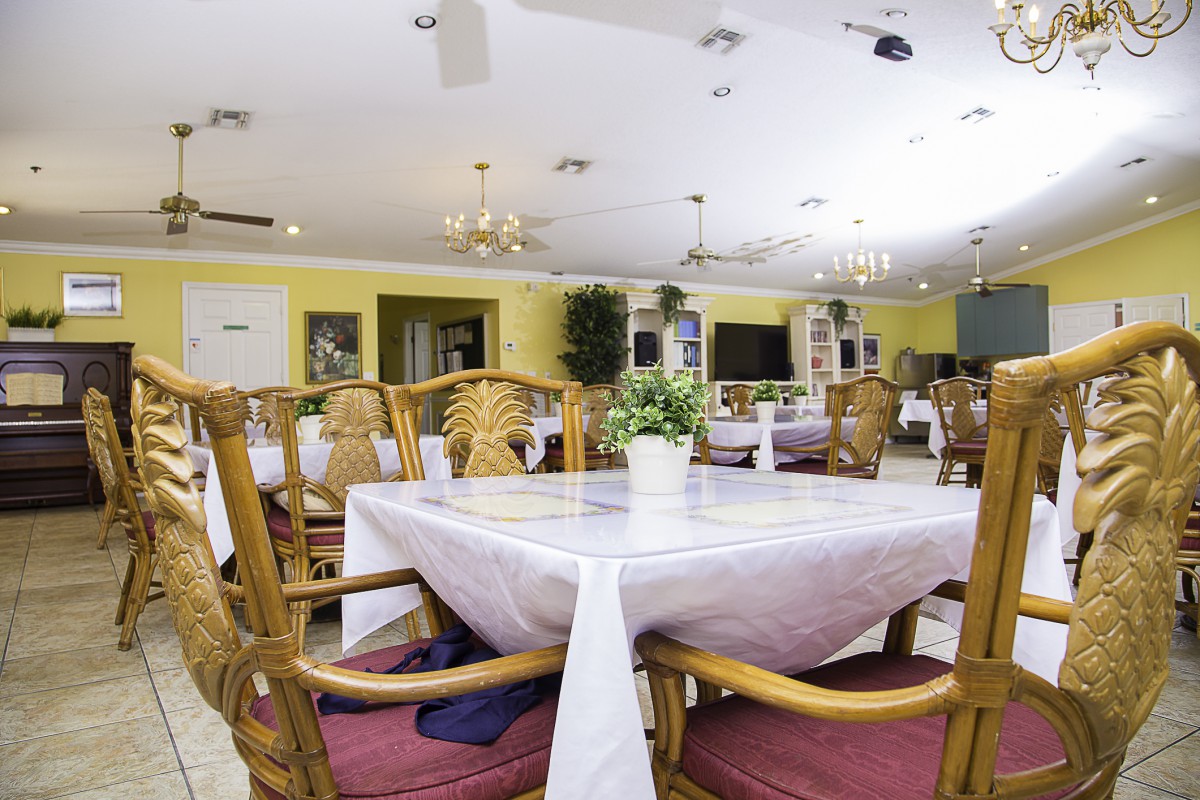
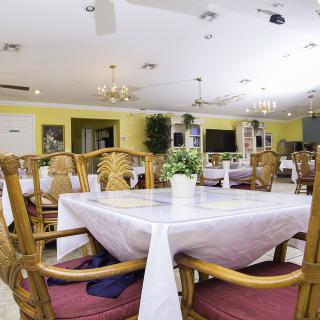
  • Dining room Dining roomDining rooms are important for seniors as they provide a space for socialization, connection, and nutritious meals. They offer opportunities for residents to bond over shared meals, foster a sense of community, and promote healthy eating habits. Dining rooms also ensure that seniors have access to well-balanced meals tailored to their dietary needs and preferences.
  • Fully furnished Fully furnishedFully furnished senior living communities are important for seniors because they provide convenience, comfort, and a hassle-free moving experience. Seniors can easily settle into their new living space without the stress of having to buy and move furniture. This allows them to focus on enjoying their new home and community.
  • Garden GardenGardens are important for seniors as they provide a peaceful and therapeutic environment for relaxation, physical activity, and socialization. Being in nature has been shown to reduce stress, improve mood, and promote overall well-being. Gardens also offer opportunities for seniors to engage in gardening activities, which can improve mobility, flexibility, and cognitive function. Additionally, gardens create a sense of community and connection with others who share a passion for plants and outdoor spaces.
  • Housekeeping services Housekeeping servicesHousekeeping services are important for seniors because they help maintain a clean and safe living environment, promote independence, and reduce the risk of accidents or illnesses. Additionally, having assistance with household chores can alleviate physical strain and allow seniors to focus on other aspects of their well-being.
  • Kitchenette KitchenetteKitchenettes are important for seniors living in senior living communities because they provide the convenience and independence of being able to prepare simple meals and snacks in the comfort of their own living space. This can help promote a sense of autonomy and well-being for seniors, allowing them to maintain some level of control over their dietary choices and daily routines.
  • Move-in coordination Move-in coordinationMove-in coordination is important for seniors because it helps ease the transition into their new living environment. It ensures that all logistics, such as packing, organizing movers, and setting up utilities are taken care of, allowing seniors to focus on settling in and adjusting to their new home. Having a smooth move-in process can alleviate stress and anxiety, making the transition smoother and more enjoyable for seniors.
  • Outdoor space Outdoor spaceOutdoor spaces are important for seniors as they provide opportunities for physical activity, social interaction, exposure to natural light and fresh air, and a sense of connection to nature. Having access to outdoor spaces can improve overall well-being and quality of life for older adults living in senior communities.
  • Restaurant-style dining Restaurant-style diningRestaurant-style dining is important for seniors because it allows them to enjoy delicious, nutritious meals in a social and upscale setting. This enhances their dining experience, promotes healthy eating habits, and fosters socialization with fellow residents, ultimately contributing to their overall well-being and quality of life.
  • Small library Small librarySmall libraries are important for seniors as they provide access to a variety of reading materials, including books, newspapers, and magazines. This can help stimulate their minds, keep them engaged, and provide a sense of community through book clubs and other social activities. Additionally, reading has been shown to improve cognitive function and overall mental well-being in older adults.
  • Telephone TelephoneTelephones are important for seniors as they provide a lifeline for communication with loved ones, emergency services, and healthcare providers. They offer a sense of security and independence, enabling seniors to stay connected and access assistance when needed.
  • Wi-Fi/high-speed internet available Wi-Fi/high-speed internet availableWi-Fi/high-speed internet is important for seniors to stay connected with loved ones, access online resources, and participate in virtual activities to combat feelings of loneliness and isolation. It also allows them to easily manage healthcare needs, access entertainment, and engage in lifelong learning opportunities.

Transportation

  • St. Petersburg-Clearwater International (6 miles away) St. Petersburg-Clearwater International (6 miles away)
  • Tampa International (16 miles away) Tampa International (16 miles away)

Care Services

  • 24-hour call system 24-hour call system24-hour call systems are important for seniors because they provide peace of mind and immediate assistance in case of emergencies. This technology ensures that help is always available, promoting safety and security for elderly individuals living alone or in assisted living facilities.
  • 24-hour supervision 24-hour supervision24-hour supervision is important for seniors to ensure their safety, well-being, and access to immediate assistance in case of emergencies or health issues. This constant support provides peace of mind for both seniors and their loved ones, allowing them to age in place with dignity and security.
  • Activities of daily living assistance Activities of daily living assistanceActivities of daily living assistance are important for seniors because they provide essential support with tasks such as eating, bathing, dressing, and mobility. This assistance helps seniors maintain their independence, dignity, and overall quality of life as they age.
  • Assistance with bathing Assistance with bathingAssistance with bathing is crucial for seniors as it helps maintain personal hygiene, prevents infections, and ensures their overall well-being and comfort. It also provides a sense of dignity and independence for seniors who may struggle with this task on their own.
  • Assistance with dressing Assistance with dressingAssistance with dressing is important for seniors because it helps maintain their independence, promotes personal hygiene, prevents accidents and injuries, and improves overall quality of life. This service ensures that seniors can continue to dress comfortably and confidently, despite any physical limitations they may have.
  • Assistance with transfers Assistance with transfersAssistance with transfers is crucial for seniors as it helps prevent falls and injuries, maintains their independence, and ensures they can safely navigate their living environment. It also provides peace of mind for both seniors and their loved ones.
  • Diabetes diet Diabetes dietA diabetes diet is crucial for seniors as it helps manage blood sugar levels, reduce risks of complications, and improve overall health and well-being. By following a balanced and nutritious diet tailored to their specific needs, seniors can better control their diabetes and enhance their quality of life.
  • Meal preparation and service Meal preparation and serviceMeal preparation and service are crucial for seniors as they may have limited mobility or energy to cook nutritious meals. Having access to healthy and convenient food options can ensure they are getting the proper nutrition needed to maintain their overall health and well-being.
  • Medication management Medication managementMedication management is crucial for seniors to ensure they are taking the right medications at the correct dosages and times. This helps prevent adverse drug interactions, reduces the risk of medication errors, and promotes overall health and well-being. Proactive management also allows for adjustments as needed based on changing health conditions or new prescriptions.
  • Mental wellness program Mental wellness programMental wellness programs are essential for seniors as they promote cognitive stimulation, emotional support, and social engagement. These programs help prevent isolation, depression, and cognitive decline, ultimately enhancing the overall quality of life for older adults.
  • Special dietary restrictions Special dietary restrictionsSpecial dietary restrictions are important for seniors because age-related changes in metabolism and health conditions can make it difficult for their bodies to process certain foods. By following a diet tailored to their specific needs, seniors can maintain their overall health and well-being, manage chronic conditions, and reduce the risk of complications such as malnutrition or food interactions with medications.
Dining

  • Diabetes diet Diabetes dietA diabetes diet is crucial for seniors as it helps manage blood sugar levels, reduce risks of complications, and improve overall health and well-being. By following a balanced and nutritious diet tailored to their specific needs, seniors can better control their diabetes and enhance their quality of life.
  • Special dietary restrictions Special dietary restrictionsSpecial dietary restrictions are important for seniors because age-related changes in metabolism and health conditions can make it difficult for their bodies to process certain foods. By following a diet tailored to their specific needs, seniors can maintain their overall health and well-being, manage chronic conditions, and reduce the risk of complications such as malnutrition or food interactions with medications.

Activities

  • Community-sponsored activities Community-sponsored activitiesCommunity-sponsored activities are important for seniors as they provide opportunities for social interaction, mental stimulation, and physical activity. These activities can help improve overall well-being, combat loneliness and isolation, and promote a sense of belonging and purpose among older adults.
  • Resident-run activities Resident-run activitiesResident-run activities are important for seniors as they encourage social interaction, creativity, and a sense of autonomy. These activities empower seniors to stay engaged and active in their community while fostering meaningful connections with their peers.
  • Scheduled daily activities Scheduled daily activitiesScheduled daily activities are important for seniors because they provide structure, socialization, mental stimulation, and physical activity. Engaging in regular activities can improve overall well-being and quality of life for seniors living in a community setting.

Description

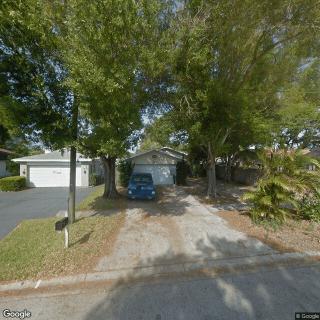
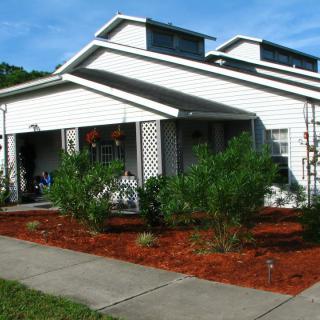
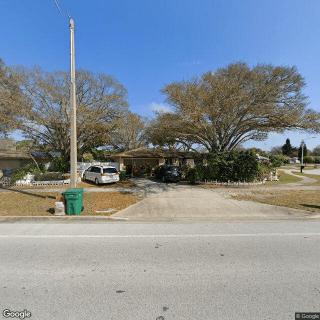
Nurse's Helping Hands is a welcoming assisted living facility (ALF) located in the heart of Pinellas Park, FL, dedicated to providing exceptional respite care. Our community features a range of comfortable and convenient amenities designed to enhance the quality of life for our residents. Enjoy cable or satellite TV, a fully furnished living space, and cozy outdoor areas where you can relax amidst nature. Our dining options include restaurant-style meals tailored to meet special dietary restrictions, ensuring that every resident enjoys nutritious and delicious food.

At Nurse's Helping Hands, we prioritize the well-being of our residents with 24-hour supervision and comprehensive care services. Our trained staff assists with activities of daily living, including bathing, dressing, and transfers. We also provide specialized support such as medication management and diabetes diet assistance. Residents are encouraged to engage in our mental wellness program and take part in scheduled daily activities alongside their peers.

With our small library for quieter moments and regular opportunities for resident-run activities, there's always something engaging to do at Nurse's Helping Hands. The community is conveniently situated near various local attractions; enjoy leisurely strolls in nearby parks or dining at one of the many restaurants just around the corner. Whether it’s accessing nearby pharmacies or visiting local healthcare facilities, including physicians and hospitals, everything you need is within reach.

Come experience the warmth and support of Nurse’s Helping Hands, where compassionate care meets a vibrant lifestyle tailored to foster independence while ensuring safety and comfort in your golden years.

Nearby Places of Interest

Pharmacies

  • CVS Pharmacy (0.1 miles)
  • Walgreens (1.2 miles)
  • Winn-Dixie (1.5 miles)
  • CVS Pharmacy (1.6 miles)
  • Walgreens (1.9 miles)
  • Winn-Dixie (1.9 miles)
  • CVS Pharmacy (2.5 miles)

Physicians

  • Wellspring Cancer Center (0.6 miles)
  • Skin Wellness Center (1.2 miles)
  • Bay Area Medical (2.3 miles)
  • Village Family Practice (2.4 miles)
  • Dr.Karkare (3.4 miles)
  • Pediatric Health Care Alliance (3.7 miles)
  • Pinellas County Environmental Health (4.3 miles)

Places of Worship

  • Christ The Cornerstone (1.8 miles)
  • Allendale United Methodist Church (5.7 miles)

Restaurants

  • McDonald's (2 miles)
  • Mercel's Bake Shop (2.3 miles)
  • Burger King (3 miles)
  • Pollo Tropical (3 miles)
  • Burger King (3.1 miles)
  • Portillo's Hot Dogs (3.2 miles)
  • Chili's Grill & Bar (3.3 miles)

Parks

  • Freedom Lake Park (2.8 miles)
  • Northwest Park (3.3 miles)
  • Azalea Park (3.7 miles)
  • Largo Central Park (4.9 miles)
  • Treasure Island Beach (5.1 miles)
  • Fossil Park (5.8 miles)

Theaters

  • Regal Park Place & RPX (3.1 miles)
  • SMG Seminole (3.5 miles)
  • Regal Largo Mall (4.9 miles)

Cafes

  • Panera Bread (3.2 miles)
  • Kristina's Cafe (4.2 miles)
  • Starbucks (4.6 miles)
  • Mazzaro's Italian Market (5 miles)
  • Bula Kafe (5.9 miles)
  • Bandit Coffee Co. (6.2 miles)

Hospitals

  • All Children's Obgyn Specialists (4.8 miles)

Transportation

  • St Pete-Clearwater International Airport (PIE) (5.5 miles)

Frequently Asked Questions

Where is Nurse's Helping Hands - ALF?

Nearby Communities

  • Nurse's Helping Hands Inc

    Nurse's Helping Hands Inc

    Pinellas Park, FL

    3.9 from 14 reviews
     

    pro Caring aides and a pleasant atmosphere.

  • Bassett Retirement Home I

    Bassett Retirement Home I

    Pinellas Park, FL

    3.8 from 83 reviews
     

    pro Vibrant lifestyle with extensive nearby amenities (cafes, parks, pharmacies, restaurants, theaters, hospital).

  • Pinellas Cascade Mobile Home

    Pinellas Cascade Mobile Home

    Pinellas Park, FL

    4.1 from 100 reviews
     

    pro Vibrant, convenient location with easy access to parks, pharmacies, doctors, dining, worship, and theatres.

  • Country Inn

    Country Inn

    Pinellas Park, FL

    3.5 from 12 reviews
    $2,000 to $2,600 / month

    pro Caring staff with proactive management; clean, spacious rooms and good meals.

  • Good Hope of Pinellas

    Good Hope of Pinellas

    Pinellas Park, FL

    3.7 from 6 reviews
    $1,500 to $2,500 / month

    pro Attentive staff, clean environment, and generally satisfied residents.

  • Duey's Place

    Duey's Place

    Pinellas Park, FL


    pro Small, personalized setting with 24-hour supervision and full daily living support.

  • Gulf Shore Care Center

    Gulf Shore Care Center

    Pinellas Park, FL

    3.4 from 106 reviews
     

    pro Clean, well-maintained facility with attentive and compassionate staff.

  • Sunshine Mobile Home Park

    Sunshine Mobile Home Park

    St. Petersburg, FL

    3.3 from 102 reviews
     

    pro Strong sense of community with convenient amenities.

  • Baytree Lakeside

    Baytree Lakeside

    St. Petersburg, FL

    4.2 from 40 reviews
    $2,200 / month

    pro Attentive staff in a clean, activity-rich environment.

Related Resources

  • assisted living vs nursing homeChoosing the Right Senior Care: A Detailed Exploration of Assisted Living and Nursing Homes
    Choosing between assisted living and nursing homes involves evaluating emotional and financial factors, with assisted living offering independence and support for daily activities at a lower cost, while nursing homes provide intensive medical care for individuals with significant health needs. The decision is influenced by personal preferences, health status, cognitive function, and varying Medicaid coverage across states.

  • assisted living costUnderstanding the True Cost of Assisted Living in 2025: A Comprehensive Guide

    Assisted living in 2025 offers a crucial balance of independence and support for seniors, with costs varying from $2,500 to over $7,000 per month based on factors such as location and care level. Understanding pricing complexities, including regional differences and potential hidden fees, is essential for families to plan financially while ensuring quality care for their loved ones.

  • does medicaid pay for assisted livingUnderstanding Medicaid Coverage for Assisted Living: A Comprehensive Guide
    The guide outlines the complexities of Medicaid coverage for assisted living, highlighting significant state-to-state variations, limited coverage often restricted to personal care services, and the existence of specialized waivers for certain needs like memory care. It advises families to consult local Medicaid offices for options while emphasizing the importance of understanding state-specific regulations and facility policies.