Noble Senior Living at Pensacola
Save
4916 Mobile Hwy, Pensacola, FL 32506
For more information about senior living options: (844) 490-3973
Noble Senior Living at Pensacola offers competitive pricing for its residents, particularly when compared to the average costs in Escambia County and across Florida. For those interested in a semi-private room, Noble's rate of $2,650 per month is notably more economical than the county's average of $3,209 and the state average of $3,009. Similarly, residents opting for a studio will find that Noble's pricing at $4,000 is slightly lower than both the local average of $4,277 and the statewide rate of $3,823. This positioning not only makes Noble Senior Living an attractive choice for seniors but also reflects a commitment to providing quality care while being mindful of affordability in a competitive market.
| Floor plans | Noble Senior Living at Pensacola | Escambia County | Florida |
|---|---|---|---|
| Semi-Private | $2,650 | $3,209 | $3,009 |
| Studio | $4,000 | $4,277 | $3,823 |
Noble Senior Living at Pensacola is best suited for budget-conscious seniors who want a warm, community-focused setting and are willing to trade some modernity for a lower-cost option. The facility has weathered ownership changes that have begun to shift the culture toward resident well-being, and several accounts praise caring staff and a director who is accessible and engaged. The property is older, with infrastructure that shows its age, but there are ongoing improvements in staffing and programming that can deliver a grounded, social daily life. For residents who value daily meals included, a straightforward activity calendar, and staff who know residents by name, this community offers a dependable level of day-to-day care without the trappings of a high-end campus.
Alternatives should be strongly considered by families needing private rooms with en-suite baths, stringent infection control, or a dedicated, separate memory-care environment. Many reviews describe small, shared rooms with multiple residents per bathroom, plus odors and maintenance issues that color the experience. Inconsistent night staffing, uneven professionalism among staff, and apparent gaps in management erode trust. If the priority is a pristine, quiet, upscale setting, or if a resident requires robust 24/7 medical oversight, or a facility with dependable night coverage and tightly coordinated memory-care services, it is prudent to look elsewhere.
On the upside, several reviewers highlight genuinely caring staff and a director who remains involved with residents' welfare. The recent management transition has yielded tangible improvements in upkeep and programming, and the cost structure can be practical - no surprise fees, with meals and services bundled in. These strengths can translate into meaningful daily life for residents who respond well to consistent, friendly interactions and a sense of being cared for. However, those gains are tempered by persistent drawbacks: an older building, cramped rooms, shared bathrooms, and cleanliness concerns in certain areas. The caring ethos can offset some frustrations, but it cannot fully compensate for structural and environmental constraints.
Operational reliability emerges as a key risk in several accounts. Reports of minimal night staffing, delayed responses, and uneven communication from leadership raise the question of safety and responsiveness after hours. Maintenance issues - roof leaks, aging furnishings, and odors - signal comfort and safety problems that routine friendliness cannot erase. The arrangement of memory-care residents within the same general community raises supervision questions for some families, suggesting the need for clear separation and specialized oversight if memory issues are involved. Prospective residents should demand transparent plans for memory-care allocation, room configurations that preserve dignity, and a verifiable maintenance and sanitation program.
Before deciding, request a targeted tour focused on condition, cleanliness, and maintenance responsiveness. Ask for a current maintenance log, evidence of pest control, and a concrete plan to address recurring smells. Verify clock-night staffing levels and identify who is responsible after hours, along with how often the director and supervisors are on site. Inquire about transportation options, activity programming, and what a typical day looks like for residents, especially those with memory needs. Clarify what is included in the monthly rate and whether any services are billed separately. With those data in hand, the positives - caring staff, visible improvements, and an active social life - can be weighed against the realities of an aging building and variable operations to determine if Noble Senior Living at Pensacola is the right fit.
In the end, Noble Senior Living at Pensacola can be a reasonable choice for families prioritizing community and affordability, provided there is acceptance of an older facility and uneven upkeep. It is not ideal for those demanding pristine conditions, private rooms, or tightly regulated memory-care environments. The decisive factor will be whether staff reliability, cleanliness trajectory, and the facility's ability to deliver safe, dignified daily life align with a loved one's needs. If those essentials are not firmly met, exploring other options with newer infrastructure, stronger night staffing, and clear memory-care separations will likely yield a more predictable, higher-quality experience.
Noble Senior Living at Pensacola is an assisted living community located in the vibrant city of Pensacola, FL. Our community specializes in providing exceptional memory care services for seniors with Alzheimer's disease or other forms of dementia.
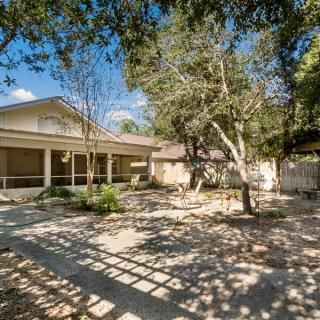
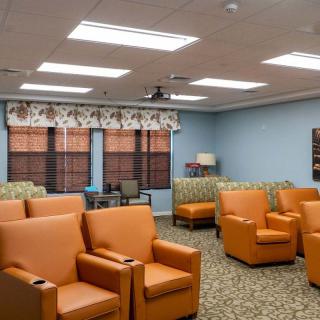
Our residents enjoy a comfortable and secure environment where they can thrive and maintain their independence. Each apartment is equipped with air-conditioning and cable or satellite TV for the utmost comfort and entertainment. Our indoor common areas provide opportunities for socializing and engaging in activities, while our outdoor common areas offer a peaceful space to relax and enjoy nature.
Respite or short term stays are also offered for those who need temporary care or assistance. We have wheelchair accessible showers to ensure the safety and convenience of our residents. Wi-Fi/high-speed internet is also available throughout the community, allowing residents to stay connected with their loved ones.
At Noble Senior Living at Pensacola, we understand the importance of proper care for seniors with diabetes and incontinence. That's why we provide specialized care services to ensure their health and well-being are prioritized. Our experienced staff also assists with medication management, ensuring that medications are taken correctly and on time.
Our dining program is top-notch, with low/no sodium options available to cater to residents' dietary needs. Meals are provided by a professional chef in a restaurant-style dining setting. Room service is also available for those who prefer dining in the comfort of their own apartment.
In addition to exceptional care services, we offer a wide range of activities to keep our residents engaged and entertained. From art classes to BBQs or picnics, cooking classes to wine tasting events, there is always something fun happening at Noble Senior Living at Pensacola. Devotional activities both on-site and off-site cater to spiritual needs, while stretching classes and yoga/chair yoga promote physical wellness.
Conveniently located near various amenities, our community has 3 cafes, 10 pharmacies, 38 physicians, 27 restaurants, 3 places of worship, 1 theater, and 13 hospitals nearby. This ensures that our residents have easy access to essential services and entertainment options.
At Noble Senior Living at Pensacola, we strive to provide a warm and caring environment where seniors can feel at home while receiving the support they need. Our dedicated staff is committed to promoting dignity, independence, and quality of life for all residents.
This area of Pensacola, Florida, boasts a diverse range of amenities and services that make it an attractive option for senior living. With multiple physicians' offices, pharmacies, and hospitals within a few miles radius, residents here have convenient access to healthcare options. Additionally, there are various restaurants offering different cuisine choices such as Chinese, fast food chains like McDonald's and Whataburger, and even Culver's for those looking for a sit-down dining experience. For leisure activities, there is an AMC theater nearby as well as cafes like Fosko Coffee Barre and Starbucks for socializing or relaxing. Places of worship like Gateway Church of Christ and Cathedral of the Sacred Heart provide spiritual support for those seeking community engagement. Overall, this area offers a mix of medical facilities, dining options, entertainment venues, and places of worship making it an ideal location for seniors looking for a vibrant community with easy access to essential services.
Noble Senior Living at Pensacola offers competitive pricing for its residents, particularly when compared to the average costs in Escambia County and across Florida. For those interested in a semi-private room, Noble's rate of $2,650 per month is notably more economical than the county's average of $3,209 and the state average of $3,009. Similarly, residents opting for a studio will find that Noble's pricing at $4,000 is slightly lower than both the local average of $4,277 and the statewide rate of $3,823. This positioning not only makes Noble Senior Living an attractive choice for seniors but also reflects a commitment to providing quality care while being mindful of affordability in a competitive market.
Noble Senior Living at Pensacola offers Studio apartments.
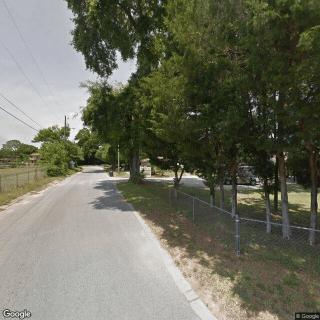
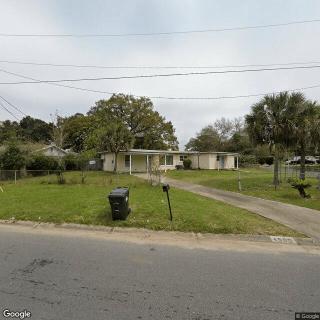
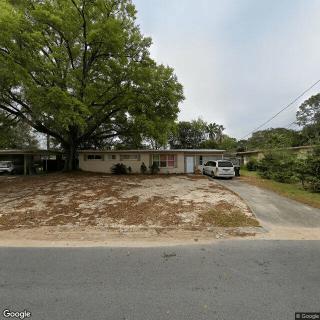
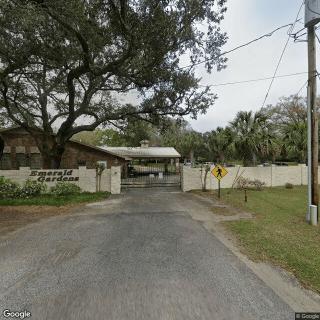
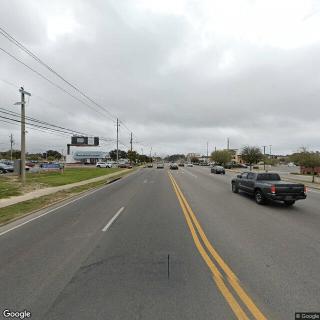
Noble Senior Living at Pensacola is located at 4916 Mobile Hwy, Pensacola, FL 32506 in Escambia County, Florida
Noble Senior Living at Pensacola enhances the quality of life for residents with dementia or Alzheimer's through effective medication management and incontinence care. Medication management ensures that each resident receives their prescribed medications accurately and on time, which is crucial for maintaining stability and minimizing symptoms associated with cognitive decline. This attention to medication not only supports physical health but also helps alleviate anxiety and confusion that may arise from unmet medical needs. Additionally, incontinence care provides residents with the dignity and comfort they deserve while addressing a common challenge faced by those with memory impairments. By offering specialized support in this area, staff can help reduce stress for both residents and their families, allowing individuals to focus more on engagement and socialization within a safe and nurturing environment. Together, these features create a holistic approach to memory care, fostering better overall well-being for residents.
Yes, Noble Senior Living at Pensacola allows both dogs and cats.
A Thorough Discussion of Medications Potentially Linked to Dementia Risk

Dementia, influenced by aging and certain medications, may be exacerbated by drug classes such as anticholinergics, benzodiazepines, and antipsychotics, which are associated with cognitive impairment. Regular medication reviews by healthcare professionals are crucial for older adults to manage risks and optimize cognitive health.
Why Do Dementia Patients Sleep So Much? Understanding Oversleeping, Stages, and Care Approaches

Dementia often results in disrupted sleep patterns, leading to excessive daytime sleeping due to factors like brain damage affecting circadian rhythms, medication side effects, and lack of structure in daily activities. Caregivers must monitor these changes closely, as oversleeping can increase risks such as malnutrition or dehydration, and provide necessary support and routines to enhance patient engagement and well-being.
The transition from assisted living to skilled nursing care is often prompted by complex medical needs that assisted living cannot meet, with key indicators including frequent health declines, increased falls, severe memory issues, and caregiver burnout. Families should recognize these signs early to discuss options with healthcare providers and prepare for the emotional and logistical aspects of moving to a facility that offers comprehensive medical support.