
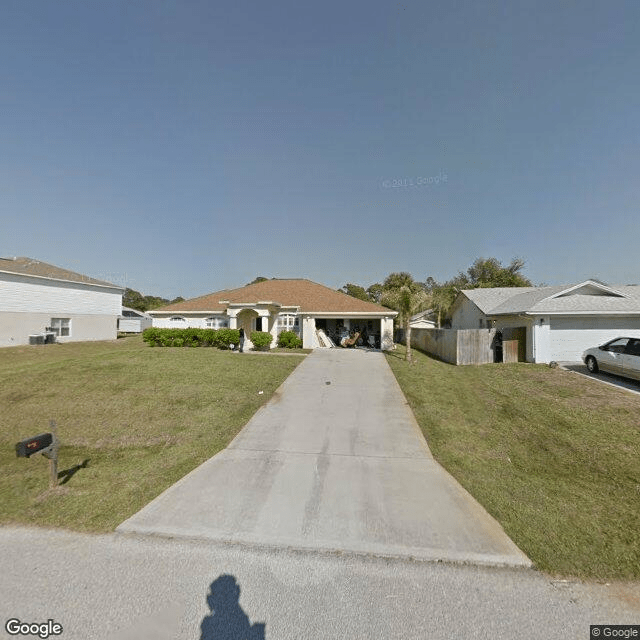
1675 Canon Avenue, Palm Bay, FL 32907
For more information about senior living options: (866) 208-4318
Jackies Retirement Alf Costs & Pricing
Jackie's Retirement ALF offers a competitive pricing structure for its residents, particularly when compared to Brevard County and broader Florida averages. With semi-private rooms priced at $2,800 per month, Jackie's facility presents a more affordable option than the county's average of $3,027 and the state's average of $3,009. For those preferring more privacy, the cost of private rooms at Jackie's stands at $3,500, which is also lower than both the county's average of $3,663 and the state's average of $3,699. These rates reflect Jackie's commitment to providing quality care and comfortable living arrangements while remaining budget-friendly in comparison to nearby alternatives.
| Floor plans | Jackies Retirement Alf | Brevard County | Florida |
|---|---|---|---|
| Semi-Private | $2,800 | $3,035 | $3,009 |
| Private | $3,500 | $3,672 | $3,699 |
Assisted Living communities with a similar price nearby
-
from +$200 / mo
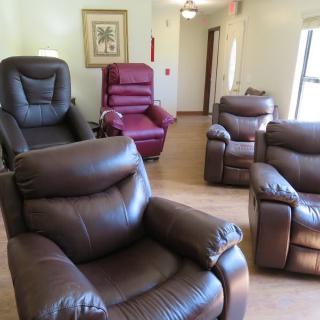
Caring Manor
$3,000 to $3,800 / month6.8 miles away -
About the same
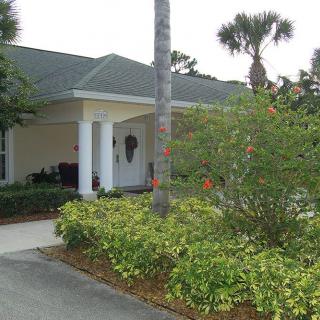
Pelican Garden Assisted Living
$2,750 to $3,500 / month24.3 miles away -
from +$200 / mo
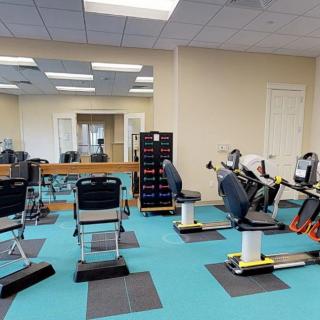
Riverview Senior Resort
$3,000 to $4,500 / month9.7 miles away -
from +$200 / mo
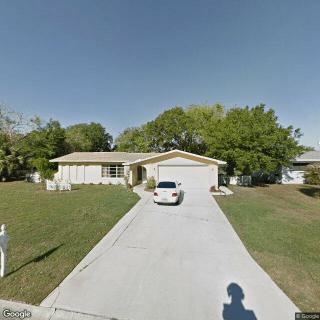
Shangri La Of Melbourne - ALF
$3,000 to $4,500 / month5.8 miles away -
from -$300 / mo
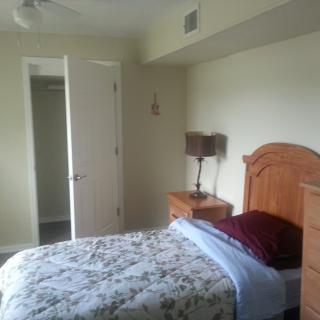
Living Southern Style Of Brevard
$2,500 to $3,500 / month21.3 miles away
Overall Review of Jackies Retirement Alf
Pros
 Jennifer's Place meets residents' personal care needs extremely well.
- The staff work seamlessly with hospice support to provide 24-hour exemplary care in a small, clean, home-like setting.
- The care center is highly recommended for families seeking quality, compassionate care.
- The caregivers are kind, attentive, and communicate well with families.
- The home is beautiful, clean, and comfortable, with loving caregivers.
- The facility is well kept inside and out, with private rooms and attached bathrooms that help residents feel at home.
- Daily activities and outdoor spaces, including a back porch and landscaped walking area, enhance residents' well-being.
- The care has helped residents regain mobility and engagement, bringing reassurance and peace to families.
Cons
 She had been in a corporate-run assisted living facility where she was mostly ignored.
- Her spark was nearly extinguished.
Review
This Palm Bay community is best suited for families seeking a true home-like assisted living experience where care feels personal, deeply attentive, and capable of integrating hospice or end-of-life support seamlessly. The emphasis is on small, clean, residence-style living that prioritizes dignity and daily warmth over a clinical, impersonal feel. It is the kind of setting where staff become familiar with individual routines, preferences, and needs, and where relatives can trust that compassionate attention will be constant rather than episodic.
There are clear conditions under which alternatives warrant consideration. If a family requires a larger campus with a broader, more formal medical footprint, more on-site clinicians, a wider spectrum of therapies, or a more structured, hospital-like atmosphere, then another option might fit better. Communities with expansive activity calendars, transportation programs, or specialized memory care tracks may appeal to families craving a different balance of medical resources and social programming. In short, the strongest fit is not universal; it hinges on the priority placed on intimate, home-like care versus scale and formal medical protocols.
The standout pros create a compelling offset to any potential drawbacks. A small, homey setting translates into consistently attentive care, with staff able to coordinate closely with hospice or other support services to deliver round-the-clock assistance. Families repeatedly note that caregivers interact with respect and dignity, maintain clean clothes and beds, and keep lines of communication open and responsive. The environment itself reinforces these strengths: a well-kept, aesthetically pleasing house that feels welcoming rather than institutional, where residents have private rooms with attached baths to preserve autonomy and personal space.
Daily life at this community also earns high marks for practicality and quality of life. Residents participate in activities, and the physical layout supports independence, back porches and landscaped walking areas invite safe engagement. Meals are described as varied and high quality, reinforcing a sense of normalcy and personal preference. The testimonials highlight staff who are not only capable but genuinely invested, described as friendly and professional, with caregivers who make an effort to know residentsā€™ routines and preferences. The combination of meaningful interaction, consistent routine, and a dignified atmosphere appears to sustain mood, engagement, and even mobility, turning what could be a decline into ongoing participation.
Any assessment of drawbacks must acknowledge what the accounts do not reveal as clearly. There are no glaring negative reports within the experiences shared, but prudent decision-making involves confirming practical logistics before committing: confirm current availability, understand the staff-to-resident ratios on varying shifts, and verify the scope of on-site medical services and rehabilitation options. Prospective families should also probe for details on how care plans adapt to changing needs, the process for escalating concerns, and how family communication is maintained when distance is a factor. The most credible offset to these considerations is found in the consistently described care culture, proactive, respectful, and responsive.
Bottom-line guidance favors this community for households prioritizing warmth, everyday compassion, and a home atmosphere that supports dignity and independence. The strongest appeal lies in the intimate setting, the noted willingness of caregivers to go above and beyond, and the way the home itself reinforces a sense of belonging and safety. For those whose priorities include a more substantial medical footprint, larger-scale programs, or a more institutional vibe, it is prudent to compare options that emphasize those elements. In Palm Bay, this option stands out as a purposeful fit for families seeking heartfelt, dependable care delivered in a peaceful, home-like environment.
 5 resident community capacity
 Assisted Living
 Board and Care Home
 Activities off-site
 Bath tubs
 Cable or satellite TV
 Devotional services off-site
 Dining room
 Fully furnished
 Garden
 Housekeeping services
 Indoor common areas
 Move-in coordination
 Outdoor common areas
 Private
 Respite or short term stays offered
 Telephone
 Wheelchair accessible showers
 Wi-Fi/high-speed internet available
 Melbourne International (6 miles away)
 24-hour supervision
 Ambulatory care
 Assistance with bathing
 Assistance with dressing
 Assistance with transfers
 Diabetes diet
 Diabetic care
 Incontinence care
 Meal preparation and service
 Medication management
 Special dietary restrictions
 Transportation arrangement (medical)
 Transportation to doctors appointments
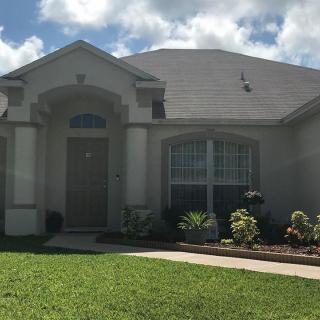
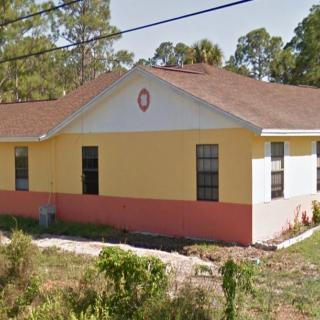
 Comprehensive Residential Support and Assisted Living Solutions for Individuals with Disabilities
 Comprehensive Supportive Living Arrangements for Adults with Disabilities
 Funding and Affording Assisted Living: A Thorough Overview