
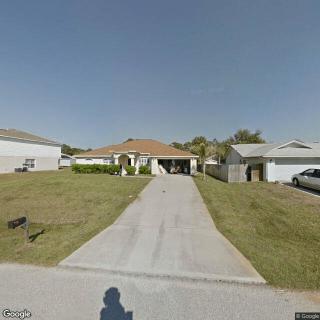
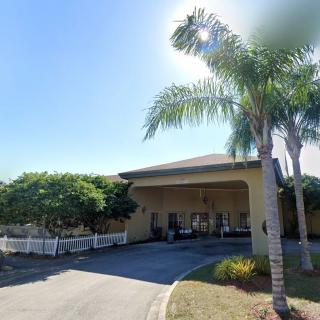
1581 Zaffer Street Nw, Palm Bay, FL 32907
For more information about senior living options: (866) 208-4318
Overall Review of A & M Assisted Living Facility
Pros
 The care givers are friendly, caring, and professional.
- Angela treats residents like family and provides helpful guidance.
- Arlene feels at home at the facility.
- The staff are wonderful with Arlene, including her memory challenges.
- The meals look and smell amazing and help Arlene eat.
- The facility is clean and well maintained.
- The doctor visits Arlene, and Angela coordinates all her needs.
Cons
 The larger institutional style setting was terrible for Arlene and for the narrator.
- The other facilities did not offer the needed support and guidance.
- Arlene has memory issues and is a handful.
- At the other facility, Arlene did not eat much; meals would sit there and then be taken away.
Review
This Palm Bay community is best suited for seniors who crave a warm, home‑like atmosphere and highly personalized attention. It works especially well for residents who need steady daily oversight, support with memory-related challenges, and meals that feel social and communal. Families seeking reassurance will value a caregiver‑led approach that coordinates medical care, meals, and routines with a steady, conversational style. The model shines where continuity and trust matter most: when staff know residents by name, anticipate needs, and make daily life feel calm and predictable. It’s a strong fit for those who balk at the impersonal pace and rigidity of larger facilities.
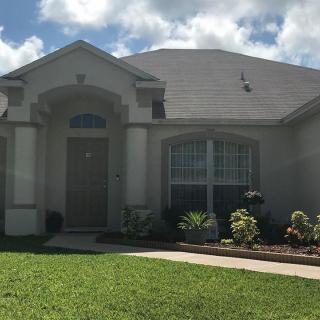
The most compelling positives center on care warmth and practical oversight. A clean, homelike setting, paired with an owner who is approachable and deeply involved, creates a sense of partnership between families and caregivers. Prospective residents benefit from a responsive leader who provides guidance before placement and stays accessible afterward. Mealtime is reframed as a social, family-style activity, which can improve appetite and overall well‑being for memory‑challenged residents who previously lost interest in meals. The caregiving team is described as friendly, caring, and professional, and the presence of a physician who visits on-site, with the owner coordinating needs, adds a level of medical cohesion that many small homes struggle to achieve.
Yet the model has constraints worth weighing. The intimate, home‑like atmosphere may come with fewer on-site medical resources, less formal programming, and limited access to the breadth of services found in larger campuses. There is no explicit indication of 24/7 licensed nursing coverage, extensive memory‑care programs, or a wide array of clinical staff. For residents with advanced medical needs, frequent skilled services, or a requirement for comprehensive dementia-specific services, alternatives with larger clinical teams could prove more suitable. The cicumstance of fewer residents could also mean fewer peer-driven activities and structured programs than those offered by bigger communities.
Nevertheless, the strengths directly counterbalance these potential shortcomings. The hands‑on leadership of the owner translates into rapid problem‑solving and clear, ongoing communication with families. That level of responsiveness can offset the absence of a large nursing staff by ensuring medical coordination remains tight and accessible. Social dining and daily caregiver presence foster meals, routines, and health monitoring with a personal touch that often surpasses more impersonal facilities. On-site doctor visits further simplify care coordination and reduce the friction families face when arranging medical appointments, which is a meaningful advantage in daily life and overall safety.
Alternatives become particularly relevant when certain priorities are non-negotiable. If 24/7 clinical nursing, a formal dementia program, or a broad calendar of therapeutic activities are essential, families may prefer a larger, professionally operated campus with extensive specialized offerings. For those who value a tight-knit, easily navigable environment and a straightforward route from independence to assisted living, this Palm Bay option stands out as a practical, emotionally supportive choice. The key is matching the resident’s medical needs, desired social rhythm, and family expectations with the level of care and community scale.
In the end, the community described emerges as a practical, compassionate choice for seniors who prize warmth, personal attention, and straightforward medical coordination. It is especially well‑suited for residents who benefit from memory‑friendly care in a setting that treats residents like family and partners with families to craft individual plans. If the priority is intimate, responsive care, strong daily routines, and social dining that helps nutrition and mood, this option excels. Those weighing alternatives should schedule a visit, probe caregiver ratios and daily schedules, confirm how doctor visits are arranged, and clarify the scope of memory‑care capabilities to ensure alignment with the resident’s needs and preferences.
 6 resident community capacity
 Assisted Living
 Board and Care Home
 Cable or satellite TV
 Dining room
 Fully furnished
 Garden
 Housekeeping services
 Move-in coordination
 Outdoor space
 Telephone
 Wi-Fi/high-speed internet available
 Melbourne International (6 miles away)
 24-hour supervision
 Activities of daily living assistance
 Assistance with bathing
 Assistance with dressing
 Assistance with transfers
 Diabetes diet
 Meal preparation and service
 Medication management
 Special dietary restrictions
 Transportation arrangement (medical)
 Transportation to doctors appointments
 Funding and Affording Assisted Living: A Thorough Overview
 Assisted Living Expenses and Long-Term Care Insurance: A Comprehensive Exploration
 Securing Financial Support for Assisted Living: A Comprehensive Overview