For more information about senior living options: (866) 208-4318
4.3 from 138 reviews
5 stars
95
4 stars
22
3 stars
3
2 stars
3
1 stars
15
Overall Review of Indian River Center
common36 reviews mention this
Staff care and cleanliness stand out
Residents and visitors repeatedly describe a clean facility and staff who are patient, kind, and attentive.
Across many reviews, people describe the building as very clean and visiting as pleasant. A large share of reviewers also emphasize staff kindness and patience, including nurses, CNAs, therapists, and front-desk personnel. Several families say communication and follow-through helped them feel supported, and that residents looked comfortable and well cared for when they visited. Some reviewers contrast this with occasional lapses in responsiveness or supervision, but the dominant day-to-day message is caring attention.
common6 reviews mention this
Dementia and memory support
Reviews for residents with dementia and Alzheimer’s describe staff who understand their needs.
Multiple reviews specifically mention dementia or Alzheimer’s, with families saying their loved one was treated with kindness and respect. Reviewers describe staff as compassionate with behavior changes and as supportive in day-to-day routines. One memory-focused review also highlights PT work alongside CNA care.
common6 reviews mention this
Activities and therapy help fill days
Residents and families mention organized activities and therapy that help keep people engaged.
Several reviewers bring up activities such as day-room entertainment, volunteer involvement, and scheduled programming to keep residents busy. Others describe therapy experiences, including physical and occupational therapy, as a key part of recovery or mobility improvement. A few reviews also note special interests being discussed with staff, which ties activities back to individual preferences.
caveat3 reviews mention this
Call-backs and nighttime supervision concerns
Some reviews raise concerns about reaching staff quickly and getting timely help.
A few reviewers say phone calls or messages are not returned promptly, with callers waiting days or not hearing back. Others describe difficulties getting assistance when help is needed, including concerns about call light response. There are also comments about short staffing at night and insufficient coverage, leading to falls and trips to the hospital.
caveat6 reviews mention this
Food quality is mixed
Dining is a recurring point of disagreement, with some calling meals unappetizing and others saying the food is good.
Several reviewers say the food could be better, describing meals as lacking taste or not appetizing, and in one case mentioning breakfast options like cold cereal not being available. Other families report positive dining experiences, including “food delicious,” “food is good,” or satisfaction with how meals are handled. There are also mentions of diet texture changes and later adjustments when residents’ preferences or needs evolve.
How we summarize
Counts show how many written reviews mention each theme; a review can touch several themes, and only frequently mentioned themes are displayed.
Features
Housing
179 resident community capacity
Types of Care
Skilled Nursing Facility
Amenities
Air-conditioning
Beauty salon
Cable or satellite TV
Computer center
Dining room
Fitness room
Fully furnished
Gaming room
Garden
Housekeeping services
Kitchenette
Move-in coordination
Outdoor space
Private bathrooms
Restaurant-style dining
Small library
Telephone
Wellness center
Wi-Fi/high-speed internet available
Transportation
Melbourne International (2 miles away)
Community operated transportation
Transportation arrangement
Transportation arrangement (non-medical)
Transportation to doctors appointments
Care Services
12-16 hour nursing
24-hour call system
24-hour supervision
Activities of daily living assistance
Assistance with bathing
Assistance with dressing
Assistance with transfers
Diabetes diet
Meal preparation and service
Medication management
Mental wellness program
Special dietary restrictions
Dining
Diabetes diet
Special dietary restrictions
Activities
Community-sponsored activities
Concierge services
Fitness programs
Planned day trips
Resident-run activities
Scheduled daily activities
Nearby Places of Interest
Physicians
Baba Healthcare (0.2 miles)
Institute of Facial Surgery (0.4 miles)
Osler Medical (0.5 miles)
Florida Pediatric Group (0.7 miles)
Brevard Clinical Research Center (0.8 miles)
Angela Aboutanos, MD (1.1 miles)
Omni Healthcare (1.3 miles)
Pharmacies
Coastal Pharmacy Services (0.3 miles)
Blue Sky Discount Pharmacy (0.9 miles)
Walgreens (1 miles)
CVS Pharmacy (1.1 miles)
Melbourne Discount Pharmacy (1.4 miles)
Medicine Shoppe (2.4 miles)
CVS Pharmacy (3 miles)
Restaurants
McDonald's (0.6 miles)
Crystal Buffet Hibachi & Grill (0.9 miles)
Olive Garden (1.3 miles)
McDonald's (1.3 miles)
Pane E Vino Italian Restaurant, Deli & Bakery (1.5 miles)
Fiesta Azul Tequila Ho (1.5 miles)
Cheddar's Scratch Kitchen (1.5 miles)
Hospitals
Apollo Surgery Center (0.7 miles)
Wuesthoff Medical Center-Melbourne (1.1 miles)
Melbourne Regional Medical Center (1.2 miles)
Kindred Hospital Melbourne (2.7 miles)
Holmes Regional Medical Center (3.8 miles)
Heart Center At Holmes Regional Medical Center (3.8 miles)
Theaters
Cinemaworld 16 (1.7 miles)
AMC CLASSIC West Melbourne 12 (3.6 miles)
Cafes
Starbucks (2.2 miles)
Starbucks (3.7 miles)
Panther Dining Hall (3.9 miles)
Transportation
Melbourne International Airport (MLB) (2.9 miles)
Apex Executive Jet Center (3.1 miles)
Hertz Car Rental - Melbourne - Harbor City HLE (3.7 miles)
Places of Worship
People of Destiny Christian Fellowship (3.5 miles)
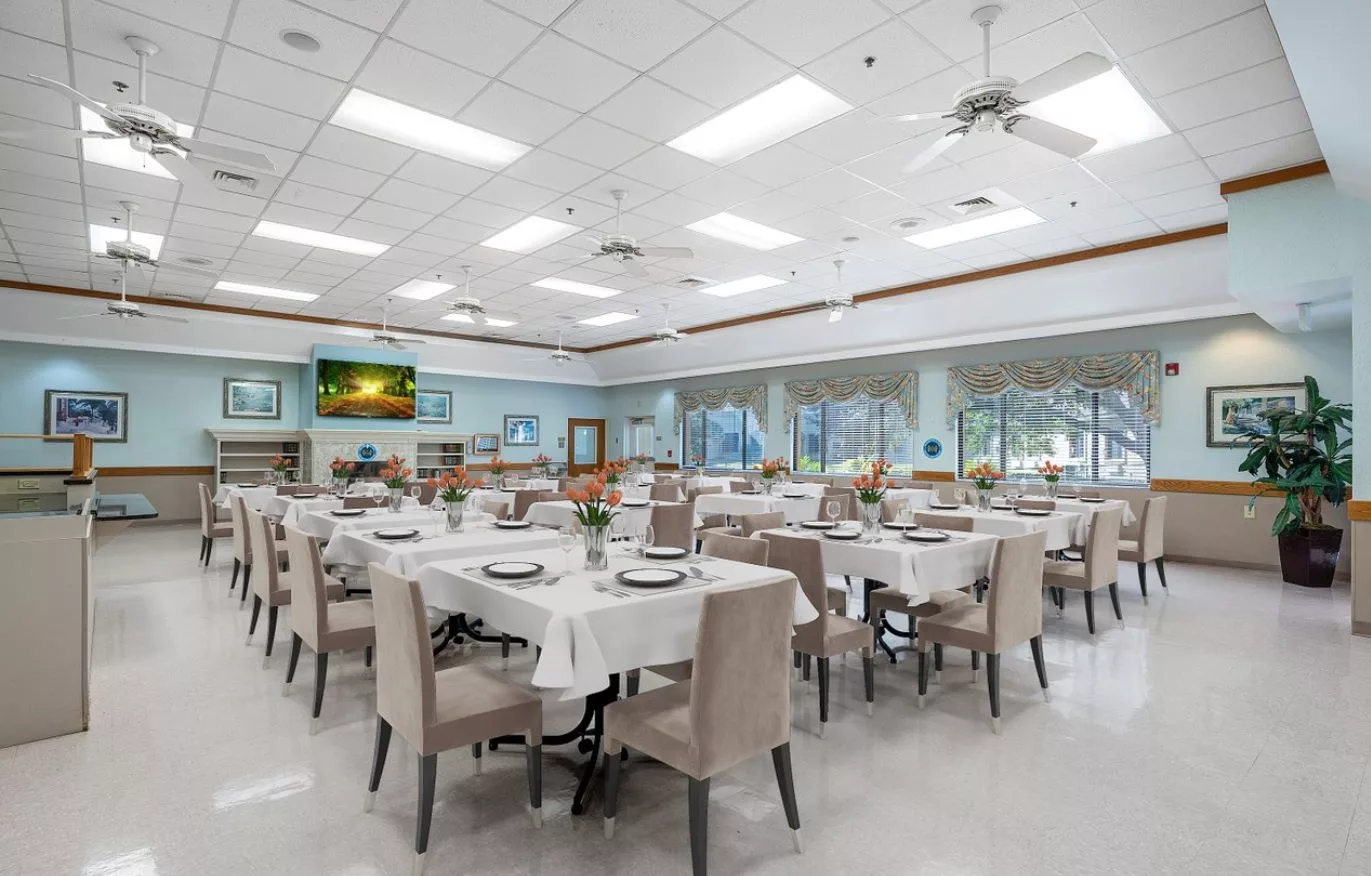
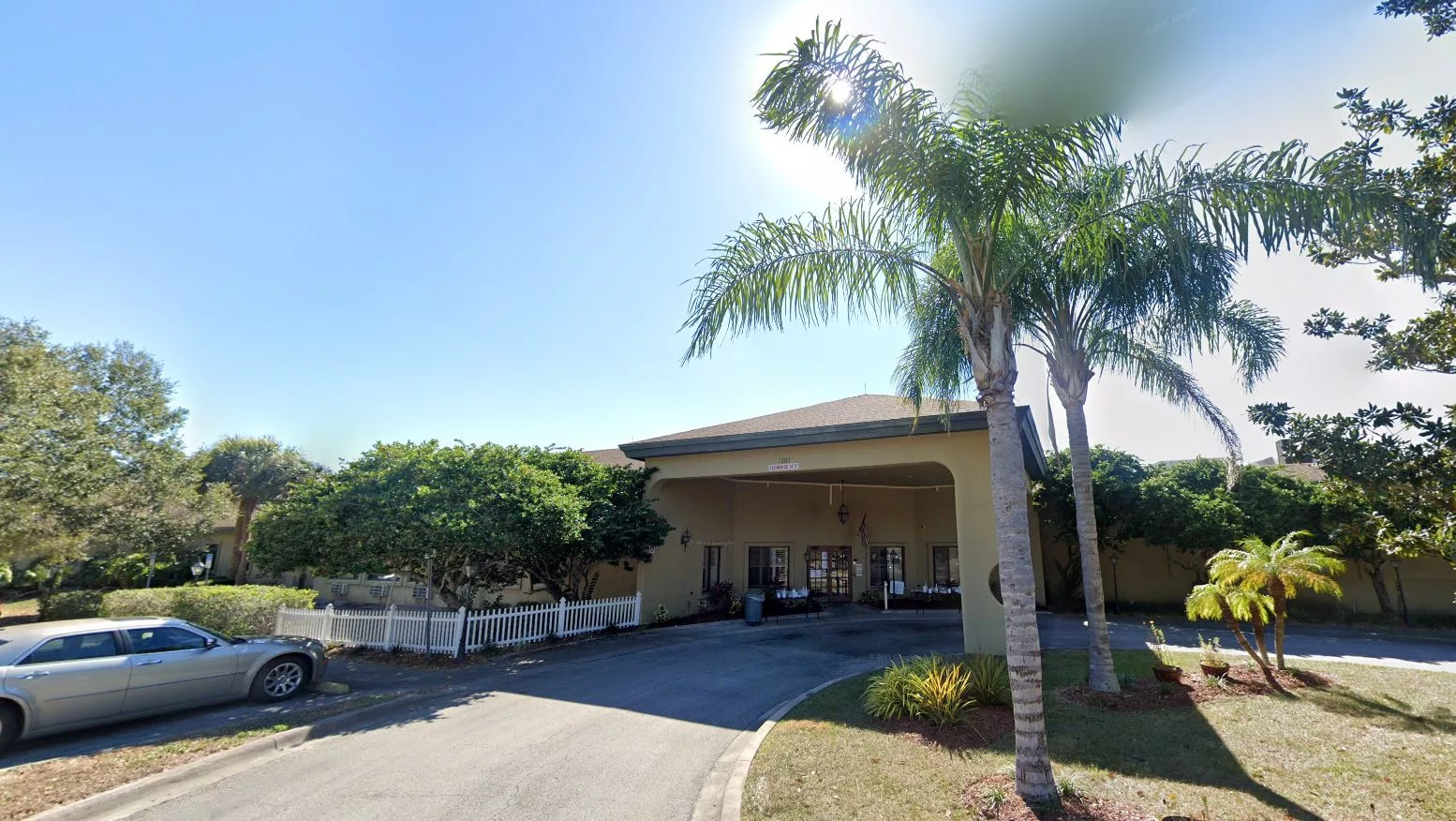
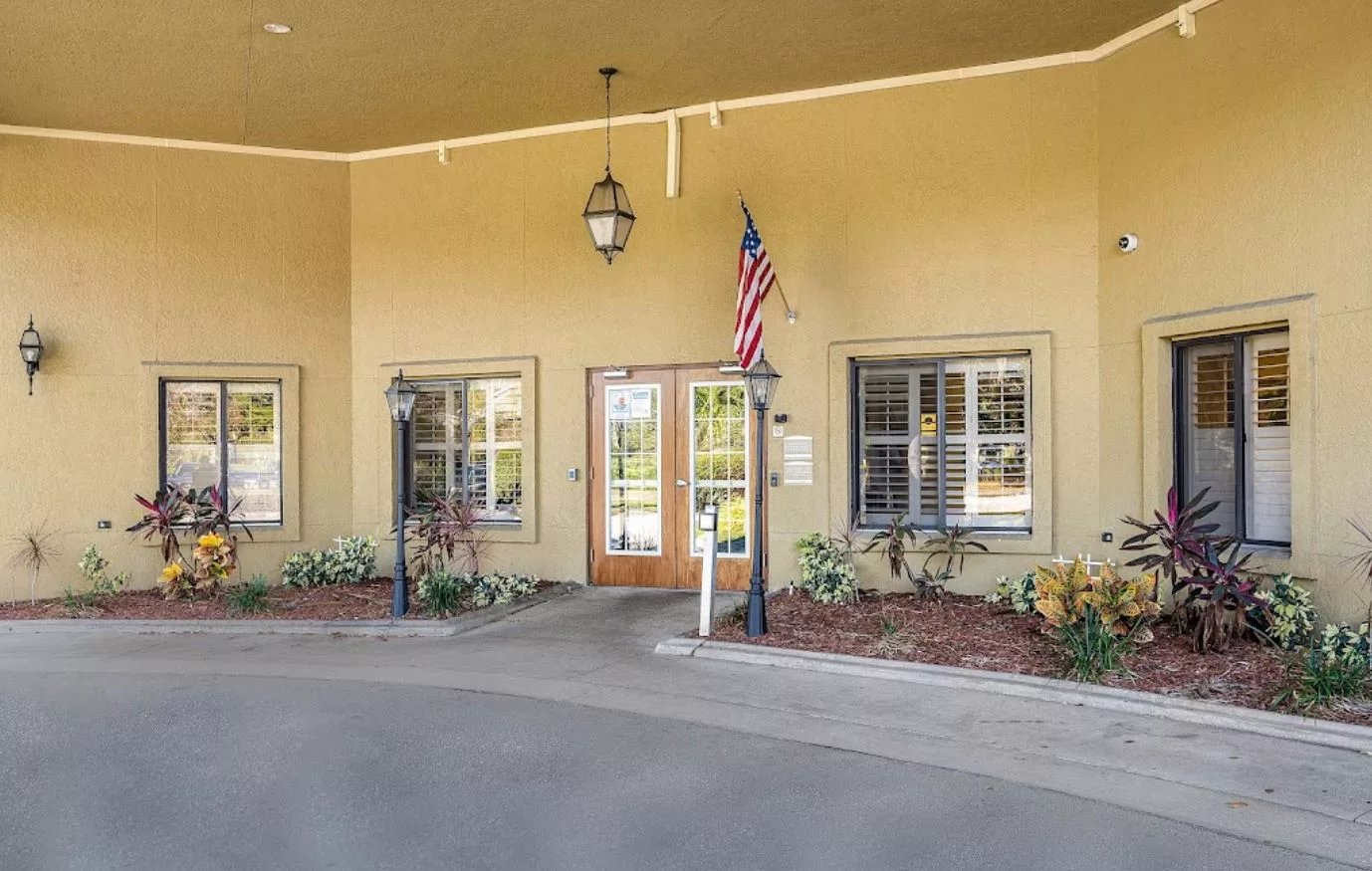
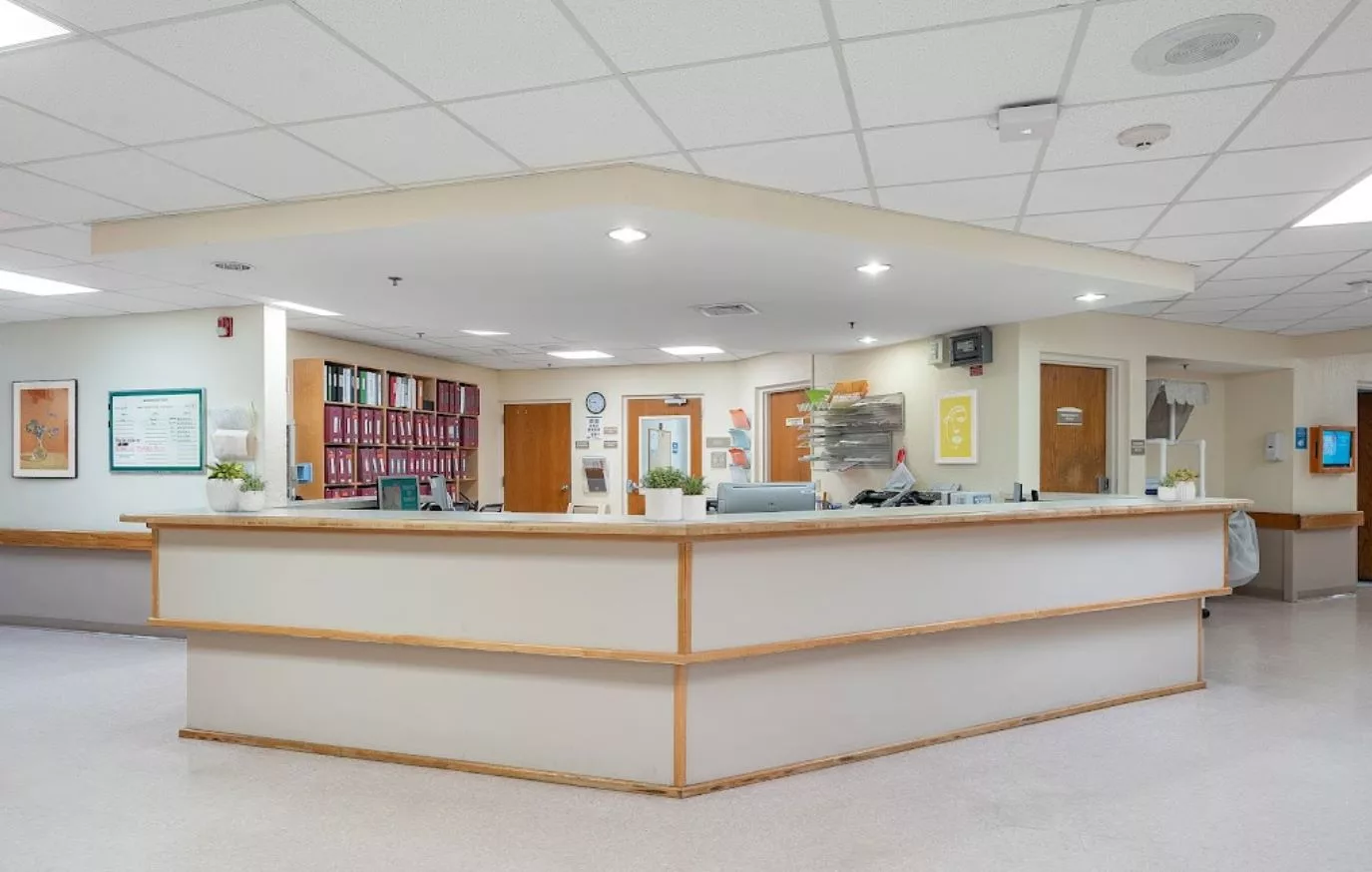
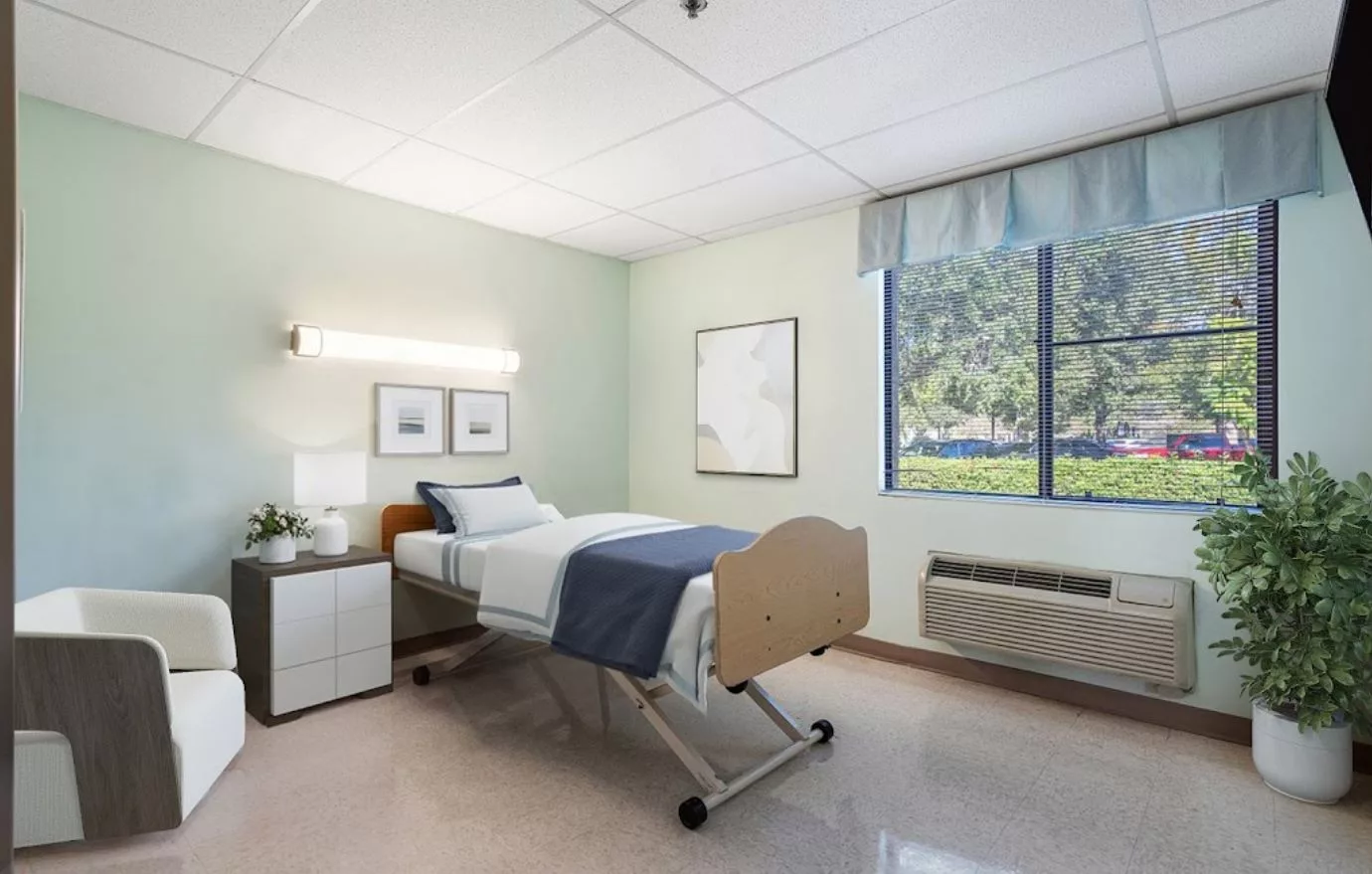
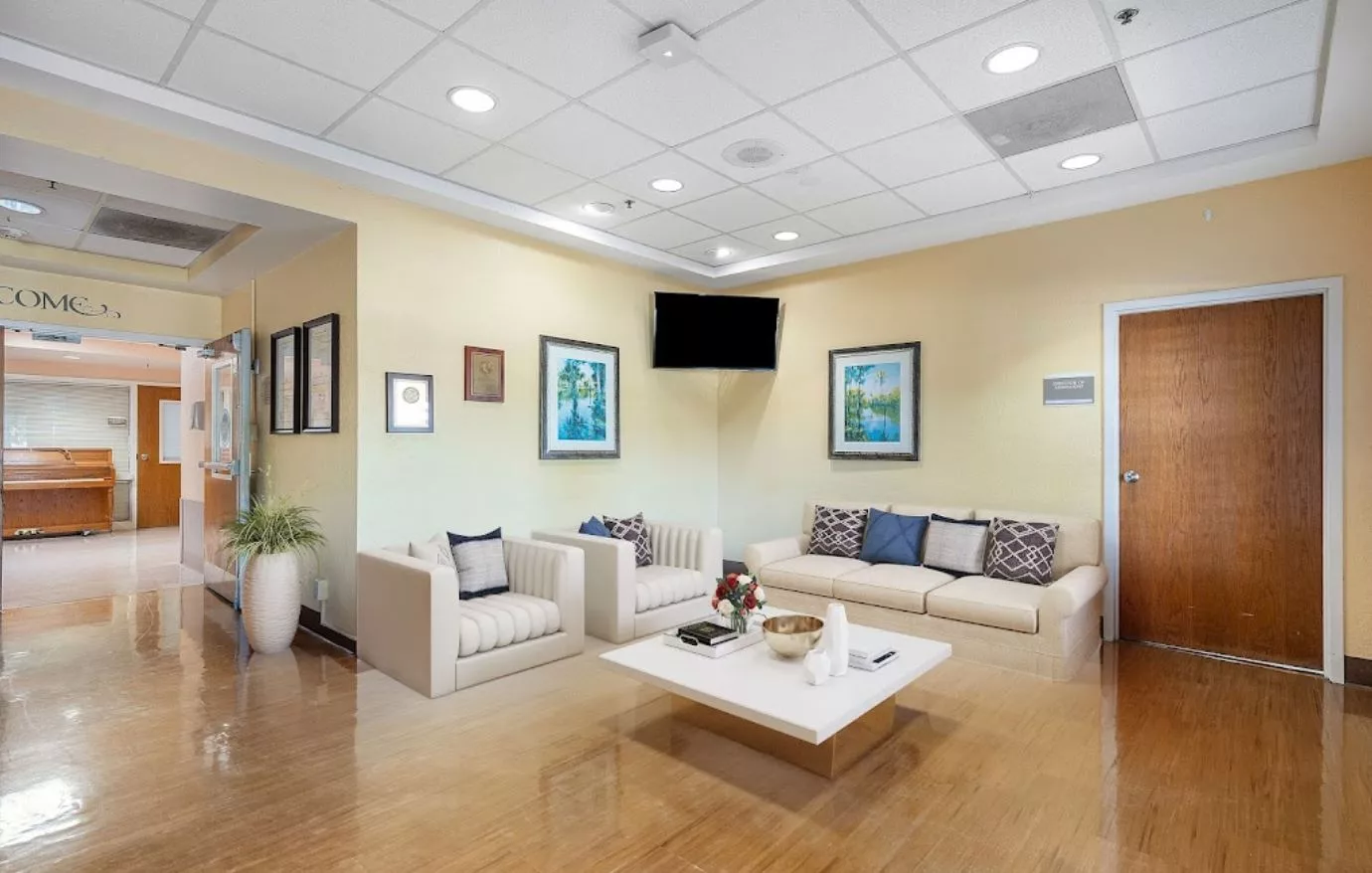
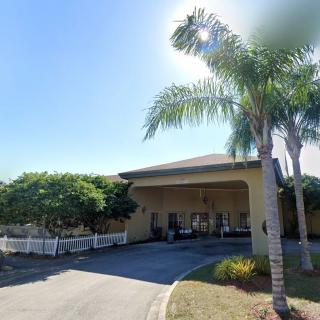
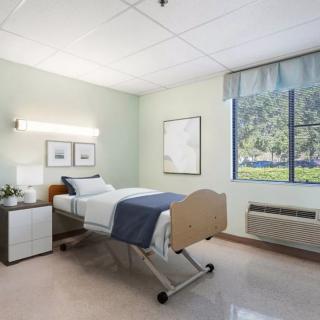
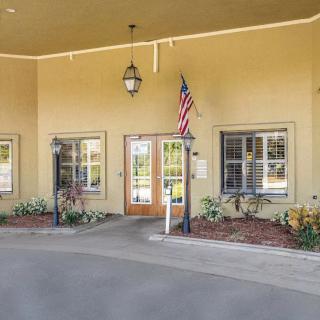
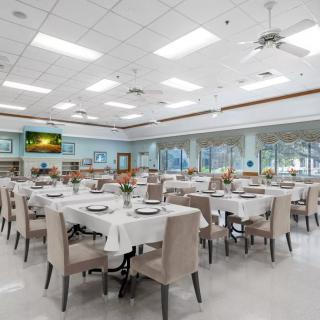
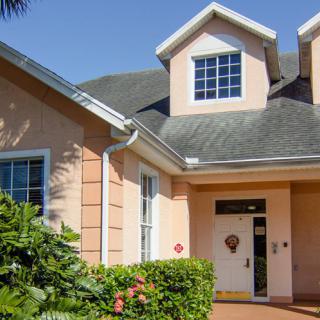
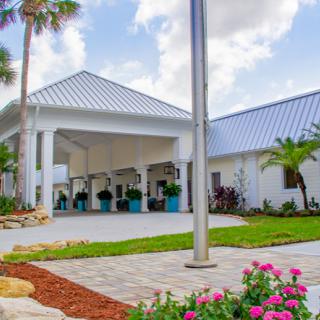
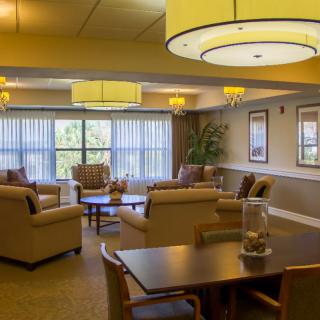
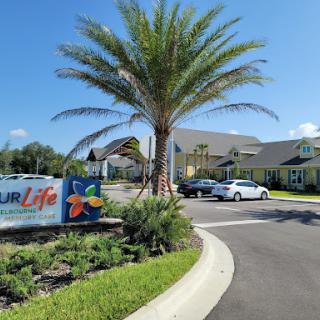
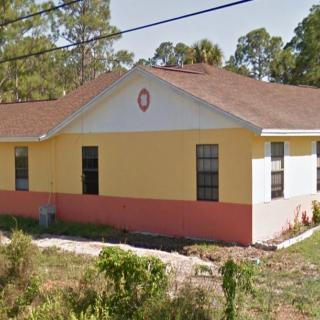
Indian River Center on seniors.fyi includes 6 photos including images showing interior, dining, entrance, landscaping, windows, lobby, seating area, decor, and more.
Nearby Communities
Brookdale West Melbourne
West Melbourne, FL
3.5 from 49 reviews
$3,060 to $3,285 / month
Clean, well-maintained facility with friendly staff and strong dining options.
Brookdale West Melbourne MC
West Melbourne, FL
4.1 from 11 reviews
$4,000 to $5,030 / month
Clean, well-maintained facility with attentive staff and a small, comfortable community.
Brookdale West Melbourne AL
West Melbourne, FL
4.2 from 33 reviews
$3,170 to $3,400 / month
Attentive, friendly staff in a clean, well-maintained community with a strong sense of community.
Kelly Homecare Svc
Melbourne, FL
4.3 from 14 reviews
Reliable and consistently high-quality service.
VIP America Central Home Health - Melbourne
Melbourne, FL
4.5 from 24 reviews
Skilled caregiver with memory-care engagement and responsive, professional staff.
BV Assisted Living
West Melbourne, FL
4.7 from 29 reviews
Comprehensive assisted living with 24/7 supervision, ADL support, dining, wellness, and engaging activities.
Buena Vida Estates
West Melbourne, FL
4.6 from 36 reviews
Nice apartments with attentive staff and a friendly, active community.
YourLife of West Melbourne
West Melbourne, FL
4.9 from 102 reviews
Compassionate staff, well-groomed residents, and a bright, spacious facility with diverse amenities.
Florida Shores of Melbourne
Melbourne, FL
5 from 6 reviews
$2,500 to $3,000 / month
Caring staff in a warm, home-like community with engaging activities and regular live music.
Skilled nursing facilities (SNFs) provide high-level medical care and rehabilitation for short-term recovery, typically covered by Medicare after hospitalization, while nursing homes focus on ongoing custodial care for chronic conditions, mainly funded by Medicaid or private payments. The staffing and regulatory structures differ significantly between the two, necessitating clarity for families in choosing appropriate long-term care options.
Nursing home care costs in the U.S. vary significantly based on location, level of care, and amenities, with private room prices ranging from approximately $6,700 to over $30,000 monthly. Families need to explore various payment options and conduct thorough research to manage these expenses effectively.
Nonmedical home care provides assistance with daily activities and companionship for individuals wishing to maintain independence and quality of life at home, without medical intervention. Its growing popularity is driven by an aging population, the need for supportive environments for recovery, and the emotional benefits of caregiver companionship, while costs vary based on service frequency and location.
Get PricingAsk A QuestionSchedule A TourContact Senior Advisor
By clicking submit, you agree to our Partner's Terms of Use. You
also consent to receive calls and texts, which may be autodialed, from our Partner. Your consent is not a condition to
using our Partner's service. Please visit our Partner's Privacy Policy for information about their privacy practices.

 179 resident community capacity
 Skilled Nursing Facility
 Air-conditioning
 Beauty salon
 Cable or satellite TV
 Computer center
 Dining room
 Fitness room
 Fully furnished
 Gaming room
 Garden
 Housekeeping services
 Kitchenette
 Move-in coordination
 Outdoor space
 Private bathrooms
 Restaurant-style dining
 Small library
 Telephone
 Wellness center
 Wi-Fi/high-speed internet available
 Melbourne International (2 miles away)
 Community operated transportation
 12-16 hour nursing
 24-hour call system
 Activities of daily living assistance
 Assistance with bathing
 Assistance with dressing
 Assistance with transfers
 Diabetes diet
 Medication management
 Mental wellness program
 Special dietary restrictions
 Concierge services
 Planned day trips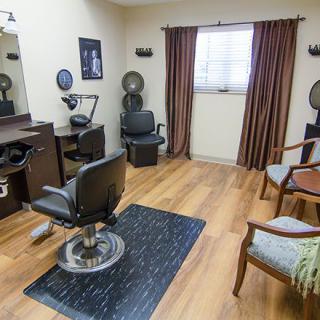
 Clean, well-maintained facility with friendly staff and strong dining options.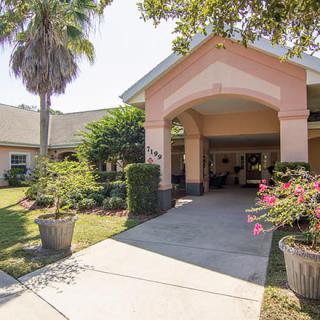


 Skilled Nursing Facilities vs. Nursing Homes: Making Sense of the Differences
 A Detailed Examination of Nursing Home Costs Across the U.S.
 Exploring Nonmedical Home Care: Understanding Services, Costs, and Financial Approaches