
875 Sterthaus Drive, Ormond Beach, FL 32174
For more information about senior living options: (866) 208-4318
Overall Review of Ormond Renaissance
Pros
 Beverly is sending a referral your way.
- The units will be beautiful, with high-quality construction and standard features.
- The windows are impact-resistant, a nice safety feature.
- Greektown Taverna is a nearby favorite restaurant, just about a third of a mile away.
- The location is close to doctors' offices and the hospital, which is convenient.
Cons
 The traffic this new complex is going to create was not thought out.
- Google has the hours listed incorrectly.
Review
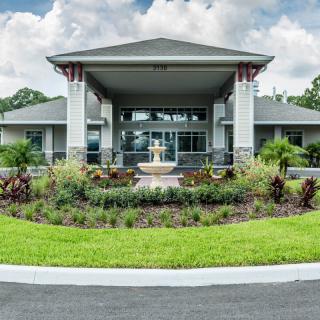
Ormond Renaissance is best suited for active seniors and families seeking a fresh, upscale living environment with minimal maintenance and a clear focus on safety and convenience. The community’s new-build quality and included standard features speak to buyers who want modern aesthetics without chasing upgrades. It appeals to those who value durable construction, practical safety details, and a design that supports an independent lifestyle with easy transition to assistance if needed later. Its location matters: proximity to doctors, a hospital, and a cluster of amenities, plus nearby dining options like Greektown Taverna within a short stroll, creates a compelling daily-rhythm advantage for health-conscious residents and their families.
The strongest positives sit in the tangible build and the value embedded in the package. Construction quality and the assortment of standard features feel premium, and the fact that upgrades many builders charge for are included as standard translates into real long-term value. Impact-rated windows provide a meaningful safety upgrade without extra cost, a practical asset in hurricane-prone Florida. The proximity to medical facilities and routine-care resources reduces travel friction for appointments, emergencies, and ongoing checkups. Taken together, these factors reduce maintenance headaches and offer a sense of security that is hard to mismatch in a newer property.
Still, several caveats deserve attention. The project’s scale and ongoing development will inevitably generate some traffic, which can complicate daily routines or commutes for residents and visitors. Another practical concern is inconsistent information about hours, a reminder to verify current operating times before planning visits or arranging services. As a new complex, there will be standard growing pains, adjustment periods, evolving service patterns, and developing routines, but these do not negate the value of the core product; they simply require a measured approach to logistics and expectations.
The calculus hinges on what priorities drive the decision. The durable build, safety-forward design, and included upgrades deliver lasting value that offsets many maintenance worries and help preserve long-term housing costs. The safety features, coupled with convenient access to healthcare, reduce the day-to-day stress of living in a newer development. However, the traffic burden and early-stage operational uncertainties are meaningful frictions that can dampen enthusiasm if not actively managed through planning and clear communication with management and staff. For buyers who prize a polished, modern living environment and strong health-care proximity, these positives often outweigh the drawbacks.
Alternatives merit serious consideration for households with different non-negotiables. If cost control or a proven on-site care pathway with robust assisted living and memory-care offerings is paramount, look to more established communities with established care programs and steadier traffic patterns. Those seeking a quieter, more mature neighborhood vibe, or a community with a long-standing service history rather than a brand-new build, may prefer other options even if they sacrifice some high-end finishes. Prospective residents should verify exactly what services are on site, what care levels are currently offered, and how staffing aligns with anticipated needs, rather than assuming all promises carry through to daily life.
Practical next steps are clear and decisive. Tour the community with a focused list of questions about traffic patterns, current hours of operation, and which living options are actively available. Compare those findings with other communities that emphasize established care ecosystems and lower transitional disruption. Confirm the scope of included services, explore memory or assisted-living supports on site, and probe staffing levels and responsiveness. If the answers align with priorities, convenience, safety, and a contemporary, low-maintenance lifestyle, Ormond Renaissance presents a compelling, future-ready choice; if not, there are alternatives that better fit cost considerations, care needs, and desired pace of life.
 6 resident community capacity
 Active Adult Communities (55+)
 Telephone
 Wi-Fi/high-speed internet available
 Daytona Beach International (7 miles away)
 Assistance with dressing
 Meal preparation and service
 Medication management
 Diabetes diet
 Special dietary restrictions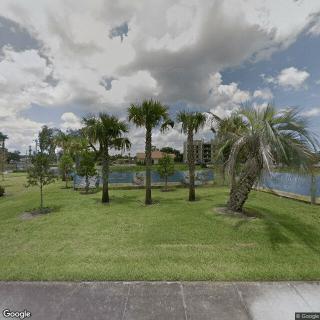
 Understanding the Sandwich Generation: Stress and Responsibilities for Multigenerational Caregivers
 8 Essential Assistive Devices for Older Adults
 Navigating the Financial Road to Nursing Home Care: In-Depth Guidance and Resources