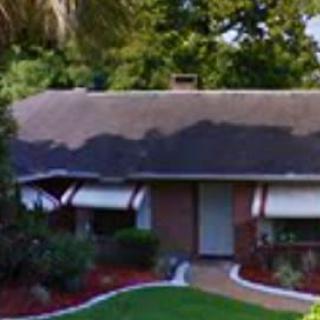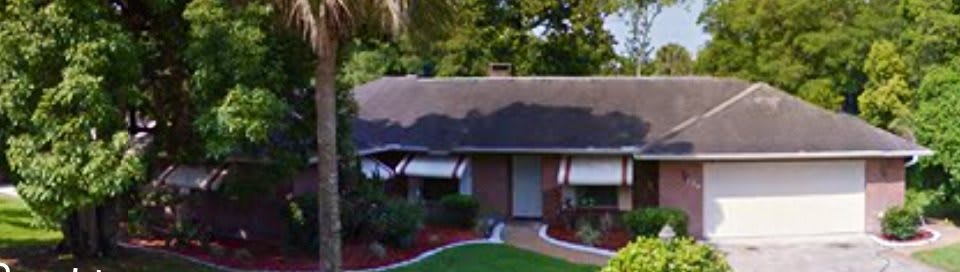
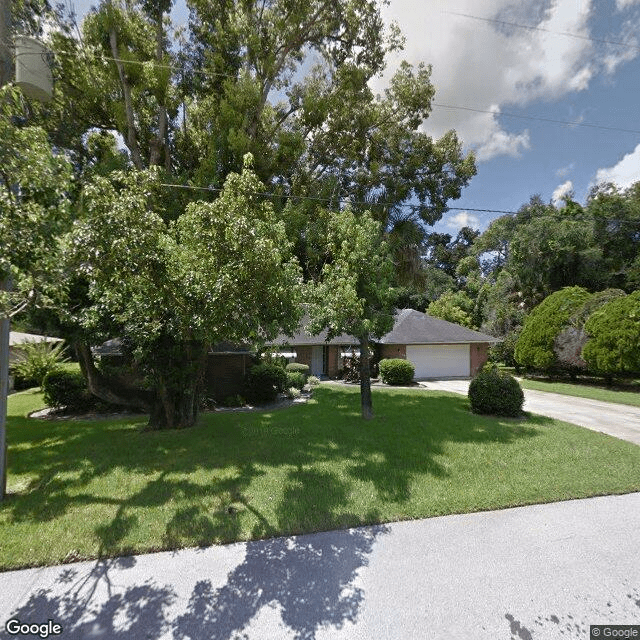
524 Fred Gamble Way, Ormond Beach, FL 32174
For more information about senior living options: (866) 208-4318
Angel's Senior Living Assisted Living Facility Costs & Pricing
Angel's Senior Living Assisted Living Facility offers competitive pricing for its services, particularly when compared to the broader market in Volusia County and the state of Florida. For a semi-private room, residents can expect to pay $3,400 per month, which is notably higher than the county average of $3,143 and the state average of $3,009. The facility's private rooms are similarly priced at $4,500 per month - exceeding the county average of $4,168 and state average of $3,699. While Angel's Senior Living may be on the higher end of the spectrum for assisted living costs in comparison to local and state figures, this pricing may reflect enhanced amenities or specialized care that residents can expect at this facility.
| Floor plans | Angel's Senior Living Assisted Living Facility | Volusia County | Florida |
|---|---|---|---|
| Semi-Private | $3,400 | $3,143 | $3,009 |
| Private | $4,500 | $4,168 | $3,699 |
Memory care communities with a similar price nearby
-
About the same
Crown Assisted Living
$3,500 to $4,500 / month18.5 miles away -
from -$400 / mo
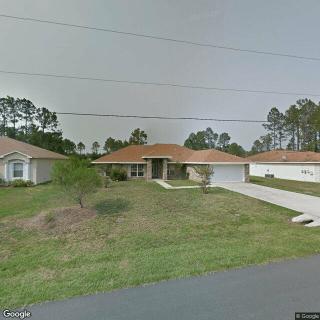
S & B Kingdom Care
$3,000 to $3,500 / month20.1 miles away -
from -$210 / mo

The Gallery at Port Orange
$3,190 to $5,450 / month13.7 miles away -
from +$650 / mo
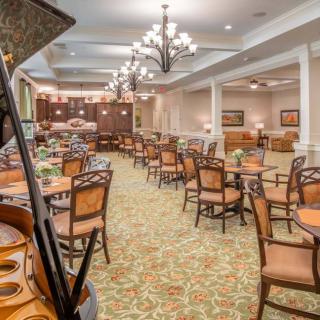
Benton House of Port Orange
$4,050 to $5,250 / month14.3 miles away -
from -$400 / mo
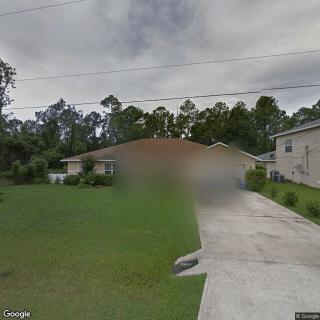
House of Love Adult Care
$3,000 to $4,500 / month15.7 miles away
Overall Review of Angel's Senior Living Assisted Living Facility
Pros
 The staff at Angels Senior Living are compassionate, caring and professional.
- They provide comfort for the patients and peace of mind to their loved ones in a home away from home atmosphere.
- Tina Carlyle makes the time to ensure a safe and clean environment for all residents and staff.
- She truly exemplifies "Where compassion and Happiness begins!"
- Angel's Senior Living Alf is the best.
Review
Angel's Senior Living Assisted Living Facility in Ormond Beach is best suited for seniors and families who prize a warm, home-like setting where compassionate care is the core promise. The staff are consistently professional and genuinely attentive, delivering everyday comfort and reassurance rather than a clinical, impersonal atmosphere. For residents who respond well to steady routines, personal attention, and a sense of family away from home, this community appears to align with expectations. Leadership emphasizes humane, cheerful daily life, and the tone suggests care that respects dignity and familiarity. In essence, it serves households seeking intimate, relationship-driven support over the clinical grandeur of larger campuses.
Those with higher medical acuity or demanding clinical needs may want to consider alternatives. The reviews celebrate dementia care and unwavering staff warmth, but they do not provide detail on medical staffing ratios, wound care capabilities, or access to on-site therapy. Families evaluating whether this setting can scale to complex care should ask specifically about memory-care protocols, physician oversight, and how emergencies are handled after hours. Location and logistics also matter: an intimate setting can become limiting if frequent off-site appointments or specialized programs are essential. Cost structures, contract terms, and included services deserve thorough confirmation before any commitment.
Among the strongest positives are the compassionate, professional caregivers who create a safe, clean, and welcoming environment. Tina Carlyle stands out as a leader who consistently makes safety and cleanliness a visible priority, translating care into what residents and families describe as a home where "compassion and happiness begin." The staff’s attentiveness translates into peace of mind for relatives, with residents appearing content and well cared for. The combination of tender interaction and reliable routines helps reduce anxiety, particularly for residents living with dementia, where familiar rhythms and reassuring faces matter greatly.
Those strengths offset several common downsides families fear with smaller, intimate facilities. The emphasis on a home atmosphere, paired with staff stability and a personal touch, can mitigate concerns about limited activity choices or autonomy by prioritizing meaningful connections and daily comfort. While not described in detail, the evident happiness of residents suggests that social engagement and emotional well-being are prioritized, which often reduces the stress of transitions for families. In short, the emotional security and consistent caregiving offered here can compensate for the lack of flashy amenities or grand-scale programming that larger communities typically promise.
Nevertheless, potential movers should scrutinize several practical factors before choosing. Questions to ask include how dementia-specific needs are managed over a 24/7 period, how staffing levels vary by shift, and what medical oversight is truly available on weekends. Clarify meal plans, transportation options, activity schedules, and how residents' preferences are incorporated into daily routines. Understanding cost, contract termination terms, and what happens when a resident requires higher levels of care is essential. The glowing reputations and heartfelt testimonials are compelling, but families should confirm that the facility’s capabilities align with current and anticipated needs.
The recommendation is clear: Angel's Senior Living stands out for families seeking a nurturing, home-forward environment led by compassionate professionals. It is especially well-suited for residents who thrive on personal attention, predictable routines, and dementia-friendly care under steady leadership. For families prioritizing clinical breadth, aggressive therapy options, or large-scale programming, alternatives with broader medical support may be a better fit. The next step is a targeted visit, observe staff interactions, tour living spaces, and request specifics on dementia care protocols, staffing, and on-site services. Arm families with questions about cost, contracts, and escalation procedures, and the choice will become straightforward: this community delivers warmth and reliability where it matters most.
 6 resident community capacity
 Assisted Living
 Board and Care Home
 Memory Care
 Respite Care
 Activities off-site
 Cable or satellite TV
 Devotional services off-site
 Dining room
 Fully furnished
 Garden
 Housekeeping services
 Indoor common areas
 Move-in coordination
 Outdoor common areas
 Private
 Private bathrooms
 Swimming pool / hot tub
 Telephone
 Wheelchair accessible showers
 Wi-Fi/high-speed internet available
 Daytona Beach International (6 miles away)
 24-hour supervision
 Ambulatory care
 Assistance with bathing
 Assistance with dressing
 Assistance with transfers
 Diabetes diet
 Diabetic care
 High acuity care
 Incontinence care
 Meal preparation and service
 Medication management
 Special dietary restrictions
 Transportation arrangement (medical)
 Transportation to doctors appointments

 Medications Associated with Dementia Risk: A Comprehensive Overview
 Guiding Your Journey: Understanding Power of Attorney for Elderly Parents
 22 Remarkable Caregiver Support Groups Available Online and In-Person