
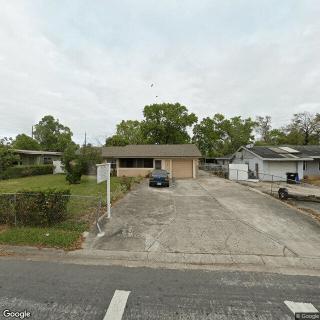
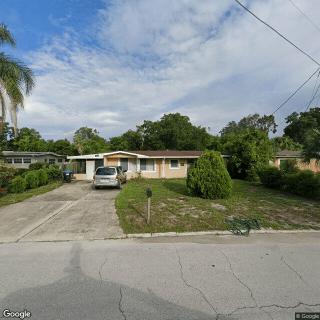
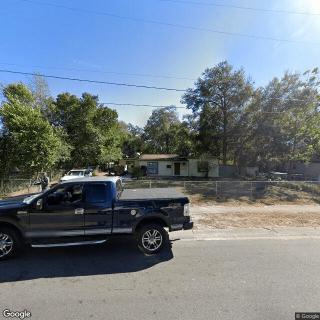
1963 Continental Boulevard, Orlando, FL 32808
For more information about senior living options: (866) 208-4318
Overall Review of Transformation Assisted Living
Pros
 The family appreciates Vivant's smaller, six-resident residential setting.
- The staff, led by Eric Fiedler and Maria Best, are caring and responsive to residents' needs.
- The home is clean, bright, and serves nutritious, appetizing meals.
- Vivant allows a camera in the resident's bedroom, providing extra peace of mind.
- Vivant provides more one-on-one care thanks to a low caregiver-to-resident ratio.
- The director is amazing and easily accessible to assist with needs or concerns.
- Families feel supported and at ease by the warm, compassionate team.
- The environment feels like a true home—warm, welcoming, and not like a traditional nursing facility.
Cons
 The memory care had roughly 20 patients with a 1:10 caregiver-to-patient ratio, suggesting residents’ needs could not be addressed adequately.
- Each memory care patient has a “different need,” therefore the care he received was substandard at best.
Review
This community is best suited for families seeking memory care in a small, home-like setting where the staff know residents personally and care feels genuinely attentive. With a six-resident footprint, care is deeply individualized, yielding very clear routines, faster response times, and a level of continuity that larger facilities often cannot promise. The leadership, Eric Fiedler and Maria Best, has long tenure with the company, which translates into steady oversight and consistency families can feel in real time. The environment reinforces that confidence: clean, bright spaces, nutritious meals, and the ability to monitor a loved one with a bedroom camera, a feature that removes ambiguity about daily care. This combination makes Transformation Assisted Living a practical, if specialized, fit for memory care.
Those considering alternatives should note this is not the right fit for families looking for a large campus, a broad hospital-style staff, or a heavy menu of formal therapeutic programs. A bigger community can offer more activity variety, scheduled clinical services on-site, and greater anonymity for residents who do not want to be recognized as “the memory care patient” in a crowded building. For residents who require aggressive medical interventions, infusion therapies, or around-the-clock physician oversight, another model may deliver the scalability and clinical presence that a six-resident home cannot realistically sustain. In short, this setting excels on warmth and attentiveness, but it foregrounds a smaller, more intimate care ecosystem.
The core pros here, one-on-one attention, a stable, family-like culture, and accessible leadership, more than offset the potential limitations of scale. Memory care in a small home benefits from higher caregiver engagement, with staff who know each resident’s signals, preferences, and daily rhythms. The director’s accessibility, often just a text or call away, accelerates problem-solving and care plan adjustments. Residents benefit from a clean, welcoming environment, where meals are prepared with attention and residents can participate in kitchen activities, fostering dignity and connection. The sense of continuity is reinforced by long-tenured owners and a cohesive team that treats care as a shared mission rather than a transactional service.
The day-to-day experience is further enhanced by home-like design and social texture. Families repeatedly praise the warmth of staff interactions, the collaborative mood among caregivers, and the genuine sense that residents are part of a family rather than a number. Spacious outdoor areas, natural light, and accessible kitchens where residents can observe or participate in food prep contribute to a dignified, engaging daily routine. The setting near Maitland’s lake-adjacent scenery and the emphasis on a comfortable, non-institutional atmosphere help residents maintain identity and mood, which is especially meaningful in memory care. The small team structure also supports timely updates to families, a critical factor in anxiety reduction for those navigating difficult care decisions.
Nevertheless, intentional planning is wise for families weighing options. The limited size means fewer residents and, by extension, a narrower pool of social activities and built-in diversional options compared with larger communities. Prospective residents should verify the availability of on-site medical resources, partnerships with local clinicians, and any capabilities for more intensive therapies should these needs arise. It is prudent to confirm the specific care protocols for dementia-related behaviors, the exact caregiver-to-resident ratios during various shifts, and how emergency coverage is arranged. While the atmosphere is unquestionably welcoming, the degree of clinical oversight will matter to decision-makers who prioritize medical redundancy and hospital-transfer options.
In the end, Transformation Assisted Living stands out as a top-tier choice for families prioritizing intimate, attentive memory care in a truly homelike setting. It is especially well-suited for those who value staff continuity, immediate leadership access, and a philosophy that care feels like family’s own home rather than a facility wing. For families whose loved one requires more extensive medical infrastructure, broader activity programming, or a bustling campus atmosphere, alternatives with larger clinical footprints may be preferable. For the right resident and family dynamic, this community delivers peace of mind through genuine connection, meticulous everyday care, and a warm, dignified environment. Next steps should include a personal tour, conversations with the administrator, and a clear review of care plans, staffing patterns, and safety features to ensure alignment with specific needs and expectations.
 6 resident community capacity
 Assisted Living
 Cable or satellite TV
 Dining room
 Fully furnished
 Garden
 Housekeeping services
 Move-in coordination
 Outdoor space
 Telephone
 Wi-Fi/high-speed internet available
 Orlando International (12 miles away)
 24-hour supervision
 Activities of daily living assistance
 Assistance with bathing
 Assistance with dressing
 Assistance with transfers
 Diabetes diet
 Meal preparation and service
 Medication management
 Special dietary restrictions
 Transportation arrangement (medical)
 Transportation to doctors appointments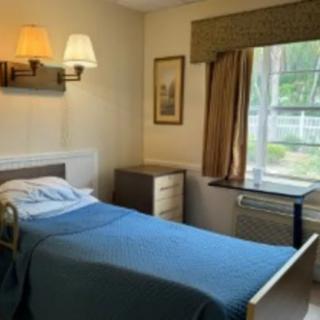





 Comprehensive Insights into Activities of Daily Living (ADLs) and Their Assessment
 Guiding Elderly Parents Who Refuse Assisted Living: 6 Practical Steps
 Your Comprehensive Guide to Luxury Assisted Living: Elevated Facilities, Amenities, and Costs