The Bridge At Orlando presents a range of monthly costs for its accommodations, which can be viewed in comparison to the average rates in Orange County and throughout Florida. For studio apartments, residents can expect to pay between $3,150 and $7,320, which is notably below the Orange County average of $4,288 and slightly above the statewide average of $3,823. The one-bedroom units are priced at a flat rate of $3,800, aligning closely with the county's average of $3,903 but offering a competitive edge over Florida's average of $3,864. However, private rooms command a higher price at $8,850 - a figure that significantly surpasses both county and state averages of $3,441 and $3,699 respectively. Overall, while some options at The Bridge At Orlando may appear costlier compared to local averages, they provide unique accommodations that cater to various preferences and needs within the community.
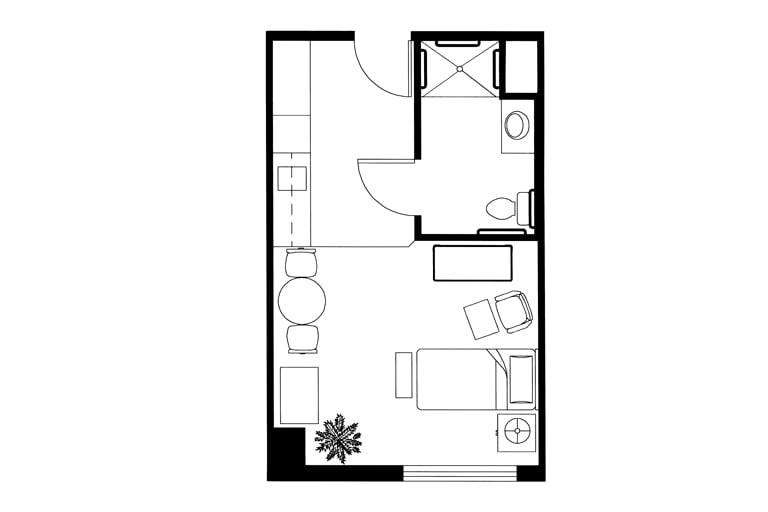
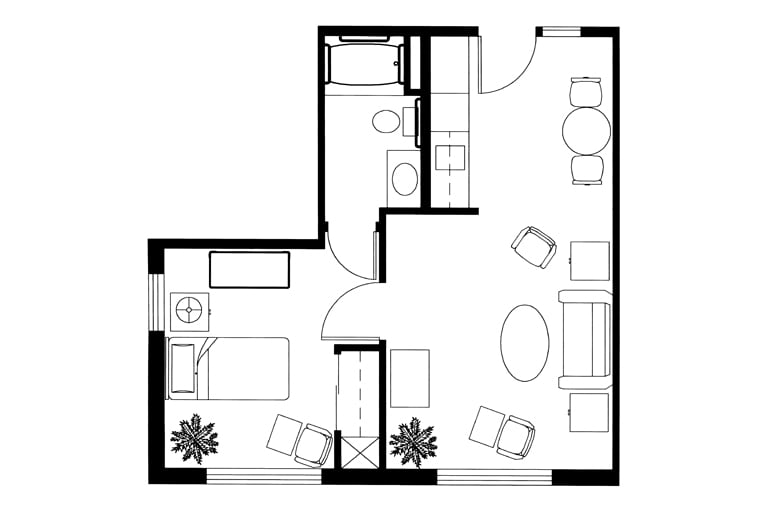
Floor plans
The Bridge At Orlando
Orange County
Florida
Studio
$3,150 to $7,320
$4,288
$3,823
1 Bedroom
$3,800
$3,903
$3,864
Private
$8,850
$3,441
$3,699
Assisted Living communities with a similar price nearby
Residents and families repeatedly describe staff as caring, professional, and responsive to needs.
Many reviews focus on how staff communicates with families, helps during transitions, and stays attentive to residents day to day. Several reviewers specifically mention staff following up on health changes and keeping families informed, and multiple say interactions feel personal rather than transactional. Even where reviewers disagree on other details, they often describe staff as kind and willing to help.
common17 reviews mention this
Food is often praised, sometimes questioned
Residents frequently mention meals positively, but a few reviews question food quality or variety.
A sizable share of reviews highlight the quality and presentation of the food, with multiple people saying meals are wonderful, good, or well-prepared. Some reviewers also describe meals aligning with dietary restrictions and serving a set schedule. On the other hand, a handful of reviews say the food was not great or that the menu could improve, including one tour experience.
differentiator9 reviews mention this
Facility updates and cleanliness impress
Reviews repeatedly point to a clean, updated environment that feels well kept.
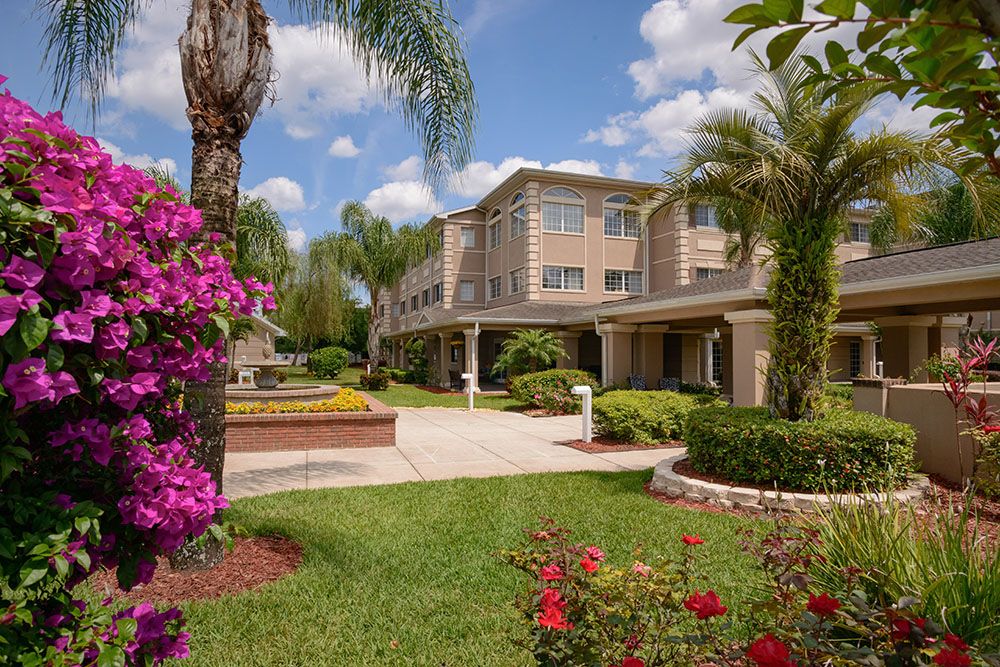
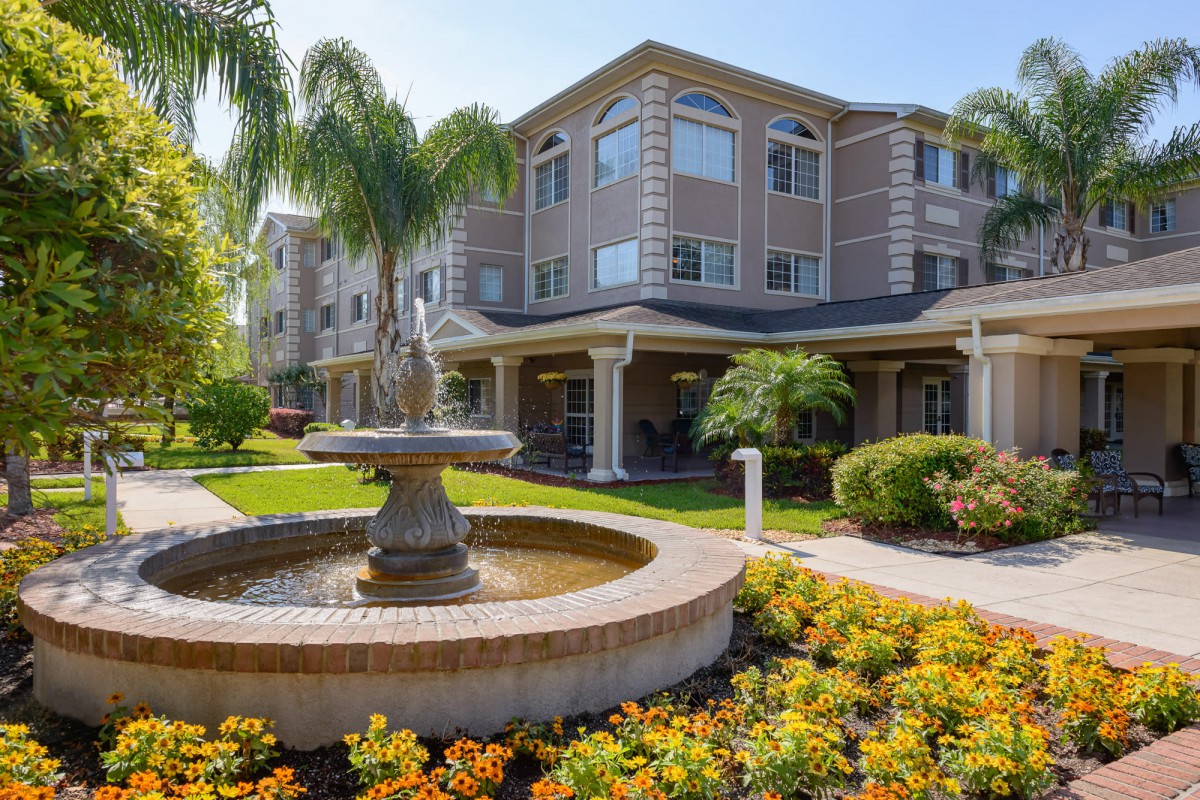
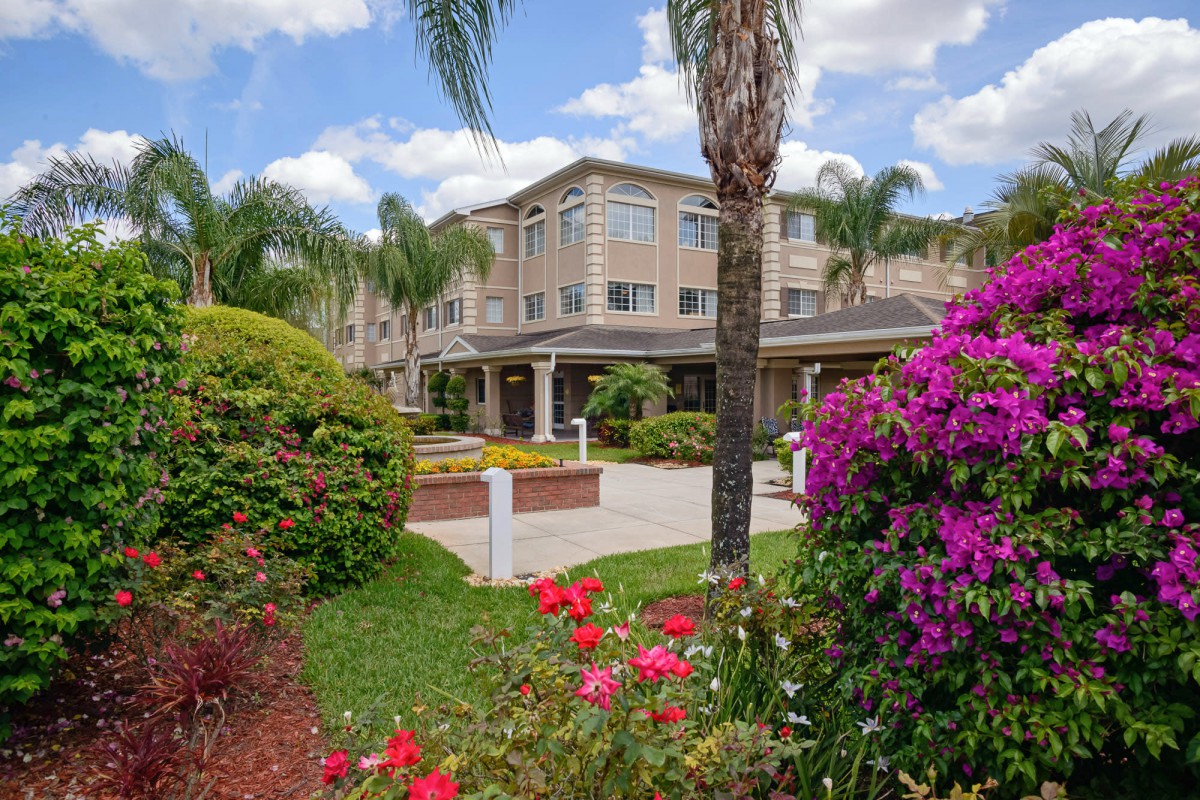
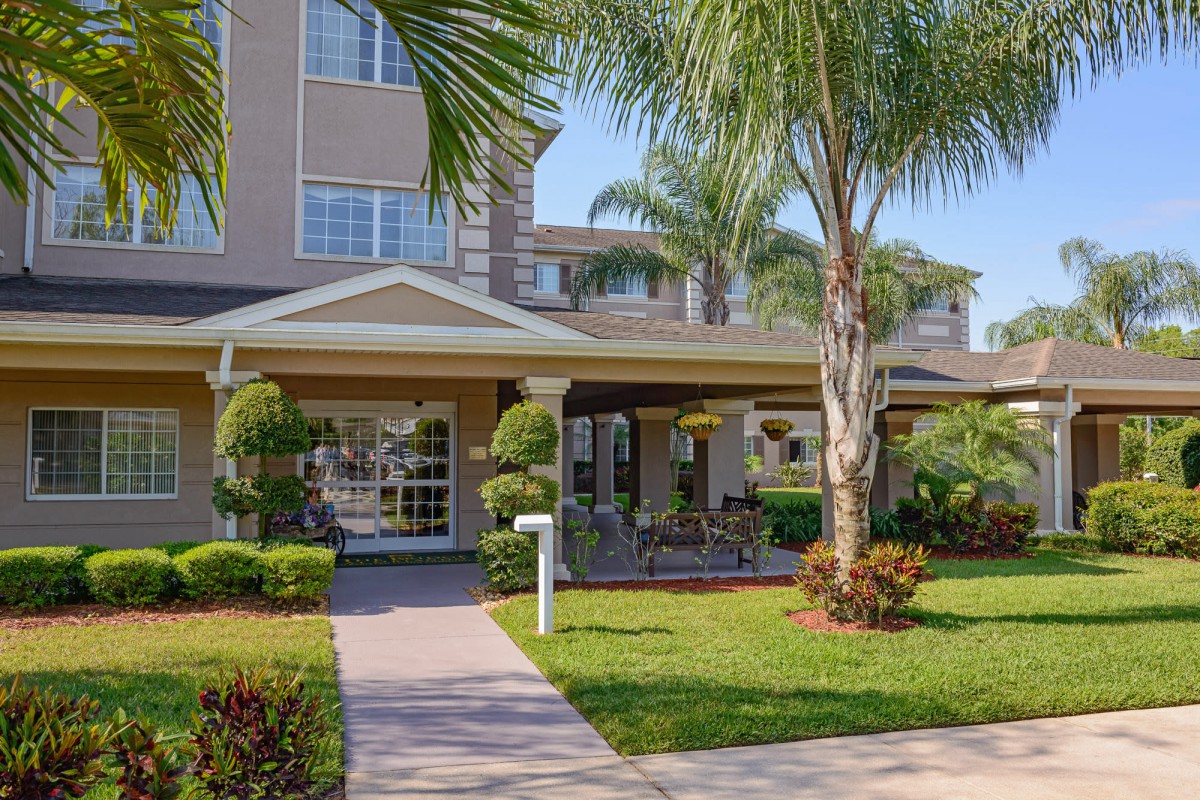
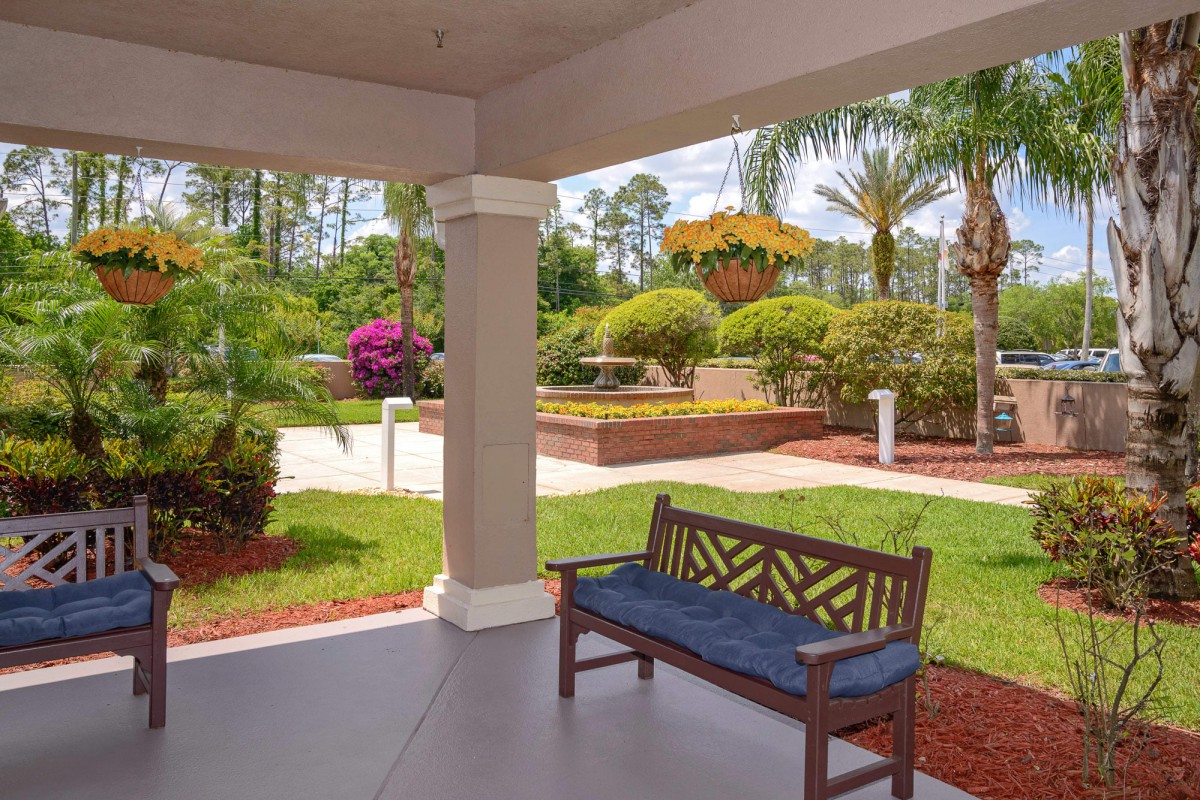
Several reviewers describe the building as clean and orderly, and multiple mention recent renovations or a newly updated look. Some also describe the common areas and outdoor spaces as well maintained and comfortable to visit. Even in more critical reviews, people still sometimes acknowledge the rooms or overall appearance as decent.
common11 reviews mention this
Activities and outings support engagement
Residents and families mention a range of activities, games, and planned outings.
Reviews frequently mention staying engaged through scheduled activities like music, movie nights, bingo, and games. Transportation and outings come up as part of the routine as well, with reviewers describing trips for errands, shopping, and visits. A few reviewers also note that activities were available even if they personally did not participate.
common10 reviews mention this
Care support during transitions is noted
Many reviews describe staff support with daily living and medication routines.
Several families explain that care helped during a move from independent living or after a health event, including smoother adjustment to assisted living. Reviewers also mention staff assisting with day-to-day needs and coordinating medication assistance, and at least one notes consistent meal and medicine routines. One reviewer also mentions physical therapy through a nearby rehab setting while at the community.
caveat4 reviews mention this
Concerns include leadership and staffing reliability
Some reviews raise serious concerns about leadership decisions and staffing reliability.
A small set of reviews describe problems with leadership approach, including concerns about ethical decision-making and a high turnover environment. Other critical reviews focus on negative experiences involving specific staff interactions and response during a resident’s health situation, including allegations of poor handling and loss of belongings. There are also reviews that complain about unprofessional conduct in the front office and question whether calls were followed up.
caveat2 reviews mention this
Pricing feels high to some
A few reviewers comment that pricing felt expensive compared with value.
Some reviewers say the community is good value, but others describe it as very expensive or not worth the money for the rooms and services they experienced. One review also notes a pricing difference compared with another facility they considered. Taken together, pricing satisfaction appears mixed depending on what residents expected to receive for the cost.
How we summarize
Counts show how many written reviews mention each theme; a review can touch several themes, and only frequently mentioned themes are displayed.
Features
Housing
114 resident community capacity
1-bedroom apartments
Studio apartments
Types of Care
Assisted Living
Independent Living
Pets
Cats allowed
Dogs allowed
Amenities
Activities off-site
Activities on-site
Air-conditioning
Bath tubs
Beautician on-site
Beauty salon
Cable or satellite TV
Computer center
Devotional services off-site
Devotional services on-site
Dining room
Financial aid
Financing advice
Fitness room
Full kitchen
Fully furnished
Gaming room
Garden
Ground floor units
Home sale assistance
Housekeeping services
Indoor common areas
Kitchenette
Laundry
Move-in coordination
Outdoor common areas
Outdoor space
Private bathrooms
Resident parking
Respite or short term stays offered
Restaurant-style dining
Small library
TV room
Telephone
VA Benefits Consultation
Wellness center
Wheelchair accessible showers
Wi-Fi/high-speed internet available
Transportation
Orlando International (13 miles away)
Community operated transportation
Transportation & parking
Transportation arrangement
Transportation arrangement (non-medical)
Care Services
12-16 hour nursing
24-hour call system
24-hour supervision
Activities of daily living assistance
Ambulatory care
Assistance with bathing
Assistance with dressing
Assistance with transfers
Coordination with health care providers
Diabetes diet
Diabetic care
High acuity care
Incontinence care
Meal preparation and service
Medication management
Mental wellness program
Special dietary restrictions
Transportation arrangement (medical)
Transportation to doctors appointments
Dining
Diabetes diet
Guest meals
Low / no sodium
Meals provided
No Sugar
Restaurant style dining
Room service
Special dietary restrictions
Vegetarian
Activities
Activities off-site
Activities on-site
Art classes
Arts and crafts
Catholic services
Community-sponsored activities
Concierge services
Day trips and outings
Devotional activities offsite
Devotional activities on-site
Educational speakers / life long learning
Fitness programs
Games
Karaoke
Live musical performances
Live well programs
Planned day trips
Protestant services
Religious services
Resident-run activities
Scheduled daily activities
Visiting chaplain or priest
Wii bowling
Yoga / chair yoga
Languages Spoken
English
Spanish
Nearby Places of Interest
This part of Orlando, Florida, offers a convenient and accessible location with a variety of amenities for senior living. There are several popular restaurant options nearby like Chick-Fil-A, Del Taco, and Olive Garden, as well as pharmacies such as Walgreens and CVS Pharmacy for easy access to medication and essentials. Additionally, there are reputable healthcare providers in the area including Physician Associates and Legacy Family Medicine. Places of worship like Masjid Al-Malik and St Luke's Lutheran Church provide spiritual support, while cafes like Starbucks offer a relaxing environment for socializing. For entertainment, there are theaters like Regal Waterford Lakes 4Dx & Imax nearby. Hospitals such as Orlando VA Medical Center and Winter Park Memorial Hospital ensure quality healthcare services are readily available. With parks like Shane Kelly Park and transportation options like Altamonte Springs SunRail Station within reach, this area offers a comfortable and well-rounded living experience for seniors.
The Bridge At Orlando presents a range of monthly costs for its accommodations, which can be viewed in comparison to the average rates in Orange County and throughout Florida. For studio apartments, residents can expect to pay between $3,150 and $7,320, which is notably below the Orange County average of $4,288 and slightly above the statewide average of $3,823. The one-bedroom units are priced at a flat rate of $3,800, aligning closely with the county's average of $3,903 but offering a competitive edge over Florida's average of $3,864. However, private rooms command a higher price at $8,850 - a figure that significantly surpasses both county and state averages of $3,441 and $3,699 respectively. Overall, while some options at The Bridge At Orlando may appear costlier compared to local averages, they provide unique accommodations that cater to various preferences and needs within the community.
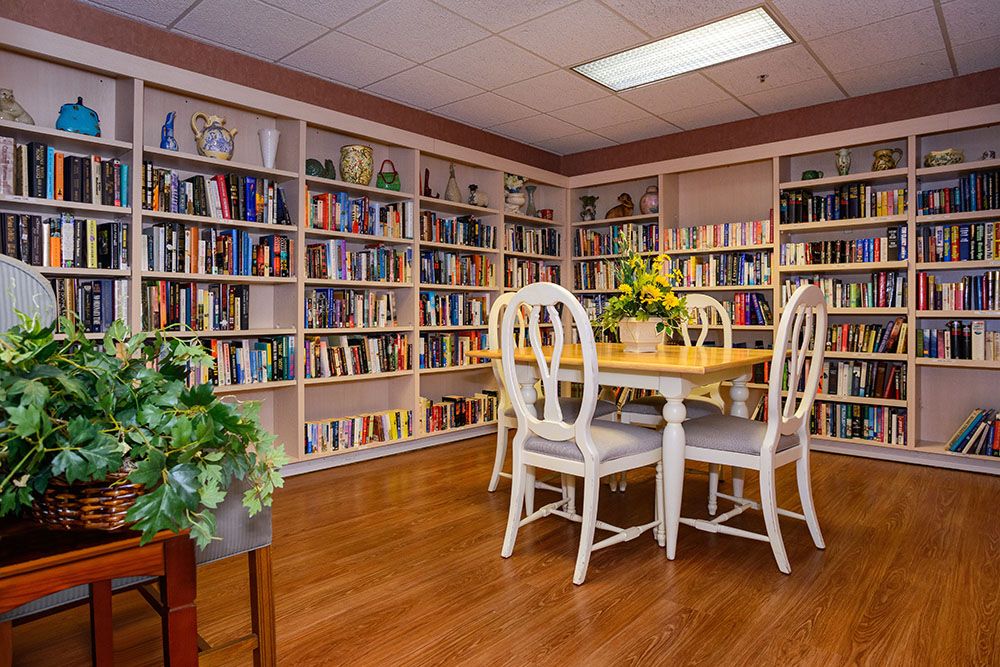
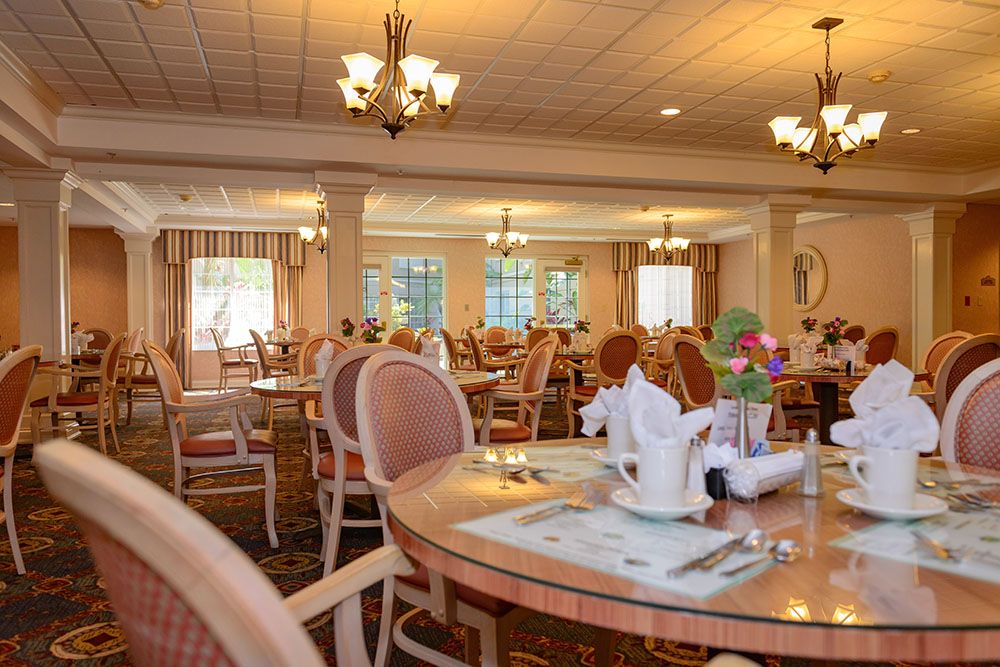
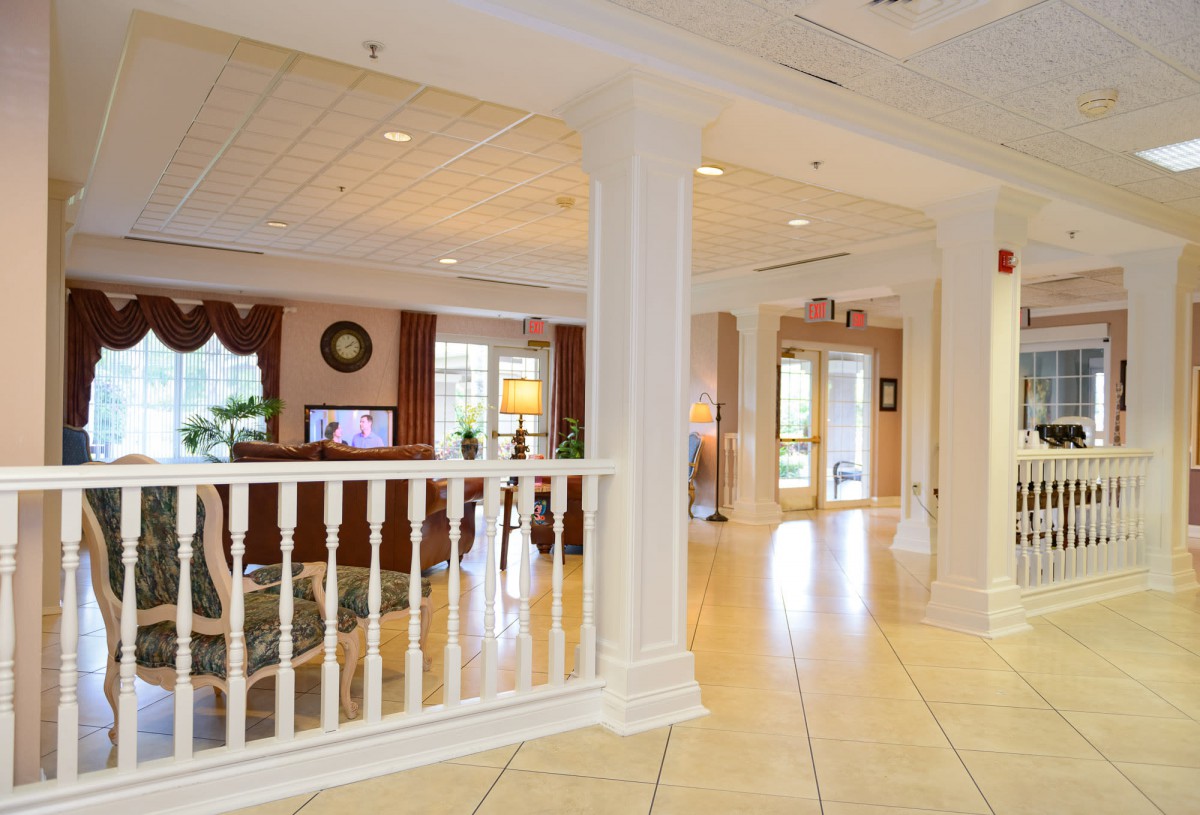
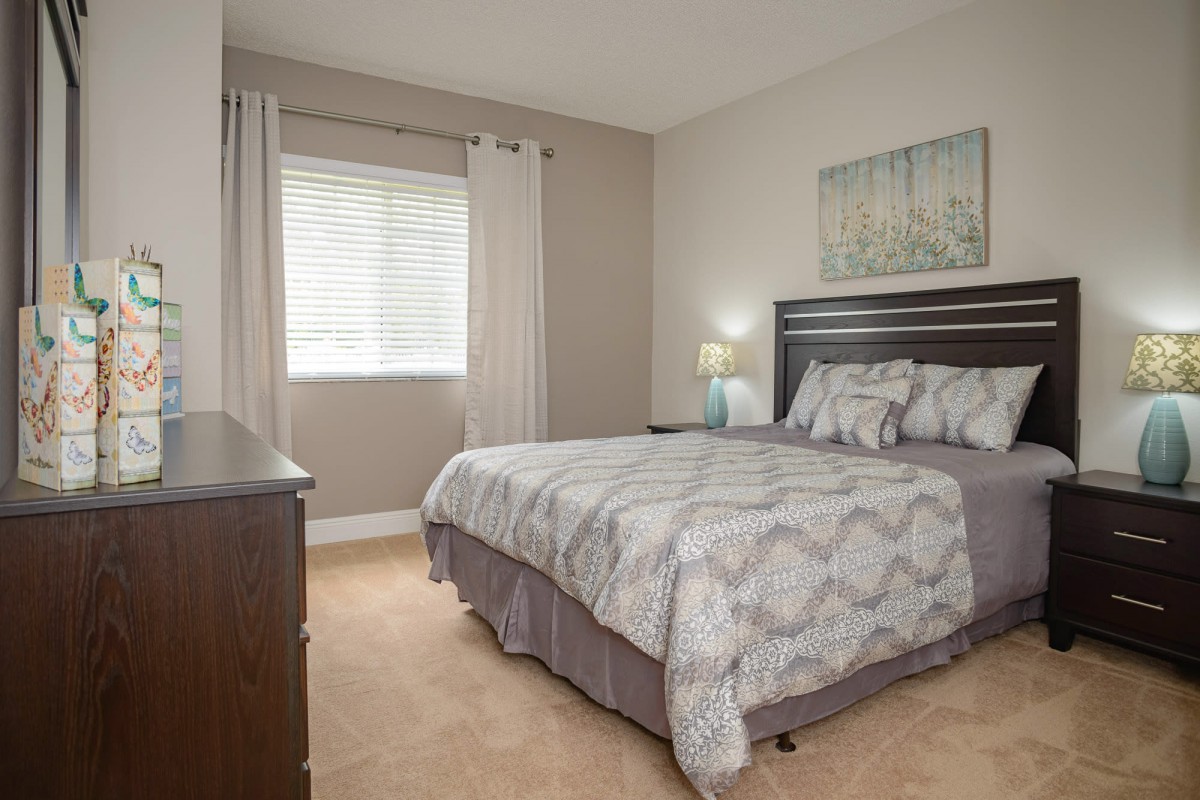
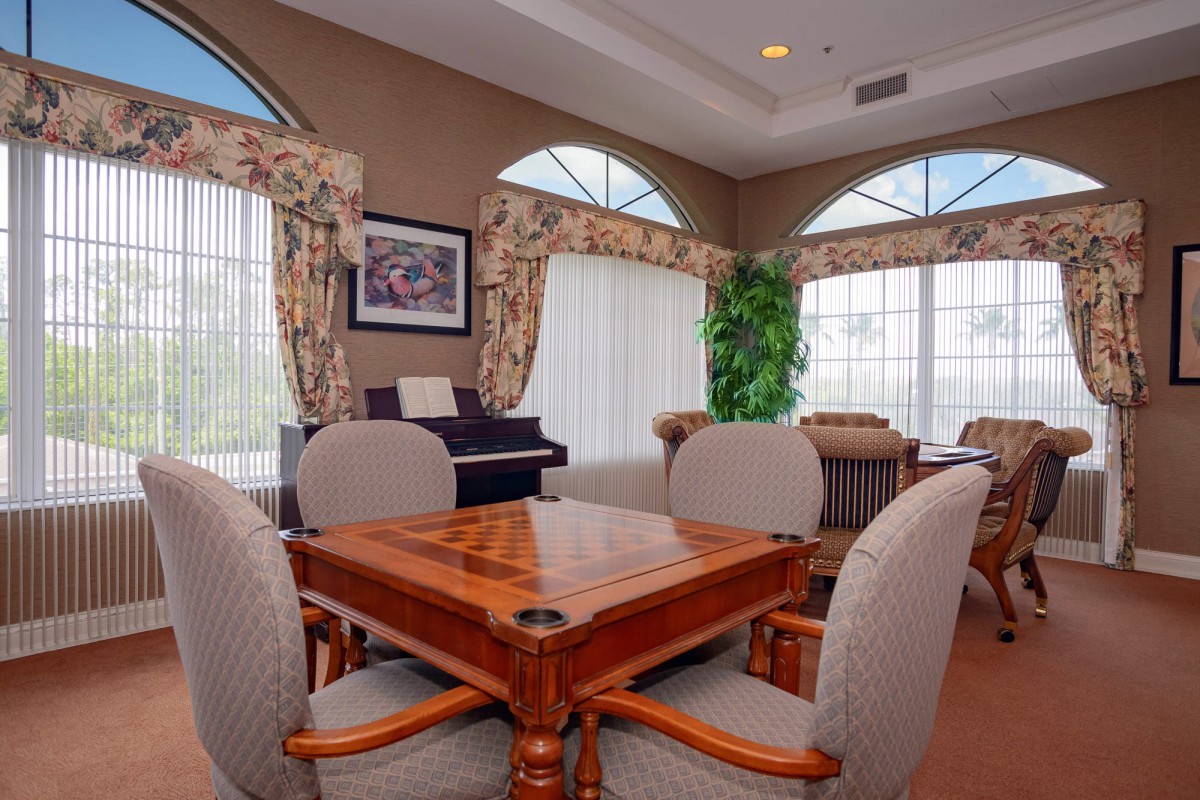
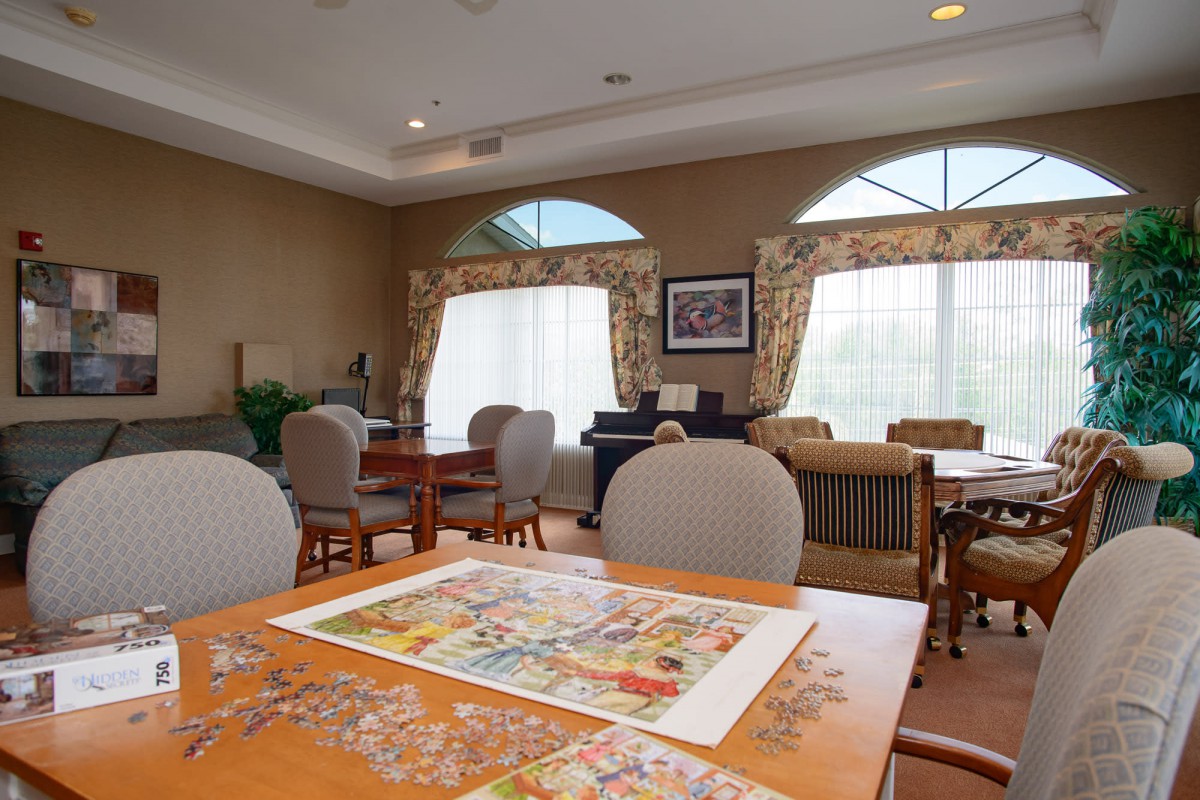
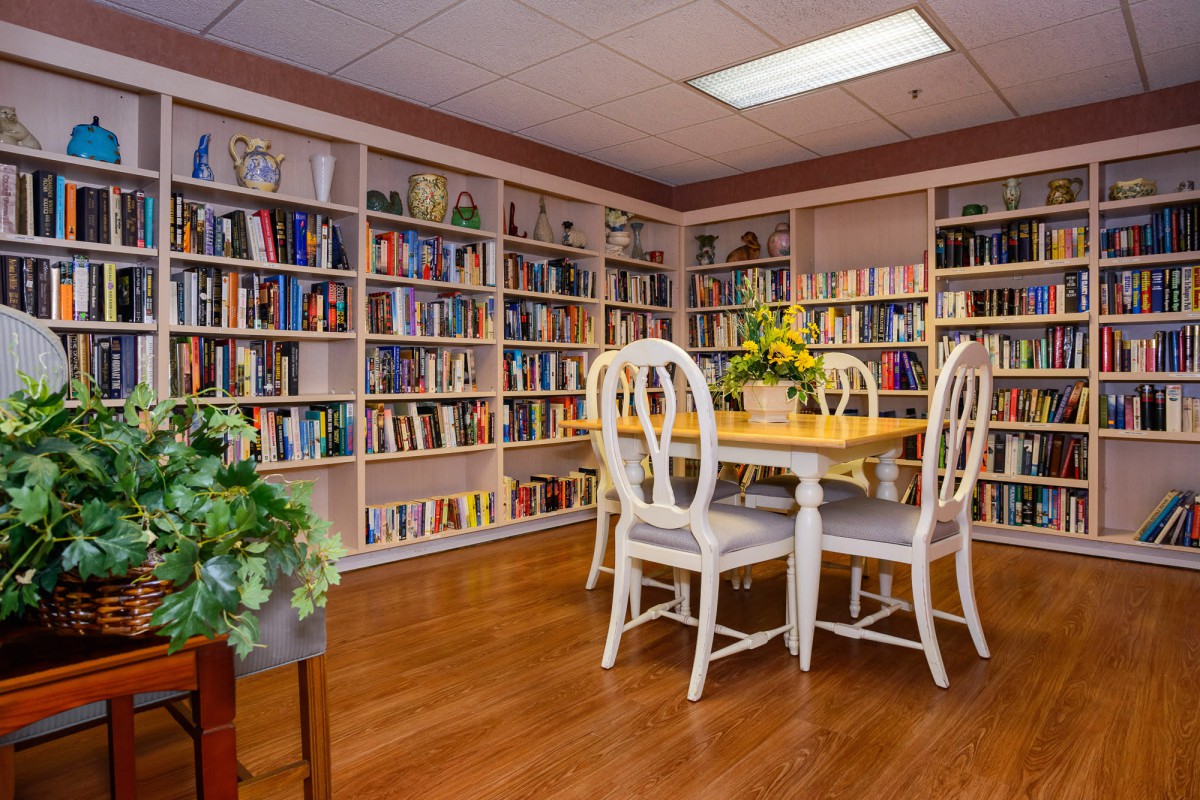
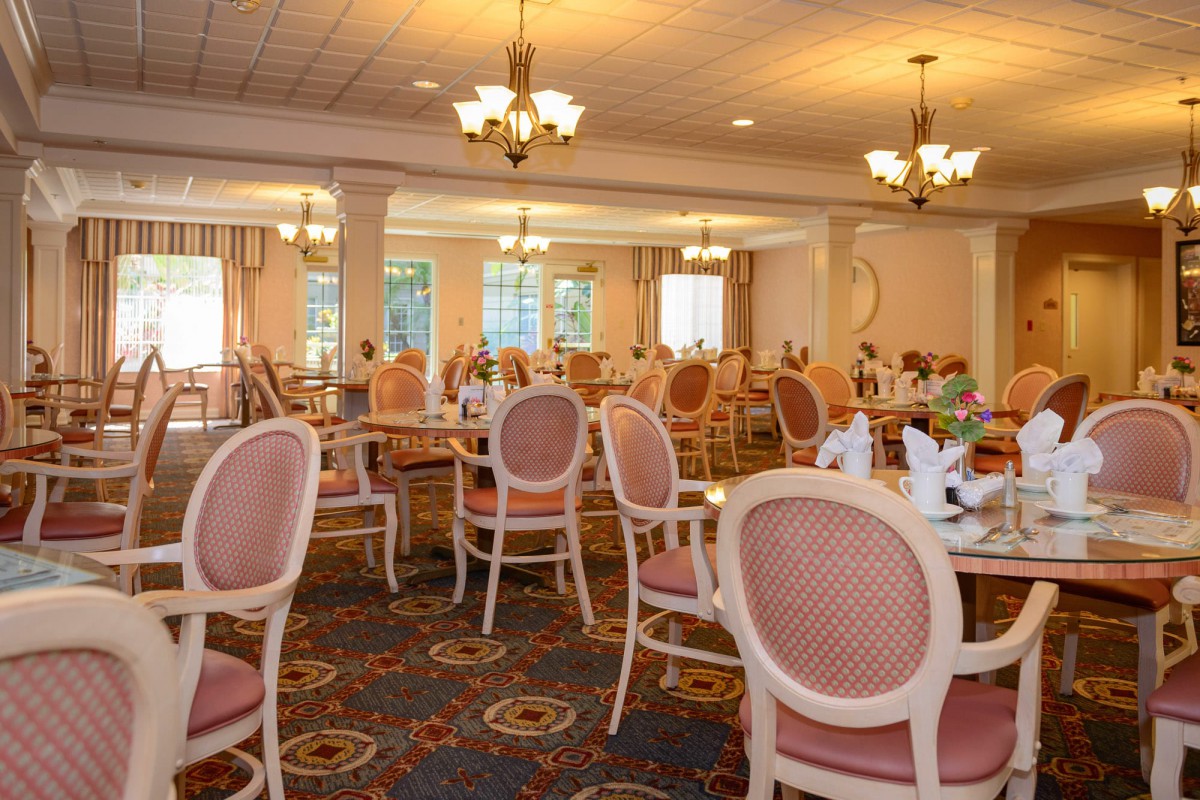
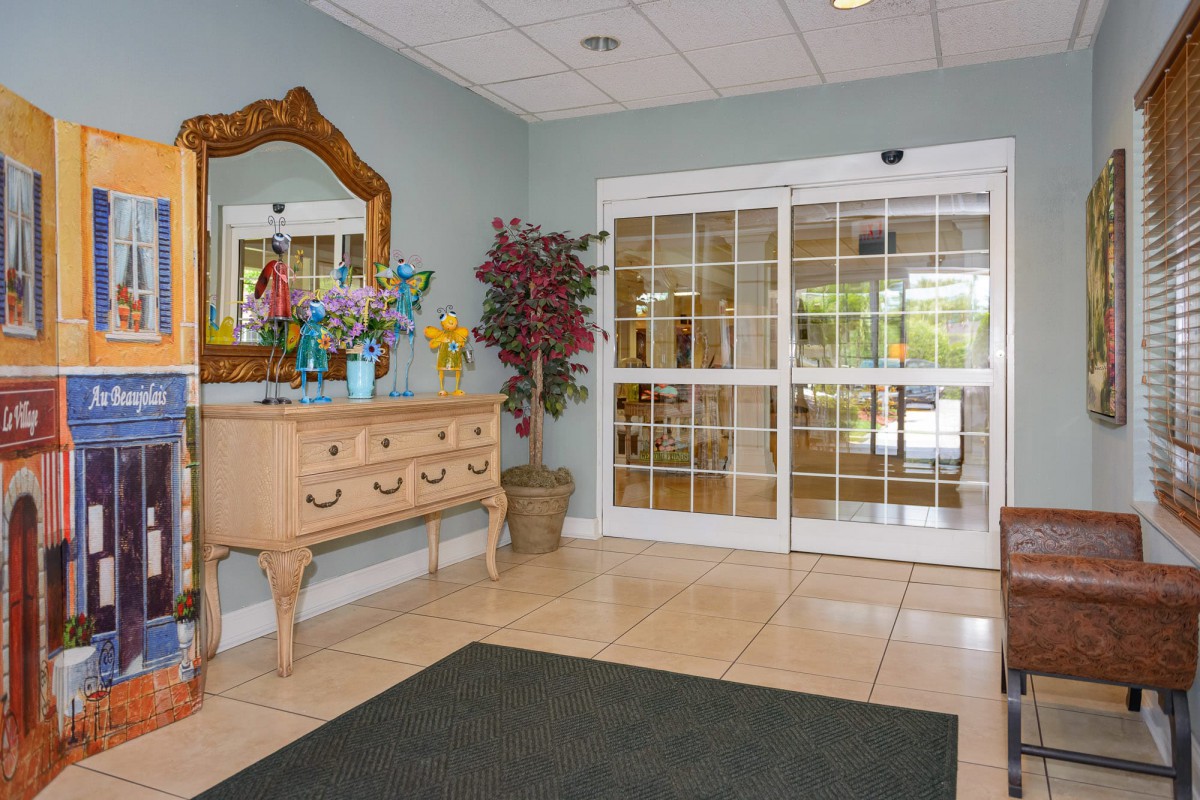
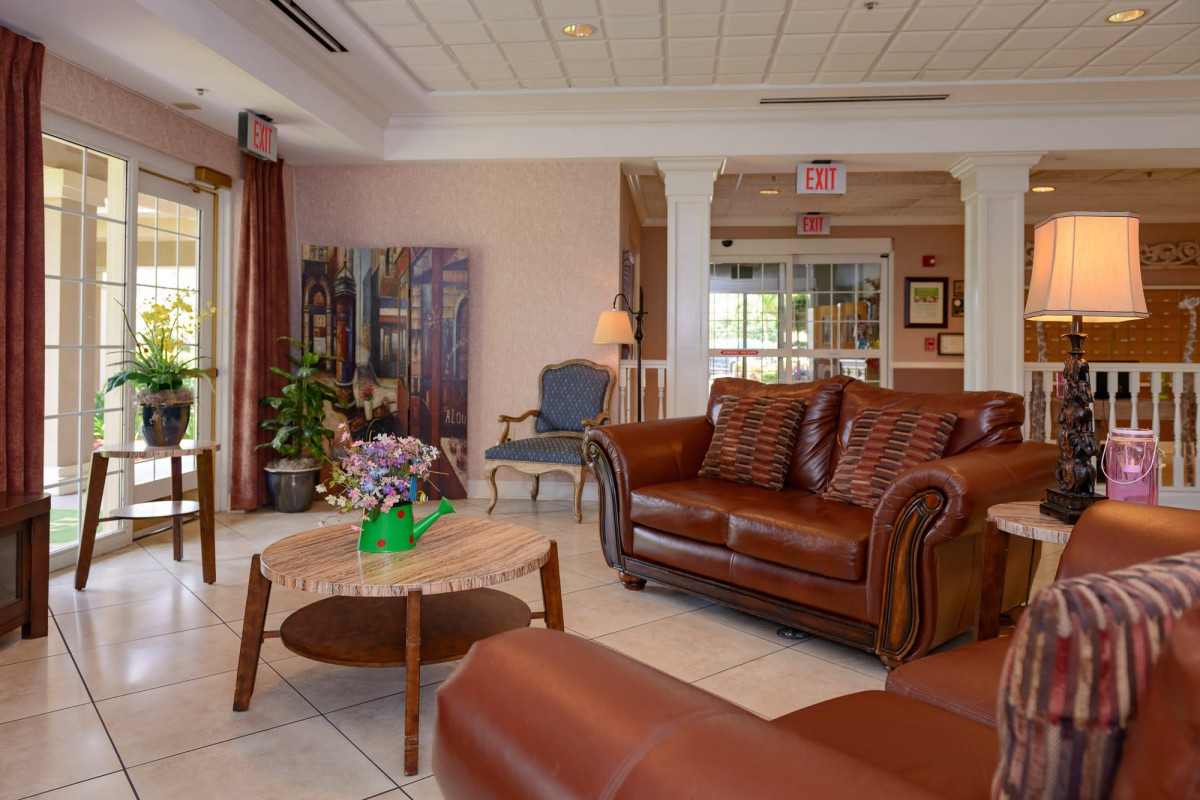
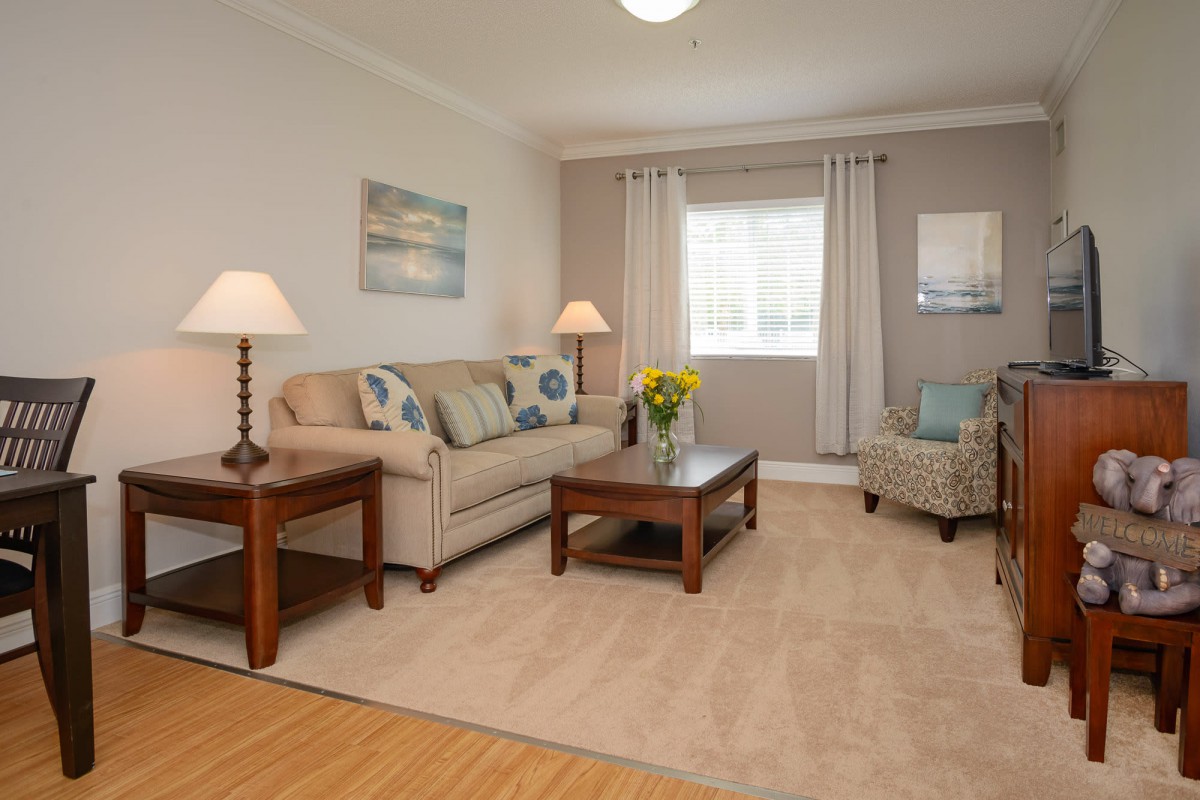
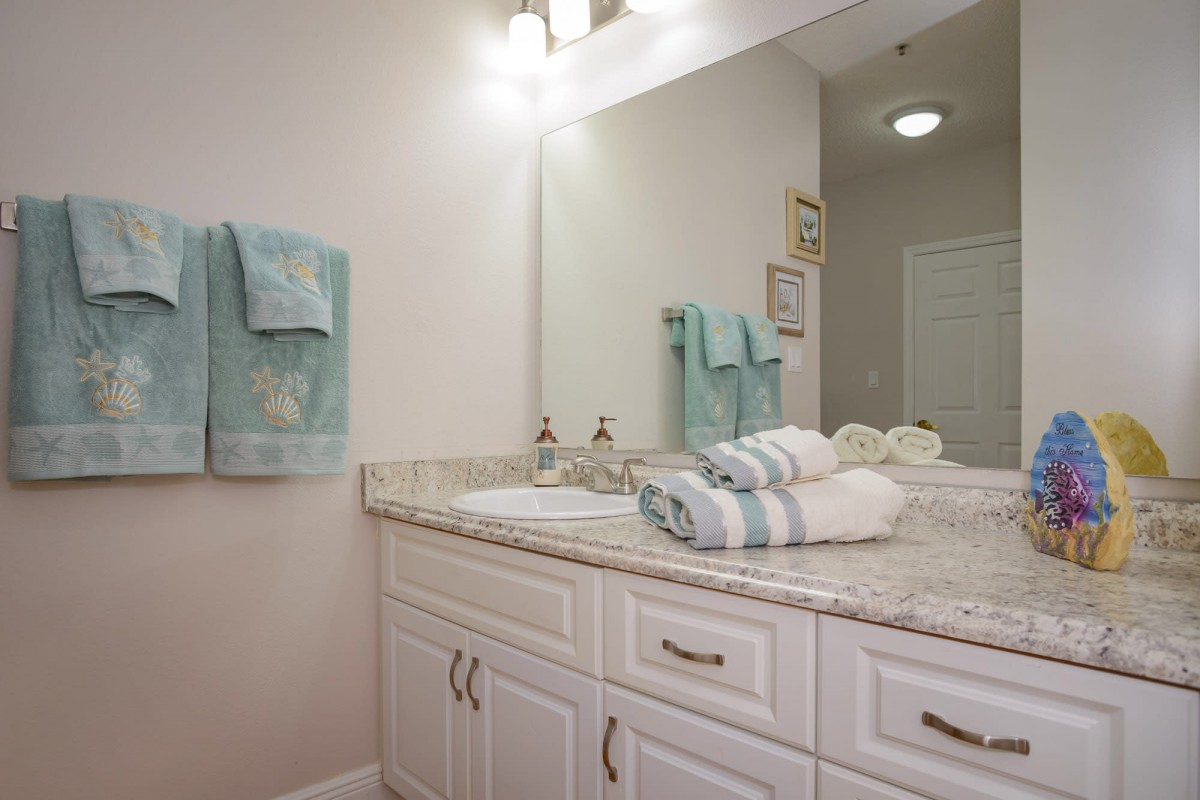
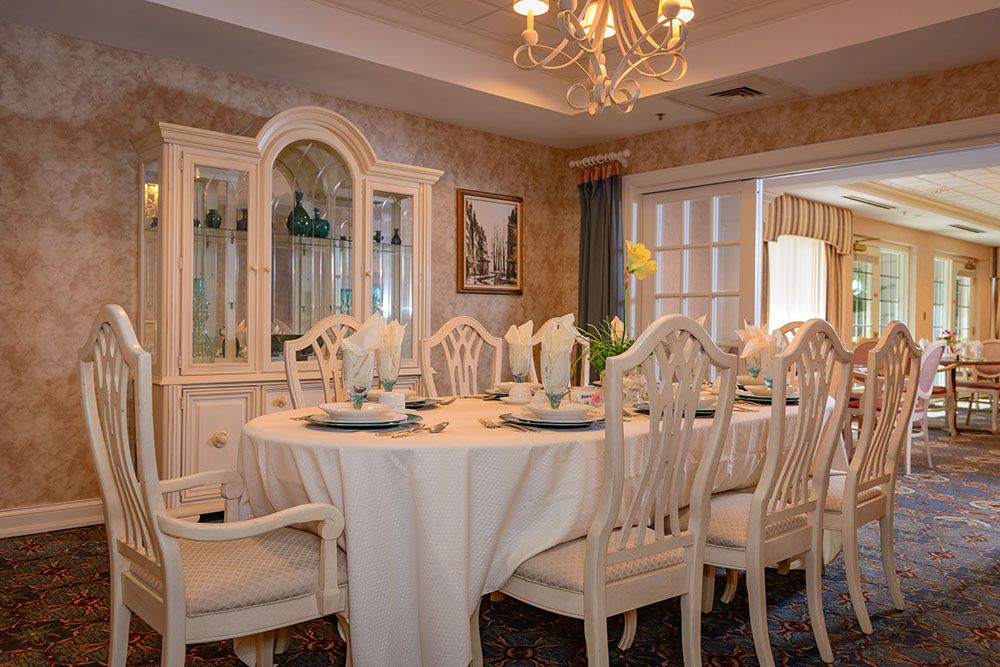
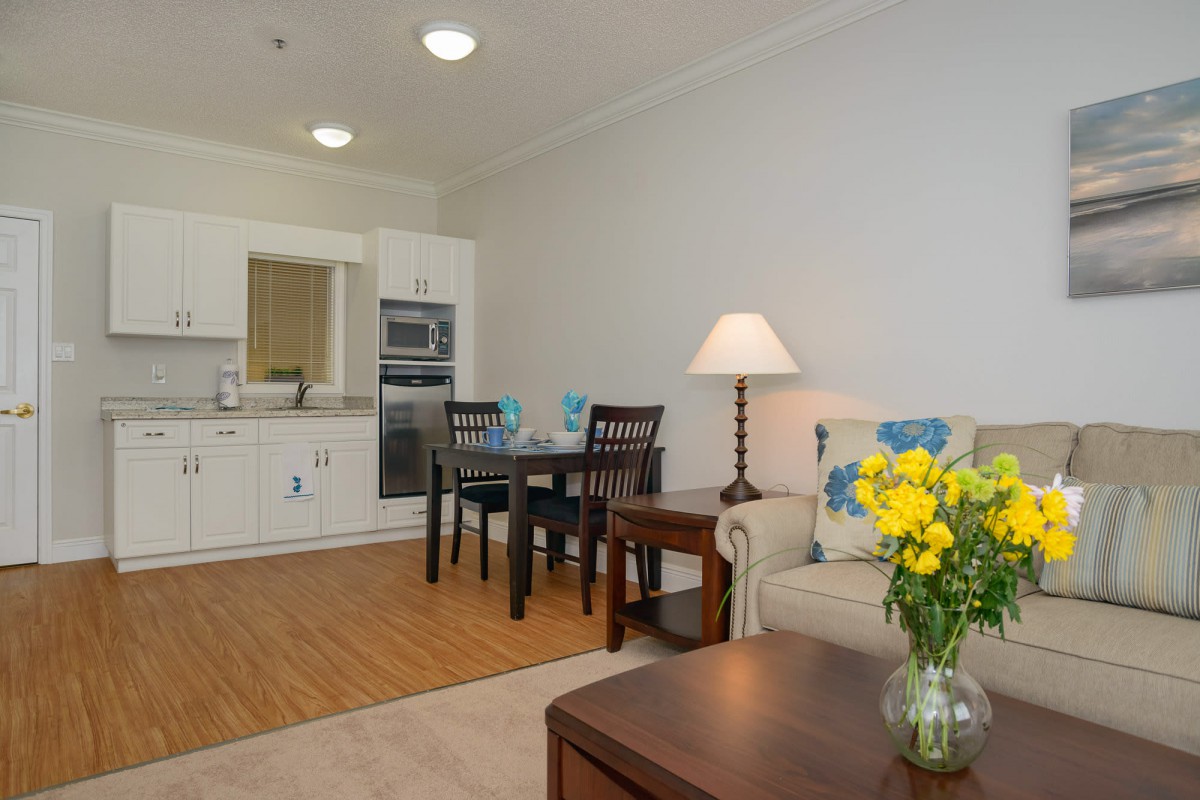
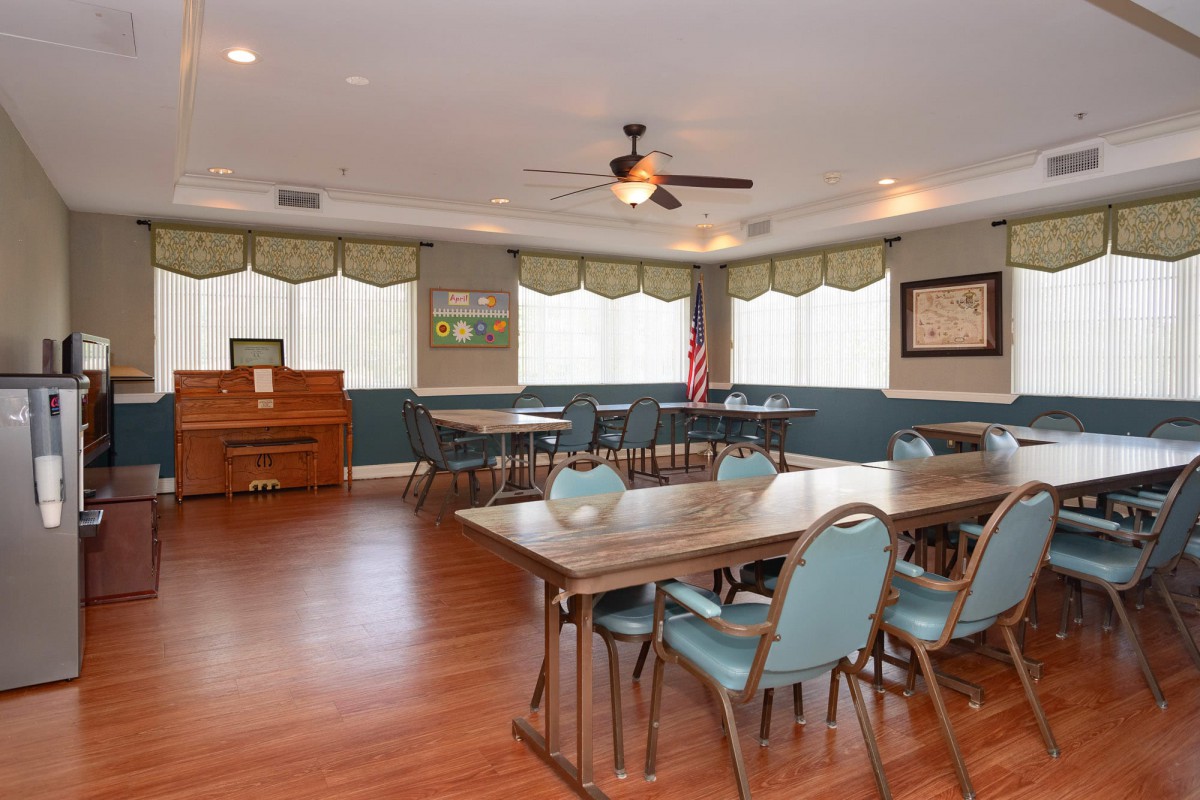
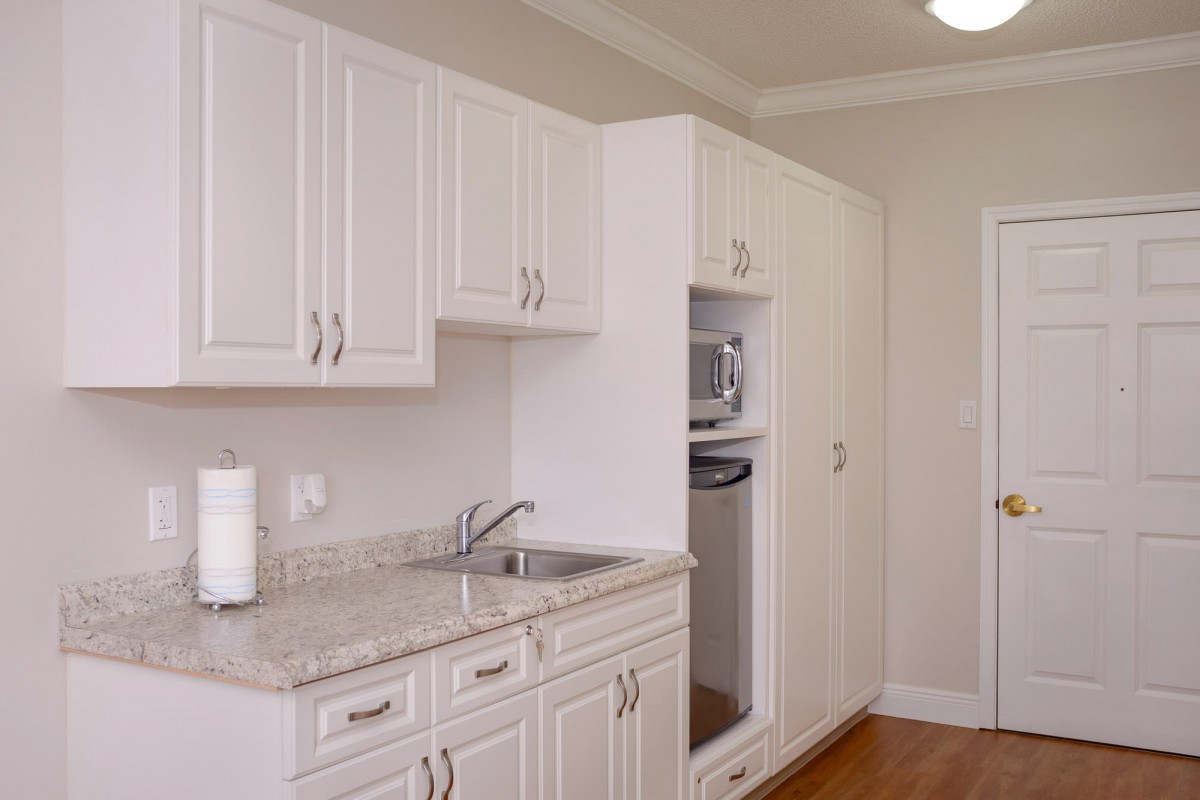
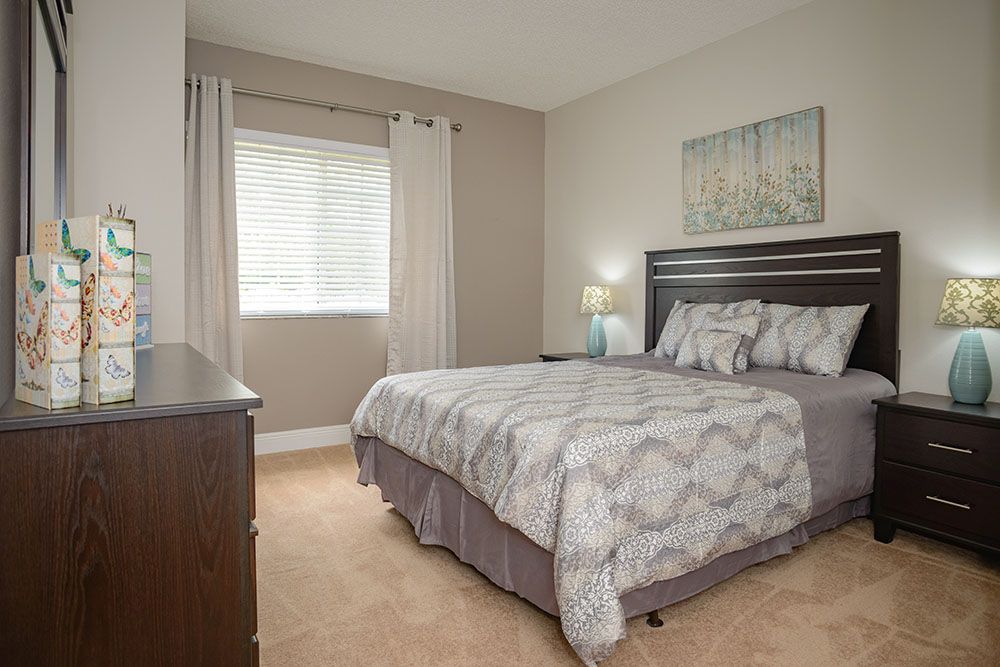
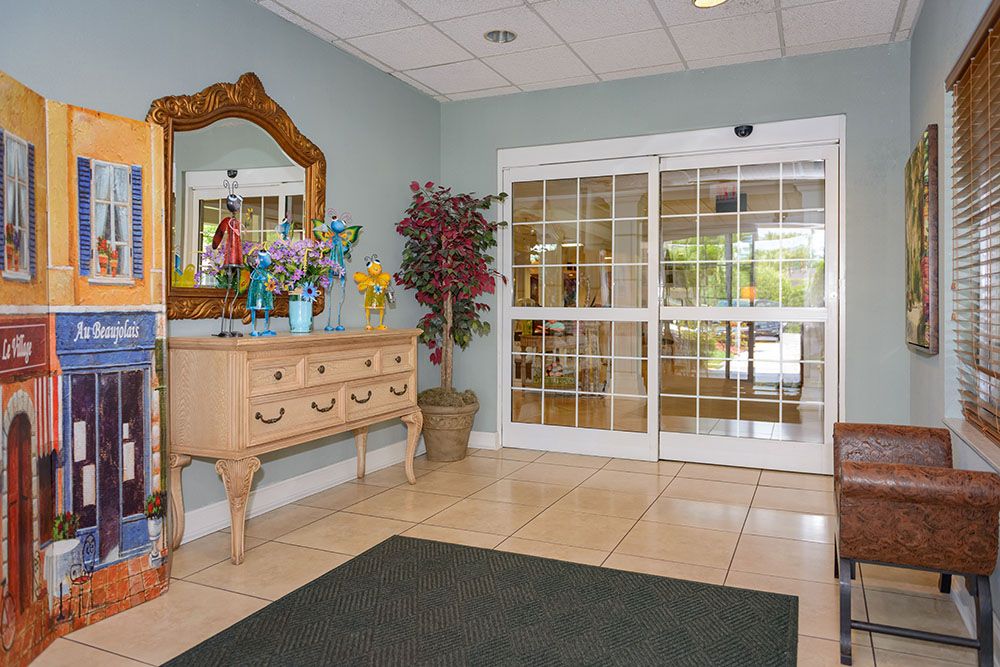
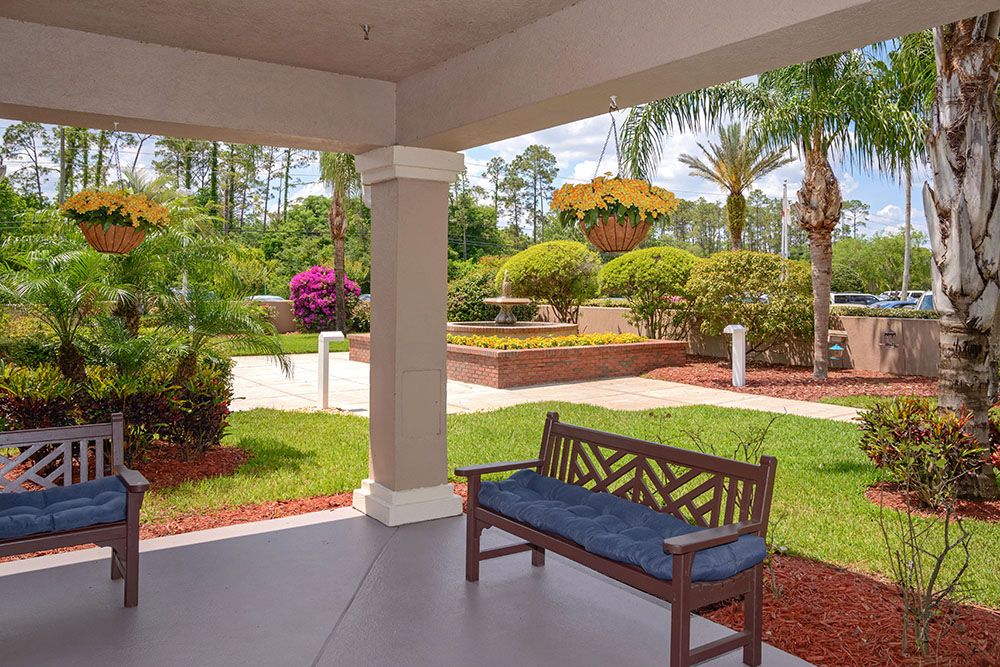
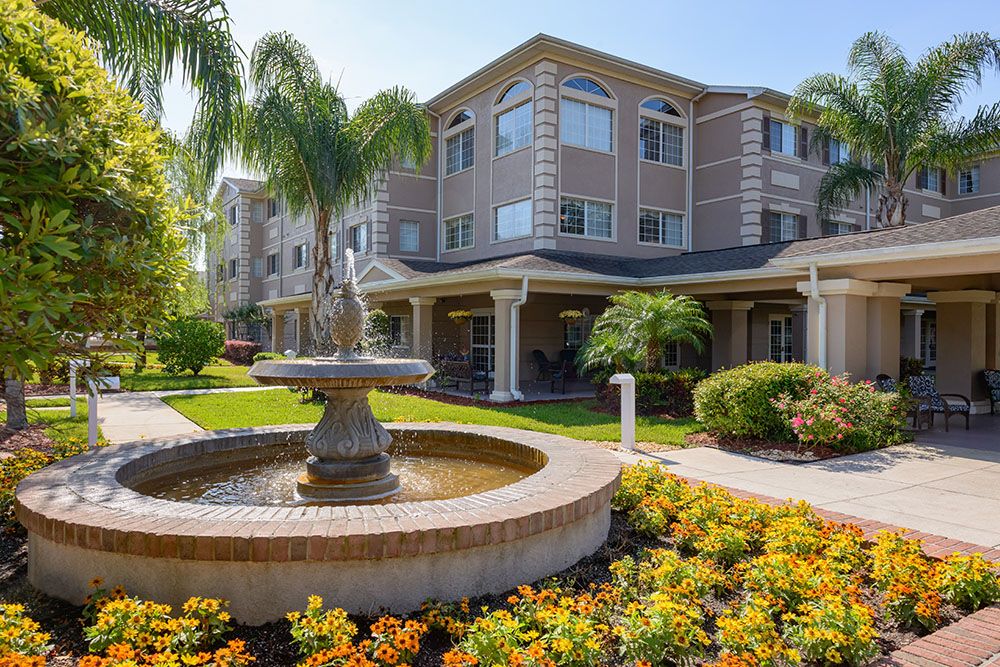
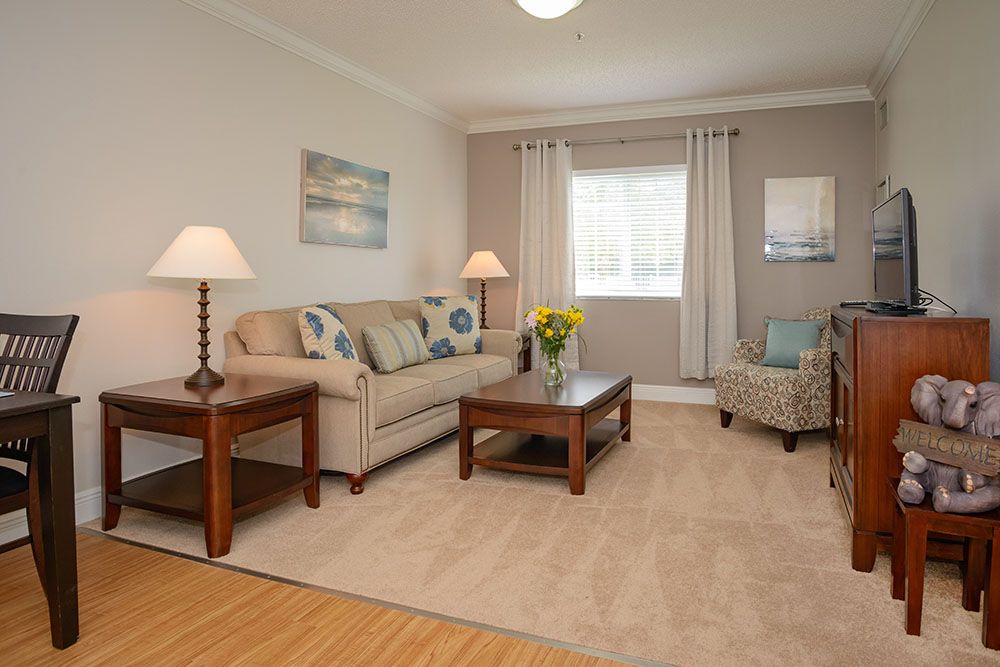
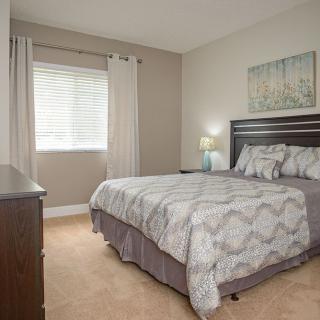
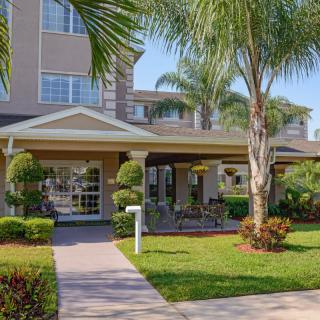
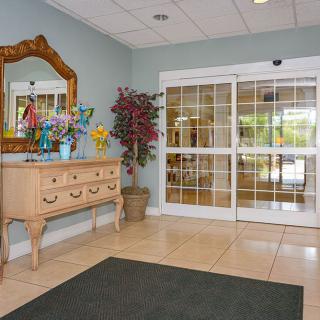
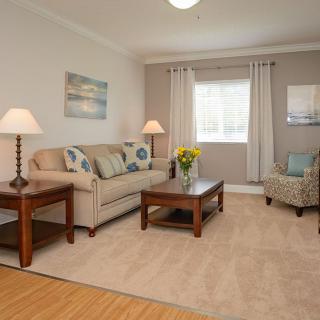
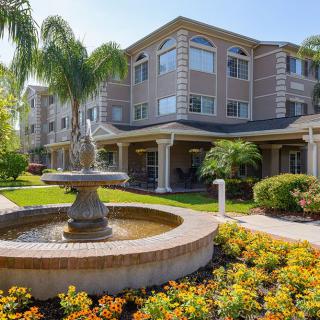
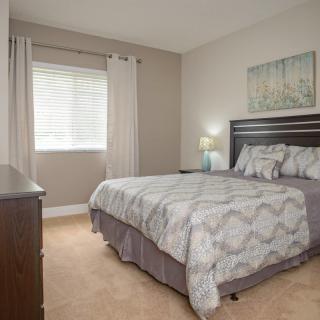
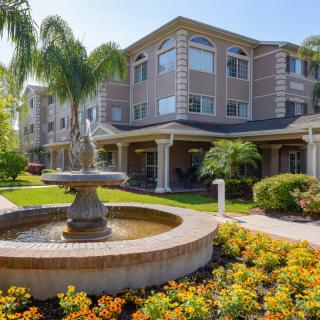
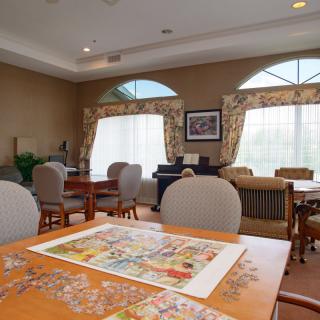
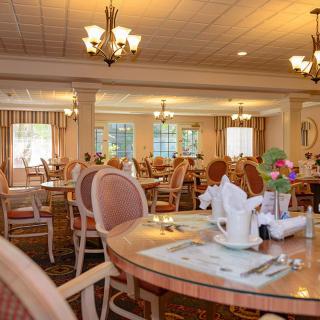
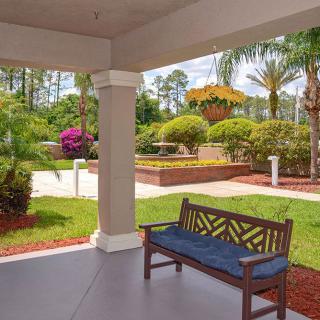
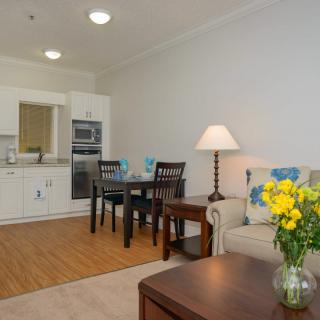
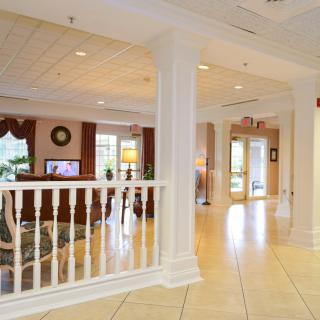
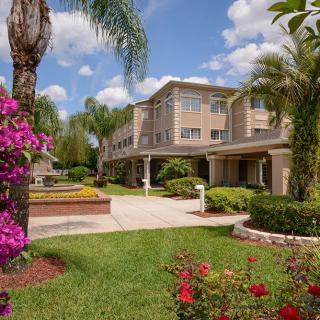
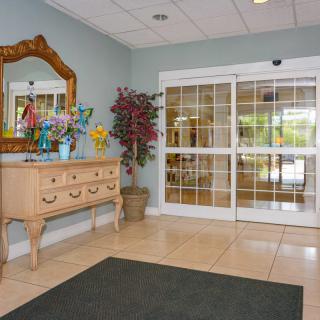
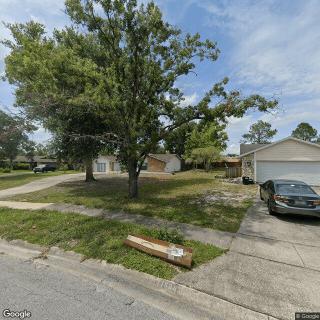
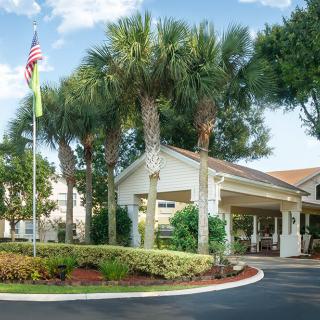
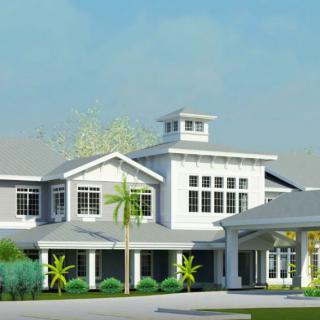
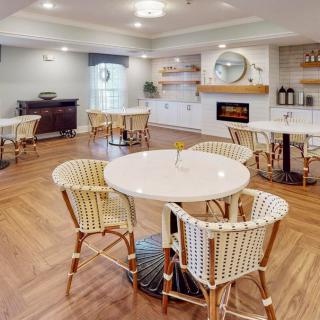
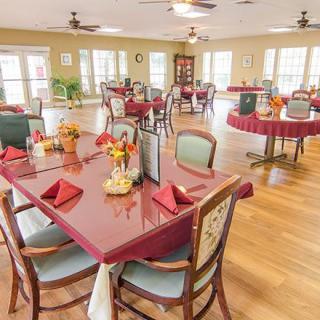
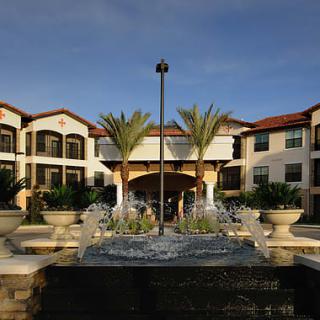
The Bridge At Orlando on seniors.fyi includes 30 photos including images showing interior, decor, landscaping, living room, garden, dining, bedroom, building, and more.
Nearby Communities
Life Care Center Of Orlando
Orlando, FL
4.6 from 134 reviews
Responsive, compassionate staff in a clean, activity-rich setting with solid rehab programs.
Knight's Landing
Orlando, FL
3.2 from 37 reviews
Active, engaging community with nearby healthcare and amenities.
Ajr Loving Care Assisted Living
Oviedo, FL
4.3 from 72 reviews
$2,500 to $3,000 / month
Quality meals and a warm, small-community environment with positive staff-resident relationships.
Allheart Board & Care
Orlando, FL
4.8 from 27 reviews
$2,500 to $3,000 / month
Clean, well-maintained facility with friendly, responsive care led by Ms. Collado.
Woolridge Thelma
Orlando, FL
Comprehensive assisted living with 24/7 supervision, daily living assistance, medication management, diabetes-friendly dining, and engaging activities.
Carmita's Home Health III
Orlando, FL
5 from 2 reviews
$2,500 to $2,800 / month
Competitive pricing with private rooms and comprehensive care options.
Madison at Oviedo
Oviedo, FL
4.4 from 170 reviews
$3,650 to $5,700 / month
Attentive staff with strong family communication; clean, engaging environment.
Palmetto Landing
Winter Springs, FL
3.8 from 83 reviews
$1,995 to $4,500 / month
Friendly, compassionate staff in a clean, welcoming environment with engaging activities and strong family communication.
Allegro
Winter Park, FL
4.6 from 107 reviews
$4,050 to $5,300 / month
Beautiful, well-maintained facility with attentive staff and diverse amenities.
Transitioning from assisted living to memory care is driven by an individual's cognitive decline and specific needs, requiring careful evaluation of indicators like increased confusion and wandering. The process involves consulting medical professionals, researching suitable communities, considering financial and legal aspects, and ensuring effective communication for personalized care plans.
Assisted living provides moderate support for seniors seeking independence, while memory care offers specialized support for individuals with dementia or cognitive impairments through structured routines and trained staff. Key differences include care approaches, environment security measures, staff training levels, activity types, and cost considerations.
Assisted living communities offer diverse activities beyond traditional games to enhance seniors' physical health, cognitive well-being, emotional enrichment, and social connections, including fitness classes, creative expression, and intergenerational interactions. These enriching programs foster community bonds and support residents' independence and happiness.
Get PricingAsk A QuestionSchedule A TourContact Senior Advisor
By clicking submit, you agree to our Partner's Terms of Use. You
also consent to receive calls and texts, which may be autodialed, from our Partner. Your consent is not a condition to
using our Partner's service. Please visit our Partner's Privacy Policy for information about their privacy practices.


 114 resident community capacity
 1-bedroom apartments
 Assisted Living
 Independent Living
 Cats allowed
 Dogs allowed
 Activities off-site
 Air-conditioning
 Bath tubs
 Beautician on-site
 Cable or satellite TV
 Computer center
 Devotional services off-site
 Dining room
 Financial aid
 Fitness room
 Full kitchen
 Fully furnished
 Gaming room
 Garden
 Ground floor units
 Housekeeping services
 Indoor common areas
 Laundry
 Move-in coordination
 Outdoor common areas
 Private bathrooms
 Resident parking
 Respite or short term stays offered
 Restaurant-style dining
 Small library
 Telephone
 Wellness center
 Wheelchair accessible showers
 Wi-Fi/high-speed internet available
 Orlando International (13 miles away)
 Community operated transportation
 12-16 hour nursing
 24-hour call system
 Ambulatory care
 Assistance with bathing
 Assistance with dressing
 Assistance with transfers
 Diabetes diet
 Diabetic care
 High acuity care
 Incontinence care
 Medication management
 Mental wellness program
 Special dietary restrictions
 Transportation arrangement (medical)
 Art classes
 Catholic services
 Concierge services
 Day trips and outings
 Educational speakers / life long learning
 Games
Games Karaoke
 Live musical performances
 Wii bowling
 English
 Responsive, compassionate staff in a clean, activity-rich setting with solid rehab programs.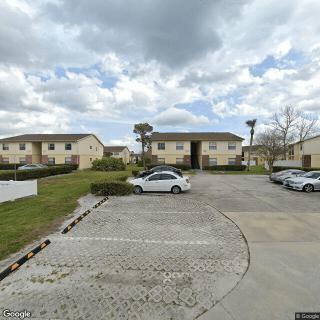

 When to Transition from Assisted Living to Memory Care: Key Indicators, Steps, and Finding the Right Community
 Assisted Living and Memory Care: Understanding Their Core Differences
 Beyond the Bingo Hall: 50+ Enriching Activities for Seniors in Assisted Living