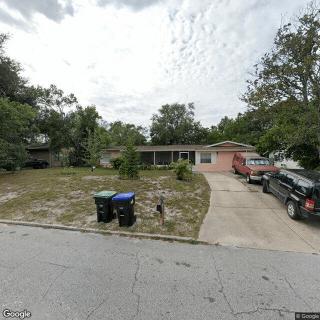
5412 Palm Lake Circle, Orlando, FL 32819
For more information about senior living options: (866) 208-4318
Dr Phillips Assisted Living Facility Costs & Pricing
At Dr. Phillips Assisted Living Facility, residents benefit from competitive pricing compared to both Orange County and the broader Florida market. For semi-private accommodations, the facility charges $2,500 per month, significantly lower than the county average of $3,041 and the state average of $3,009. This not only makes Dr. Phillips an attractive option for those seeking affordable assisted living but also reflects a commitment to providing quality care without compromising on value. When it comes to private rooms, the monthly rate is $3,300 - again more economical than the local average of $3,441 and the state figure of $3,699. Overall, Dr. Phillips Assisted Living Facility stands out as a cost-effective choice that upholds high standards of service in a welcoming environment.
| Floor plans | Dr Phillips Assisted Living Facility | Orange County | Florida |
|---|---|---|---|
| Semi-Private | $2,500 | $3,041 | $3,009 |
| Private | $3,300 | $3,441 | $3,699 |
Assisted Living communities with a similar price nearby
-
from +$100 / mo
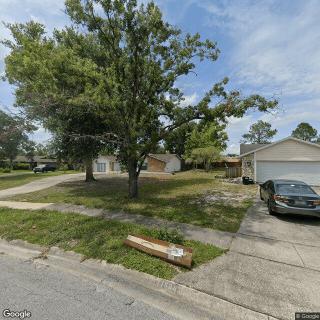
Faith House Of Winter Park
$2,600 to $3,100 / month17.5 miles away -
from -$300 / mo
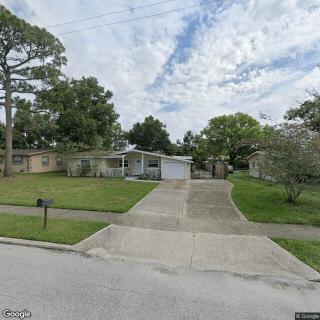
Oasis National Assisted Living Facility
$2,200 to $2,600 / month15.2 miles away -
from -$105 / mo
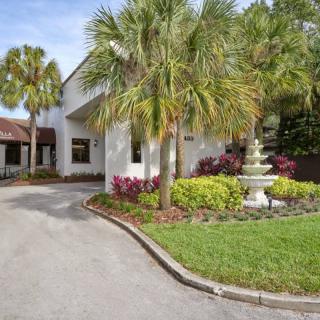
Grand Villa of Altamonte Springs
$2,395 to $3,895 / month14.7 miles away -
from +$400 / mo
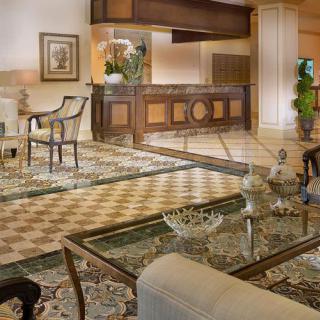
Oakmonte Village Of Lake Mary
$2,900 to $4,200 / month20.3 miles away -
from +$195 / mo

Vitality Living Lake Forest
$2,695 to $4,795 / month24.6 miles away
Overall Review of Dr Phillips Assisted Living Facility
Pros
 The facility provides a wonderful experience and residents feel loved.
- The staff at Dr. Phillips Assisted Living are very kind and patient.
- They meet residents' needs while preserving their independence.
- Communication with the staff director is excellent.
- Dr. Phillips has relieved families' worries and provides peace of mind that loved ones are in excellent hands.
- The staff are a step above remarkable and consistently go above and beyond to provide the best quality of care.
- Residents are always smiling and radiating positivity.
- The facility is better than any large facility in Orlando.
Review
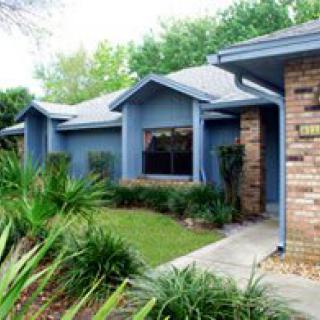
Dr Phillips Assisted Living Facility in Orlando is best suited for seniors who want a warm, home-like setting where independence is respected and care is delivered with personal attention. This community shines for families seeking ongoing, candid communication from staff and a clear sense that a loved one is safe, well cared for, and genuinely happy. The tone set by caregivers and the administrator is proactive, with a focus on peace of mind rather than merely meeting basic needs.
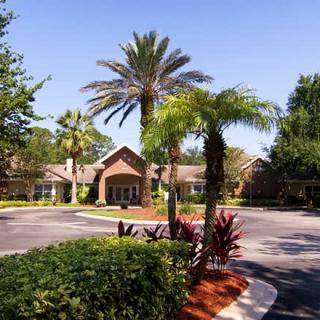
Those considering alternatives should note that this facility is not positioned as a high-acuity or highly specialized memory-care environment. Families needing robust clinical oversight, advanced dementia programs, or city-center convenience may want to explore options with deeper medical resources or more urban accessibility. The suburban, country-feel campus provides a calmer, park-like atmosphere that may feel ideal for many, but it may not satisfy families whose priorities center on industrial-strength clinical services or dense urban amenities.
A core strength is the staff’s character and reliability. Reviews repeatedly highlight kindness, patience, and a willingness to go above and beyond for residents. Consistent, open communication with the staff director and a sense that someone is always listening translates into real peace of mind for relatives. The facility earns trust through practical fidelity: residents are cared for with warmth, yet their autonomy is preserved, and families sleep better knowing the care team is attentive and engaged.
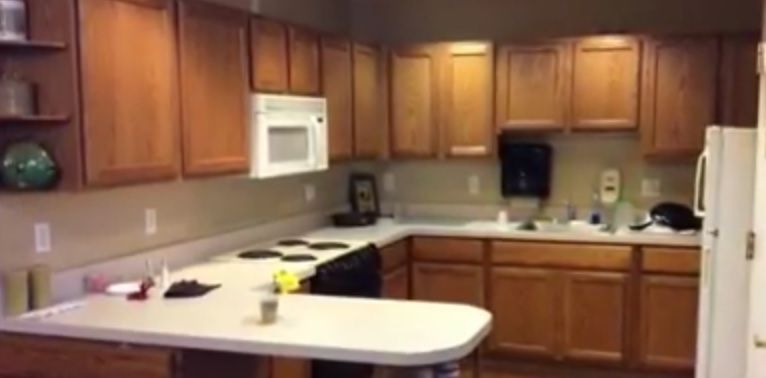
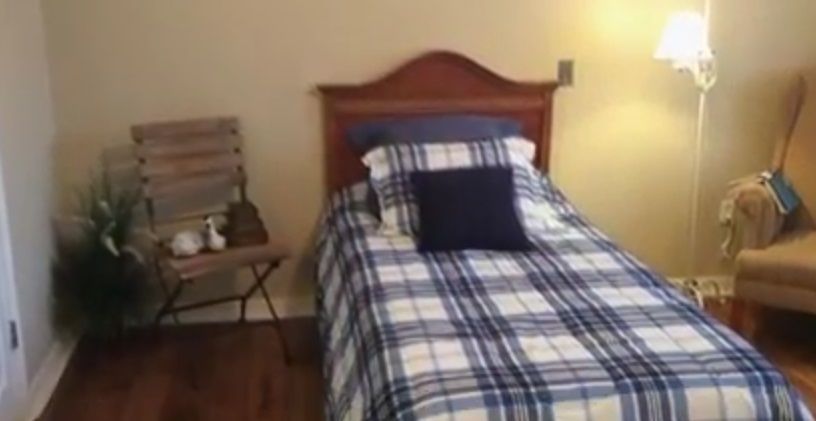
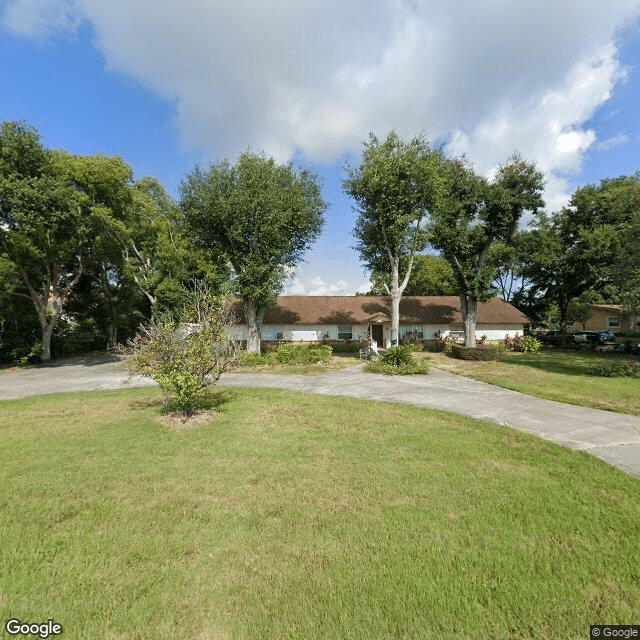
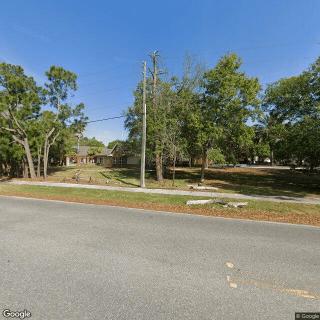
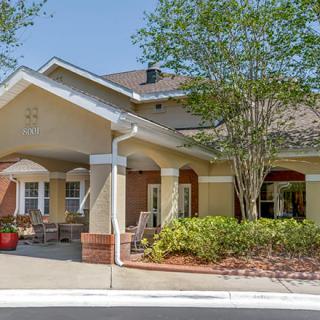
The quality of daily life reinforces those advantages. Meals are described as nutritious and home-cooked, with a level of customization that satisfies picky eaters. The social fabric is strong: birthdays are celebrated, there are organized activities like dancing on Wednesdays, and residents reportedly get along well, contributing to a stable, supportive community. The physical setting, the home-like residence on a private street with larger grounds, complements the intimate atmosphere and helps residents feel settled rather than institutionalized. The option for short-term stays or overnight visits adds flexibility for families navigating transitions.
In weighing pros and cons, the positives overwhelmingly tilt toward the practical outcomes families most often seek: dependable, compassionate caregivers, clear, responsive communication, a respectful balance of independence and support, and a vibrant social life. The potential gap, the degree of clinical depth or specialized memory-care programming, is not so much a failure as a targeted limitation. That limitation is offset by the strong relational culture, the predictable routine, and the emphasis on keeping residents engaged and comfortable. For families where those factors matter most, the offset is decisive; for those prioritizing top-tier clinical acuity or urban immediacy, alternatives should be considered.
Ultimately, Dr Phillips Assisted Living Facility stands out as a practical, experienced choice for Orlando-area seniors who want a less clinical, more homelike environment without sacrificing attentiveness or communication. It is especially well-suited for residents who value independence within a caring framework and for families seeking steady updates and genuine peace of mind. If these priorities align, this community offers a compelling combination of heartfelt care, social vitality, and reasonable month-to-month flexibility. If clinical depth or urban convenience is non-negotiable, however, exploring other options may be warranted.
 6 resident community capacity
 Assisted Living
 Board and Care Home
 Day Program
 Respite Care
 Bath tubs
 Cable or satellite TV
 Dining room
 Financial aid
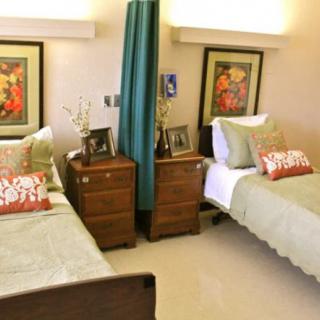
 Fully furnished
 Garden
 Housekeeping services
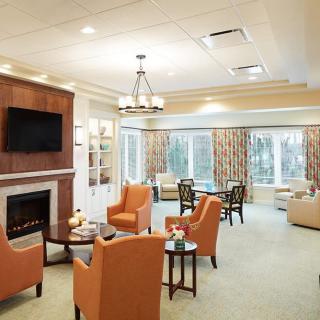
 Indoor common areas
 Move-in coordination
 Outdoor common areas
 Private
 Telephone
 Wheelchair accessible showers
 Wi-Fi/high-speed internet available
 Orlando International (11 miles away)
 24-hour supervision
 Ambulatory care
 Assistance with bathing
 Assistance with dressing
 Assistance with transfers
 Diabetes diet
 Diabetic care
 Incontinence care
 Meal preparation and service
 Medication management
 Physical therapy
 Special dietary restrictions
 Transportation arrangement (medical)
 Transportation to doctors appointments
 Arts and crafts
 Fitness programs
 Live musical performances
 English

 Vibrant Senior Living: A Comprehensive Guide for Active Older Adults
 When to Transition from Assisted Living to Memory Care: Key Indicators, Steps, and Finding the Right Community
 Assisted Living and Memory Care: Understanding Their Core Differences