
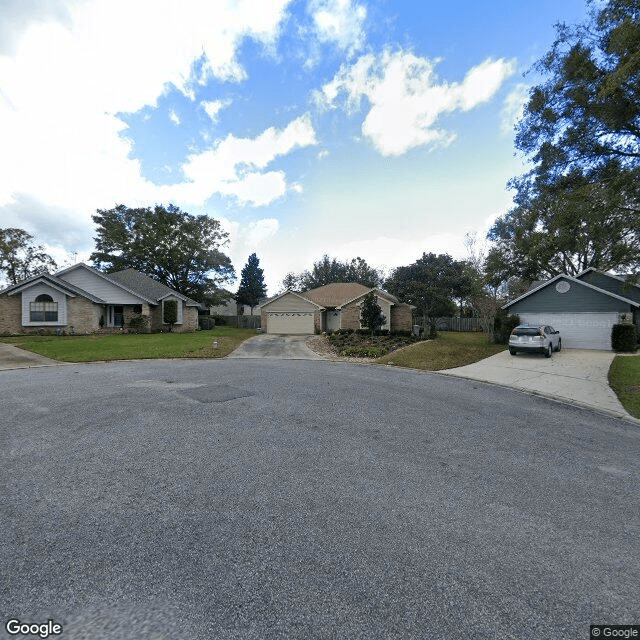
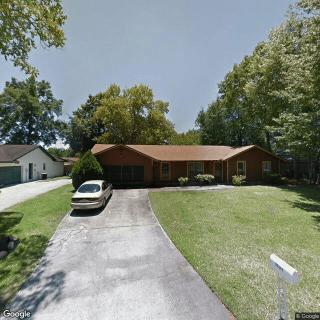
324 Glenwood Cove, Orange Park, FL 32073
To contact a resident: (904) 710-5269
For more information about senior living options: (866) 208-4318
A Place At Home - Orange Park, FL Costs & Pricing
A Place At Home in Orange Park, FL offers competitive pricing for its various living arrangements, particularly when compared to the broader market in Duval County and the state of Florida. For a semi-private room, residents can expect a monthly fee of $2,775, which is notably lower than the county average of $3,154 and the state average of $3,009. The cost for a studio apartment is set at $3,275, again favorable compared to the county's $3,660 and Florida's $3,823 averages. For those seeking more space with a one-bedroom option at A Place At Home, the monthly cost is $4,125; while this exceeds both the Duval County average of $3,639 and state average of $3,864 slightly, it reflects the premium quality and personalized service that residents can anticipate from this facility. Overall, A Place At Home presents an attractive value proposition for families considering assisted living options in Orange Park.
| Floor plans | A Place At Home - Orange Park, FL | Duval County | Florida |
|---|---|---|---|
| Semi-Private | $2,775 | $3,154 | $3,009 |
| Studio | $3,275 | $3,660 | $3,823 |
| 1 Bedroom | $4,125 | $3,639 | $3,864 |
Senior living communities with a similar price nearby
-
from +$210 / mo
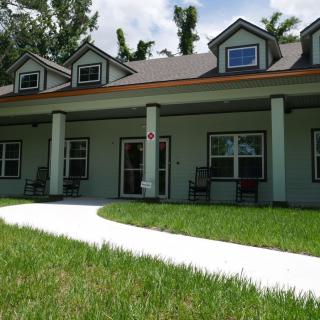
Silver Treasures at Lane
$2,985 to $5,175 / month7.8 miles away -
from -$275 / mo

Upside Jacksonville
$2,500 to $3,000 / month17.3 miles away -
from +$420 / mo
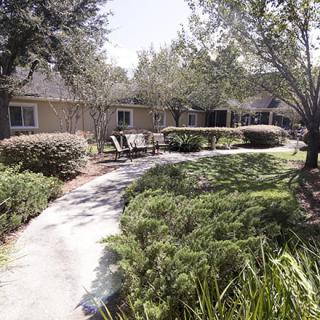
Brookdale Avondale
$3,195 to $3,395 / month8.4 miles away -
from +$125 / mo

Mi Casa Adult Living Facility
$2,900 to $3,600 / month9.5 miles away -
from +$225 / mo

Spring Gardens Of Fleming Island
$3,000 to $4,500 / month8.2 miles away
Overall Review of A Place At Home - Orange Park, FL
Pros
 The owner is very kind and supportive.
- Several caregivers were really good.
- They were fast and efficient.
- They kept the client informed.
- They took excellent notes.
- They helped the client through a difficult time.
- The reviewer would recommend them to others.
Cons
 There could be more follow-through from the owner.
- Some caregivers were not so great.
- The reviewer would not recommend the service.
Review
This Orange Park community is best suited for families that want in-home care with a quick, responsive pulse and a personal touch from the ownership side, especially during a transition or stressful period. It works well when the priority is rapid communication, attentive record-keeping, and a caregiver roster that can mobilize to meet changing needs over a short horizon. The right family here will welcome a personable owner who is supportive and a team that can step in fast, while understanding that consistency across caregivers may vary and oversight is part of the package.
Those weighing this option should still consider alternatives if reliability and uniform caregiver quality matter above all else. For families seeking long-term, one-on-one consistency with a tightly standardized staff, or those who require steady medical oversight from start to finish, other agencies with more regimented caregiver assignments may be preferable. If the plan involves heavy reliance on a single, consistently matched aide for day-to-day routines, or if a predictable, fully integrated medical care protocol is non-negotiable, exploring other providers would be prudent.
On the plus side, the service profile shows commendable strengths. The owner’s kindness and practical support set a positive tone, signaling a caregiver ecosystem that understands family needs and values personal connection. The team’s efficiency and responsiveness shine when a concern arises: they communicate promptly, inform families of developments, and document care thoroughly. This operational clarity, fast action, clear notes, and immediate updates, creates a sense of safety during tough times and helps families stay aligned with care plans even when schedules change.
Yet the strengths do not entirely erase the most significant caveat: inconsistency in staffing. While there are several capable caregivers, the mix includes some who do not perform to the same standard. That variability can erode trust over time, particularly for families who require steady, predictable daily routines and a seamless handoff between caregivers. The impression that follow-through could be stronger, especially from leadership about ensuring continuity, means families must be prepared to stay actively involved, monitor caregiver performance, and advocate for dependable coverage.
In practical terms, the pros partially offset the cons through strong communication and a nimble, problem-solving approach. When a caregiver transition occurs, families are kept informed and care notes travel with the team, reducing disruption. However, the risk of uneven care quality means this option is best suited for households that are comfortable with a hands-on management role: setting expectations upfront, requesting a designated primary caregiver, and building a plan for back-up coverage. For those who prefer a “set it and forget it” model with minimal family oversight, this provider may not fully meet the mark.
Bottom line: A Place At Home - Orange Park delivers fast, communicative support that can carry a family through difficult moments, with an owner who genuinely cares. The decisive question is whether that level of flexibility, transparency, and caregiver variation aligns with the family’s tolerance for ongoing oversight and for managing caregiver assignments. If steady, uniform caregiving is essential, consider alternatives or insist on a strong care-coordination framework here, clear expectations, a primary caregiver arrangement, and a defined backup plan are non-negotiable if this path is chosen.
 Jacksonville International (22 miles away)




 6 Crucial Ways an Elder Law Attorney Assists Families
 Navigating the Tax Landscape of Caregiving: Credits, Deductions, and Beyond
 Highly Beneficial Low-Impact Exercises for Senior Living Residents