
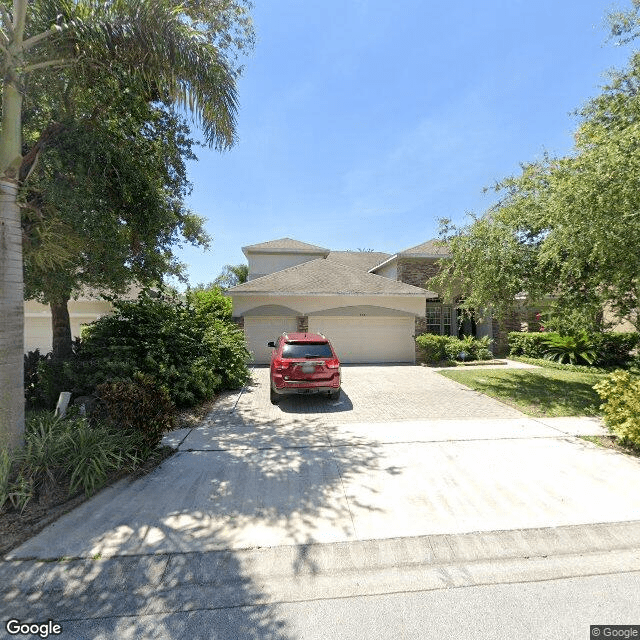
863 Kuenz Place, Ocoee, FL 34761
For more information about senior living options: (866) 208-4318
Country Comfort Care II Costs & Pricing
Country Comfort Care II offers competitive pricing for its services, reflecting a thoughtful balance between quality care and affordability. For those considering semi-private accommodations, the facility's rate of $3,000 per month is slightly lower than the average in Orange County at $3,041 and below the state average of $3,009. Private rooms are available for $3,200, which is more economical than both the county average of $3,441 and the state average of $3,699. Additionally, if residents prefer a one-bedroom setup, Country Comfort Care II's price of $3,800 remains favorable compared to both Orange County's average of $3,903 and Florida's overall rate of $3,864. This positioning not only highlights Country Comfort Care II as an attractive option within the region but also underscores its commitment to providing accessible senior living solutions without compromising on care quality.
| Floor plans | Country Comfort Care II | Orange County | Florida |
|---|---|---|---|
| Semi-Private | $3,000 | $3,041 | $3,009 |
| Private | $3,200 | $3,441 | $3,699 |
| 1 Bedroom | $3,800 | $3,903 | $3,864 |
Memory care communities with a similar price nearby
-
from -$400 / mo
Faith House Of Winter Park
$2,600 to $3,100 / month16.5 miles away -
About the same
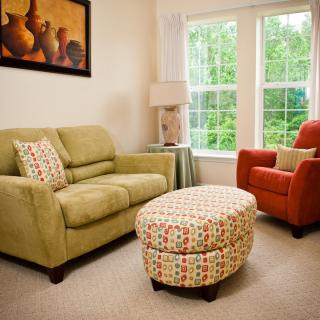
Spring Hills Hunters Creek
$3,000 to $5,000 / month14.9 miles away -
from -$100 / mo
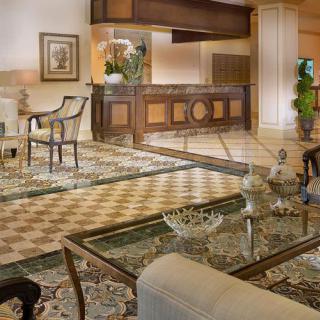
Oakmonte Village Of Lake Mary
$2,900 to $4,200 / month16.4 miles away -
About the same
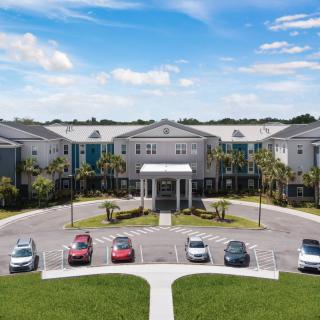
Gentry Park
$3,025 to $4,455 / month17.4 miles away -
from -$305 / mo
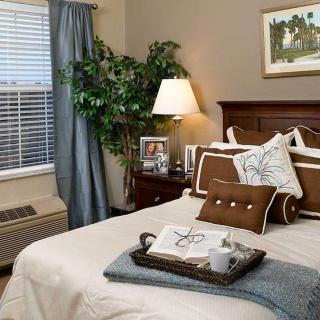
Vitality Living Lake Forest
$2,695 to $4,795 / month20.4 miles away
Overall Review of Country Comfort Care II
Pros
 They describe it as the cleanest place they have ever been to, with immaculate and spotless conditions.
- They note the location as excellent and the house as upscale.
- They appreciate 24/7 care, with someone always available to help, making it great for those who need extra attention but not a memory care facility.
- Country Comfort is portrayed as a good place for a friend, with a six-person capacity and lower price than the previous place.
- They praise the meals as good, including breakfast, lunch, dinner, and snacks.
- They say the staff were nice.
Review
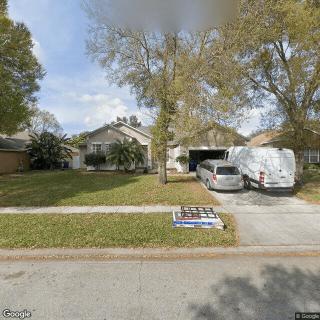
Country Comfort Care II in Ocoee, Florida, is best suited for seniors who want a pristine, upscale, home‑like setting with around-the-clock care and a highly responsive staff. The facility operates more like a private house than a sprawling campus, with an emphasis on meticulous cleanliness, quiet comfort, and attentive assistance. This is the right choice for someone who needs regular help but does not require the specialized structure of a memory‑care facility. Families prioritizing a calm, orderly environment with easy access to staff will find that this setting aligns well with daily routines and safety concerns.
Those who should consider alternatives include families seeking larger communities with more privacy and more varied social programming, or those dealing with memory impairment that requires secure, memory‑care oversight. The house‑like model here is intimate, a six‑resident capacity with shared rooms, so privacy can be limited, and there may be fewer opportunities for a broad range of specialized activities. If a resident wants a private room, more independence, or access to extensive on‑site medical services, other options will likely serve better.
On the upside, the standout pros tick the major boxes: the place is spotless at all times, with a level of cleanliness that surpasses typical expectations. The location is described as excellent, which matters for family visits and access to local amenities. The house feels upscale without feeling clinical, and the 24/7 care means someone is always available to assist, which translates into real peace of mind for families managing daily routines or safety concerns. Meals are reported as good, and staff are consistently described as nice and helpful, reinforcing a sense of dependable, person‑centered care.
Where the arrangement naturally tests expectations are the potential trade-offs. The six‑person limit means privacy is inherently constrained, and the shared‑room dynamic can be a drawback for couples or for residents who value personal space. The “regular house” setting, while cozy, may limit the breadth of programming or incidental social interactions that come with larger, traditional assisted living communities. And because this is not a dedicated memory‑care setting, certain cognitive support needs or specialized supervision may require transition to a facility with a formal memory‑care designation.
To make a sound decision, families should weigh the clean, calm, high‑touch care against the practical constraints. If safety and daily attentiveness are the top criteria, this community delivers with impressive consistency. If privacy, private accommodations, or a larger, more diverse activity calendar matter more, it is reasonable to explore alternatives. The price point being described as lower than the resident’s prior facility is a meaningful offset, though the value stems more from personal fit than from the cheapest option. A candid site visit will reveal whether the intimate scale works for the resident’s personality and routine.
Overall, Country Comfort Care II stands out as a practical, well‑run choice for a select group of seniors and their families in the Orlando metro area. It excels when a spotless, supportive, home‑like environment with around‑the‑clock staffing is the priority, and when a shared‑room, six‑resident model is acceptable. For those who require robust private space, more expansive social programming, or memory‑care‑level supervision, alternatives ahead of time will likely predict better long‑term satisfaction. In short: choose this community if cleanliness, staffing reliability, and a calm, intimate setting trump volume and private accommodations; consider other options if those factors are outweighed by privacy needs or specialized cognitive care.
 5 resident community capacity
 Assisted Living
 Board and Care Home
 Memory Care
 Activities on-site
 Bath tubs
 Cable or satellite TV
 Devotional services on-site
 Dining room
 Fully furnished
 Garden
 Housekeeping services
 Indoor common areas
 Move-in coordination
 Outdoor common areas
 Private
 Respite or short term stays offered
 Telephone
 Wi-Fi/high-speed internet available
 Orlando International (16 miles away)
 24-hour supervision
 Ambulatory care
 Assistance with bathing
 Assistance with dressing
 Assistance with transfers
 Diabetes diet
 High acuity care
 Incontinence care
 Meal preparation and service
 Medication management
 Special dietary restrictions
 Transportation arrangement (medical)
 Transportation to doctors appointments

 Exploring the Power of Reminiscence Therapy for Individuals With Dementia
 An In-Depth Look at Reminiscence Therapy in Dementia Care
 Dementia-Related Hallucinations: Causes, Experiences, and Practical Approaches