
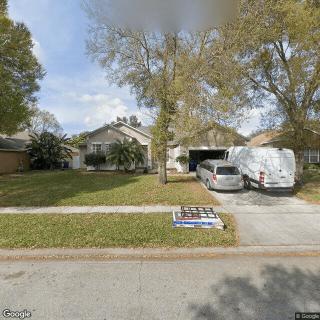
9436 Azalea Ridge Way, Gotha, FL 34734
For more information about senior living options: (866) 208-4318
Gentle Care Assisted Living Facility Costs & Pricing
At Gentle Care Assisted Living Facility, the monthly cost for a private room is $5,400, which significantly exceeds the average rates found both in Orange County and across Florida. In contrast, residents in Orange County typically pay around $3,441 per month for similar accommodations, while the state average stands at approximately $3,699. This suggests that Gentle Care offers unique benefits or enhanced services that justify the higher price point. Families considering this facility may find value in its specialized care options or amenities tailored to meet individual needs, despite the premium over local and state averages.
| Floor plans | Gentle Care Assisted Living Facility | Orange County | Florida |
|---|---|---|---|
| Private | $5,400 | $3,441 | $3,699 |
Assisted Living communities with a similar price nearby
-
from -$850 / mo

Sutton Homes
$4,550 to $4,950 / month10.5 miles away -
from -$928 / mo

Azpira at Windermere
$4,472 to $6,916 / month3.2 miles away -
from -$405 / mo

Somerby Lake Nona
$4,995 to $6,295 / month18.0 miles away -
from -$850 / mo
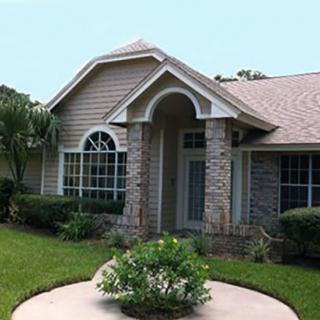
Sutton Homes
$4,550 to $4,950 / month10.0 miles away -
from -$600 / mo
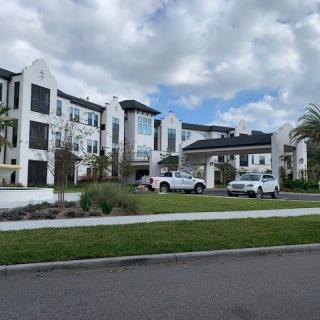
The Grove at Trelago
$4,800 to $6,400 / month10.8 miles away
Overall Review of Gentle Care Assisted Living Facility
Pros
 The facility is a small, home-type, clean, modern, and comfortable assisted living facility.
- Residents are not left alone in their rooms to fall, as they might be in corporate facilities.
- The caregivers speak English and deliver a personal style of care.
- The neighborhood is safe and quiet.
- The single and double room rates are reasonable, and lower than Brookdale.
- The facility meets State Regulations for such facilities.
- The caregivers are not sullen or mean.
Review
Gentle Care Assisted Living Facility in Gotha, FL is best suited for seniors who want a warm, home-like setting where personal attention and safety come first, and where affordability does not sacrifice basic comfort. The facility operates as a small, clean, modern home rather than a sprawling campus, and that intimate scale is a major strength for residents who benefit from visible, approachable staff and a less impersonal atmosphere. Its west-of-Orlando location, off Highway 408 and SR 50, sits in a quiet, safe neighborhood, which supports routines and circumspect independence. The pricing is notably lower than large corporate operators, making day-to-day living predictable and less financially stressful for families planning long-term care.
This is not the choice for families seeking aggressive programming, extensive medical oversight, or a wide network of on-site services. Individuals who anticipate needing robust memory care, frequent skilled nursing supervision, or highly structured activity calendars may want to consider alternatives. The review does not specify on-site skilled nursing, comprehensive rehab offerings, or transportation options, so families needing those elements should compare options carefully. For those who value a more urban setting, or a facility with a broader range of amenities, it may feel missing in comparison to larger communities.
The most compelling pros lie in the intimate, home-type atmosphere and the direct, personal style of care. Residents are not left alone in their rooms to fall, a frequent shortfall in larger, corporate facilities, which translates to a tangible safety edge. The environment is described as clean, modern, and comfortable, reinforcing ease of daily living and dignity. Caregivers speak English and deliver a personable, attentive approach, which can matter greatly for families seeking steady, respectful communication and a sense of trust in daily routines. The combination of a calm neighborhood setting and a smaller footprint often translates into quicker responsiveness and more individualized attention.
These benefits offset several potential downsides by anchoring care in everyday life rather than institutional formality. The reasonable room rates, lower than the benchmark corporate operator, provide a meaningful economic advantage for households balancing budget constraints with quality care. The state-regulated status mentioned in the account adds a baseline assurance of safety, licensing compliance, and standard care practices, which matters when choosing among options. The small scale also minimizes impersonal “factory floor” dynamics, allowing family members to feel confident that staff know their loved one’s routines, preferences, and idiosyncrasies. In short, the environment supports dignity, safety, and ongoing human connection, which are often the make-or-break factors for mid-level care settings.
Nonetheless, some realities merit clear consideration before committing. The review’s focus on a single resident’s six-month experience provides a strong positive signal, but it lacks detail on a full spectrum of services, including memory care programs, rehabilitation services, and 24/7 medical oversight. The compact size, while advantageous for warmth and responsiveness, can imply fewer activity options, limited coverage during peak hours, and less visibility into staff-to-resident ratios across shifts. Prospective families should seek concrete answers about meal variety, activity calendars, transportation, and how emergencies are managed after-hours. These dimensions determine whether the home-like charm translates into consistently comprehensive daily life.
For families evaluating Gentle Care against other options, the practical next steps are clear: schedule a thorough visit, observe how staff interact with residents, and ask direct questions about staffing patterns, emergency protocols, and the availability of licensed nursing personnel on site. In particular, probe memory care capabilities, medication management, and the scope of therapy services. If a loved one requires robust programming, frequent clinical oversight, or broader social and recreational opportunities, that evidence should guide the choice toward a larger community with explicit offerings in those areas. For those prioritizing affordability, independence-friendly routines, and a soothing, personal care approach, Gentle Care presents a compelling, lower-cost alternative that can still deliver reliable, compassionate support.
 5 resident community capacity
 Assisted Living
 Board and Care Home
 Cable or satellite TV
 Dining room
 Fully furnished
 Garden
 Housekeeping services
 Move-in coordination
 Outdoor space
 Telephone
 Wi-Fi/high-speed internet available
 Orlando International (15 miles away)
 24-hour supervision
 Activities of daily living assistance
 Assistance with bathing
 Assistance with dressing
 Assistance with transfers
 Diabetes diet
 Meal preparation and service
 Medication management
 Special dietary restrictions
 Transportation arrangement (medical)
 Transportation to doctors appointments



 A Detailed Exploration of Assisted Living Medicaid Waivers Across the United States
 Comprehensive Residential Support and Assisted Living Solutions for Individuals with Disabilities
 Comprehensive Supportive Living Arrangements for Adults with Disabilities