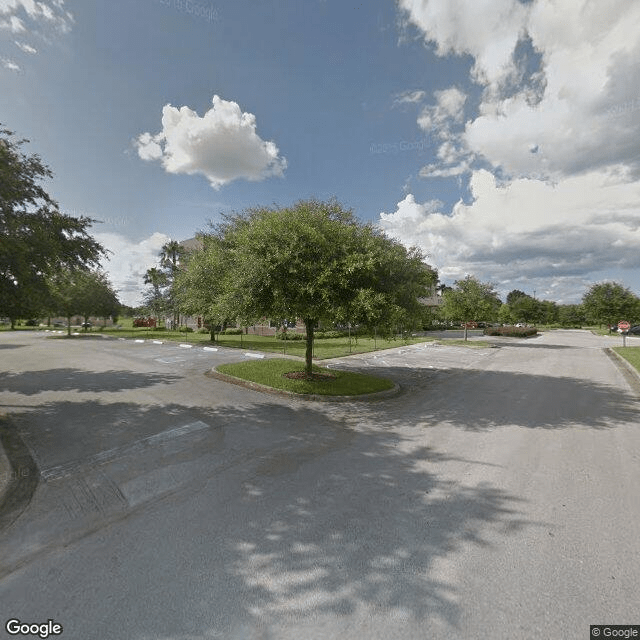
West Marion Community Hospital in Ocala, FL
Save
Information last verified:
4600 SW 46th Court, Ocala, FL 34474
For more information about senior living options: (844) 490-3973
West Marion Community Hospital in Ocala is best suited for adults who want high-quality surgical care paired with consistently attentive nursing and a clean, comfortable inpatient environment. The facility earns its strongest marks from orthopedic and general surgery experiences, with many patients raving about skilled surgeons, calm anesthesia experiences, and post-op teams that keep recovery moving smoothly. For families prioritizing clear communication, respectful bedside care, and reliable responsiveness, this hospital often delivers a dependable baseline of professional, compassionate treatment. In short, it’s a solid choice for planned procedures and straightforward recoveries where the emphasis is on technical competence and bedside support rather than specialty bottlenecks or institutional turbulence.
A candid caveat is that this community may not be the best fit for those whose primary need is end-of-life planning, robust palliative coordination, or deeply consistent non-surgical care. Several reviews allege problematic experiences around hospice and palliative consultations, with family members feeling rushed, misinformed, or pressured by third-party providers. Alarming anecdotes about bedside conversations conducted without the family present, and about supportive-care contractors acting with little sensitivity to patient wishes, point to a misalignment between the hospital’s surgical strengths and a truly integrated end-of-life pathway. For families facing terminal illness decisions or seeking tightly coordinated palliative care that respects patient autonomy, alternative arrangements may provide more reliable alignment with goals of care.
The core pros, expert surgical teams, efficient preadmission and perioperative processes, and a nursing staff described as compassionate and attentive, tend to offset most of the major cons for elective procedures. Time-and-again, patients report breezy check-ins, clear explanations from surgeons and anesthesiologists, and postoperative care that emphasizes comfort and communication. The hospital’s physicians, notably in orthopedics, receive frequent praise for technical skill and for bedside manner, while nurses and aides are repeatedly credited with going above and beyond to ease anxiety, manage pain, and keep families informed. That combination of surgical excellence and bedside warmth translates into tangible outcomes: quick recovery conversations, timely mobilization after hip or knee procedures, and post-discharge instructions that feel practical rather than abstract. When the goal is a well-executed operation with a smooth recovery, these strengths carry substantial weight.
On the flip side, the environment shows vulnerabilities that families should weigh carefully. ER experiences and urgent-care encounters can vary widely, with some reviewers reporting long waits, perceived under-triage, or inconsistent levels of attention before a diagnosis is established. Discharge logistics have also been described as uneven, with at least some patients experiencing delays once inpatient care ends due to software downtime or administrative bottlenecks. A few reviewers flag weekend staffing as a particular challenge, noting slower response times and occasional gaps in coordination that stretch the patient or family’s patience during a critical transition. Parking and bed comfort are cited as minor but real irritants that detract from the overall experience, especially on longer stays or when mobility is limited.
Another important thread is the mixed experience around caregiver coordination and culture. Across several accounts, families praise individual nurses, surgeons, and aides who demonstrate warmth, professionalism, and genuine care. Yet other voices describe dissonance between the hospital’s reputation for excellent clinical care and inconsistent bedside execution, especially toward discharge and post-acute follow-up. The divergence between high-performing surgical teams and sporadic non-surgical interactions suggests that the hospital’s strengths are most pronounced in the operating room and immediate post-anesthesia phase, rather than across all departments or in long-term care planning. This reality matters for families weighing a stay that involves more than surgery, postoperative recovery at home, ongoing rehabilitation, and supportive services require a cohesive, well-coordinated network that may not be equally robust here.
For decision-makers weighing West Marion, the takeaway is pragmatic and action-oriented. If the priority is a planned orthopedic procedure or a major surgical intervention with confident, skilled clinicians and a nursing cadre known for empathy, this hospital stands out as a strong option. The risk calculus tilts less toward the negatives when a clear surgical plan exists, a dedicated post-op care pathway is in place, and family members can participate actively in rounds and discharge planning. Conversely, when end-of-life decisions, steady non-surgical support, or uninterrupted, uniform care across all services is non-negotiable, alternatives should be explored, or at minimum, expectations should be calibrated with care teams up front.
To optimize outcomes at West Marion, patients should engage proactively: request the primary surgical team early, confirm post-discharge rehabilitation needs, and recruit a family member or trusted advisor to participate in care conversations. If hospice or palliative care becomes relevant, consider a separate, tightly coordinated plan with a provider whose processes and philosophy align with the patient’s goals, rather than relying solely on in-hospital arrangements. Schedule elective procedures earlier in the week when possible to mitigate weekend staffing crunches and discharge bottlenecks. Clarify parking logistics, bed comfort expectations, and meal preferences before admission, and insist on timely updates if discharge timelines appear to drift. With these guardrails, West Marion can deliver the strongest value: exceptional surgical outcomes, compassionate bedside care, and a recovery that, for many, feels manageable and well-supported.
The West Marion Community Hospital in Ocala, FL is not only a renowned healthcare facility but also surrounded by various amenities that contribute to the overall well-being of its residents. This assisted living community offers convenience and accessibility with its numerous nearby cafes, providing a cozy atmosphere for socializing and enjoying delicious meals.
For pharmaceutical needs, there are seven pharmacies located nearby, ensuring that residents have easy access to medications and healthcare supplies. Additionally, with 48 physicians in close proximity, residents can feel confident in receiving high-quality medical care from professionals who are familiar with the area.
The area surrounding the hospital is home to an impressive selection of 36 restaurants, offering a diverse range of dining options suitable for any palate. Residents can indulge in culinary experiences that span from casual to fine dining, catering to all tastes and preferences.
Transportation is readily available as well, with one transportation option conveniently situated near the hospital. This ensures that residents can easily access shopping centers, recreational areas, or any other destinations they may desire.
Spirituality is an important aspect of life for many individuals, and this assisted living community acknowledges this by having one place of worship located nearby. Residents have the opportunity to engage in religious or spiritual practices within close proximity to their home.
Residents seeking entertainment or cultural experiences will be pleased to find two theaters nearby. Whether it is catching a movie or enjoying live performances and events, there are ample opportunities for recreation and engagement within the local community.
Lastly, having another hospital close by provides peace of mind for both residents and their families. In case of emergencies or specialized medical attention, there is an additional option readily accessible within the vicinity.
Overall, West Marion Community Hospital is situated in an advantageous location that offers numerous amenities catered towards enhancing the lives of its assisted living community residents. With an array of dining options, healthcare services, transportation choices, places of worship, entertainment venues, and access to another hospital facility nearby – this assisted living community provides a well-rounded and convenient lifestyle for its residents.
This part of Ocala, Florida offers convenient access to medical facilities such as Ocala Regional Medical Center and various specialist physicians within a short distance. The area also boasts several pharmacies for easy access to medications. For leisure and dining options, there are cafes like Starbucks and Panera Bread, as well as a variety of restaurants offering different cuisines. Residents can enjoy a movie at the nearby theaters or attend services at Our Redeemer Lutheran Church Lcms. Transportation is easily accessible with Ocala International Airport only 3 miles away. Overall, this area provides a range of amenities and services that cater to the needs of seniors looking for a comfortable and convenient living environment in Ocala.
West Marion Community Hospital is located at 4600 SW 46th Court, Ocala, FL 34474 in Marion County, Florida
Home Health Care Demystified: A Comprehensive Guide for Families and Caregivers

Home health care offers a range of clinical services provided in a patient's home, including nursing and therapy, tailored to individual needs, particularly for aging seniors with chronic conditions. This approach enhances patient independence, promotes better disease management, and utilizes technology for real-time monitoring while fostering collaboration among healthcare providers and family members.
Seniors and Modern Transportation: Exploring Uber, Lyft, and Other Ride-Hailing Options

Seniors benefit from ride-hailing services like Uber and Lyft, which provide convenient and accessible transportation options that promote independence and social engagement, while addressing mobility challenges. These platforms have adapted to meet senior needs with user-friendly features and safety measures, although costs can be a concern; community programs may help subsidize rides for older adults.
Comprehensive Guide to Qualifying for Home Health Care Services
The guide outlines the eligibility criteria for home health care services, emphasizing clinical requirements, insurance options, and application processes. It distinguishes between Medicare's strict and Medicaid's flexible qualifications while addressing challenges families may face in securing necessary care at home.