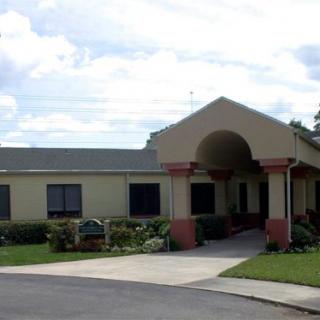
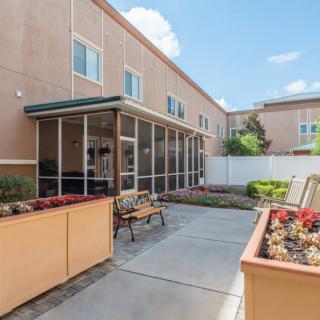
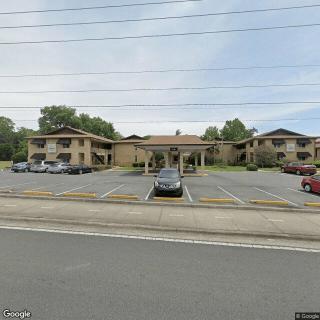
The Vines Hospital in Ocala, FL

Save
The Vines Hospital

The Vines Hospital in Ocala, FL

Information last verified:

3130 SW 27th Avenue, Ocala, FL 34471

For more information about senior living options: (844) 490-3973

2.9 from 110 reviews
5 stars
41
4 stars
10
3 stars
6
2 stars
7
1 stars
46

Overall Review of The Vines Hospital

Pros

  • pro The staff were extremely attentive, professional, and knowledgeable.
  • pro The staff are polite, friendly, and respectful.
  • pro Therapists Monet and Jackie are fantastic.
  • pro The therapy team, including Joseph, Dr. Matthews, and NP Jim, were outstanding.
  • pro The Vines Hospital is excellent; all techs, nurses, and therapists are wonderful and caring.
  • pro The morning staff are friendlier than the night staff.
  • pro The food was great and cafeteria staff were excellent.

Cons

  • pro The Vines Hospital is described as extremely unprofessional with no single responsible person to talk to when contacting them.
  • pro Visitors report wait times of 20–30 minutes to speak with anyone with authority, and privacy is not respected because receptionists interrupt private conversations.
  • pro The facility allegedly leverages 72-hour holds to extend stays for financial gain, leaving patients in hospital gowns for days and not assisting disabled or elderly patients.
  • pro Families and loved ones receive little to no meaningful updates; staff rarely return calls or provide information, leading to ongoing concern and frustration.
  • pro The environment is depicted as dirty and detention-like, with dirty rooms and bathrooms, moldy or outdated facilities, and windows that are painted black, blocking natural light.
  • pro Patients are treated like inmates: locked rooms, controlled movements, single-file lines, and a general sense of being watched rather than cared for.
  • pro Medication practices are criticized, including changes to meds without patient or family consent and other lapses in medical communication.
  • pro Numerous staff are described as rude, condescending, or negligent, with some examples of disrespect toward patients or poor bedside manner.
  • pro The facility and staff are accused of prioritizing insurance payments over patient well-being, being described as a “money machine” or even worse, akin to kidnapping or hostage situations.
  • pro There are reports of safety and privacy problems, including poor communication about discharge and treatment plans, and patients being left without essential information or support.
  • pro Some reviews explicitly label the place as dangerous or unworthy of trust, advising others to avoid bringing loved ones there.

Review

The Vines Hospital in Ocala reads best for families seeking a highly structured, group-therapy–driven path to stabilization, particularly through its outpatient PHP/IOP streams. For those who enter with a clear plan and a proactive family liaison, the program can deliver meaningful progress in coping skills, relapse prevention, and routine clinical guidance. The facility’s strength lies in a regimen that emphasizes daily groups, accessible therapy staff, and a continuity of care that some patients find grounding. Still, this favorable frame collapses quickly for those confronting a hostile inpatient environment, inconsistent communication, or concerns about consent and autonomy. In short, The Vines can be appropriate when outpatient, skill-building work is the goal and reliable family involvement is guaranteed; it is far less suitable for families needing dependable, transparent, and fully respectful inpatient care.

Anyone weighing alternatives should note that this community has earned a chorus of fierce warnings from families who felt trapped, inadequately informed, or treated as revenue factors rather than patients. If a family’s priority is timely updates, consistent discharge planning, or a transparent, respectful intake and treatment process, other facilities with stronger family engagement and clearer grievance channels will likely outperform The Vines. For patients who require comprehensive, long-term, inpatient psychiatric stabilization with strict privacy and steady med-management oversight, look to centers with demonstrated track records in family communication and ethical, patient-centered practices. In short, if transparency, dignified treatment, and reliable clinician accessibility are non-negotiable, alternatives warrant serious consideration.

From the upside, several reviews highlight authentic positives: staff members who were described as attentive, knowledgeable, and compassionate; outpatient and early-stage in-hospital groups that feel practical and supportive; and meals or cafeteria service that some patients appreciated. In the best cases, specific nurses, therapists, and case managers are cited as capable, empathetic anchors, providers who make the therapeutic process feel real and credible. The front-end outpatient programs in particular are praised by those who benefited from structured group work and found a sense of momentum through therapy. These pros point to a legitimate therapeutic core when the setting is appropriate and the patient’s needs align with a program that rewards consistency, accountability, and real-time feedback.

Yet the cons frequently overshadow the positives, especially for inpatient stays or Baker Act–related admissions. Widespread complaints center on inconsistent professionalism, interruptive or crowded lobbies, limited privacy, and a sense that conversations occur at the expense of patient dignity. Multiple reviews allege long holds beyond the mandated period, with family updates delayed or withheld and a perception that discharge timing is driven by bed occupancy and insurance considerations rather than clinical readiness. The facility’s physical condition, an older campus with cleanliness and maintenance concerns, coupled with reports of miscommunication about medications, changes without proper consent, and uneven staffing, erodes trust when crisis care is most needed. When these core failures compound, even strong group therapy sessions and occasional compassionate staff cannot reliably compensate.

The key question for families becomes whether the program’s clinical strengths can withstand the structural and operational gaps. For patients who tolerate and even benefit from routine group work, and who have a caregiver actively overseeing care plans, the therapeutic gains can be meaningful. However, the most consistent red flags, nonresponsive family communications, disjointed discharge processes, and allegations of profit-driven extensions, raise substantial risk that care will become more stressful than stabilizing. In practice, the measured gains from therapy and the occasional acts of kindness by specific clinicians do offset only for a subset of patients, notably those whose treatment trajectory remains firmly within outpatient or short inpatient modules and where the family can enforce accountability and rapid escalation if needed.

For families navigating a final decision, concrete steps matter as much as sentiment. Ask direct questions about intake timelines, room-for-discharge planning, and who will serve as the primary family liaison. Request a tour of the inpatient unit and a candid explanation of how holds are initiated, monitored, and concluded, along with documented policies on med changes, guardian notification, and post-discharge follow-through. Probe the consistency of communication: how often will updates be provided, through which channels, and who coordinates with outside providers? Assess the facility’s cleanliness and safety protocols, and verify that bed assignments, privacy measures, and patient rights are clearly explained and observed. If these questions yield uncertainty or resistance, the prudent course is to explore alternatives with stronger, more transparent family collaboration and ethically grounded discharge planning. The Vines can be a fit for a careful, prepared family prioritizing outpatient progress; it is a less reliable choice where family involvement and inpatient process integrity are non-negotiable.

Description

The assisted living community near The Vines Hospital in Ocala, FL offers convenience and accessibility to a range of amenities and services. With four cafes nearby, residents can enjoy a variety of dining options for socializing or grabbing a quick bite. Additionally, there are six pharmacies in close proximity, ensuring easy access to medication and health-related supplies.

The presence of 51 physicians nearby ensures that residents have ample healthcare options, whether it's for routine check-ups or specialized medical needs. This availability of physicians helps create a sense of security and peace of mind for both residents and their families.

For those who appreciate culinary diversity, the community benefits from being surrounded by 35 nearby restaurants. Residents can indulge in various cuisines or explore new flavors without having to travel far from home.

Residents with an inclination towards arts and entertainment will be pleased to find two theaters nearby. Whether it's enjoying live performances or catching the latest blockbuster movie, these theaters provide opportunities for cultural enrichment and leisure activities.

Lastly, the presence of two hospitals in close proximity offers reassurance in case of any urgent medical situations. Any emergencies can be promptly attended to due to the availability of multiple healthcare facilities within a short distance.

Overall, this assisted living community near The Vines Hospital provides a comprehensive range of amenities and services that cater to the diverse needs and preferences of its residents.

Nearby Places of Interest

This part of Ocala, Florida, offers easy access to a variety of healthcare services, including specialized physicians such as those at the Retina Center and Ocala Plastic Surgery. There are also several pharmacies nearby for convenient access to medications. In terms of dining options, there is a range of popular chain restaurants like Zaxby's and Olive Garden within a short distance. For entertainment, residents can enjoy movies at the Regal Hollywood & IMAX theater or explore local cafes like The Gathering Cafe Ocala. Additionally, the proximity to Ocala Regional Medical Center ensures quick access to quality healthcare in case of emergencies. Overall, this area provides convenient amenities for seniors looking for a comfortable and accessible living environment in Ocala.

Physicians

  • Daniel Schaffer, MD (0.1 miles)
  • Retina Center (0.1 miles)
  • Joy Maldonado, MD (0.1 miles)
  • Thomas Lafferty, MD (0.1 miles)
  • Dr Richard E. Promin, MD, PA (0.1 miles)
  • Ocala Plastic Surgery (0.2 miles)
  • Orthopaedic Specialty Care (0.2 miles)

Restaurants

  • Zaxby's (0.3 miles)
  • McDonald's (0.3 miles)
  • Olive Garden (0.5 miles)
  • Hooters (0.5 miles)
  • Red Lobster (0.5 miles)
  • PDQ (0.5 miles)
  • Piesanos Stone Fired Pizza (0.6 miles)

Cafes

  • The Gathering Cafe Ocala (0.5 miles)
  • Panera Bread (1.1 miles)
  • Panera Bread (1.6 miles)
  • Starbucks (1.9 miles)

Theaters

  • Regal Hollywood & IMAX - Ocala (0.5 miles)
  • Epic Theatres (1.7 miles)

Pharmacies

  • CVS Pharmacy (0.7 miles)
  • Walgreens (2.1 miles)
  • Walgreens (2.1 miles)
  • Eastern Pharmacy (2.2 miles)
  • Rebalance Pharmacy & Wellness Center (2.2 miles)
  • Rebalance Pharmacy (2.2 miles)

Hospitals

  • Ocala Regional Medical Center (2 miles)
  • Lifeline Personal Emergency Response Service (2.3 miles)

Frequently Asked Questions

Where is The Vines Hospital?

Nearby Communities

  • Palm Garden Of Ocala

    Palm Garden Of Ocala

    Ocala, FL

    4.4 from 123 reviews
     

    pro Attentive nurses/CNAs and engaging rehab activities.

  • Palm Garden of Ocala

    Palm Garden of Ocala

    Ocala, FL

    4.4 from 123 reviews
     

    pro Kind, attentive staff with effective rehab services and engaging activities.

  • A Cottage Called Home

    A Cottage Called Home

    Ocala, FL

    5 from 9 reviews
     

    pro Intimate 12-bed community with specialized memory care, 24-hour supervision, and comprehensive services.

  • The Bridge at Ocala

    The Bridge at Ocala

    Ocala, FL

    4.7 from 84 reviews
    $3,860 to $5,999 / month

    pro Friendly, attentive staff with a clean, family-like environment and personalized care.

  • Hawthorne Inn and Estates of Ocala

    Hawthorne Inn and Estates of Ocala

    Ocala, FL

    4.6 from 31 reviews
    $2,111 to $3,399 / month

    pro Spacious, well-maintained apartments with a friendly, welcoming staff and pet-friendly features.

  • Hawthorne Inn Of Ocala

    Hawthorne Inn Of Ocala

    Ocala, FL

    5 from 1 review
     

    pro Vibrant resident interaction and friendly staff in a clean, welcoming setting.

  • Brentwood at Fore Ranch

    Brentwood at Fore Ranch

    Ocala, FL

    4.4 from 177 reviews
    $3,995 to $5,095 / month

    pro Friendly, responsive staff in a clean, welcoming environment.

  • The Lodge Health And Rehabilitation Center

    The Lodge Health And Rehabilitation Center

    Ocala, FL

    4 from 109 reviews
     

    pro Extensive amenities and personalized care (private rooms, restaurant-style dining, wellness program, and transport support).

  • Camelot Chateau Assisted Living LLC

    Camelot Chateau Assisted Living LLC

    Ocala, FL

    4 from 45 reviews
    $1,700 to $2,450 / month

    pro Caring staff, excellent meals, engaging activities, and a strong, friendly resident community in a clean, well-maintained setting.

Related Resources

  • what is hospice care at homeUnderstanding Hospice Care at Home: Comprehensive Services, Key Benefits, and Eligibility

    Hospice care at home provides specialized end-of-life support that focuses on comfort and dignity for individuals with life-limiting illnesses, offering a range of services including medical management, emotional and spiritual support, and logistical assistance tailored to the family's needs. It involves collaboration to create individualized care plans and extends to bereavement support after a loved one's passing.

  • how much does 24/7 in home care cost per monthUnderstanding the Full Cost of 24/7 In-Home Care: A Detailed Overview

    The guide outlines the rising costs of 24/7 in-home care, ranging from $10,000 to over $20,000 monthly, driven by factors such as location and caregiver qualifications. It discusses the limited coverage by Medicare and private insurance, potential Medicaid support, and the emotional and living condition considerations influencing families' decisions on care arrangements.

  • home health nurseExploring the World of Home Health Nurses: Qualifications, Roles, and Hiring Tips

    Home health nursing is an expanding field where licensed professionals provide specialized medical care in patients' homes, addressing the needs of an aging population through personalized services like assessments and medication management. Effective collaboration with healthcare teams, cultural sensitivity, and quality assurance measures are essential for fostering trust and ensuring positive patient outcomes.