
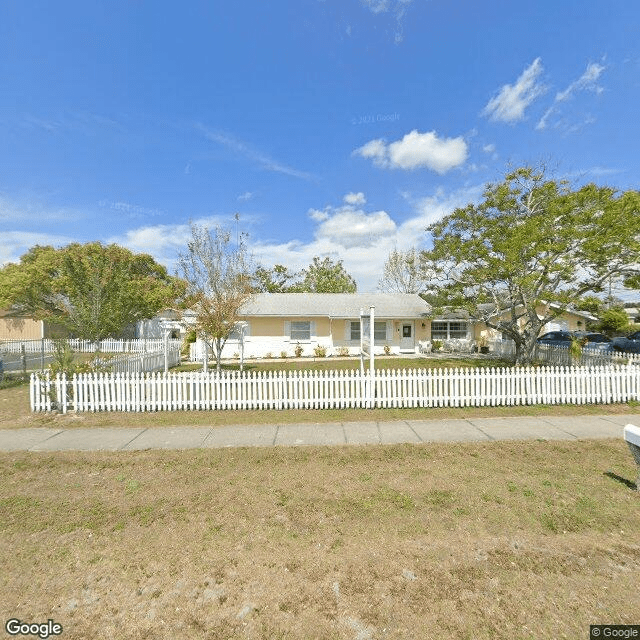
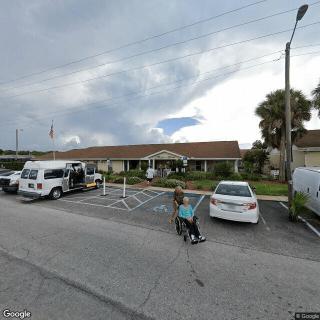
5237 Trouble Creek Road, New Port Richey, FL 34652
For more information about senior living options: (866) 208-4318
Overall Review of Home Sweet Home Assisted Living Of New Port Richey
Pros
 The facility is small and provides care that feels like being at home with family.
- The staff offer very personal, loving care.
- They visit residents in hospital and during rehab, showing ongoing support.
- The facility serves homemade food that residents enjoy.
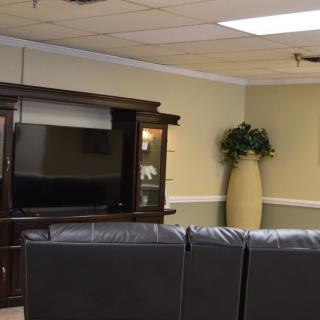
- Residents are not ignored and can be in the main room, staying engaged.
- Regular entertainment and activities, such as karaoke, music, and exercise games, are provided.
- Families are treated like part of the family by the staff.
- The facility is excellent for the care and well-being of elderly residents, with attentive, individualized attention.
Cons
 The facility was dirty, with elderly residents sitting in recliners for long periods of time.
- They would not provide a price for a monthly stay.
- The reviewer’s mother would not stay there.
- The phone information was a joke, and callers were blown off and not taken seriously.
Review
Home Sweet Home Assisted Living Of New Port Richey is best suited for families seeking a small, intimate, home‑like setting where residents receive highly personalized attention, and where meals are homemade and care feels familial. The community appears to work best for older adults who thrive on regular social contact, daily assistance with routine activities, and a living-room–centered life that minimizes isolation. For families who want a facility that treats residents as individuals, someone to know their preferences, routines, and family stories, this setting often delivers what larger campuses struggle to offer: warmth, regular human contact, and a sense of staying connected to home.
That said, some families may want to consider alternatives. The most salient caveats concern cleanliness, pricing transparency, and communication efficiency. For those needing a clearly published, straightforward monthly rate with no ambiguity, or for families who require consistent, rapid responses by phone, this facility can be a mismatch. Similarly, if a resident requires more extensive or specialized medical oversight, a larger community with a structured clinical team may be preferable. Prospective residents with higher requirements for formal rehab programs, or with memory‑care needs that demand formal protocols, may find other options better aligned with expectations.
The strongest positives center on the personal touch and the home atmosphere. Reviewers consistently highlight homemade meals and a care approach that feels like family, not bureaucracy. The small size translates into visible attentiveness: residents are seen, dressed, and engaged daily rather than left to languish in recliners. Staff are described as actively involved in hospital stays or rehab, and there is evidence of regular in‑house activities and entertainment that foster social connection. For families prioritizing emotional well‑being and a sense of belonging, these attributes often offset the absence of a larger, more impersonal operation.
Conversely, the main drawbacks cited revolve around cleanliness and information gaps. A portion of the feedback paints a picture of dirty or poorly maintained spaces, and at least one prospective family encountered reluctance or delay in obtaining price details. Phone responsiveness and the reliability of information were flagged as weak points in certain interactions. While these criticisms are not universal, several families speak highly of the care and the familial culture, the potential for inconsistent upkeep or opaque pricing cannot be ignored.
The key question becomes whether the compensating advantages can realistically offset the cons for a given resident. For someone who prizes intimate, hand‑on care and a homelike routine, the pros may outweigh the drawbacks: the personal attention, the homemade meals, daily grooming and social presence, and staff willingness to engage with clinicians and rehab teams. In a setting where residents feel known and involved, occasional concerns about cleanliness or price chatter may fade into the background if the caregiver relationship and daily quality of life remain strong. However, for families where cleanliness standards, transparent cost, or rapid communication are non‑negotiables, these gaps can overshadow the benefits.
In practical terms, families weighing this community should prioritize an in‑person visit focused on hygiene, common areas, and kitchen practices, while requesting a transparent, written overview of ongoing costs and what they include. Speak with current residents or families to gauge consistency of care, timing of staff responses, and the cadence of activities. If the decision centers on a deeply personal, family‑like environment and a budget that accommodates homemade meals and living‑room socialization, Home Sweet Home stands out as a compelling choice. If, instead, medical complexity, assertive price visibility, or predictable, regimented daily schedules dominate the decision, exploring larger, more structured facilities or specialized memory care options is advisable.
 12 resident community capacity
 Assisted Living
 Board and Care Home
 Respite Care
 Activities on-site
 Cable or satellite TV
 Devotional services off-site
 Dining room
 Fully furnished
 Garden
 Housekeeping services
 Indoor common areas
 Move-in coordination
 Outdoor space
 Telephone
 Wi-Fi/high-speed internet available
 Tampa International (21 miles away)
 24-hour supervision
 Ambulatory care
 Assistance with bathing
 Assistance with dressing
 Assistance with transfers
 Diabetes diet
 Diabetic care
 Meal preparation and service
 Medication management
 Special dietary restrictions
 Transportation arrangement (medical)
 Transportation to doctors appointments




 Comprehensive Residential Support and Assisted Living Solutions for Individuals with Disabilities
 Comprehensive Supportive Living Arrangements for Adults with Disabilities
 Funding and Affording Assisted Living: A Thorough Overview