
6855 David Blvd, Naples, FL 34104
To contact a resident: (239) 354-8000
For more information about senior living options: (866) 208-4318
Villa at Terracina Grand Costs & Pricing
At Villa at Terracina Grand, the monthly costs for accommodations reflect a premium offering compared to the average rates in Collier County and across Florida. For instance, a studio unit is priced at $6,695, significantly higher than both the county average of $4,737 and the state average of $3,823. Similarly, the one-bedroom option is set at $7,495, which surpasses Collier County's rate of $4,357 and Florida's figure of $3,864. This pricing structure suggests that Villa at Terracina Grand positions itself as a high-quality living experience with amenities and services that justify its elevated costs in comparison to local and state averages.
| Floor plans | Villa at Terracina Grand | Collier County | Florida |
|---|---|---|---|
| Studio | $6,695 | $4,737 | $3,823 |
| 1 Bedroom | $7,495 | $4,357 | $3,864 |
Memory care communities with a similar price nearby
-
from -$1195 / mo
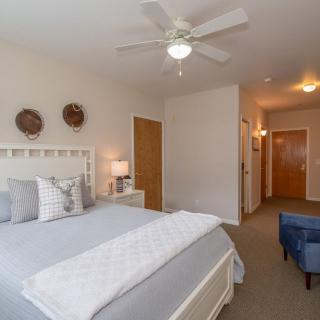
Barrington Terrace of Naples
$5,500 to $7,020 / month2.6 miles away -
from -$1020 / mo
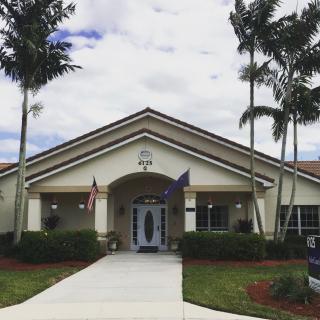
Arden Courts Of Lely Palms
$5,675 to $6,475 / month2.3 miles away -
from -$895 / mo
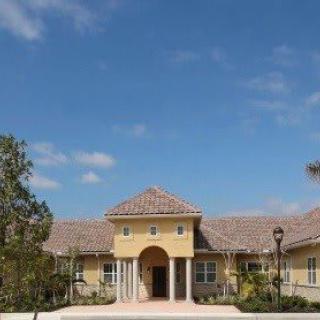
The Fairways at Naples
$5,800 to $6,200 / month3.9 miles away -
About the same
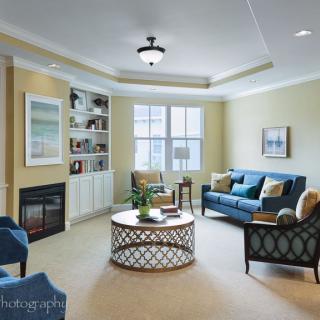
Bayshore Memory Care
$6,600 to $8,800 / month9.8 miles away -
from +$305 / mo
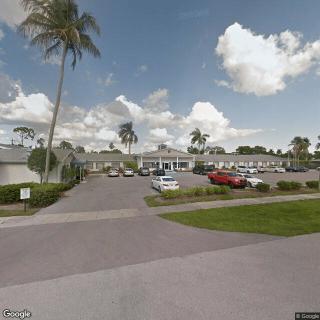
Lakeside Pavilion
$7,000 / month5.0 miles away
Overall Review of Villa at Terracina Grand
Pros
 The community is wonderful.
- The staff are great with residents.
- There is a beautiful courtyard.
- The husband loves going outside.
- The event coordinator arranged a guest to discuss police work with him.
- A special event was held to honor the veterans there.
- There are many activities offered here.
- The food is wonderful.
- Her husband is receiving excellent care here.
- The location is close enough to her home to visit by scooter.
Review
Villa at Terracina Grand in Naples, FL is best suited for active seniors who want a lively, engaged community with frequent programming and a strong staff presence, especially for residents who value social connections and family-visitor accessibility. The setting rewards outdoor time in a beautiful courtyard and thrives on personal, story-driven engagement. The review highlights a staff culture that listens and responds, an event coordinator who matched a resident’s police-background interests with a guest speaker, and a veterans-focused initiative that honors the community’s residents. For families seeking a warm, neighborly atmosphere where residents look forward to events, meals, and spontaneous conversations, this community checks those boxes with evident enthusiasm.
Those who may want to consider alternatives are residents who require more intensive medical oversight, memory care, or skilled nursing services, or families prioritizing a quieter, less structured environment. The review does not surface any medical or cognitive care gaps, but the absence of specifics on clinical capabilities makes it prudent to compare with options that emphasize higher levels of on-site medical support or specialized care. If budgeting is a constraint or if private-pay dynamics differ, families should also compare rates and what is included, since the presented strengths are heavily social and programmatic rather than clinical in focus.
The strongest positives, the staff’s warmth and attentiveness, the breadth of activities, and the meaningful social connections, align directly with the core needs of social seniors and couples who want meaningful daily engagement. A standout feature is the hands-on approach of the event staff, who translate resident interests into tailored experiences, demonstrated by the police-work discussion and the veterans event. This kind of personalization helps mitigate common anxieties about aging in a community: residents feel known, engaged, and validated. The courtyard and outdoor time become practical advantages, offering weather-friendly opportunities to socialize, exercise a bit, and enjoy fresh air without leaving the campus. The food, described as wonderful, rounds out daily life, making meals a consistent, enjoyable anchor in a resident’s routine. Taken together, these elements deliver meaningful quality-of-life benefits that reduce isolation and boost overall satisfaction.
Given there are no explicit downsides aired in the available feedback, the main trade-off to consider is fit-for-purpose rather than deficit-focused. The vibrant activity calendar and high staff engagement may be less appealing to those who favor a quieter, more low-key pace or a setting with fewer organized events. Prospective residents should visit with a clear sense of their desired balance between structured programming and personal downtime to ensure compatibility. Families should also verify how flexible the activity schedule is and whether there are options for residents who prefer to opt out of events without feeling pressured. Additionally, it is wise to confirm the scope of on-site medical resources and the pathway for escalating care if health needs shift over time.
A practical decision framework emerges from these observations. Start by mapping priorities: is social vitality and easy family visitation the top criterion, or is medical stability and specialized care the anchor? If the former, Villa at Terracina Grand stands out as a compelling match, robust programming, attentive staff, and a welcoming, resident-centered culture that creates daily opportunities for connection. If the latter, demand specifics about nursing supervision, memory-care capabilities, and care-transition options, and compare with communities that foreground clinical services. Also assess cost structure, room options, and what is included in monthly fees, since the demonstrated value rests on ongoing programming and personalized service. A guided tour complemented by resident and family references will illuminate how well the reported strengths translate into daily life for the prospective resident.
Bottom line: for active seniors who prize a warm, neighborly community with proactive staff and a rich activity ecosystem, Villa at Terracina Grand presents a persuasive, well-rounded option. It excels at creating meaningful moments, vet-focused events, personalized engagement, frequent activities, and reliable visitation ease, that can meaningfully offset the stress of aging in place. Those needing substantial medical oversight or a more tranquil, less program-driven environment should explore alternatives that spotlight care intensity and predictable routines. In the Naples market, this community stands out as a thoughtfully designed home for residents who want to stay mentally engaged, socially connected, and emotionally valued, all within a setting conducive to close family involvement.
 Assisted Living
 Memory Care
 Activities on-site
 Beautician on-site
 Devotional services off-site
 Indoor common areas
 Swimming pool / hot tub
 Wheelchair accessible showers
 Diabetic care
 Incontinence care
 Meals provided

 When Dementia Sparks Anger and Aggression: Understanding the Connection and Ways to Cope
 Dementia Behaviors: In-Depth Understanding and Effective Coping Strategies
 5 Early Indicators of Dementia and What You Can Do