
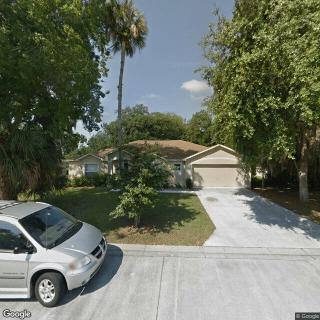
3049 Wiley Avenue, Mims, FL 32754
For more information about senior living options: (866) 208-4318
Overall Review of Isaiah Assisted Living
Pros
 It is a great place to live.
- The staff are great.
- Quanita Isaiah runs a clean house.
- The house is clean.
- The residents appear to be well cared for.
Cons
 A lot of these small ones are dirty.
Review
Isaiah Assisted Living in Mims, FL is best suited for families seeking a small, home-like setting where cleanliness, personal attention, and steady, caring staff are the core strengths. This community is ideal for seniors who value a intimate, house-atmosphere experience over large-scale operations and are comfortable with a more individualized touch. Those who require extensive medical oversight, routine hospital-level nursing, or broad, formal programming may want to consider alternatives with bigger campuses or dedicated memory care wings.
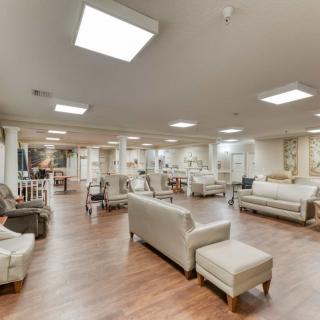
The environment immediately stands out as a calling card: it truly feels like a house, not a facility, and the emphasis on keeping things clean is not optional but guaranteed. Quanita Isaiah runs the operation with a hands-on, supervisory presence that translates into consistent housekeeping and well-maintained spaces. In a market where small ALFs can drift into neglect, this home-like setting earns trust by demonstrating that resident spaces are respected and cared for. Staff interactions read as genuine, with residents appearing well tended to in day-to-day moments, which matters for families weighing safety and daily comfort.
Proximity to the caregiver team translates into tangible benefits. The staff is described as “great” and the overall tenor is one of warmth and reliability. Residents’ routines and needs seem to receive timely attention, reducing the anxiety that families often carry when a parent or loved one moves into care. The intimate scale of the operation likely allows for more predictable responses to preferences, whether it’s meal choices, activity engagement, or assistance with daily tasks, without the friction sometimes encountered in larger communities. In short, the combination of leadership by Quanita and the cohesive staff fosters a sense of security that is hard to replicate in bigger ALFs.
There are no explicit drawbacks highlighted in the available feedback, which often signals a high level of satisfaction. Still, potential gaps are worth considering for families depending on individual care requirements. A smaller home setting can mean fewer on-site medical resources, less formal programming, and a tighter limit on specialized memory care or complex clinical oversight. For seniors who need 24/7 intensive nursing support, frequent wound care, or structured, wide-ranging activity calendars, alternatives with larger staff rotas or dedicated clinical teams may prove more suitable. The key is to align care intensity with the resident’s specific health and cognitive profile.
Even with those caveats, the positives line up in a way that offsets typical concerns. The pristine upkeep and the people-first leadership create an environment where safety and comfort are integrated into daily living, not bolted on as afterthoughts. Clean spaces reduce infection risk and enhance the sense of well-being, while attentive staff and Quanita’s hands-on leadership tend to yield rapid problem-solving and a steady hand on daily routines. For families seeking peace of mind through visible, dependable care, these elements can outweigh the potential limits of a smaller operation.
To determine fit, prospective families should prioritize a few practical steps. Schedule a visit during active hours to observe caregiver-resident exchanges and meal service, inquire about staff-to-resident ratios, and request a recent sample care plan to understand how medical and personal needs get addressed. Ask about medication management, transportation options for appointments, and how flexibility is handled when a resident’s preferences shift. Finally, discuss emergency procedures and any partnerships with local healthcare providers. Isaiah Assisted Living presents a compelling option for those prioritizing cleanliness, a personal touch, and a home-like atmosphere in a smaller community, while acknowledging that more robust clinical support and broader activity offerings may be found elsewhere for higher-acuity needs.
 6 resident community capacity
 Assisted Living
 Cable or satellite TV
 Dining room
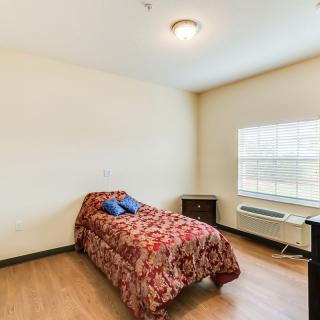
 Fully furnished
 Garden
 Housekeeping services
 Move-in coordination
 Outdoor space
 Telephone
 Wi-Fi/high-speed internet available
 24-hour supervision
 Activities of daily living assistance
 Assistance with bathing
 Assistance with dressing
 Assistance with transfers
 Diabetes diet
 Meal preparation and service
 Medication management
 Special dietary restrictions
 Transportation arrangement (medical)
 Transportation to doctors appointments


 Assisted Living Support for Veterans: A Complete and Detailed Overview
 Exploring the Contrasts Between Assisted Living and Skilled Nursing
 8 Key Indicators That Suggest It May Be Time to Transition from Assisted Living to Skilled Nursing Care