The Canopy On Berryhill

Save

  • Interior

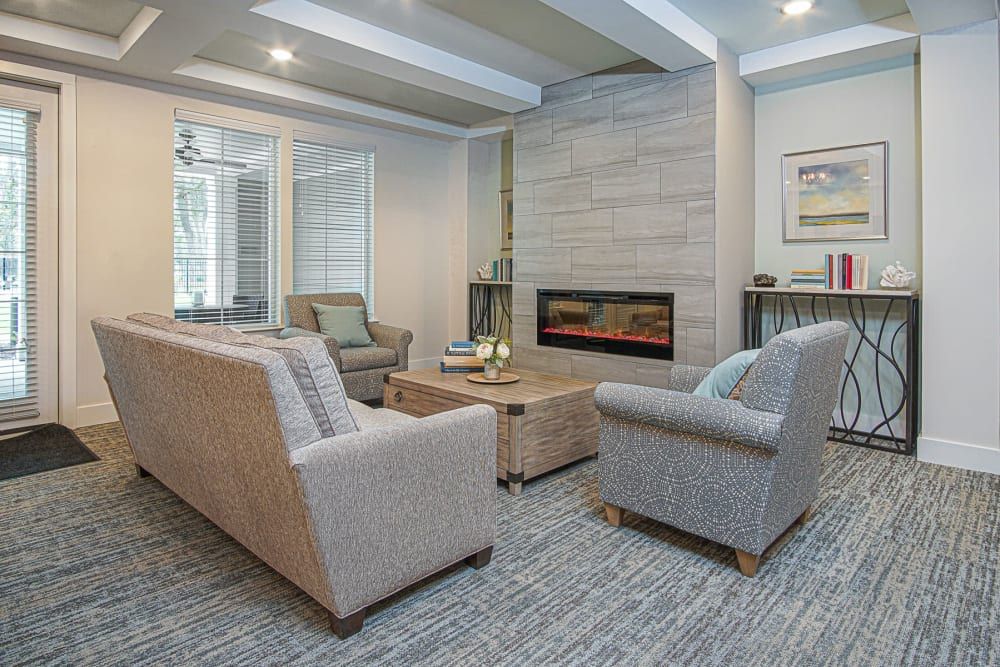
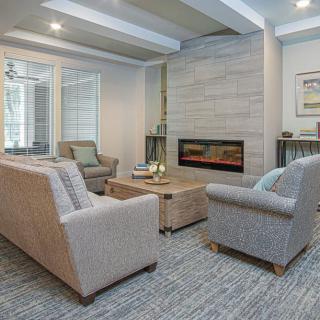
    A modern living room with comfortable seating and a stylish fireplace.
  • Outdoors

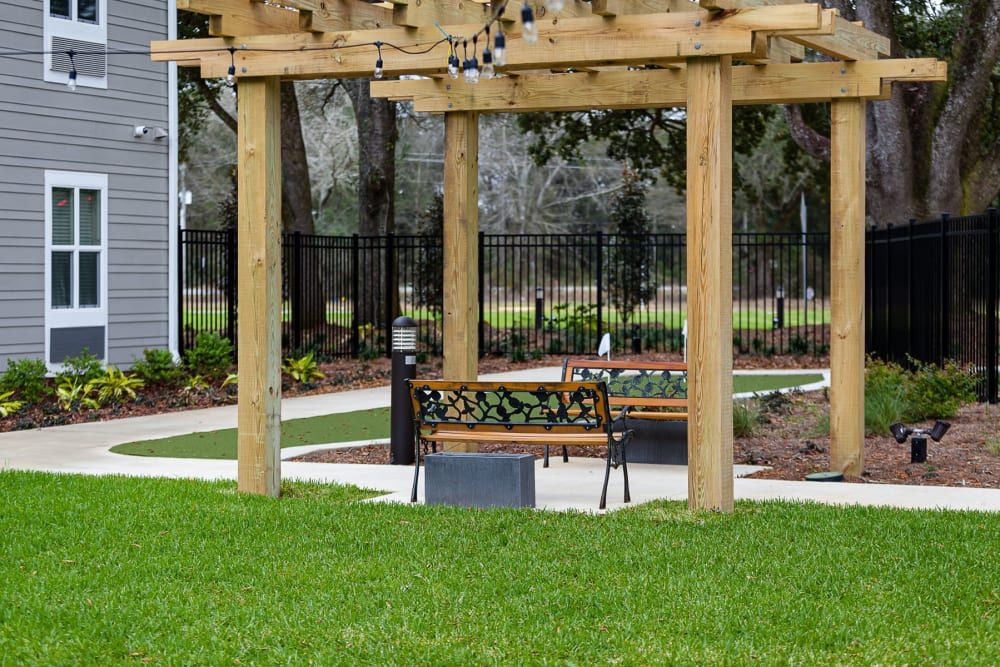
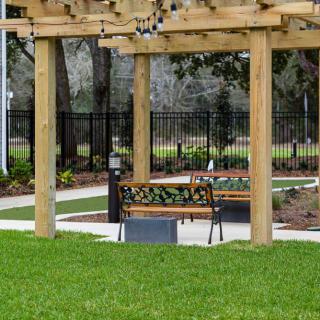
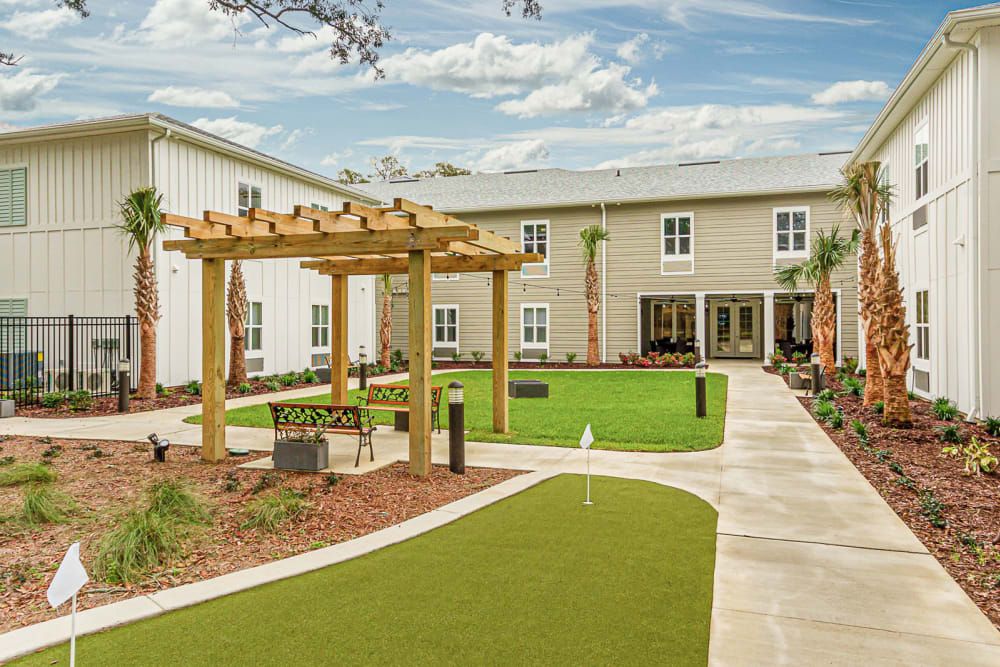
    A peaceful park scene featuring a bench under a wooden pergola surrounded by lush greenery.
  • Decor

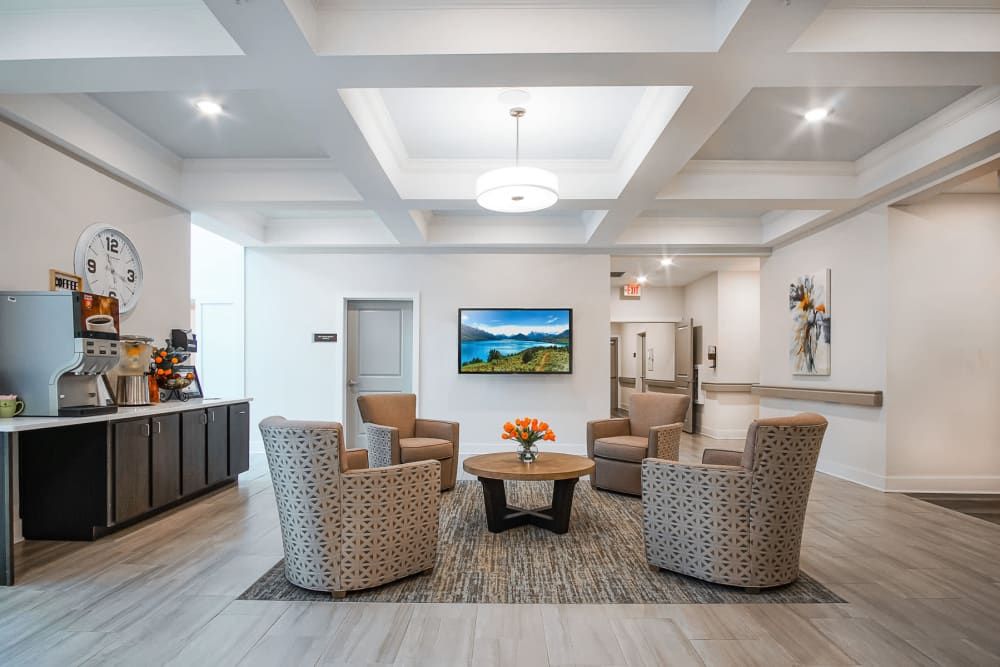
    A modern lobby interior with a seating area and stylish decor.
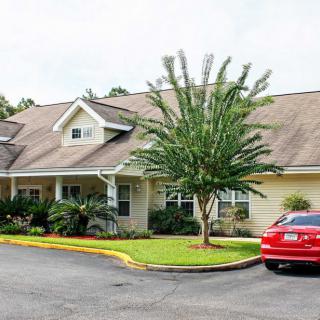
  • Building

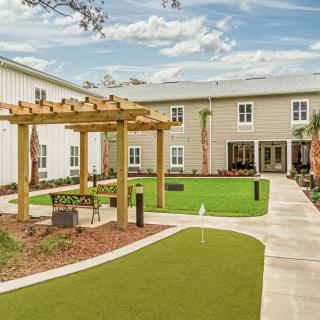
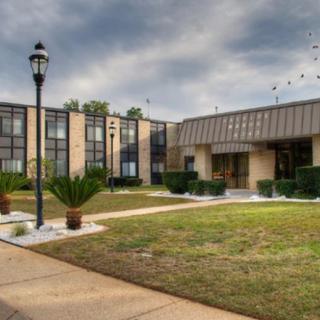
    A beautifully landscaped courtyard with a wooden pergola and green lawn surrounded by a modern building.
  • Architecture

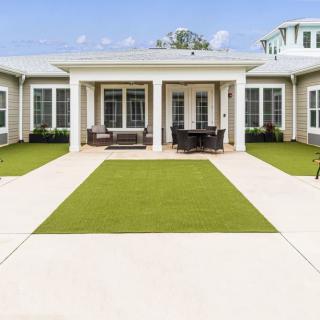
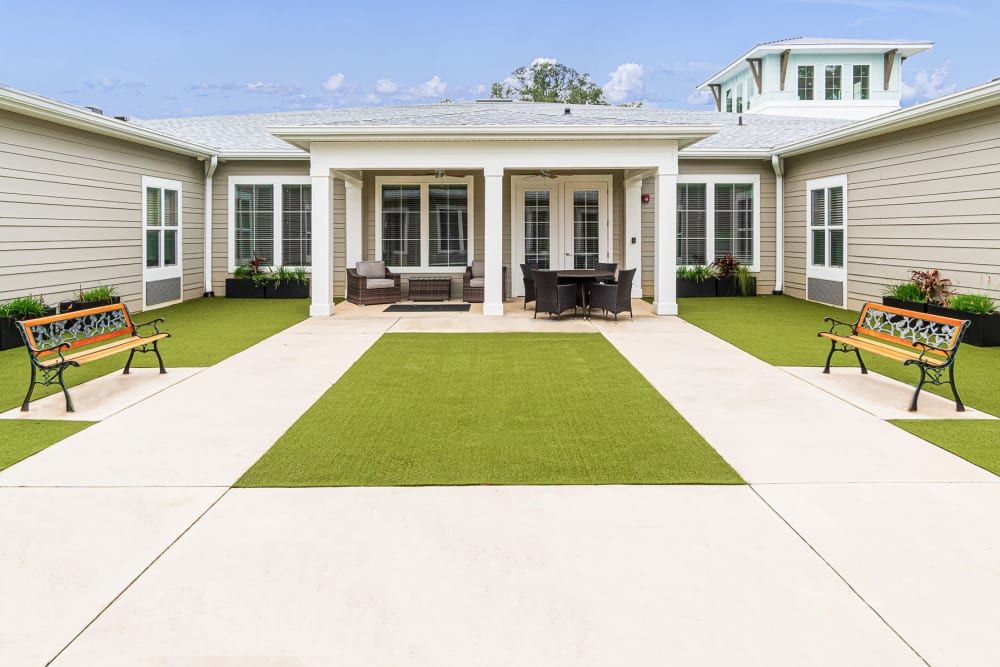
    A spacious courtyard with a lawn and outdoor seating in front of a modern house.
  • Windows

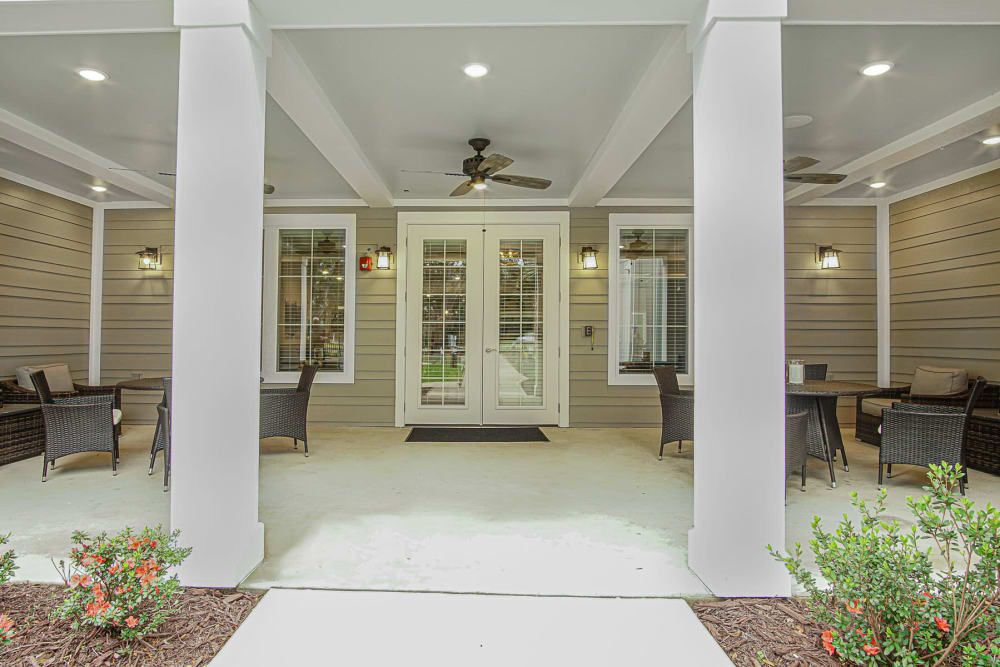
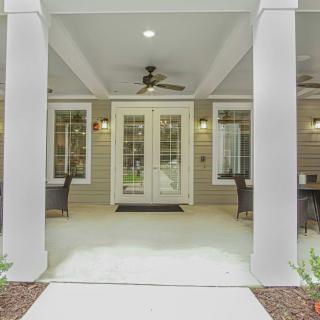
    A welcoming porch area with columns, featuring a ceiling fan and patio furniture.
  • Dining

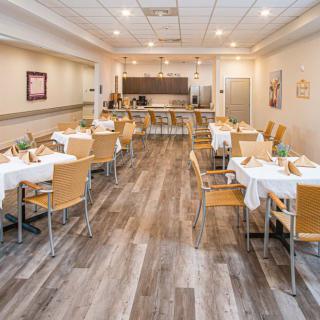
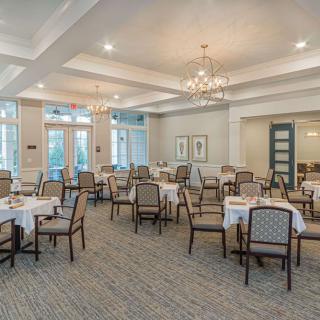
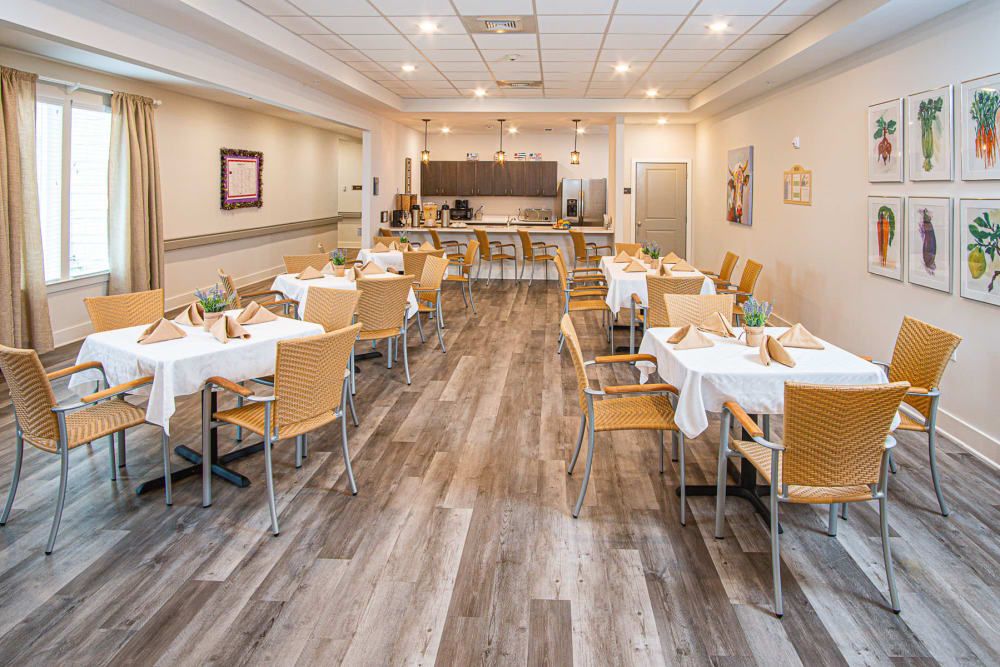
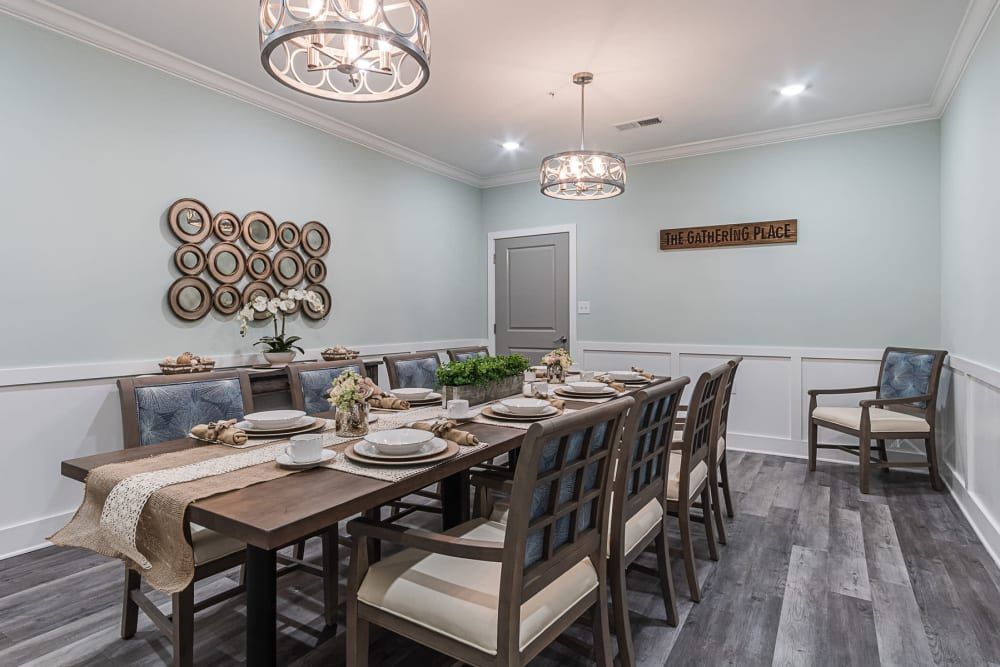
    A modern dining area with neatly arranged tables and wooden chairs.
  • Landscaping

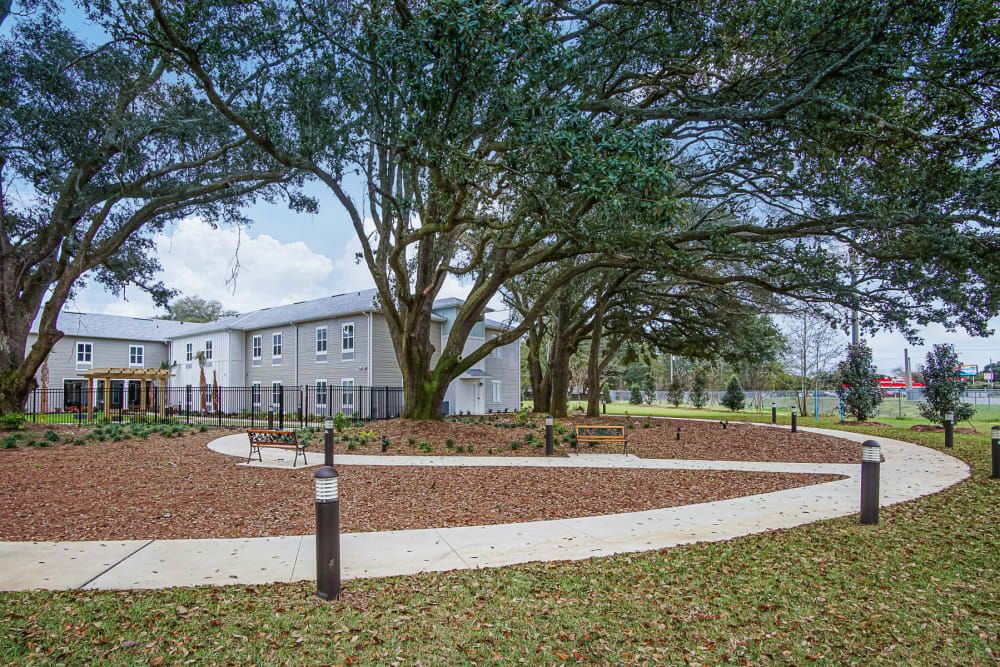
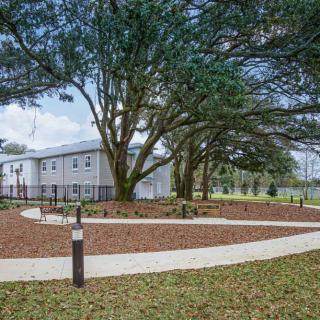
    A scenic view of a large tree with a walkway and a house in the background.
  • Lighting

    Elegant dining room with modern decor and chandeliers.
  • Garden

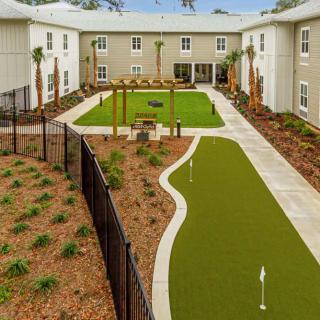
    A courtyard featuring a landscaped garden with artificial turf and pathways, surrounded by residential buildings.
  • Chandelier

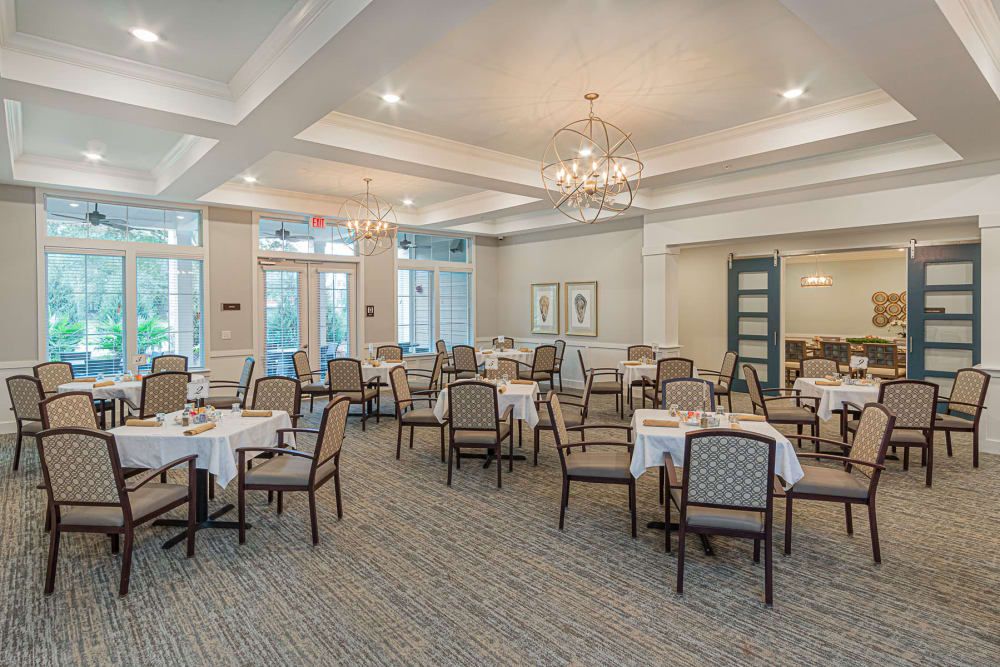
    A spacious and elegantly decorated dining room with multiple tables and chairs, featuring a chandelier and large windows.
  • Wall Art

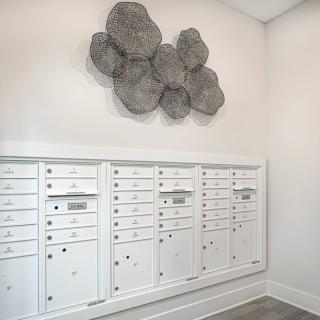
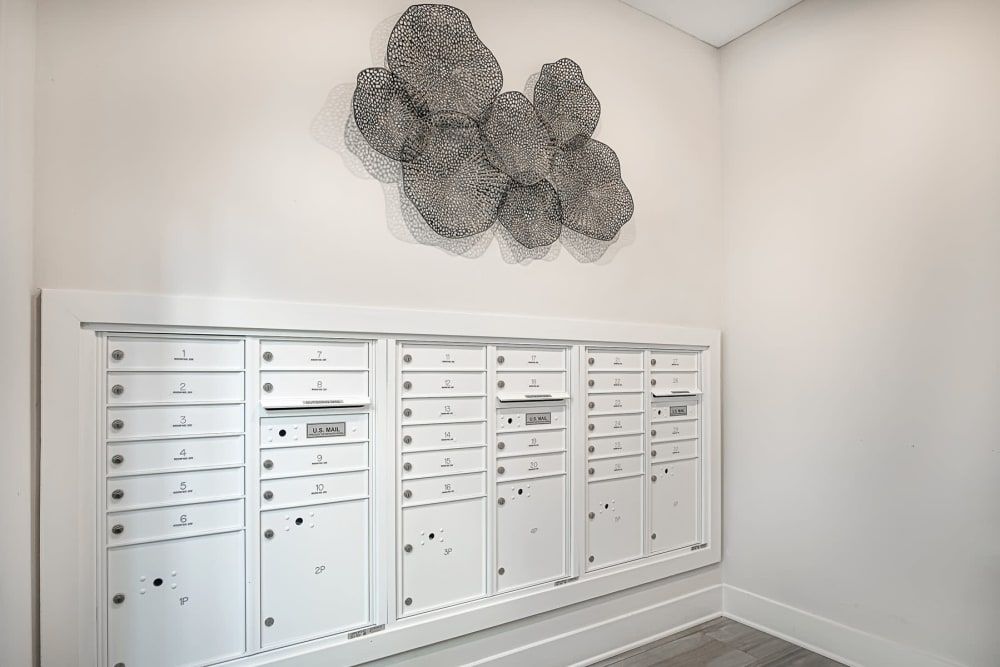
    A modern interior featuring a set of white mailboxes with artistic wall decor above.
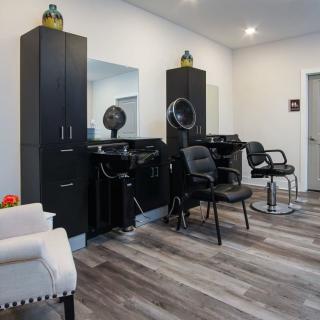
  • Salon

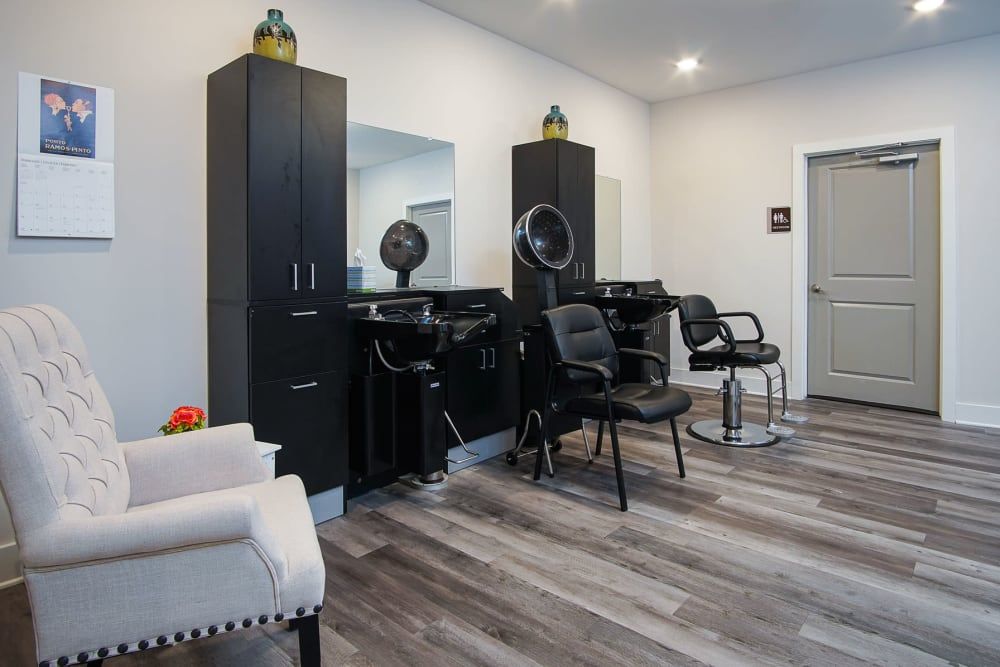
    A modern hair salon with styling chairs and mirrors.

The Canopy On Berryhill

3343 Berryhill Road, Pace, FL 32571

For more information about senior living options: (844) 490-3973

4.2 from 45 reviews
5 stars
35
4 stars
2
3 stars
0
2 stars
0
1 stars
8

Assisted Living Independent Living Memory Care

What level of care are you interested in?

Assisted Living

Memory Care

Independent Living

Skilled Nursing Facility

Continuing Care Retirement Community (CCRC)CCRC

Other


Request a tour at The Canopy On Berryhill

    Overall Review of The Canopy On Berryhill

    Pros

    • pro Arcadia is a wonderful place for seniors.
    • pro The staff at Arcadia are friendly, caring, and professional.
    • pro Sally is amazing and exudes professionalism and passion for caring for seniors.
    • pro The Arcadia team is caring, compassionate, and consistently exceeds expectations.
    • pro Arcadia has been a blessing for residents, with friendly staff and engaging daily activities.
    • pro Residents are treated like family and receive superb care.
    • pro The facility is clean, well-maintained, and free of odors.
    • pro Hailie provides a vast variety of daily activities for both assisted living and memory care units.
    • pro The memory care program at Arcadia is well-suited to residents' needs.
    • pro The head chef earns wonderful compliments and the meals are well-regarded.
    • pro Arcadia Pace is a beautiful community with a wonderful team.
    • pro The activities coordinator is a delight, offering numerous in-facility and community activities.
    • pro Management is accessible and responsive to residents and families.

    Cons

    • pro The manager claimed there were no babysitters, indicating insufficient extra care for residents.
    • pro Arcadia was described as a very disappointing place for residents to live.
    • pro The food was described as poor quality, with meals sometimes not delivered or served cold.
    • pro Items were reportedly stolen from residents.
    • pro The activity room had only a stationary bike and no strength training equipment despite advertising a gym.
    • pro Management was not receptive to feedback and administrators did not follow through on promises.
    • pro The facility was described as very short-staffed, resulting in inadequate quality of care and missed assistance during falls.
    • pro There was no security at night and residents' doors were left unlocked, leaving them vulnerable.
    • pro A reviewer warned not to trust online information, claiming the facility was poorly run, dirty, and the staff unprofessional and lazy.

    Review

    Arcadia Senior Living and Arcadia Pace come to life in a chorus of voices from families who have entrusted their loved ones to the care of its teams. Some journeys begin with relief and gratitude and ripen into lasting praise for a community that feels like a second family. Others reveal tougher days, where concerns about safety, staffing, and consistency of care surface, reminding readers that every senior living experience is deeply personal and variable. Taken together, the snippets weave a portrait of a place that can be exceptionally warm and attentive, even as it faces real challenges that families must navigate.

    Many reviewers describe Arcadia as a place where staff members go above and beyond to show kindness, compassion, and real attention to residents' needs. Guests repeatedly highlight a culture of care that makes residents feel respected and loved. Families speak highly of the everyday warmth of the team - caregivers who "exude professionalism and passion for caring for seniors," and a management style that seems accessible and involved. The facility is praised for its cleanliness, pleasant atmosphere, and the sense that residents are treated like family. In particular, several staff members receive frequent, heartfelt shout-outs: Sally, who is often singled out for her professionalism and dedication; Hailie, who coordinates a robust menu of activities; and Carol, mentioned fondly by families who enjoy working with her. The overarching sentiment from these reviews is that Arcadia can be a blessing for those who benefit from engaging programs, social opportunities, and attentive daily care.

    Beyond individual staff interactions, several reviewers celebrate Arcadia's comprehensive approach to daily life. Families describe well-maintained buildings with beautiful grounds, a pleasant ambiance, and a strong emphasis on meaningful activities - both for memory care and assisted living residents. The memory care units are repeatedly portrayed as places where residents are valued and engaged, with programming designed to keep minds active and spirits engaged. The presence of a capable chef and varied in-house dining options is repeatedly noted as a positive influence on residents' quality of life. In short, the community is portrayed as a place where residents can feel secure, well cared for, and connected to both staff and fellow residents.

    Yet the reviews also present a cautionary counterpoint that cannot be ignored. A particularly stark first-person account recalls a time when a friend with rapidly declining health and memory impairment was left in a room, unable to remember her surroundings, and at risk of harm if she moved from her chair. The narrator describes asking for extra assistance and receiving a blunt response from the manager: "We don't have babysitters." That moment - along with reports of missing memory care oversight, safety concerns, and a sense that more could be done for vulnerable residents - frames a counter-narrative about what can happen when resources and attention don't align with need. This thread underscores the reality that even highly regarded facilities must continuously address staffing levels, safety protocols, and responsive care approaches to protect residents who require heightened supervision.

    On the other end of the spectrum, some families recount serious shortcomings that left them profoundly worried. A standout negative review paints a picture of substantial gaps: medication administration errors or lapses, delayed or missed meals, and episodes of falls with limited staff intervention. The writer describes long hours of presence at the facility to compensate for insufficient staffing and questions about charting and communication between teams. Food quality is criticized as well, with references to meals served cold or unappealing, and allegations of items being stolen from residents. The review extends into concerns about nighttime security, with doors reportedly left unlocked and residents unsupervised, leaving families anxious about safety in the hours when they cannot be there. This account attributes these problems to short-staffing, inconsistent staffing, and a perceived disconnect between management promises and on-the-ground realities. It is a reminder that even in communities celebrated for care and compassion, weaknesses in operations can have painful consequences for residents and families.

    The discourse around Arcadia Pace versus Arcadia Senior Living also emerges in these testimonials, with families noting how care and leadership translate across different licenses or community configurations. Several comments commend corporate leadership for its accessibility and responsiveness, even as some specific experiences in Pace settings are described as more variable. A few families emphasize the value of temporary or increasing care services - whether due to post-surgery needs or memory care progression - highlighting a notable strength: the facility's willingness, on occasion, to adapt the level of support as residents' needs shift. Conversely, the criticisms also touch Pace explicitly, noting staffing shortages and inconsistent care in certain circumstances, suggesting that the distinctions between communities can be meaningful for families choosing a place that best aligns with their loved one's needs.

    In the broader arc of these stories, what stands out is a paradox common to many senior communities: Arcadia is widely praised for its warmth, its cleanliness, its engaging programming, and the kindness of its individual staff members; at the same time, certain experiences reveal vulnerabilities in staffing, safety, communication, and postoperative or memory-care oversight. For families, this duality translates into a careful calculus: the immense value of a nurturing, active, and respectful environment, weighed against the imperative to verify staffing ratios, care plans, and safety measures before making a long-term commitment. The testimonials emphasize the importance of asking direct questions about supervision for memory care, medication administration protocols, meals and nutrition consistency, night-time security, and the ability to scale care up or down as needs evolve.

    For anyone considering Arcadia Senior Living or Arcadia Pace, the overarching takeaway is one of nuance and due diligence. The community is capable of delivering moments of genuine joy, connection, and comfort for residents, supported by staff who demonstrate care, kindness, and professional dedication. Yet the more critical voices remind prospective families to look beyond surface impressions and to probe the practical realities of daily operations: staffing levels, safety safeguards, accountability in care plans, and the transparency of communication between management, caregivers, residents, and families. In visiting or interviewing multiple locations, families can seek an understanding not only of the warmth and engagement that Arcadia fosters but also of the concrete steps the community takes to protect the most vulnerable residents, especially those with memory impairment or mobility challenges. The result is a picture of Arcadia as a place capable of extraordinary positive impact, tempered by ongoing work to ensure consistent, safe, and high-quality care for every resident who calls it home.

    Features

    Housing

    • 80 resident community capacity 80 resident community capacity

    Types of Care

    • Assisted Living Assisted LivingAssisted living facilities provide crucial support and care for seniors who may need help with daily tasks such as medication management, bathing, and meal preparation. These communities offer a safe and comfortable environment where seniors can maintain their independence while receiving the assistance they need to thrive in their golden years.
    • Independent Living Independent LivingIndependent living communities are important for seniors because they offer a safe and supportive environment where older adults can live independently while still having access to amenities and services that enhance their quality of life. These communities provide social opportunities, recreational activities, and assistance with daily tasks, promoting overall well-being and allowing seniors to maintain their independence for as long as possible.
    • Memory Care Memory CareMemory care is crucial for seniors as it provides specialized support and services for individuals with dementia or Alzheimer's disease. These programs offer a safe and secure environment where residents receive personalized care, cognitive stimulation, and help with daily activities. Memory care helps seniors maintain their independence, quality of life, and dignity while also providing peace of mind for their families.

    Amenities

    • Air-conditioning Air-conditioningAir conditioning is important for seniors as they are more vulnerable to heat-related illnesses and may have underlying health conditions that make it difficult for them to regulate their body temperature. It helps to keep them comfortable, safe, and healthy in hot weather.
    • Beauty salon Beauty salonBeauty salons are important for seniors because they provide a space for them to feel pampered, socialize, and maintain their personal grooming and hygiene. Regular visits to a beauty salon can help boost seniors' self-esteem and overall well-being.
    • Cable or satellite TV Cable or satellite TVCable or satellite TV is important for seniors because it provides entertainment, news, and companionship, helping to combat loneliness and boredom. It also offers a wide range of programming options tailored to different interests and preferences.
    • Computer center Computer centerA computer center is essential for seniors as it provides access to technology, communication tools, and resources that can enhance their daily lives. It allows them to stay connected with loved ones, engage in online activities, and learn new skills, ultimately promoting socialization and mental stimulation.
    • Dining room Dining roomDining rooms are important for seniors as they provide a space for socialization, connection, and nutritious meals. They offer opportunities for residents to bond over shared meals, foster a sense of community, and promote healthy eating habits. Dining rooms also ensure that seniors have access to well-balanced meals tailored to their dietary needs and preferences.
    • Fitness room Fitness roomHaving a fitness room in a senior living community is essential for seniors to stay active, maintain their physical health, and improve their overall well-being. Regular exercise can help prevent falls, reduce the risk of chronic diseases, and promote mental sharpness. It also provides social opportunities for residents to connect with others and enjoy a sense of community.
    • Fully furnished Fully furnishedFully furnished senior living communities are important for seniors because they provide convenience, comfort, and a hassle-free moving experience. Seniors can easily settle into their new living space without the stress of having to buy and move furniture. This allows them to focus on enjoying their new home and community.
    • Gaming room Gaming roomGaming rooms are important for seniors as they provide a fun and engaging environment for socializing, cognitive stimulation, and physical activity. Games can improve memory, problem-solving skills, and overall mental well-being while fostering friendships and reducing feelings of isolation.
    • Garden GardenGardens are important for seniors as they provide a peaceful and therapeutic environment for relaxation, physical activity, and socialization. Being in nature has been shown to reduce stress, improve mood, and promote overall well-being. Gardens also offer opportunities for seniors to engage in gardening activities, which can improve mobility, flexibility, and cognitive function. Additionally, gardens create a sense of community and connection with others who share a passion for plants and outdoor spaces.
    • Housekeeping services Housekeeping servicesHousekeeping services are important for seniors because they help maintain a clean and safe living environment, promote independence, and reduce the risk of accidents or illnesses. Additionally, having assistance with household chores can alleviate physical strain and allow seniors to focus on other aspects of their well-being.
    • Kitchenette KitchenetteKitchenettes are important for seniors living in senior living communities because they provide the convenience and independence of being able to prepare simple meals and snacks in the comfort of their own living space. This can help promote a sense of autonomy and well-being for seniors, allowing them to maintain some level of control over their dietary choices and daily routines.
    • Move-in coordination Move-in coordinationMove-in coordination is important for seniors because it helps ease the transition into their new living environment. It ensures that all logistics, such as packing, organizing movers, and setting up utilities are taken care of, allowing seniors to focus on settling in and adjusting to their new home. Having a smooth move-in process can alleviate stress and anxiety, making the transition smoother and more enjoyable for seniors.
    • Outdoor space Outdoor spaceOutdoor spaces are important for seniors as they provide opportunities for physical activity, social interaction, exposure to natural light and fresh air, and a sense of connection to nature. Having access to outdoor spaces can improve overall well-being and quality of life for older adults living in senior communities.
    • Private bathrooms Private bathroomsPrivate bathrooms are important for seniors in senior living communities because they provide independence, dignity, and comfort. Having a private bathroom allows seniors to maintain their personal hygiene routines without the need for assistance, promoting a sense of autonomy and privacy. Additionally, private bathrooms help prevent the spread of infections and provide a safe and clean environment for seniors to navigate safely.
    • Restaurant-style dining Restaurant-style diningRestaurant-style dining is important for seniors because it allows them to enjoy delicious, nutritious meals in a social and upscale setting. This enhances their dining experience, promotes healthy eating habits, and fosters socialization with fellow residents, ultimately contributing to their overall well-being and quality of life.
    • Small library Small librarySmall libraries are important for seniors as they provide access to a variety of reading materials, including books, newspapers, and magazines. This can help stimulate their minds, keep them engaged, and provide a sense of community through book clubs and other social activities. Additionally, reading has been shown to improve cognitive function and overall mental well-being in older adults.
    • Telephone TelephoneTelephones are important for seniors as they provide a lifeline for communication with loved ones, emergency services, and healthcare providers. They offer a sense of security and independence, enabling seniors to stay connected and access assistance when needed.
    • Wellness center Wellness centerWellness centers are important for seniors because they offer a variety of programs and services that promote physical, mental, and emotional well-being. These centers provide opportunities for exercise, socialization, education, and relaxation, helping seniors maintain their overall health and quality of life.
    • Wi-Fi/high-speed internet available Wi-Fi/high-speed internet availableWi-Fi/high-speed internet is important for seniors to stay connected with loved ones, access online resources, and participate in virtual activities to combat feelings of loneliness and isolation. It also allows them to easily manage healthcare needs, access entertainment, and engage in lifelong learning opportunities.

    Transportation

    • Pensacola Regional (12 miles away) Pensacola Regional (12 miles away)
    • Community operated transportation Community operated transportationCommunity operated transportation is crucial for seniors as it provides them with the means to access essential services, social activities, and medical appointments. It allows seniors to maintain their independence and quality of life by ensuring they can participate in activities outside of their homes. Additionally, community-operated transportation services offer a safe and reliable way for seniors to travel without having to rely on family or friends for assistance.
    • Transportation arrangement Transportation arrangementTransportation arrangements are crucial for seniors as they may face challenges with driving, mobility, or access to public transportation. Having reliable transportation services ensures that seniors can easily attend appointments, social activities, and maintain their independence and quality of life.
    • Transportation arrangement (non-medical) Transportation arrangement (non-medical)Transportation arrangements are essential for seniors as they provide access to essential services, activities, and social interactions outside the home. This service helps maintain independence, mobility, and overall well-being for seniors who may have limited transportation options.
    • Transportation to doctors appointments Transportation to doctors appointmentsTransportation to doctors appointments is crucial for seniors as it ensures they have access to necessary medical care and support, promoting their health and well-being. It allows them to receive timely treatment, monitor existing conditions, and address any new health concerns efficiently. Additionally, transportation services can help seniors maintain their independence and quality of life by enabling them to stay connected with their healthcare providers.

    Care Services

    • 12-16 hour nursing 12-16 hour nursing12-16 hour nursing care is crucial for seniors in order to ensure around-the-clock monitoring, timely medication administration, and prompt response to any health concerns or emergencies. This level of care helps to promote the overall well-being and safety of seniors living in senior living communities.
    • 24-hour call system 24-hour call system24-hour call systems are important for seniors because they provide peace of mind and immediate assistance in case of emergencies. This technology ensures that help is always available, promoting safety and security for elderly individuals living alone or in assisted living facilities.
    • 24-hour supervision 24-hour supervision24-hour supervision is important for seniors to ensure their safety, well-being, and access to immediate assistance in case of emergencies or health issues. This constant support provides peace of mind for both seniors and their loved ones, allowing them to age in place with dignity and security.
    • Activities of daily living assistance Activities of daily living assistanceActivities of daily living assistance are important for seniors because they provide essential support with tasks such as eating, bathing, dressing, and mobility. This assistance helps seniors maintain their independence, dignity, and overall quality of life as they age.
    • Assistance with bathing Assistance with bathingAssistance with bathing is crucial for seniors as it helps maintain personal hygiene, prevents infections, and ensures their overall well-being and comfort. It also provides a sense of dignity and independence for seniors who may struggle with this task on their own.
    • Assistance with dressing Assistance with dressingAssistance with dressing is important for seniors because it helps maintain their independence, promotes personal hygiene, prevents accidents and injuries, and improves overall quality of life. This service ensures that seniors can continue to dress comfortably and confidently, despite any physical limitations they may have.
    • Assistance with transfers Assistance with transfersAssistance with transfers is crucial for seniors as it helps prevent falls and injuries, maintains their independence, and ensures they can safely navigate their living environment. It also provides peace of mind for both seniors and their loved ones.
    • Diabetes diet Diabetes dietA diabetes diet is crucial for seniors as it helps manage blood sugar levels, reduce risks of complications, and improve overall health and well-being. By following a balanced and nutritious diet tailored to their specific needs, seniors can better control their diabetes and enhance their quality of life.
    • Meal preparation and service Meal preparation and serviceMeal preparation and service are crucial for seniors as they may have limited mobility or energy to cook nutritious meals. Having access to healthy and convenient food options can ensure they are getting the proper nutrition needed to maintain their overall health and well-being.
    • Medication management Medication managementMedication management is crucial for seniors to ensure they are taking the right medications at the correct dosages and times. This helps prevent adverse drug interactions, reduces the risk of medication errors, and promotes overall health and well-being. Proactive management also allows for adjustments as needed based on changing health conditions or new prescriptions.
    • Mental wellness program Mental wellness programMental wellness programs are essential for seniors as they promote cognitive stimulation, emotional support, and social engagement. These programs help prevent isolation, depression, and cognitive decline, ultimately enhancing the overall quality of life for older adults.
    • Mild cognitive impairment Mild cognitive impairment"Mild cognitive impairment" is important for seniors because it is an early stage of cognitive decline that can potentially progress to more severe conditions such as dementia. Recognizing and addressing mild cognitive impairment can help seniors receive appropriate care and support to maintain their quality of life and independence for as long as possible.
    • Special dietary restrictions Special dietary restrictionsSpecial dietary restrictions are important for seniors because age-related changes in metabolism and health conditions can make it difficult for their bodies to process certain foods. By following a diet tailored to their specific needs, seniors can maintain their overall health and well-being, manage chronic conditions, and reduce the risk of complications such as malnutrition or food interactions with medications.
    • Specialized memory care programming Specialized memory care programmingSpecialized memory care programming is crucial for seniors with cognitive impairments such as dementia or Alzheimer's disease. These programs provide a safe and supportive environment tailored to the unique needs of individuals with memory loss, helping them maintain their independence, dignity, and quality of life.

    Dining

    • Diabetes diet Diabetes dietA diabetes diet is crucial for seniors as it helps manage blood sugar levels, reduce risks of complications, and improve overall health and well-being. By following a balanced and nutritious diet tailored to their specific needs, seniors can better control their diabetes and enhance their quality of life.
    • Special dietary restrictions Special dietary restrictionsSpecial dietary restrictions are important for seniors because age-related changes in metabolism and health conditions can make it difficult for their bodies to process certain foods. By following a diet tailored to their specific needs, seniors can maintain their overall health and well-being, manage chronic conditions, and reduce the risk of complications such as malnutrition or food interactions with medications.

    Activities

    • Community-sponsored activities Community-sponsored activitiesCommunity-sponsored activities are important for seniors as they provide opportunities for social interaction, mental stimulation, and physical activity. These activities can help improve overall well-being, combat loneliness and isolation, and promote a sense of belonging and purpose among older adults.
    • Concierge services Concierge servicesConcierge services are essential for seniors as they provide assistance with daily tasks and errands, enhance their quality of life by offering convenience and personalized care, and promote a sense of safety and security.
    • Fitness programs Fitness programsFitness programs are crucial for seniors as they help improve strength, flexibility, balance, and overall well-being. Staying active can reduce the risk of chronic diseases, improve mental health, and enhance quality of life in older adults.
    • Planned day trips Planned day tripsPlanned day trips are important for seniors because they offer opportunities for socialization, mental stimulation, and physical activity. They provide a change of scenery and help seniors stay engaged and connected to their community, promoting overall well-being and quality of life.
    • Resident-run activities Resident-run activitiesResident-run activities are important for seniors as they encourage social interaction, creativity, and a sense of autonomy. These activities empower seniors to stay engaged and active in their community while fostering meaningful connections with their peers.
    • Scheduled daily activities Scheduled daily activitiesScheduled daily activities are important for seniors because they provide structure, socialization, mental stimulation, and physical activity. Engaging in regular activities can improve overall well-being and quality of life for seniors living in a community setting.

    Description

    The Canopy On Berryhill in Pace, FL is a vibrant and welcoming assisted living community that offers various levels of care to meet the individual needs of residents. With a focus on both Independent Living and Memory Care, the community provides a comfortable and supportive environment for seniors.

    Residents at The Canopy On Berryhill can enjoy a wide range of amenities designed to enhance their daily lives. These include a beauty salon, cable or satellite TV, community-operated transportation for outings and appointments, a computer center for staying connected, and a fitness room for staying active. The community also offers fully furnished accommodations with private bathrooms, ensuring residents have all the comforts they need.

    Dining at The Canopy On Berryhill is top-notch with restaurant-style dining available. Special dietary restrictions can be accommodated to ensure that each resident's unique needs are met. Additionally, housekeeping services are provided to keep living spaces clean and tidy.

    Engaging activities are an essential part of life at The Canopy On Berryhill. Residents can enjoy concierge services, fitness programs to stay healthy and active, planned day trips to explore nearby attractions, resident-run activities that encourage socialization, and scheduled daily activities to keep them engaged.

    The community is conveniently located near various amenities such as cafes, pharmacies, physicians' offices, restaurants, and hospitals. This ensures that residents have easy access to all necessary services and resources.

    In terms of care services, The Canopy On Berryhill offers 24-hour call systems for emergencies or urgent assistance. Trained staff members provide around-the-clock supervision and assistance with activities of daily living including bathing, dressing, and transfers. Medication management is available for those who require it. Specialized memory care programming is offered for residents dealing with cognitive impairments or dementia.

    Overall, The Canopy On Berryhill provides a warm and caring environment where seniors can live independently while receiving the support they need.

    Nearby Places of Interest

    Restaurants

    • Whataburger (0.2 miles)
    • McDonald's (3.7 miles)
    • Panda Express (4.5 miles)
    • Ruby Tuesday (4.6 miles)
    • Whataburger (4.7 miles)
    • Subway (4.8 miles)
    • Chick-Fil-A (4.8 miles)

    Physicians

    • Pensacola Pediatrics (0.3 miles)
    • Five Points Family Practice (0.3 miles)
    • Emerald Coast Pediatrics PA (2.1 miles)
    • Nichols Joyce, MD (3.3 miles)
    • Pediatric Associates Pa (3.5 miles)
    • Center For Sight (3.7 miles)
    • Kids Care Pediatrics (3.8 miles)

    Hospitals

    • Sacred Heart Hospital (1.6 miles)
    • Baptist Health Care (3.3 miles)
    • Santa Rosa Medical Center - Emergency Room (6.7 miles)
    • Baptist Medical Group (8.1 miles)
    • Florida Department of Children & Families (8.1 miles)
    • West Florida Community Care Center (8.2 miles)
    • West Florida Regional Medical Center (9.2 miles)

    Pharmacies

    • Pace Pharmacy (2.1 miles)
    • CVS Pharmacy (3.3 miles)
    • Thrif-T Drugs Place (3.3 miles)
    • Winn-Dixie (3.3 miles)
    • Rx Express of Milton (6.6 miles)
    • Winn-Dixie (7.5 miles)
    • Walgreens (7.8 miles)

    Cafes

    • Panera Bread (4.3 miles)
    • Starbucks (7.3 miles)
    • Panera Bread (8.4 miles)
    • Maynard's Donut Co. (8.8 miles)

    Places of Worship

    • First Assembly of God (7.4 miles)
    • Pensacola Mosque (8.9 miles)
    • Olive Baptist Church (9.5 miles)

    Frequently Asked Questions

    Where is The Canopy On Berryhill?
    Does The Canopy On Berryhill provide care for residents with dementia or Alzheimer's disease?
    What photos are available for The Canopy On Berryhill in Pace, Florida?

    Nearby Communities

    Assisted Living in Nearby Cities

    Related Resources

    • dementia stagesUnderstanding Dementia Through Its Seven Stages: A Comprehensive Look at Progression and Expectations

      Dementia encompasses a range of cognitive impairments characterized by types such as Alzheimer's and vascular dementia, and follows a seven-stage progression model known as the Global Deterioration Scale (GDS), highlighting varying symptoms and decline timelines. Early detection allows for lifestyle adjustments to potentially slow progression, while caregivers need support and resources to manage the challenges involved in caring for affected individuals.

    • dementia careA Holistic Dementia Care Guide: Effective Strategies for Memory Support

      The guide on holistic dementia care outlines the complexity of dementia and stresses the need for individualized caregiver strategies that include medical treatment, psychological support, and environmental adaptations, while emphasizing early detection, various therapeutic options, and caregiver support to enhance quality of life and maintain dignity.

    • activities of daily livingComprehensive Insights into Activities of Daily Living (ADLs) and Their Assessment
      Activities of Daily Living (ADLs) are fundamental tasks vital for an individual's independence, particularly in older adults over 85, and include functions like bathing and dressing; assessing ADLs alongside Instrumental Activities of Daily Living (IADLs) helps determine the level of required assistance due to age-related health challenges. Tailored support plans, involving family and community resources, are essential for maintaining dignity and autonomy in assisted living environments.


    Get Pricing Ask A Question Schedule A Tour Contact Senior Advisor