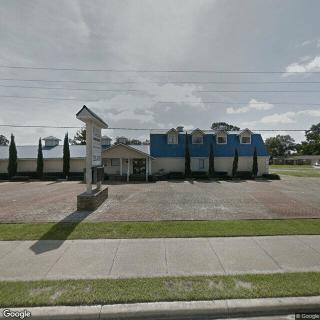
Pine Crest Manor in Middleburg, FL

2835 Cr 220, Middleburg, FL 32068

For more information about senior living options: (844) 490-3973

3.8 from 4 reviews
5 stars
2
4 stars
1
3 stars
0
2 stars
0
1 stars
1

Assisted Living Respite Care

What level of care are you interested in?

Assisted Living

Memory Care

Independent Living

Skilled Nursing Facility

Continuing Care Retirement Community (CCRC)CCRC

Other


Request a tour at Pine Crest Manor

    Overall Review of Pine Crest Manor

    Pros

    • pro Debbie is described as lovely and soft-spoken, and she even suggested other places.
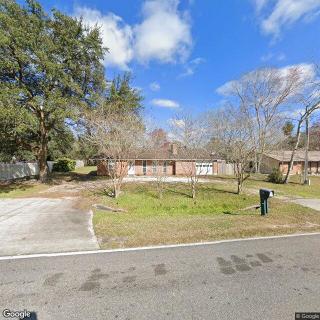
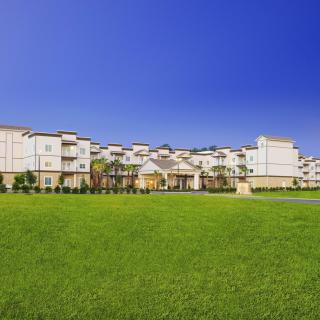
    • pro The outside grounds are nicely manicured and host private parties and other social gatherings.
    • pro The facility offers many stimulating events and encourages residents to participate as much as possible.
    • pro The dining areas provide nutritious and delicious food with many options, including intimate and communal settings.
    • pro The living suites are nicely sized, beautifully decorated, and have individually controlled temperatures.
    • pro The exercise center offers daily yoga and aerobics classes, with garden pathways and courtyards that residents can safely navigate.
    • pro The residents are content and well cared for by competent and compassionate staff.

    Cons

    • pro The facility does not offer 24-hour lockdown doors for residents with dementia.

    Review

    Pine Crest Manor in Middleburg, Florida is best suited for active seniors who want a lively, socially oriented assisted-living experience with dependable support and comfortable, well-appointed living spaces. It works well for residents who prize frequent events, cultural and dining options, and a campus that encourages participation rather than quiet seclusion. The setting supports independence while ensuring staff are present and responsive, a combination that provides peace of mind for families. Notably, the local team is described as friendly and caring, with staff members demonstrating kindness in challenging moments. This is a community that prioritizes engagement, mobility, and a broad amenity mix, making it a fit for those who want a vibrant daily rhythm rather than a clinical care corridor.

    Those with advanced memory-care needs and a requirement for strict 24/7 safety features may want to consider alternatives. The record notes that Pine Crest Manor does not offer 24-hour lockdown doors for dementia, a detail that matters to families evaluating security. For residents who require tight, memory-care?specific supervision, dedicated memory-care communities with locked-access corridors could be more appropriate. Additionally, families seeking a smaller, more private or home-like ambiance may prefer settings with a more restrained program schedule. The message here is not to discourage exploration, but to flag that Pine Crest Manor's strongest appeal lies in its social abundance and breadth of activity, which can be less compatible with higher-security demands.

    On the bright side, the pros are substantive and well-aligned with the expectations of independent-minded seniors. The grounds are immaculately kept, hosting private events and social gatherings that knit a sense of community. A bustling calendar of programs, performances, and outings leverages proximity to the metro area, opening doors to arts, culture, shopping, and dining that many communities can't match. Dining is flexible and generous, with nutritious options and multiple venues plus private rooms for guests. Living suites feel generous in size, decorated well, and not cramped, with individual temperature controls. The exercise center supports daily yoga and aerobics, and safe garden pathways invite strolls. Taken together, these features cultivate vitality and ease in daily life.

    These strengths partially offset the main hurdle for some families - the security expectations around memory care. The robust activity lineup, varied dining, and large, comfortable accommodations give residents meaningful daily purpose, which in turn reduces risk of isolation and disengagement. A well-regarded staff contingent is described as competent and compassionate, contributing to visible resident contentment that can reassure families during transitions. The setting's breadth of amenities - multiple dining formats, guest dining rooms, and accessible exercise options - supports independence for longer and can lessen the perceived need for more intensive supervision. While security-minded families may still crave locked corridors, the reality is that Pine Crest Manor's environment emphasizes ongoing engagement and human presence as a core safety strategy.

    Families evaluating this option should verify several practical points before moving in. First, confirm the memory-care options and what safety features are in place beyond general supervision, and ask about staff-to-resident ratios during different shifts. Request details on meal plans, sample menus, and how dining flexibility works for dietary restrictions. Schedule a visit during a normal activity period to observe resident engagement and staff responsiveness firsthand, including interactions in dining rooms, lounges, and outdoor spaces. Inquire about the range of private dining for guests and how often residents host family or friends, as this often reflects the social vitality of the campus. Finally, consider the importance of proximity to beloved cultural amenities when balancing lifestyle expectations with care needs.

    In the end, Pine Crest Manor represents a compelling choice for families prioritizing a vibrant, activity-rich assisted-living environment with generous living spaces and a responsive staff. Its strengths - manicured grounds, strong social programming, varied dining, and convenient access to arts and dining near the city - offer real value for residents who want to stay engaged and independent. The primary caveat is clear: for those requiring stringent memory-care security, alternatives with locked-access features may be a better fit. Weighing the consistent warmth and competence of the staff against the absence of 24-hour lockdown doors, Pine Crest Manor stands as a confident recommendation for its target demographic: active seniors who desire connection, mobility, and a comfortable home base with ample opportunities to flourish.

    Features

    Housing

    • 25 resident community capacity 25 resident community capacity

    Types of Care

    • Assisted Living Assisted LivingAssisted living facilities provide crucial support and care for seniors who may need help with daily tasks such as medication management, bathing, and meal preparation. These communities offer a safe and comfortable environment where seniors can maintain their independence while receiving the assistance they need to thrive in their golden years.
    • Respite Care Respite CareRespite care provides temporary relief for caregivers, allowing them to recharge and attend to their own needs. It also gives seniors the opportunity to socialize, receive professional care, and experience a change of scenery, promoting overall well-being and reducing feelings of isolation.

    Amenities

    • Activities on-site Activities on-siteActivities on-site are important for seniors because they provide opportunities for socialization, mental stimulation, physical activity, and overall well-being. Engaging in activities can help seniors stay active, maintain their independence, and improve their quality of life.
    • Beauty salon Beauty salonBeauty salons are important for seniors because they provide a space for them to feel pampered, socialize, and maintain their personal grooming and hygiene. Regular visits to a beauty salon can help boost seniors' self-esteem and overall well-being.
    • Cable or satellite TV Cable or satellite TVCable or satellite TV is important for seniors because it provides entertainment, news, and companionship, helping to combat loneliness and boredom. It also offers a wide range of programming options tailored to different interests and preferences.
    • Devotional services off-site Devotional services off-siteDevotional services off-site are important for seniors as they provide spiritual nourishment, social engagement, and a sense of community outside of the senior living facility. This can enhance overall well-being and help combat feelings of isolation and loneliness often experienced by older adults.
    • Dining room Dining roomDining rooms are important for seniors as they provide a space for socialization, connection, and nutritious meals. They offer opportunities for residents to bond over shared meals, foster a sense of community, and promote healthy eating habits. Dining rooms also ensure that seniors have access to well-balanced meals tailored to their dietary needs and preferences.
    • Fully furnished Fully furnishedFully furnished senior living communities are important for seniors because they provide convenience, comfort, and a hassle-free moving experience. Seniors can easily settle into their new living space without the stress of having to buy and move furniture. This allows them to focus on enjoying their new home and community.
    • Garden GardenGardens are important for seniors as they provide a peaceful and therapeutic environment for relaxation, physical activity, and socialization. Being in nature has been shown to reduce stress, improve mood, and promote overall well-being. Gardens also offer opportunities for seniors to engage in gardening activities, which can improve mobility, flexibility, and cognitive function. Additionally, gardens create a sense of community and connection with others who share a passion for plants and outdoor spaces.
    • Housekeeping services Housekeeping servicesHousekeeping services are important for seniors because they help maintain a clean and safe living environment, promote independence, and reduce the risk of accidents or illnesses. Additionally, having assistance with household chores can alleviate physical strain and allow seniors to focus on other aspects of their well-being.
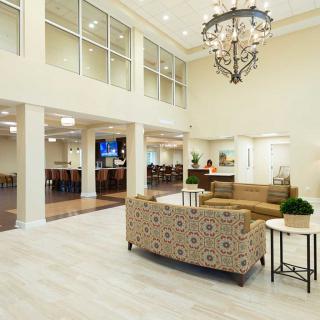
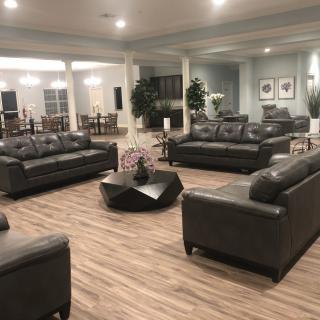
    • Indoor common areas Indoor common areasIndoor common areas are crucial for seniors as they provide a space for socialization, recreation, and community engagement, promoting overall well-being and reducing feelings of isolation and loneliness.
    • Kitchenette KitchenetteKitchenettes are important for seniors living in senior living communities because they provide the convenience and independence of being able to prepare simple meals and snacks in the comfort of their own living space. This can help promote a sense of autonomy and well-being for seniors, allowing them to maintain some level of control over their dietary choices and daily routines.
    • Move-in coordination Move-in coordinationMove-in coordination is important for seniors because it helps ease the transition into their new living environment. It ensures that all logistics, such as packing, organizing movers, and setting up utilities are taken care of, allowing seniors to focus on settling in and adjusting to their new home. Having a smooth move-in process can alleviate stress and anxiety, making the transition smoother and more enjoyable for seniors.
    • Outdoor space Outdoor spaceOutdoor spaces are important for seniors as they provide opportunities for physical activity, social interaction, exposure to natural light and fresh air, and a sense of connection to nature. Having access to outdoor spaces can improve overall well-being and quality of life for older adults living in senior communities.
    • Restaurant-style dining Restaurant-style diningRestaurant-style dining is important for seniors because it allows them to enjoy delicious, nutritious meals in a social and upscale setting. This enhances their dining experience, promotes healthy eating habits, and fosters socialization with fellow residents, ultimately contributing to their overall well-being and quality of life.
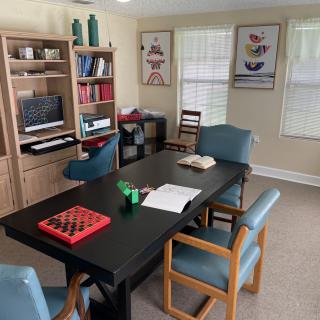
    • Small library Small librarySmall libraries are important for seniors as they provide access to a variety of reading materials, including books, newspapers, and magazines. This can help stimulate their minds, keep them engaged, and provide a sense of community through book clubs and other social activities. Additionally, reading has been shown to improve cognitive function and overall mental well-being in older adults.
    • Telephone TelephoneTelephones are important for seniors as they provide a lifeline for communication with loved ones, emergency services, and healthcare providers. They offer a sense of security and independence, enabling seniors to stay connected and access assistance when needed.
    • Wi-Fi/high-speed internet available Wi-Fi/high-speed internet availableWi-Fi/high-speed internet is important for seniors to stay connected with loved ones, access online resources, and participate in virtual activities to combat feelings of loneliness and isolation. It also allows them to easily manage healthcare needs, access entertainment, and engage in lifelong learning opportunities.

    Care Services

    • 24-hour call system 24-hour call system24-hour call systems are important for seniors because they provide peace of mind and immediate assistance in case of emergencies. This technology ensures that help is always available, promoting safety and security for elderly individuals living alone or in assisted living facilities.
    • 24-hour supervision 24-hour supervision24-hour supervision is important for seniors to ensure their safety, well-being, and access to immediate assistance in case of emergencies or health issues. This constant support provides peace of mind for both seniors and their loved ones, allowing them to age in place with dignity and security.
    • Activities of daily living assistance Activities of daily living assistanceActivities of daily living assistance are important for seniors because they provide essential support with tasks such as eating, bathing, dressing, and mobility. This assistance helps seniors maintain their independence, dignity, and overall quality of life as they age.
    • Ambulatory care Ambulatory care"Ambulatory care services provide essential medical support and treatment to seniors without requiring hospitalization, allowing them to maintain their independence and quality of life while managing chronic conditions or receiving routine medical care."
    • Assistance with bathing Assistance with bathingAssistance with bathing is crucial for seniors as it helps maintain personal hygiene, prevents infections, and ensures their overall well-being and comfort. It also provides a sense of dignity and independence for seniors who may struggle with this task on their own.
    • Assistance with dressing Assistance with dressingAssistance with dressing is important for seniors because it helps maintain their independence, promotes personal hygiene, prevents accidents and injuries, and improves overall quality of life. This service ensures that seniors can continue to dress comfortably and confidently, despite any physical limitations they may have.
    • Assistance with transfers Assistance with transfersAssistance with transfers is crucial for seniors as it helps prevent falls and injuries, maintains their independence, and ensures they can safely navigate their living environment. It also provides peace of mind for both seniors and their loved ones.
    • Diabetes diet Diabetes dietA diabetes diet is crucial for seniors as it helps manage blood sugar levels, reduce risks of complications, and improve overall health and well-being. By following a balanced and nutritious diet tailored to their specific needs, seniors can better control their diabetes and enhance their quality of life.
    • Diabetic care Diabetic careDiabetic care is crucial for seniors as they are more susceptible to developing diabetes due to aging and other health conditions. Proper management of diabetes can help prevent complications such as heart disease, vision loss, and nerve damage, improving the overall quality of life for seniors in senior living communities.
    • Meal preparation and service Meal preparation and serviceMeal preparation and service are crucial for seniors as they may have limited mobility or energy to cook nutritious meals. Having access to healthy and convenient food options can ensure they are getting the proper nutrition needed to maintain their overall health and well-being.
    • Medication management Medication managementMedication management is crucial for seniors to ensure they are taking the right medications at the correct dosages and times. This helps prevent adverse drug interactions, reduces the risk of medication errors, and promotes overall health and well-being. Proactive management also allows for adjustments as needed based on changing health conditions or new prescriptions.
    • Mental wellness program Mental wellness programMental wellness programs are essential for seniors as they promote cognitive stimulation, emotional support, and social engagement. These programs help prevent isolation, depression, and cognitive decline, ultimately enhancing the overall quality of life for older adults.
    • Special dietary restrictions Special dietary restrictionsSpecial dietary restrictions are important for seniors because age-related changes in metabolism and health conditions can make it difficult for their bodies to process certain foods. By following a diet tailored to their specific needs, seniors can maintain their overall health and well-being, manage chronic conditions, and reduce the risk of complications such as malnutrition or food interactions with medications.

    Dining

    • Diabetes diet Diabetes dietA diabetes diet is crucial for seniors as it helps manage blood sugar levels, reduce risks of complications, and improve overall health and well-being. By following a balanced and nutritious diet tailored to their specific needs, seniors can better control their diabetes and enhance their quality of life.
    • Meals provided Meals provided"Meals provided" are crucial for seniors in assisted living communities as it ensures they have access to nutritious, balanced meals without the stress of meal planning and preparation. This can help promote overall health and well-being for seniors who may have limited mobility or cognitive abilities.
    • Special dietary restrictions Special dietary restrictionsSpecial dietary restrictions are important for seniors because age-related changes in metabolism and health conditions can make it difficult for their bodies to process certain foods. By following a diet tailored to their specific needs, seniors can maintain their overall health and well-being, manage chronic conditions, and reduce the risk of complications such as malnutrition or food interactions with medications.

    Activities

    • Activities off-site Activities off-siteActivities off-site are crucial for seniors as they provide opportunities for socialization, mental stimulation, and physical activity outside of their usual routine. This helps combat feelings of isolation and boredom, promotes overall well-being, and allows seniors to remain engaged in the community.
    • Activities on-site Activities on-siteActivities on-site are important for seniors because they provide opportunities for socialization, mental stimulation, physical activity, and overall well-being. Engaging in activities can help seniors stay active, maintain their independence, and improve their quality of life.
    • Community-sponsored activities Community-sponsored activitiesCommunity-sponsored activities are important for seniors as they provide opportunities for social interaction, mental stimulation, and physical activity. These activities can help improve overall well-being, combat loneliness and isolation, and promote a sense of belonging and purpose among older adults.
    • Devotional activities offsite Devotional activities offsiteDevotional activities offsite are important for seniors because they provide social engagement, spiritual growth, and a sense of community outside of their living environment. This can improve overall well-being, mental health, and combat feelings of isolation or loneliness.
    • Resident-run activities Resident-run activitiesResident-run activities are important for seniors as they encourage social interaction, creativity, and a sense of autonomy. These activities empower seniors to stay engaged and active in their community while fostering meaningful connections with their peers.
    • Scheduled daily activities Scheduled daily activitiesScheduled daily activities are important for seniors because they provide structure, socialization, mental stimulation, and physical activity. Engaging in regular activities can improve overall well-being and quality of life for seniors living in a community setting.

    Languages Spoken

    • English EnglishEnglish is important for seniors as it allows them to communicate effectively with healthcare providers, understand important information related to their health and medications, stay connected with loved ones, and engage in social activities within their communities. It also opens up opportunities for lifelong learning and intellectual stimulation.
    • French FrenchFrench culture and language can provide a sense of familiarity and comfort for seniors, especially those with a French background. It can also offer opportunities for socialization, cognitive stimulation, and connection to their heritage in a senior living community.
    • Spanish SpanishSpanish is an important language for seniors because it allows them to communicate effectively with caregivers, medical professionals, and others in their community who may speak Spanish as their primary language. It also provides opportunities for cultural enrichment and social connections.

    Description

    Pine Crest Manor is an assisted living community located in Middleburg, FL. Our community offers respite care services, providing temporary relief to caregivers and a safe and comfortable environment for their loved ones.

    At Pine Crest Manor, we prioritize the well-being and independence of our residents while offering a range of amenities to enhance their daily lives. Our residents can enjoy visiting the beauty salon on-site to take care of their grooming needs, relax in front of cable or satellite TV, or participate in devotional services off-site.

    Residents can gather and socialize with other residents in our dining room, which offers restaurant-style dining. Our spacious indoor common areas provide a cozy environment for reading in the small library or making use of Wi-Fi/high-speed internet connection.

    Our fully furnished accommodations are complete with a kitchenette for those who prefer to prepare meals on their own. Housekeeping services ensure that residents can enjoy a clean and tidy living space every day.

    We offer various care services to meet our residents' individual needs. With 24-hour supervision, on-site activities, assistance with activities of daily living, bathing, dressing, and transfers; residents can feel confident that they have support whenever needed. We also provide diabetes care including specialized diets and medication management as well as mental wellness programs.

    Meals are provided at Pine Crest Manor, taking into consideration any special dietary restrictions that our residents may have.

    Engaging activities are an important part of life at our community. Residents can participate in on-site activities organized by us or attend community-sponsored activities within the surrounding area. Devotional activities off-site cater to spiritual needs, while resident-run activities allow them to take charge of planning events according to their interests.

    Our staff members speak French and Spanish in addition to English, ensuring effective communication with all residents.

    Pine Crest Manor is conveniently located near 2 cafes and 21 restaurants which offer additional dining options for residents who wish to explore the local cuisine. 10 pharmacies in the vicinity ensure convenient access to medications, while 6 physicians nearby provide easy access for medical care. In case of emergencies, 3 hospitals are also located close to our community.

    We strive to create a warm and welcoming environment at Pine Crest Manor, where residents can embrace their independence while receiving the support they need.

    Nearby Places of Interest

    Physicians

    • Doctors Inlet Pediatrics And Primary Care (1.1 miles)
    • First Choice Medical Care (1.1 miles)
    • South Clay Medical (2.1 miles)
    • Millennium Physician Group (2.1 miles)
    • Southeast Orthopedic Specialists - Clay Clinic (2.3 miles)
    • North Florida Surgeons, Charles E. Stankard, MD FACS (2.3 miles)
    • Baptist Health (5.3 miles)

    Pharmacies

    • Top Care Pharmacy (1.1 miles)
    • Winn-Dixie (1.3 miles)
    • Medplus Pharmacy (2.1 miles)
    • Walmart Pharmacy (2.8 miles)
    • CVS Pharmacy (3 miles)
    • Walgreens (4 miles)
    • Winn-Dixie (4.1 miles)

    Restaurants

    • McDonald's (1.1 miles)
    • Chick-Fil-A (1.8 miles)
    • McDonald's (2.1 miles)
    • Grumpy’s (2.1 miles)
    • Panda Express (2.8 miles)
    • Whitey’s Fish Camp (2.9 miles)
    • Sonic Drive-In (2.9 miles)

    Hospitals

    • DaVita Clay County Dialysis (2 miles)
    • St Vincent's Medical Center Clay County (2.3 miles)
    • St Vincent's Healthcare (2.3 miles)
    • Fleming Island Surgery Center (5.5 miles)

    Cafes

    • Panera Bread (3.8 miles)
    • Starbucks (4 miles)
    • Panera Bread (5.1 miles)
    • Starbucks (6.6 miles)
    • The Urban Bean Coffeehouse Cafe (7 miles)
    • Starbucks (7 miles)

    Theaters

    • New Vision Theatres Fleming Island 12 (4.8 miles)
    • AMC Orange Park 24 (6.6 miles)

    Parks

    • Moccasin Slough Park (5.7 miles)
    • Clarke House Park (6.3 miles)

    Places of Worship

    • Sacred Heart Catholic Church (5.8 miles)

    Frequently Asked Questions

    Where is Pine Crest Manor?

    Nearby Communities

    • Quality Care of Florida Inc II

      Quality Care of Florida Inc II

      Orange Park, FL


      pro Excellent proximity to pharmacies, physicians, restaurants, and hospitals.

    • Quality Care Of Florida

      Quality Care Of Florida

      Orange Park, FL

      4 from 5 reviews
      $3,500 to $4,550 / month

      pro Open, compassionate administration with attentive staff and a recently renovated, small-format setting.

    • Canterfield of Jacksonville

      Canterfield of Jacksonville

      Middleburg, FL

      3.8 from 12 reviews
      $3,350 to $7,350 / month

      pro Clean, beautiful facility with caring staff and engaging activities.

    • Home Care Assisted Living

      Home Care Assisted Living

      Orange Park, FL

       
      $3,000 to $4,500 / month

      pro Small, intimate 8-bed community with memory care options and comprehensive support (transportation, meals, housekeeping, mental wellness).

    • Canterfield of Clay County

      Canterfield of Clay County

      Middleburg, FL

      4.7 from 30 reviews
       

      pro Elegant, modern community with extensive amenities and a robust activity program that promotes social engagement.

    • Home Instead

      Home Instead

      Orange Park, FL

      4.3 from 11 reviews
       

      pro Compassionate, professional caregivers with responsive central office.

    • Seagrass Village Of Fleming Island

      Seagrass Village Of Fleming Island

      Fleming Island, FL


      pro Comprehensive memory care program and extensive on-site amenities.

    • Seagrass Village of Fleming Island

      Seagrass Village of Fleming Island

      Fleming Island, FL

      4.4 from 77 reviews
      $4,325 to $5,500 / month

      pro Apartment-like setting with friendly staff and active social programs.

    • Silver Treasures At Orange Park

      Silver Treasures At Orange Park

      Orange Park, FL

      4.3 from 19 reviews
      $3,285 to $5,475 / month

      pro Warm, attentive staff in a clean, safe, small community with personalized care and good meals.

    Related Resources

    • assisted living costUnderstanding the True Cost of Assisted Living in 2025: A Comprehensive Guide

      Assisted living in 2025 offers a crucial balance of independence and support for seniors, with costs varying from $2,500 to over $7,000 per month based on factors such as location and care level. Understanding pricing complexities, including regional differences and potential hidden fees, is essential for families to plan financially while ensuring quality care for their loved ones.

    • does medicaid pay for assisted livingUnderstanding Medicaid Coverage for Assisted Living: A Comprehensive Guide

      The guide outlines the complexities of Medicaid coverage for assisted living, highlighting significant state-to-state variations, limited coverage often restricted to personal care services, and the existence of specialized waivers for certain needs like memory care. It advises families to consult local Medicaid offices for options while emphasizing the importance of understanding state-specific regulations and facility policies.

    • does medicaid pay for assisted livingHow and When Medicaid May Cover Assisted Living Costs

      Medicaid coverage for assisted living varies by state and is primarily available to low-income individuals, with eligibility dependent on strict income and asset limits. Some states offer HCBS waivers for specific services in assisted living, but families must generally cover room and board costs, and should verify facility acceptance of Medicaid while considering potential waiting lists.


    Get Pricing Ask A Question Schedule A Tour Contact Senior Advisor