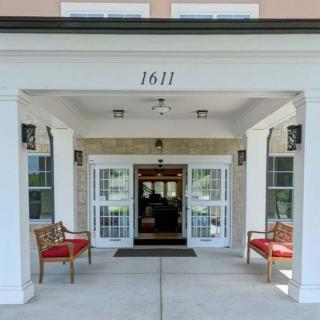
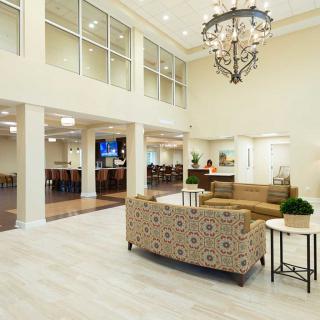
Middleburg Assisted Living Facility in Middleburg, FL

Information last verified:

4192 Clove Street, Middleburg, FL 32068

For more information about senior living options: (844) 490-3973

4.3 from 109 reviews
5 stars
90
4 stars
1
3 stars
0
2 stars
2
1 stars
16

Overall Review of Middleburg Assisted Living Facility

Pros

  • pro The staff are compassionate, knowledgeable, and dedicated to residents.
  • pro The facility is exceptionally clean, well maintained, and welcoming.
  • pro The DON Sierra is a caring leader who oversees an elite clinical team.
  • pro Families receive excellent communication and timely updates on residents’ care.
  • pro Private rooms with en-suite baths and beautiful outdoor spaces enhance comfort.
  • pro The physical, occupational, and speech therapy teams are highly skilled and patient-centered.
  • pro Administration and admissions staff are responsive and supportive.

Cons

  • pro The facility was incredibly understaffed, leaving patients to receive only basic care.
  • pro Residents were left in soiled clothing for over 36 hours.
  • pro Hygiene care was non-existent, resulting in sores and a significant fungal infection.
  • pro A patient was discharged while suffering from C. Diff, pneumonia, and a UTI with no care instructions given.
  • pro They transported a patient in an unair-conditioned van in 107-degree heat.
  • pro Management was described as horrible and unprofessional by multiple reviewers.
  • pro There was no doctor on staff full-time, leading to delayed medical input.
  • pro They refused to refund prepaid payments after the resident's death.
  • pro The meals were disgusting and inedible.

Review

This community is best suited for families prioritizing aggressive rehabilitation and a pristine, hospital-like environment where private rooms and a highly visible therapy team are the centerpiece. It excels when the goal is post-acute recovery, wound management, and return-to-function through physical, occupational, and speech therapy delivered by experienced clinicians. For residents who can advocate for themselves or with steady family involvement, the facility’s clean, well-maintained setting and proactive rehab culture can yield meaningful gains in a relatively short window. It is particularly attractive to those who value a bright, welcoming atmosphere, clear routines, and a care team that is consistently described as skilled and compassionate. However, this strength becomes less decisive for individuals who require constant supervision, complex long-term medical management, or sustained attention to daily living tasks.

Those confronting the decision should explicitly consider alternatives if long-term care, continuous monitoring, or high-stakes medical escalation are the primary needs. Several reviews flag understaffing and uneven responsiveness as persistent risks, especially for residents with significant mobility limits or diabetes, where delays in care can translate into serious complications. Families whose loved ones cannot articulate needs, or who rely on rapid medical assessment and urgent escalation, may want to compare other options with more predictable nurse-to-patient ratios and a more uniformly available leadership structure. In short, the facility can deliver excellent rehabilitation and comfort, but it may not consistently meet the demands of residents who require round-the-clock vigilance and aggressive, ongoing medical oversight.

The strongest positives center on therapy quality, cleanliness, and overall atmosphere. The rehab team receives frequent praise for polishing functional gains, with therapists, nurses, and aides often described as dedicated, knowledgeable, and patient-centered. Private rooms and a consistently clean environment contribute to a sense of safety and dignity that many families highlight as a defining benefit. In addition, families report effective communication and care coordination among disciplines, from nursing and PT/OT to dietetics and social services. When a resident is engaged in therapy and rooms are well maintained, families often feel confident that the facility understands the rehabilitation trajectory and supports discharge planning. Yet these advantages must be weighed against the more frequent reports of care gaps that surface in non-acute, long-term contexts.

The main offsetting concerns cluster around staffing reliability, incident response, and consistency of daily care. Several reviews describe situations where urgent medical issues were not escalated promptly, or where basic daily needs, hygiene, repositioning, even timely meal delivery, were inconsistently attended. Instances of miscommunication, delayed investigations, and dissatisfaction with management have tempered otherwise glowing impressions. For families focused on rehabilitation, the pros can counterbalance these risks if the resident’s progress and safety plan are monitored closely and if families become active participants in daily care decisions. For those seeking steady, predictable long-term care, however, the gaps described by some critics cannot be dismissed and may diminish confidence in ongoing welfare.

To make a well-informed choice, prospective residents and their families should verify several practical considerations before move-in. Ask for current nurse-to-patient ratios on all shifts, and request a clear commitment to timely escalation of medical concerns, including access to a physician on-site or readily available telemedicine support. Inspect wound care procedures and infection control practices, given past reports of pressure injuries and related complications in some cases. Confirm capabilities such as dialysis in-house, and obtain a transparent care plan that outlines nutrition, therapy schedules, and daily hygiene routines. Finally, demand open lines of communication with leadership, including the director of nursing and admissions staff, and arrange unannounced visits to observe how call lights are answered and how emergencies are managed.

In the end, Middleburg Rehabilitation & Nursing Center is a compelling option for families who prioritize top-tier rehabilitation, a clean, caring environment, and a therapy-first approach. It often delivers outstanding short-term outcomes when staffing is robust and leadership is responsive. Yet the decision cannot ignore repeatedly reported concerns about staffing variability, timely medical escalation, and how long-term residents are supported day to day. For families who can maintain active oversight, insist on detailed staffing metrics, and require ongoing assurance of safety protocols, the facility can be a strong, even excellent, choice. For others, especially those needing constant supervision, complex chronic management, or highly consistent daily care, consider nearby options with a proven, steadier track record in 24/7 accountability and long-term stability. The prudent path is to visit, interview front-line staff and leaders, review recent quality data, and set a concrete care plan with escalation triggers before deciding.

Features

Housing

  • 8 resident community capacity 8 resident community capacity

Types of Care

  • Assisted Living Assisted LivingAssisted living facilities provide crucial support and care for seniors who may need help with daily tasks such as medication management, bathing, and meal preparation. These communities offer a safe and comfortable environment where seniors can maintain their independence while receiving the assistance they need to thrive in their golden years.
  • Board and Care Home Board and Care HomeBoard and care homes provide a smaller, more intimate setting for seniors who require assistance with daily tasks but do not need the level of care offered by a nursing home. They offer personalized care, meals, and social activities in a homelike environment, ensuring that seniors receive individualized attention and support in their golden years.
  • Respite Care Respite CareRespite care provides temporary relief for caregivers, allowing them to recharge and attend to their own needs. It also gives seniors the opportunity to socialize, receive professional care, and experience a change of scenery, promoting overall well-being and reducing feelings of isolation.

Amenities

  • Cable or satellite TV Cable or satellite TVCable or satellite TV is important for seniors because it provides entertainment, news, and companionship, helping to combat loneliness and boredom. It also offers a wide range of programming options tailored to different interests and preferences.
  • Dining room Dining roomDining rooms are important for seniors as they provide a space for socialization, connection, and nutritious meals. They offer opportunities for residents to bond over shared meals, foster a sense of community, and promote healthy eating habits. Dining rooms also ensure that seniors have access to well-balanced meals tailored to their dietary needs and preferences.
  • Fully furnished Fully furnishedFully furnished senior living communities are important for seniors because they provide convenience, comfort, and a hassle-free moving experience. Seniors can easily settle into their new living space without the stress of having to buy and move furniture. This allows them to focus on enjoying their new home and community.
  • Garden GardenGardens are important for seniors as they provide a peaceful and therapeutic environment for relaxation, physical activity, and socialization. Being in nature has been shown to reduce stress, improve mood, and promote overall well-being. Gardens also offer opportunities for seniors to engage in gardening activities, which can improve mobility, flexibility, and cognitive function. Additionally, gardens create a sense of community and connection with others who share a passion for plants and outdoor spaces.
  • Housekeeping services Housekeeping servicesHousekeeping services are important for seniors because they help maintain a clean and safe living environment, promote independence, and reduce the risk of accidents or illnesses. Additionally, having assistance with household chores can alleviate physical strain and allow seniors to focus on other aspects of their well-being.
  • Move-in coordination Move-in coordinationMove-in coordination is important for seniors because it helps ease the transition into their new living environment. It ensures that all logistics, such as packing, organizing movers, and setting up utilities are taken care of, allowing seniors to focus on settling in and adjusting to their new home. Having a smooth move-in process can alleviate stress and anxiety, making the transition smoother and more enjoyable for seniors.
  • Outdoor space Outdoor spaceOutdoor spaces are important for seniors as they provide opportunities for physical activity, social interaction, exposure to natural light and fresh air, and a sense of connection to nature. Having access to outdoor spaces can improve overall well-being and quality of life for older adults living in senior communities.
  • Telephone TelephoneTelephones are important for seniors as they provide a lifeline for communication with loved ones, emergency services, and healthcare providers. They offer a sense of security and independence, enabling seniors to stay connected and access assistance when needed.
  • Wi-Fi/high-speed internet available Wi-Fi/high-speed internet availableWi-Fi/high-speed internet is important for seniors to stay connected with loved ones, access online resources, and participate in virtual activities to combat feelings of loneliness and isolation. It also allows them to easily manage healthcare needs, access entertainment, and engage in lifelong learning opportunities.

Care Services

  • 24-hour supervision 24-hour supervision24-hour supervision is important for seniors to ensure their safety, well-being, and access to immediate assistance in case of emergencies or health issues. This constant support provides peace of mind for both seniors and their loved ones, allowing them to age in place with dignity and security.
  • Activities of daily living assistance Activities of daily living assistanceActivities of daily living assistance are important for seniors because they provide essential support with tasks such as eating, bathing, dressing, and mobility. This assistance helps seniors maintain their independence, dignity, and overall quality of life as they age.
  • Assistance with bathing Assistance with bathingAssistance with bathing is crucial for seniors as it helps maintain personal hygiene, prevents infections, and ensures their overall well-being and comfort. It also provides a sense of dignity and independence for seniors who may struggle with this task on their own.
  • Assistance with dressing Assistance with dressingAssistance with dressing is important for seniors because it helps maintain their independence, promotes personal hygiene, prevents accidents and injuries, and improves overall quality of life. This service ensures that seniors can continue to dress comfortably and confidently, despite any physical limitations they may have.
  • Assistance with transfers Assistance with transfersAssistance with transfers is crucial for seniors as it helps prevent falls and injuries, maintains their independence, and ensures they can safely navigate their living environment. It also provides peace of mind for both seniors and their loved ones.
  • Coordination with health care providers Coordination with health care providersCoordination with health care providers is crucial for seniors to ensure proper medical care, medication management, and overall well-being. This collaboration helps prevent overlapping treatments, track progress more effectively, and provide comprehensive support tailored to individual needs.
  • Diabetes diet Diabetes dietA diabetes diet is crucial for seniors as it helps manage blood sugar levels, reduce risks of complications, and improve overall health and well-being. By following a balanced and nutritious diet tailored to their specific needs, seniors can better control their diabetes and enhance their quality of life.
  • Meal preparation and service Meal preparation and serviceMeal preparation and service are crucial for seniors as they may have limited mobility or energy to cook nutritious meals. Having access to healthy and convenient food options can ensure they are getting the proper nutrition needed to maintain their overall health and well-being.
  • Medication management Medication managementMedication management is crucial for seniors to ensure they are taking the right medications at the correct dosages and times. This helps prevent adverse drug interactions, reduces the risk of medication errors, and promotes overall health and well-being. Proactive management also allows for adjustments as needed based on changing health conditions or new prescriptions.
  • Special dietary restrictions Special dietary restrictionsSpecial dietary restrictions are important for seniors because age-related changes in metabolism and health conditions can make it difficult for their bodies to process certain foods. By following a diet tailored to their specific needs, seniors can maintain their overall health and well-being, manage chronic conditions, and reduce the risk of complications such as malnutrition or food interactions with medications.
  • Transportation arrangement (medical) Transportation arrangement (medical)Transportation arrangements for medical purposes are essential for seniors as they may have difficulty driving themselves to appointments or accessing public transportation. Having reliable and safe transportation options ensures that seniors can receive timely medical care and maintain their health and well-being.
  • Transportation to doctors appointments Transportation to doctors appointmentsTransportation to doctors' appointments is crucial for seniors as it ensures they have access to necessary medical care and support for their health needs. Without reliable transportation, seniors may struggle to attend important appointments, leading to potential delays in treatment and health complications. Providing transportation services helps seniors maintain their overall well-being and quality of life.
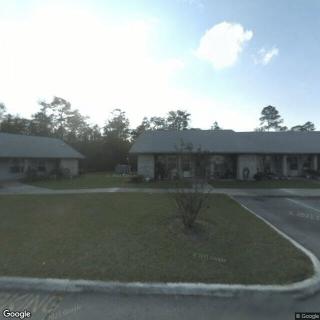
Dining

  • Diabetes diet Diabetes dietA diabetes diet is crucial for seniors as it helps manage blood sugar levels, reduce risks of complications, and improve overall health and well-being. By following a balanced and nutritious diet tailored to their specific needs, seniors can better control their diabetes and enhance their quality of life.
  • Special dietary restrictions Special dietary restrictionsSpecial dietary restrictions are important for seniors because age-related changes in metabolism and health conditions can make it difficult for their bodies to process certain foods. By following a diet tailored to their specific needs, seniors can maintain their overall health and well-being, manage chronic conditions, and reduce the risk of complications such as malnutrition or food interactions with medications.

Activities

  • Community-sponsored activities Community-sponsored activitiesCommunity-sponsored activities are important for seniors as they provide opportunities for social interaction, mental stimulation, and physical activity. These activities can help improve overall well-being, combat loneliness and isolation, and promote a sense of belonging and purpose among older adults.
  • Scheduled daily activities Scheduled daily activitiesScheduled daily activities are important for seniors because they provide structure, socialization, mental stimulation, and physical activity. Engaging in regular activities can improve overall well-being and quality of life for seniors living in a community setting.

Description

Middleburg Assisted Living Facility in Middleburg, FL is a welcoming and comfortable community that provides exceptional care for seniors in need of assistance with daily living. Our facility offers both board and care home options, as well as respite care for those requiring short-term stays.

Residents at Middleburg Assisted Living Facility enjoy a variety of amenities to enhance their quality of life. Our dining room provides nutritious meals prepared and served by our professional staff, taking into account any special dietary restrictions residents may have. Each room is fully furnished, ensuring a cozy and convenient living space. Our beautiful garden and outdoor space provide opportunities for residents to relax, socialize, and enjoy the fresh air. Housekeeping services are provided to maintain a clean and tidy environment for all.

At Middleburg Assisted Living Facility, we prioritize the health and well-being of our residents. Our dedicated staff assists with activities of daily living, such as bathing, dressing, and transfers, ensuring that each resident receives the appropriate level of support they require. We also coordinate with health care providers to ensure that all medical needs are met effectively. For individuals with diabetes or other specific dietary requirements, we offer specialized meal preparation and coordination.

Transportation arrangements are made for medical appointments to ensure residents can easily access necessary healthcare services. Additionally, various daily activities are scheduled to engage residents socially and intellectually.

Our prime location in Middleburg grants easy access to nearby pharmacies, physicians' offices, and restaurants. This convenience adds an extra layer of comfort and accessibility for both residents and their families.

Middleburg Assisted Living Facility is committed to providing exceptional care in a warm and inviting environment. With a range of amenities, comprehensive care services, nutritious dining options tailored to individual needs, engaging activities, and nearby resources, we strive to create an enriching experience for each resident who joins our community.

Nearby Places of Interest

Physicians

  • Middleburg Pediatrics (1.8 miles)
  • Family Practice Assoc of Orange Park (1.9 miles)
  • Millennium Physician Group (5.5 miles)
  • South Clay Medical (5.5 miles)
  • North Florida Surgeons, Charles E. Stankard, MD FACS (6.1 miles)
  • Southeast Orthopedic Specialists - Clay Clinic (6.1 miles)
  • Doctors Inlet Pediatrics And Primary Care (8.1 miles)

Pharmacies

  • Winn-Dixie (2.1 miles)
  • Winn-Dixie (4.4 miles)
  • Medplus Pharmacy (6 miles)
  • Winn-Dixie (7.9 miles)
  • Top Care Pharmacy (8.1 miles)
  • Walmart Pharmacy (9.9 miles)
  • CVS Pharmacy (10.1 miles)

Restaurants

  • Domino's Pizza (2.3 miles)
  • McDonald's (3 miles)
  • Grumpy’s (5.9 miles)
  • Chick-Fil-A (6.2 miles)
  • McDonald's (7.8 miles)
  • McDonald's (9.1 miles)
  • Whitey’s Fish Camp (9.3 miles)

Places of Worship

  • Clay Hill Church of God (5.5 miles)
  • Southern Baptist Convention (9.2 miles)
  • Southern Baptist Convention (9.7 miles)
  • Sacred Heart Catholic Church (10.3 miles)
  • Lawtey Church of Christ (11.4 miles)
  • First Baptist Church of Lawtey (11.8 miles)

Transportation

  • U-Haul Moving & Storage (5.8 miles)

Hospitals

  • St Vincent's Medical Center Clay County (6 miles)
  • DaVita Clay County Dialysis (6.1 miles)
  • St Vincent's Healthcare (6.1 miles)
  • Fleming Island Surgery Center (11.5 miles)

Theaters

  • New Vision Theatres Fleming Island 12 (10.9 miles)

Cafes

  • Panera Bread (10.9 miles)
  • Starbucks (11.1 miles)
  • Panera Bread (11.3 miles)
  • Starbucks (11.7 miles)

Parks

  • Moccasin Slough Park (12.3 miles)

Frequently Asked Questions

Where is Middleburg Assisted Living Facility?

Nearby Communities

  • Briarwood Apartments

    Briarwood Apartments

    Middleburg, FL

    2.8 from 16 reviews
    $3,100 to $3,950 / month

    pro Private independent apartments with basic safety features.


  • Bill's Place

    Bill's Place

    Middleburg, FL

    3.7 from 3 reviews
    $2,000 / month

    pro Friendly staff, clean environment, good value, and engaging activities.

  • Freedom at Azalea Ridge

    Freedom at Azalea Ridge

    Middleburg, FL


    pro Comprehensive amenities and care (Wi-Fi, meal service, medication management) with nearby pharmacies and hospitals.

  • Canterfield of Clay County

    Canterfield of Clay County

    Middleburg, FL

    4.7 from 31 reviews
     

    pro Elegant, modern community with extensive amenities and a robust activity program that promotes social engagement.

  • Canterfield of Jacksonville

    Canterfield of Jacksonville

    Middleburg, FL

    3.8 from 12 reviews
    $3,350 to $7,350 / month

    pro Clean, beautiful facility with caring staff and engaging activities.

  • Pine Crest Manor

    Pine Crest Manor

    Middleburg, FL

    3.8 from 4 reviews
     

    pro Beautiful manicured grounds, engaging activities, and attentive staff near the metro area.

  • Seagrass Village Of Fleming Island

    Seagrass Village Of Fleming Island

    Fleming Island, FL

    4.2 from 42 reviews
     

    pro Comprehensive memory care program and extensive on-site amenities.

  • Benton House at Oakleaf

    Benton House at Oakleaf

    Jacksonville, FL

    4.5 from 94 reviews
    $4,050 to $4,500 / month

    pro Clean, home-like setting with attentive staff and strong family communication.

  • Seagrass Village of Fleming Island

    Seagrass Village of Fleming Island

    Fleming Island, FL

    4.4 from 79 reviews
    $4,325 to $5,500 / month

    pro Apartment-like setting with friendly staff and active social programs.

Related Resources

  • assisted living costUnderstanding the True Cost of Assisted Living in 2025: A Comprehensive Guide

    Assisted living in 2025 offers a crucial balance of independence and support for seniors, with costs varying from $2,500 to over $7,000 per month based on factors such as location and care level. Understanding pricing complexities, including regional differences and potential hidden fees, is essential for families to plan financially while ensuring quality care for their loved ones.

  • does medicaid pay for assisted livingUnderstanding Medicaid Coverage for Assisted Living: A Comprehensive Guide

    The guide outlines the complexities of Medicaid coverage for assisted living, highlighting significant state-to-state variations, limited coverage often restricted to personal care services, and the existence of specialized waivers for certain needs like memory care. It advises families to consult local Medicaid offices for options while emphasizing the importance of understanding state-specific regulations and facility policies.

  • does medicaid pay for assisted livingHow and When Medicaid May Cover Assisted Living Costs

    Medicaid coverage for assisted living varies by state and is primarily available to low-income individuals, with eligibility dependent on strict income and asset limits. Some states offer HCBS waivers for specific services in assisted living, but families must generally cover room and board costs, and should verify facility acceptance of Medicaid while considering potential waiting lists.