
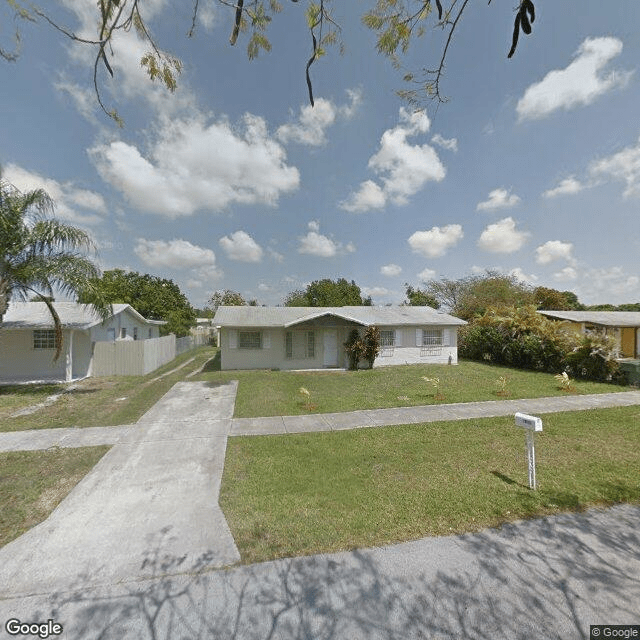
11539 SW 180 Street, Miami, FL 33157
For more information about senior living options: (866) 208-4318
Overall Review of Martha's Garden ALF
Pros
 Lizett Re runs a clean, organized, and well-maintained facility.
- She is hands-on, caring, and compassionate, often going above and beyond to ensure residents' well-being.
- Lizett is prompt at returning calls/texts and communicates issues to residents' families.
- The staff is attentive and trained to assist with daily activities like bathing, changing, and medication.
- Granny's Garden Home is owned and operated by Lizet and Jorge Re, and offers a warm, cozy environment with a welcoming staff.
- The owners and staff are described as compassionate, professional, and dedicated, providing dignified and loving attention to residents.
- The facility provides 24/7 caring, home-like support and treats residents with dignity and respect, with families expressing gratitude and willingness to recommend.
Cons
 What this lady is doing is wrong and pretty disgusting.
- This woman is conning people into paying more for a higher bidder.
- The reviewer hates having to leave negative reviews.
Review
Note: the reviews provided profile Granny’s Garden Home ALF in Miami, a small, owner-operated setting. The insights described there illuminate what a similar, family-led ALF can deliver. The following distills those experiences into practical guidance for families considering a comparable option, and uses that profile to frame what to expect from this kind of community.
Granny’s Garden Home ALF is best suited for families that prioritize intimate, dignified care over campus-scale amenities. The model works for seniors who want daily interactions with caregivers who feel like extended family and who value rapid, direct communication with the people in charge. The owners are front-and-center, hands-on, approachable, and genuinely invested in residents’ well-being. In this environment, routines can be individualized, staff members are trained to assist with daily activities such as bathing, dressing, and medications, and the atmosphere consistently emphasizes warmth and personal attention. Families report that the space feels like home, which is a powerful comfort when transition itself is fraught.
That said, some families may want to consider alternatives. The most obvious fit for those alternatives are seniors who require more structured medical oversight, a broader menu of clinical services, or a larger community with formalized programming and predictable, written pricing. If a resident needs robust memory care protocols, on-site therapy options, or a campus with extensive on-site specialties, a bigger operator or hospital-affiliated ALF may deliver greater breadth of services. Likewise, families who insist on near-term, fixed pricing with crystal-clear written terms may prefer providers whose agreements are less dependent on personal rapport and more on standardized, finance-led processes.
The strongest pros, cleanliness, organization, and a palpable culture of care, often offset potential drawbacks. The facility is described as well maintained, with staff who are attentive and capable of helping with daily activities and medical routines. The owners’ responsiveness stands out: calls and texts are returned promptly, and families feel consistently informed about any issues affecting residents. The care team’s compassion is repeatedly highlighted, with staff going above and beyond to protect residents’ dignity and comfort. The result is a trusted, home-like setting where residents are treated like family members, not just patients, and where that relational continuity translates into calmer days for both residents and their families.
Still, there is value in weighing a potential con against the overall experience. One negative rating exists among a spectrum of very positive testimonials, underscoring that no operation is flawless in every encounter. The broader message from the gathered experiences is that, in a small, owner-led environment, pricing and contractual clarity can be uneven in the broader market; therefore, prospective families should insist on written, itemized cost disclosures and ask detailed questions about what is included in monthly fees. When a community earns high marks for care quality, staff stability, and open communication, those financial cautions become more manageable, provided there is transparency and a plan for any future adjustments.
When visiting, families should observe several practical signals. Look for genuine interactions between staff and residents, and listen to how residents describe their daily routines. Verify how often leadership is visible on the floor and how quickly concerns are addressed. Inquire about meal quality, safety protocols, and the availability of personalized activities that honor the resident’s preferences. Ask about the staff-to-resident ratio, the process for updating care plans, and the mechanism for family communication. Above all, assess whether the environment feels intimate and well-ordered, and whether the owners’ commitment to dignity and continuity is evident in the day-to-day experience.
Bottom line: for families prioritizing warmth, personal attention, and a sense of belonging, a small, owner-operated ALF like Granny’s Garden Home ALF delivers the kind of care that can meaningfully ease the transition into assisted living. The strongest appeal is the combination of a homey atmosphere, highly engaged leadership, and a staff culture that treats residents with the care frail dignity deserve. If the aim is a broader service portfolio, stricter pricing guarantees, or a more clinical setting, then exploring larger operators or specialized communities is prudent. For those seeking genuine connection, transparent communication, and everyday compassion, this model remains a clear, practical top option in the Miami area.
 Board and Care Home
 Miami International (14 miles away)





 Comprehensive Exploration of Living Wills and Other Advance Directives
 A Detailed Exploration of Living Wills and Advance Directives
 Comprehensive Guide to Medicare Coverage for Hospice Care