
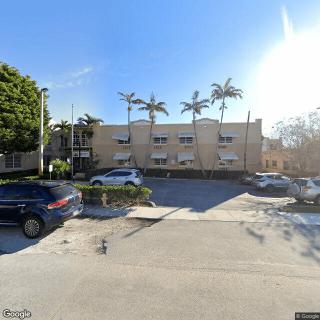
380 North West South River Drive, Miami, FL 33128
For more information about senior living options: (866) 208-4318
Overall Review of Loving Care Retirement Services
Pros
 The manager is excellent.
- So far, things are going well.
- The feedback is good.
Review
This community is best suited for seniors who want a small, home-like setting in Miami where the administrator is highly accessible and issues can be surfaced and addressed directly. The compact scale favors residents who prize personal attention, clear lines of communication, and a sense that concerns will be heard without going through layers of staff. For couples or individuals who enjoy a tight-knit atmosphere and prefer quick, straightforward problem-solving with a trusted manager, this environment can feel reassuring and manageable.
Those who may want to consider alternatives are primarily the residents with more complex medical needs or a desire for expansive programming. A larger community often offers broader staffing coverage, more diverse activity calendars, and greater availability of on-site services. If memory care, substantial medical oversight, or a wide range of social and recreational options are priorities, another facility with a bigger campus and more formalized programming could be a better fit.
The standout pro here is the leadership dynamic. A manager described as excellent creates a reliable single point of contact for questions, concerns, or reports about abuse or neglect, which is a meaningful safeguard for resident welfare. In a small setting, this leadership translates into faster decision-making, more consistent oversight, and a sense that the resident’s priorities guide daily operations. That personal accountability helps offset the potential limitation of a smaller staff and leaner operation.
That said, the main con inferred from the available information is the inherent limits of a small ALF. Fewer residents can mean fewer programmed activities, fewer specialized care options, and a quieter, more intimate social scene that may not satisfy someone seeking a bustling campus life. The strength of management does not entirely replace the benefits that come with scale: broader social opportunities, more comprehensive on-site services, and a wider pool of caregivers. Families weighing this option should measure whether a low-key, individualized approach aligns with the resident’s social needs and medical complexity.
To make a confident decision, prospective families should verify several practical details during a visit. Schedule time to meet the manager in person and observe how concerns are handled in real time. Inquire about staff availability across shifts, the process for escalating medical or safety issues, and a sample care plan that shows how daily living tasks are supported. Request a tour focused on meal service, safety features, and accessibility, and ask for recent references or resident/family feedback. Clarify pricing, what is included, and what could be added as needs evolve, so expectations stay aligned with reality.
In the end, this community serves a niche: a small, tightly run living environment where a capable manager can drive quality of care and rapid issue resolution. It is an excellent fit for residents who value direct access to leadership, a calm atmosphere, and a format that emphasizes individualized attention over breadth of programming. However, for families seeking robust social calendars, extensive medical support, or a large community with plentiful on-site amenities, alternatives should be explored. The prudent path is a targeted visit, honest discussion about needs, and a clear comparison of whether scale or intimacy better aligns with the resident’s long-term well-being.
 16 resident community capacity
 Assisted Living
 Board and Care Home
 Cable or satellite TV
 Dining room
 Fully furnished
 Garden
 Housekeeping services
 Move-in coordination
 Outdoor space
 Telephone
 Wi-Fi/high-speed internet available
 Miami International (5 miles away)
 24-hour supervision
 Activities of daily living assistance
 Assistance with bathing
 Assistance with dressing
 Assistance with transfers
 Diabetes diet
 Meal preparation and service
 Medication management
 Special dietary restrictions
 Transportation arrangement (medical)
 Transportation to doctors appointments







 When to Transition from Assisted Living to Memory Care: Key Indicators, Steps, and Finding the Right Community
 Assisted Living and Memory Care: Understanding Their Core Differences
 Beyond the Bingo Hall: 50+ Enriching Activities for Seniors in Assisted Living