
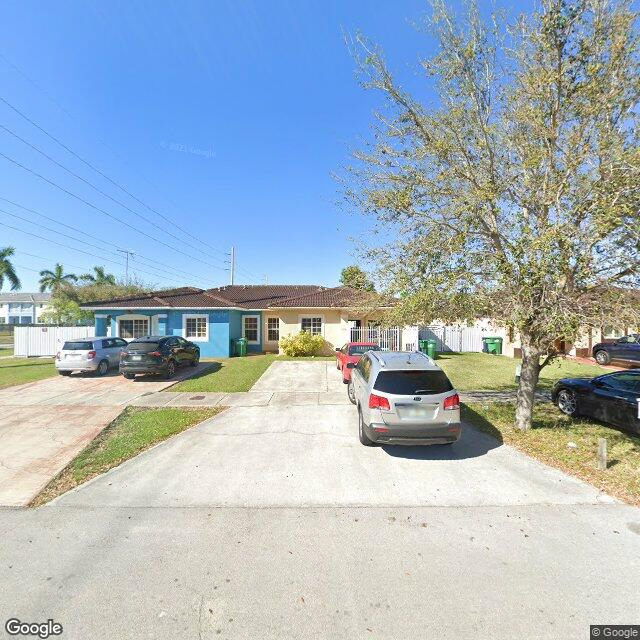
10681 South West 182Nd Street, Miami, FL 33157
For more information about senior living options: (866) 208-4318
Overall Review of Los Tres Milagros
Pros
 Los Tres Milagros feels warm, welcoming, and truly like home.
- It deeply honors Hispanic culture, with Spanish-speaking staff and authentic meals.
- The caregivers go above and beyond, treating every resident with respect, dignity, and cariño.
- They build genuine relationships, which makes all the difference.
- Residents thrive socially, emotionally, and physically.
- Music nights, cultural celebrations, and family events create a sense of inclusion and belonging.
- The team at Los Tres Milagros demonstrates compassion and dedication.
- The facility is highly recommended for families seeking care where loved ones feel understood and cared for.
Review
Los Tres Milagros in Miami is best suited for families who want a living environment that feels like a respectful, culturally rich home rather than a sterile care facility. The community excels for seniors who value social engagement and a sense of belonging, with daily life built around warmth, familial tone, and genuine connections. The care team speaks Spanish and embraces Hispanic traditions in practical ways, authentic meals that evoke familiar kitchens, music nights, and cultural celebrations that knit residents into an extended family. This is not simply about assistance; it is about being treated with cariño, dignity, and an ongoing sense of community. For families seeking a place where a loved one can thrive socially while receiving steady, attentive support, Los Tres Milagros stands out as a top option.
However, alternative choices deserve consideration for certain needs. If a resident requires a highly clinical setting, aggressive medical oversight, or specialized memory care with a broad clinical staff, larger facilities with more formal medical programming may be preferable. Those who prioritize English-only communication or a more neutral, non-cultural ambiance might also look elsewhere. In short, Los Tres Milagros delivers extraordinary cultural alignment and personal attention; it may not be the best fit for families who expect extensive hospital-grade services on-site, or for those who require a different cultural or linguistic environment for daily care.
On the strengths side, the atmosphere is consistently described as warm, welcoming, and home-like. The staff’s respect, affection, and consistent kindness create an environment where residents feel seen and valued. The Hispanic focus is not superficial; it shapes menus, celebrations, and daily interactions, which helps many loved ones reconnect with familiar routines and languages. The most meaningful proof is in outcomes: residents appear socially engaged, emotionally balanced, and physically steadier as a result of purposeful activity and relational care. The sense of family extends beyond staff and residents to visiting relatives who join in music nights and cultural events, reinforcing the idea that care is a shared, long-term commitment.
Caregivers here are described as going above and beyond, taking time with each resident, remembering personal histories, and creating meaningful rituals that foster belonging. The attention to each “little person” is highlighted repeatedly, with owners and staff receiving grateful notes from families. The quality of interactions translates into daily life: residents who might otherwise feel isolated experience social opportunities, gentle encouragement, and consistent warmth. The culinary component, fresh, culturally resonant meals, becomes a daily anchor of comfort and dignity. Cultural events, music, and family gatherings are not afterthoughts but central to the schedule, reinforcing a sense of continuity, pride, and identity for residents who otherwise face the disorienting realities of aging in a facility.
Despite a lack of explicit downsides in the reviews, the real trade-off is the facility’s singular strength: culture-forward, intimate care. This means less emphasis on a clinical hierarchy and perhaps fewer on-site specialists compared with larger networks. Yet the proof of offset is clear: families report thriving outcomes, deep trust in the owner’s hands-on approach, and a sense of security knowing care is delivered with genuine devotion. For many, the emotional and social dividends, consistent companionship, familiar language, and celebrated traditions, overcome what might be perceived as gaps in formal medical programming. In practical terms, this is a community where care is measured not only by tasks completed but by the quality of daily human contact.
Decision-ready families should prioritize Los Tres Milagros for a loved one who will flourish in a culturally resonant, home-like setting with tight-knit relationships. Before committing, observe staff interactions with residents, sample meals, and review how cultural events are organized and who leads them. Confirm that language needs align with staff capabilities and that the resident’s care plan can integrate social programming with any necessary medical oversight. If those elements align, Los Tres Milagros offers a compelling combination of warmth, dignity, and community, that rare blend that makes aging at home more achievable within a supportive, culturally faithful environment.
 6 resident community capacity
 Assisted Living
 Board and Care Home
 Cable or satellite TV
 Dining room
 Fully furnished
 Garden
 Housekeeping services
 Move-in coordination
 Outdoor space
 Telephone
 Wi-Fi/high-speed internet available
 Miami International (14 miles away)
 24-hour supervision
 Activities of daily living assistance
 Assistance with bathing
 Assistance with dressing
 Assistance with transfers
 Diabetes diet
 Meal preparation and service
 Medication management
 Special dietary restrictions
 Transportation arrangement (medical)
 Transportation to doctors appointments

 Understanding Medicaid Coverage for Assisted Living: A Comprehensive Guide
 How and When Medicaid May Cover Assisted Living Costs
 A Detailed Exploration of Assisted Living Medicaid Waivers Across the United States