17250 South West 137Th Avenue, Miami, FL 33177
For more information about senior living options: (866) 208-4318
Overall Review of Floridian Gardens Assisted Living Facility
Pros
 The facility consistently provides good floor maintenance.
- The Floridian team has gone above and beyond for residents, showing dedication, love, and proactive planning.
- The Floridian treats residents like family, delivering exceptional care that makes them feel at home and well cared for.
Cons
 The staff needed a few more patient aids.
- The reviewer was extremely disappointed by the management.
- Her grandmother was transferred to another nursing home and her belongings were never sent.
- Two suitcases full of clothes and memories disappeared.
- Management failed to follow up and investigate.
- The facility killed a relative.
- People should not put someone they love here.
Review
This community is best suited for families seeking a warm, home-like atmosphere where staff members strive to treat residents as family and where care relies heavily on teamwork and personalized planning. The environment appeals to those who value daily attentiveness, meaningful engagement, and a sense that staff are willing to go “above and beyond” to accommodate evolving needs. It is less ideal for families that require rock-solid, consistently flawless administrative operations or whose loved ones depend on rigorous, clinical oversight to prevent complications. In short, Floridian Gardens can deliver heartfelt caregiving and a familial vibe, but it comes with a caveat: the entrepreneurial, people-first approach must be matched by dependable management and reliable process discipline.
Families in search of alternatives should consider options with proven, transparent incident handling and stronger safeguarding of personal belongings, as well as facilities that demonstrate consistent administrative accountability. When a community cannot promptly address follow-up on investigations or safeguard resident possessions during transfers, the risk escalates for long-term disappointment. If reputational diligence, asset protection, and robust pursuit of resident welfare are non-negotiables, it may be prudent to explore other buildings with documented success in those arenas. Prospective residents who require intensive medical management or higher-stakes clinical monitoring may also want to compare facilities known for more stringent risk controls.
The strongest positives here revolve around staff devotion and a collaborative care culture. The team appears capable of crafting coordinated plans to meet individual challenges, and family members repeatedly describe a sense of genuine care and emotional warmth. When staff buy into a shared mission and maintain open lines of communication, residents experience continuity, comfort, and a feeling of belonging. The clean, orderly maintenance, particularly floor upkeep, contributes to a respectful living environment that supports safety in daily routines. These elements together create a foundation that can sustain quality care, especially in steady-state conditions or during less acute phases of aging.
Yet, the most consequential concerns center on management and safety lapses that several reviews flag as systemic. Allegations that belongings disappeared during a transfer and that follow-up never occurred point to gaps in accountability and communication at the administrative level. Even more troubling are accounts describing severe dehydration and multiple bedsores, culminating in hospitalization and a grim warning about the level of risk to vulnerable residents. These reports must not be dismissed as isolated anecdotes; they demand careful verification, candid conversations with leadership, and a concrete plan to prevent repetition. Any family considering Floridian Gardens should probe the management team’s incident resolution history, staffing stability, and how care plans are audited and adjusted in real time.
Operationally, the facility seems to contend with a misalignment between its strong interpersonal care and the practical realities of staff coverage and resource allocation. A note about needing more patient aides alongside consistently good floor maintenance hints at a broader staffing picture: enough presence to supervise activities, assist with ADLs, and monitor hydration and skin integrity without leaving residents underserved. The optimistic narratives about teamwork and personalized attention are compelling, but they must be supported by reliable staffing levels, timely follow-through on issues, and documented quality checks. In practical terms, families should request current staffing ratios, recent incident logs, and a clear escalation protocol that preserves resident dignity and safety in every shift.
For families ready to move forward, the decision hinges on a few targeted steps. First, visit with a clear checklist: observe staff interactions, ask to meet the administrator, and request the most recent quality metrics and any external survey results. Second, request direct conversations with current residents’ families about how concerns are handled and how quickly problems are resolved. Third, demand a concrete plan for preventing dehydration and preventing pressure injuries, including hydration protocols, skin-care regimens, and mandatory training refreshers for aides. If these safeguards and the operational transparency prove sturdy, Floridian Gardens can be a compelling choice for those seeking a compassionate, family-centered setting. If not, the prudent path is to choose a facility with a firmer track record in management accountability and clinical risk management.
 180 resident community capacity
 Assisted Living
 Respite Care
 Air-conditioning
 Beauty salon
 Cable or satellite TV
 Computer center
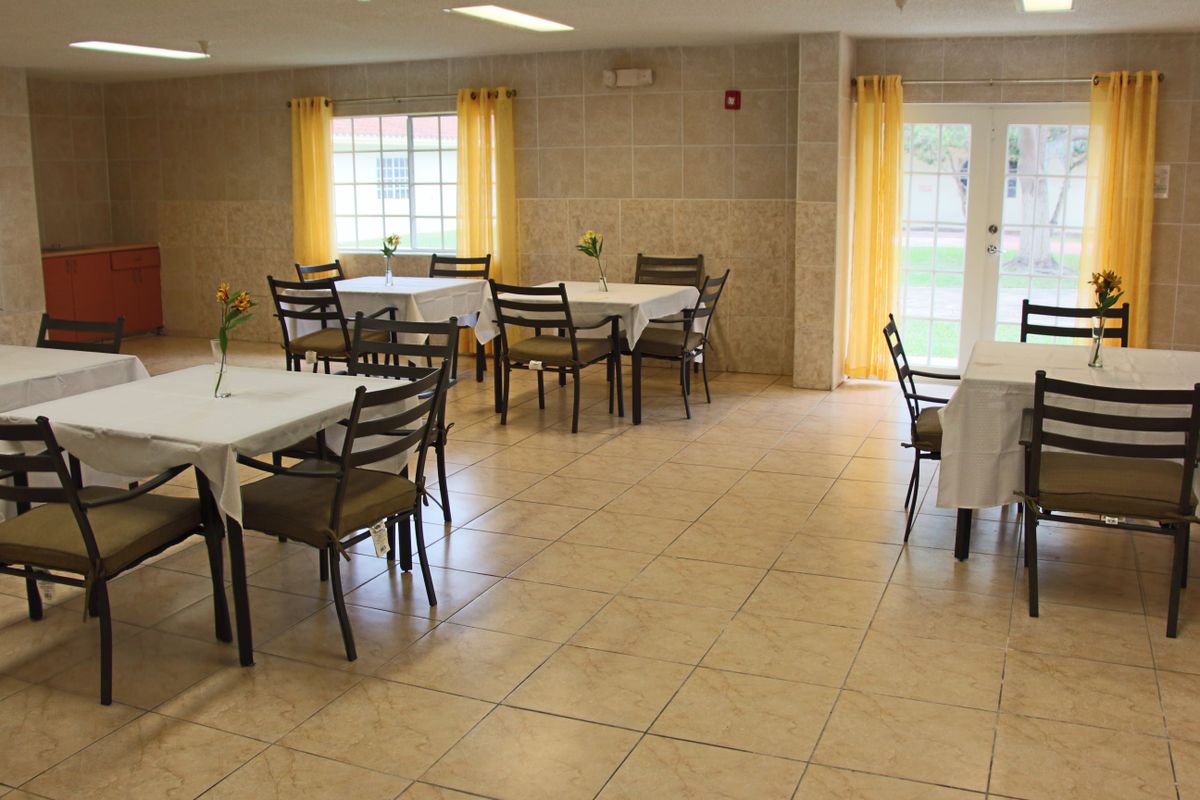
 Dining room
 Fitness room
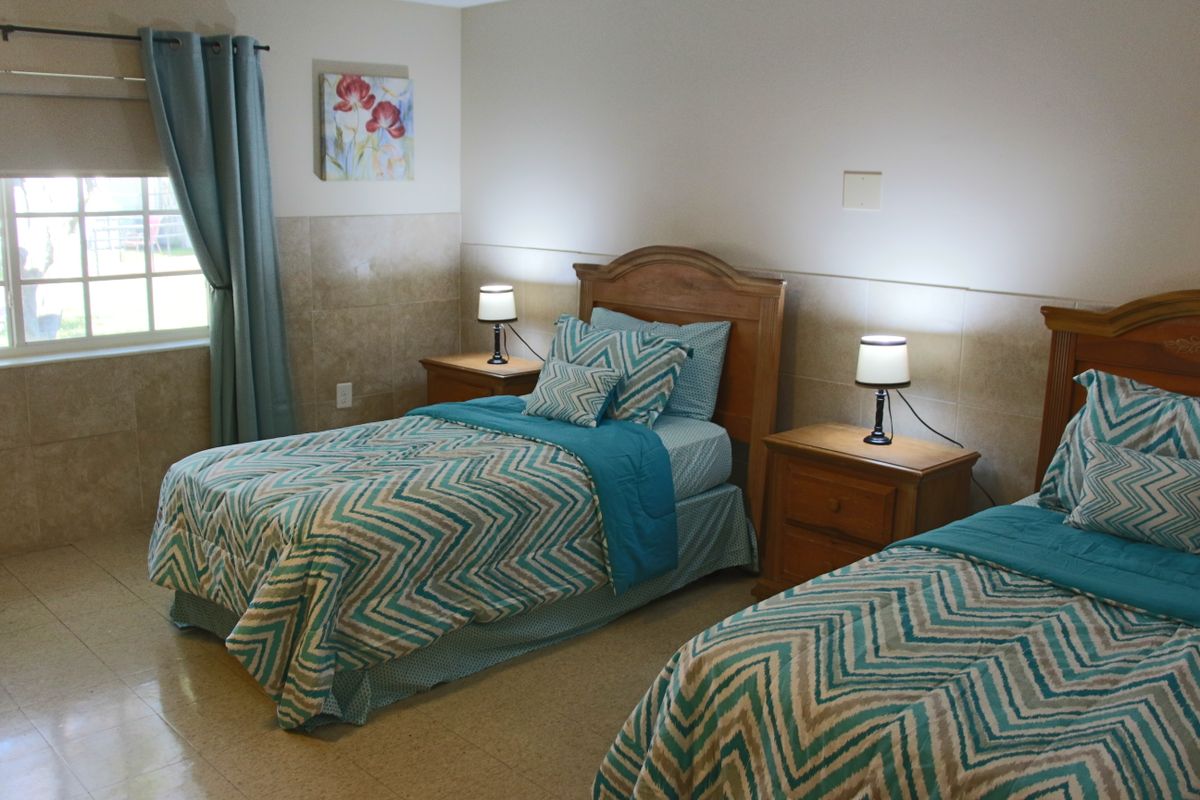
 Fully furnished
 Gaming room
 Garden
 Housekeeping services
 Kitchenette
 Move-in coordination
 Outdoor space
 Private bathrooms
 Restaurant-style dining
 Small library
 Telephone
 Wellness center
 Wi-Fi/high-speed internet available
 Miami International (15 miles away)
 Community operated transportation
 12-16 hour nursing
 24-hour call system
 Activities of daily living assistance
 Assistance with bathing
 Assistance with dressing
 Assistance with transfers
 Diabetes diet
 Medication management
 Mental wellness program
 Special dietary restrictions
 Concierge services
 Planned day trips


 Understanding Medicaid Coverage for Assisted Living: A Comprehensive Guide
 How and When Medicaid May Cover Assisted Living Costs
 A Detailed Exploration of Assisted Living Medicaid Waivers Across the United States