1270 North East 174 Street, Miami, FL 33162
For more information about senior living options: (866) 208-4318
Flamingo Care Costs & Pricing
Flamingo Care offers competitive pricing for its services within both Miami-Dade County and the broader Florida market. For a semi-private room, the cost at Flamingo Care is set at $2,600 per month, which is notably higher than the county average of $2,250 but remains more affordable compared to the state average of $3,009. This positioning suggests a strategic focus on quality service while maintaining good value locally. In contrast, the private room option at Flamingo Care costs $5,000 per month; this rate significantly exceeds both the Miami-Dade County average of $3,304 and the state average of $3,699. This disparity may reflect enhanced amenities or specialized care that Flamingo Care provides to its residents. Overall, while some prices are above local benchmarks, they may be justified by superior offerings that cater to specific resident needs.
| Floor plans | Flamingo Care | Miami-Dade County | Florida |
|---|---|---|---|
| Semi-Private | $2,600 | $2,250 | $3,009 |
| Private | $5,000 | $3,304 | $3,699 |
Memory care communities with a similar price nearby
-
from +$400 / mo
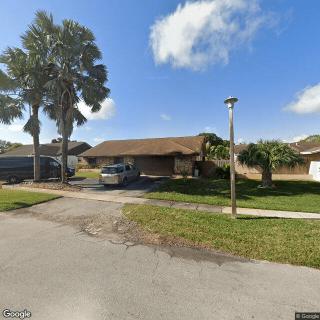
LB Solution Care Group Homes
$3,000 / month10.2 miles away -
from -$200 / mo
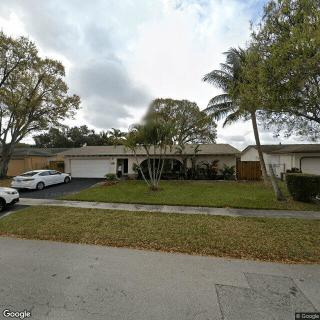
Ana's Assisted Living Facility
$2,400 / month7.8 miles away -
from -$100 / mo
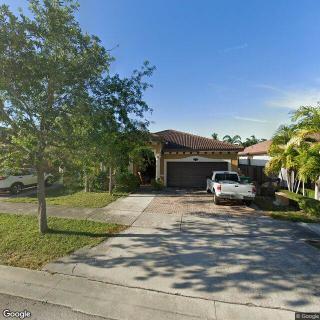
La Casita Nuestra Home
$2,500 to $3,500 / month20.9 miles away -
from -$100 / mo
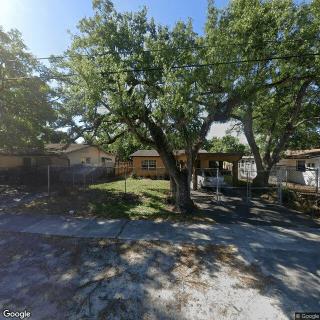
Anne Adult Family Care Home
$2,500 / month11.9 miles away -
from -$380 / mo

Miami Jewish Home & Hospital for the Aged
$2,220 to $7,500 / month7.8 miles away
Overall Review of Flamingo Care
Pros
 It is an ideal Glatt place for a highly functioning senior who likes company, but also space for themselves.
- They take care of all residents' needs and the food is very good.
- They were very accommodating and customized the services to daily needs.
- They continued to adapt and provided excellent care.
- Flamingo Care is a lovely place.
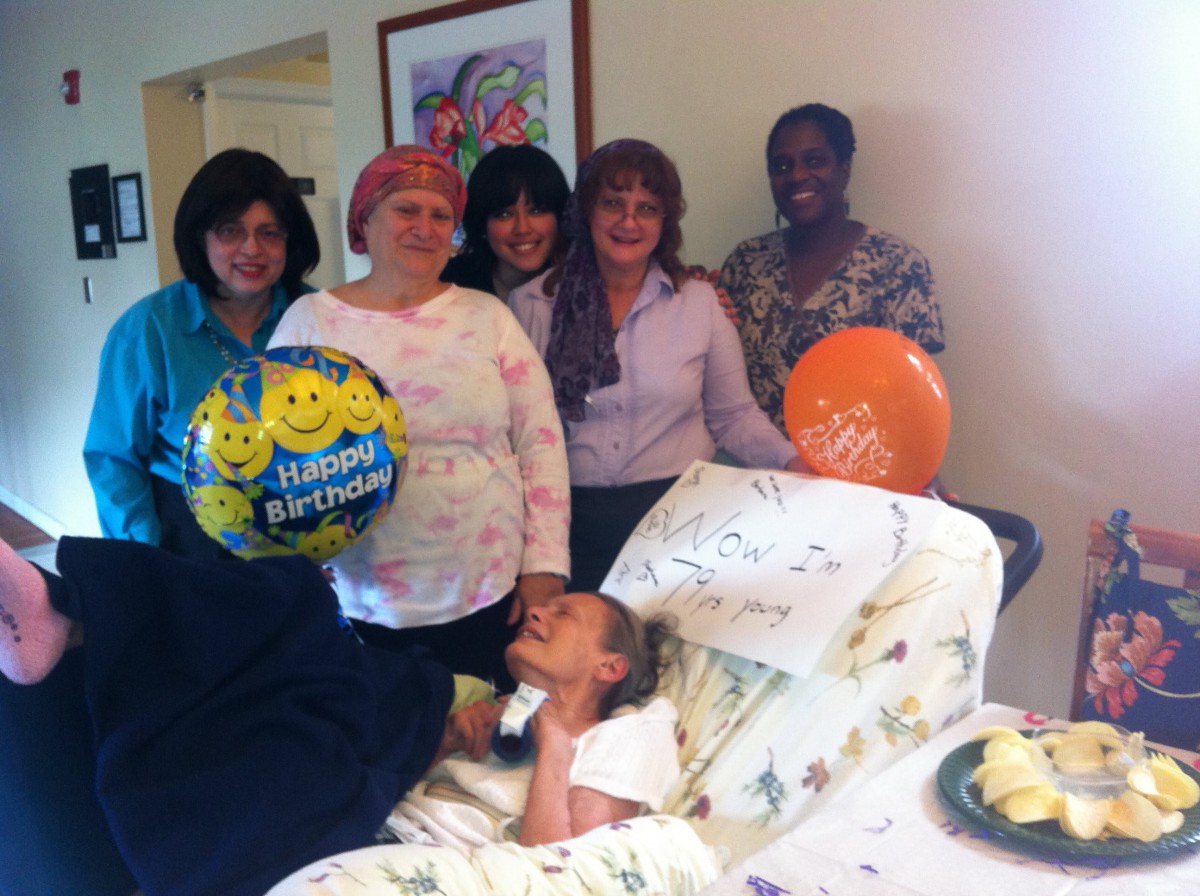
- They treated residents as family members and provided love and care up to the end.
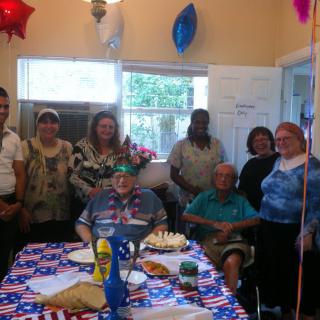
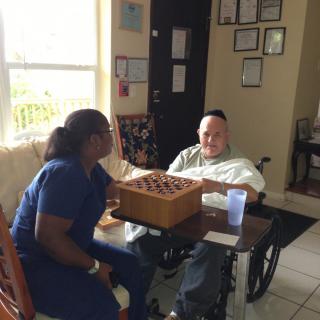
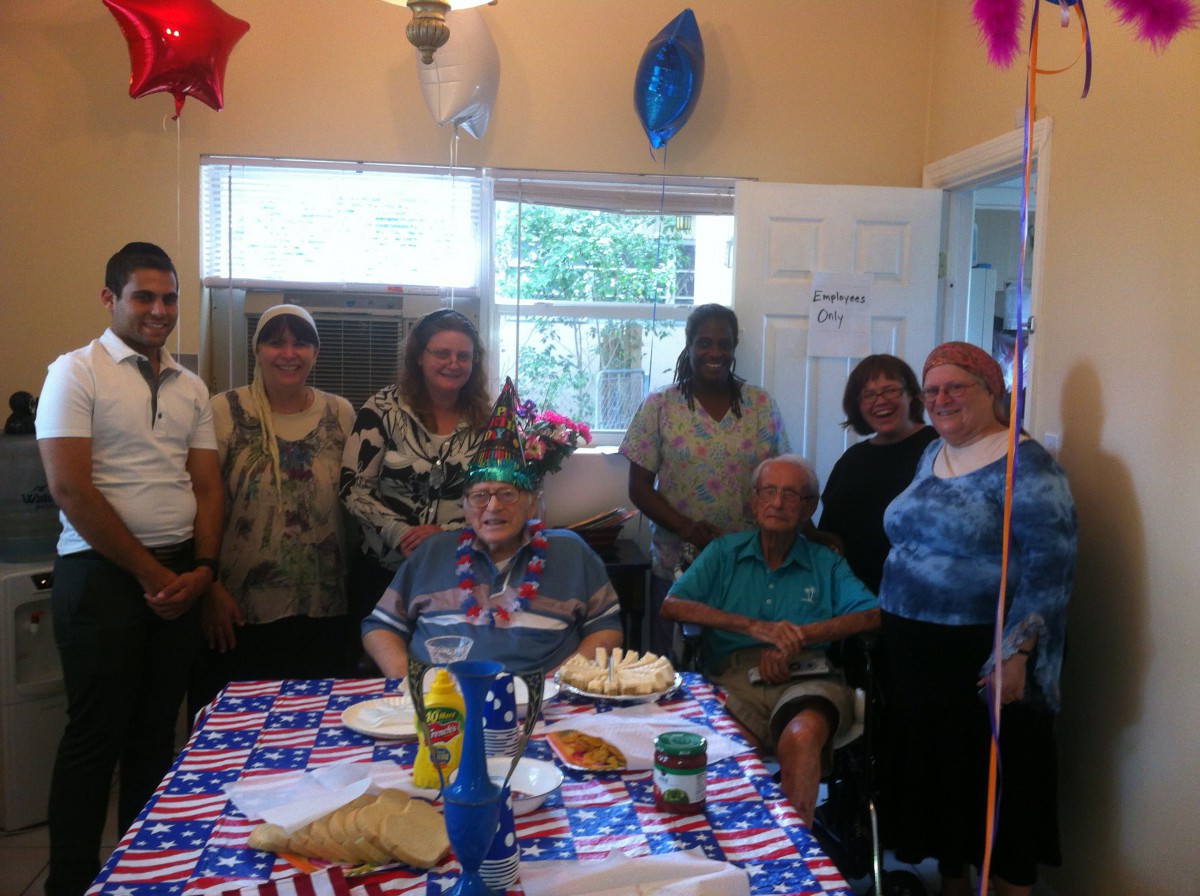
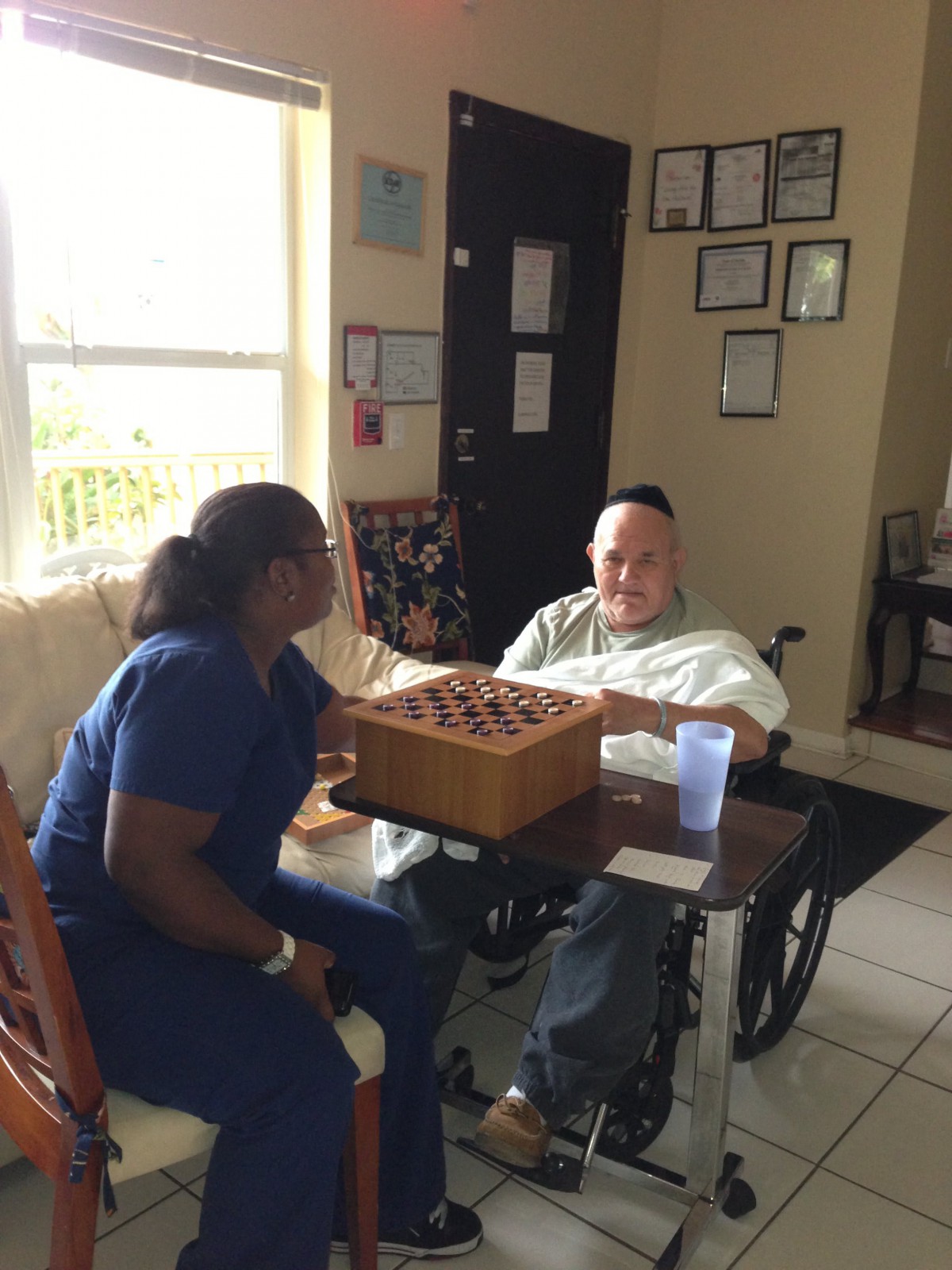
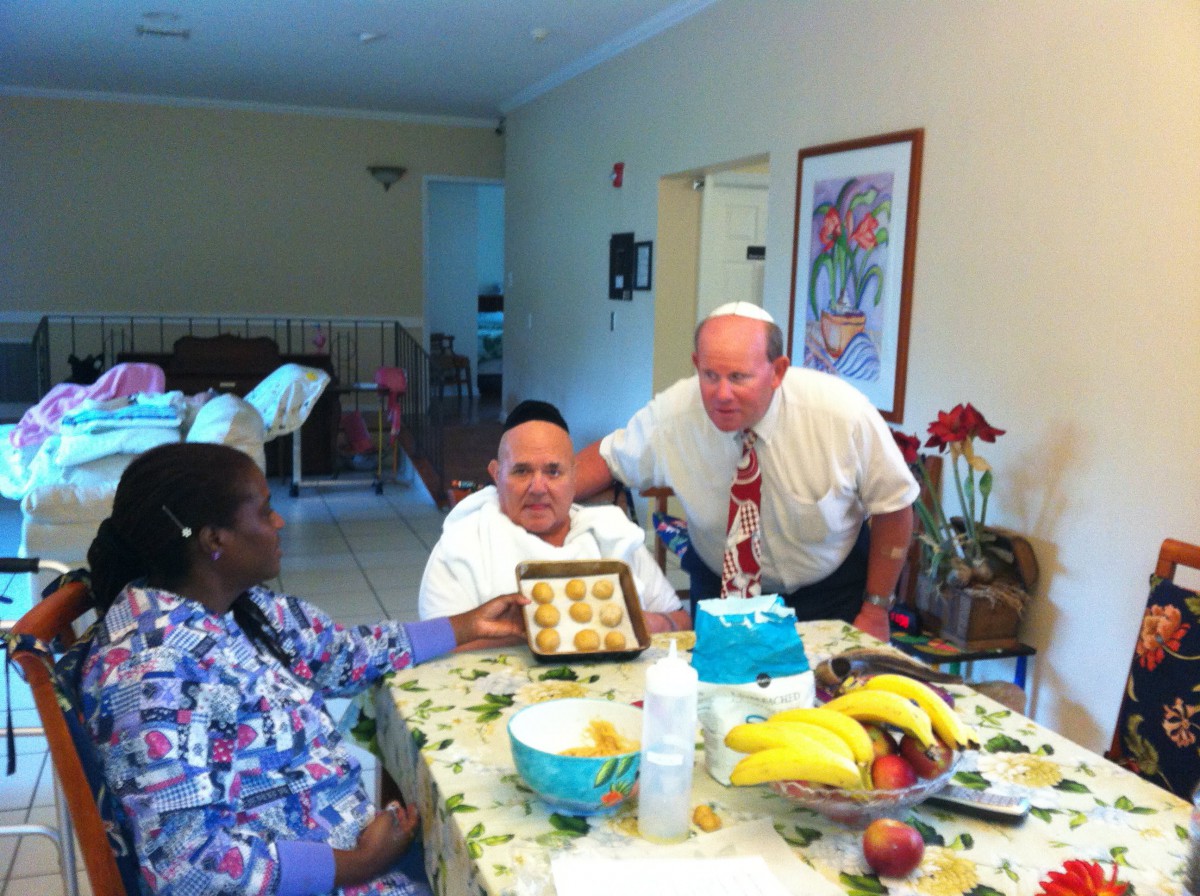
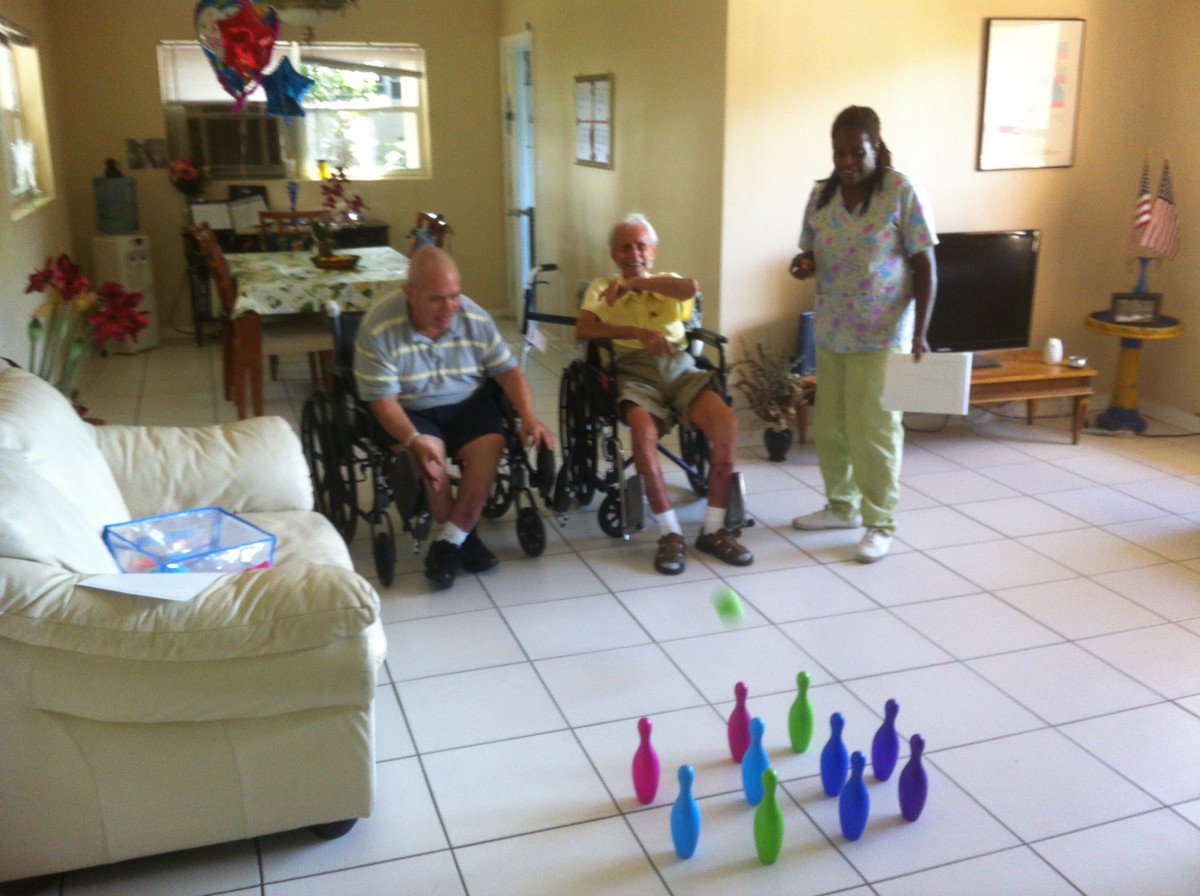
- The staff were supportive and encouraged residents to stay active, with activities like playing checkers, gardening, and attending the nearby Shul.
Cons
 The facility was too small for them.
- The facility had no activities.
- It seemed better suited for someone with a little more cognitive abilities.
- The facility only had six beds.
Review
Flamingo Care in Miami is best suited for highly functioning seniors who want companionship without sacrificing personal space, and for families seeking a warm, hands-on environment where care plans can grow with the resident. The facility operates as a Glatt kosher home, delivering meals and daily routines in a way that feels intimate and home-like rather than institutional. The core strength is a staff-driven, family atmosphere that can tailor services to shifting needs while preserving dignity and activity. For a senior who values social connection, without surrendering independence, this community offers daily engagement, personal attention, and a high likelihood of feeling “at home” from the first visit onward.
Those weighing Flamingo Care should explicitly consider alternatives if the priority is a larger campus with a more robust activity calendar or a memory-care-focused environment. One clear drawback borne out in the reviews is the facility’s small footprint, six beds in a converted house, which can limit programming and structured activities for residents who crave a more expansive social schedule. Families whose loved ones require advanced cognitive support, frequent specialized therapies, or comprehensive dementia care may find a larger ALF or a dedicated memory-care community better aligned with those needs. Also, for seniors who do not keep kosher or who want flexibility around dietary preferences, Flamingo Care’s Glatt kosher model may feel limiting rather than comforting.
The strongest pros, personalized care, adaptability, and a genuine sense of family, largely offset the cons for the right resident. Staff members are described as highly caring, accommodating, and actively engaged in keeping residents connected, whether that means encouraging games like checkers, participating in garden activities, or facilitating visits to nearby places of worship. The ability to customize services as a resident’s daily needs shift is repeatedly highlighted, and this flexibility is a critical hedge against the progression of care requirements. Cleanliness and a homelike environment reinforce safety and comfort, while consistently good food completes the picture of a supportive daily life. In short, the care model works exceptionally well when the senior’s profile matches the small, intimate setting.
Anecdotal stories reinforce the emotional payoff of Flamingo Care: residents are treated as family, with staff who support staying active and engaged late into the journey. One father’s years-long residency demonstrated sustained adaptability to evolving needs, culminating in compassionate, thoughtful care until the end. A mother’s experience highlights a similar bond, with residents encouraged to participate in activities and maintain routines, checkers, gardening, and local religious services, within a clean, friendly community. These narratives matter in choosing care because the day-to-day tone, respect, warmth, and consistent engagement, often drives overall satisfaction and quality of life as much as clinical measures.
Visitation and due diligence should center on practical checks during tours: confirm the current resident-to-staff ratio, ask how staff respond to increasing care needs, and probe for a realistic activity schedule that fits your loved one’s energy level and interests. Clarify kosher requirements and meal planning, transportation options for outings or religious services, and the facility’s capacity to manage memory-related challenges if those needs emerge. Understanding the degree of independence Flamingo Care can preserve, versus when transition to a larger, more structured program becomes necessary, will illuminate whether this home truly matches long-term trajectory. The small size is both its charm and its constraint; the decision hinges on whether the balance favors intimate, adaptable care over broader programming.
In sum, Flamingo Care is a compelling choice for families prioritizing warmth, individualized attention, and a kosher kitchen in a tight-knit setting. It excels when the senior desires company without losing personal space and when staff flexibility is valued above programming breadth. It is less well suited for those pursuing extensive daily activities, formal dementia programming, or a larger campus environment. If the goal is a deeply caring, family-like atmosphere with a proven record of adapting care to evolving needs, Flamingo Care delivers with real heart. For families where memory-care intensity, scale, or dietary non-kosher preferences drive the decision, alternatives that offer larger activity rosters and dedicated dementia support will likely serve better in the long run.
 6 resident community capacity
 Assisted Living
 Board and Care Home
 Memory Care
 Respite Care
 Activities on-site
 Bath tubs
 Cable or satellite TV
 Devotional services off-site
 Dining room
 Fully furnished
 Garden
 Housekeeping services
 Indoor common areas
 Move-in coordination
 Outdoor common areas
 Private
 Telephone
 Wi-Fi/high-speed internet available
 Fort Lauderdale-Hollywood International (10 miles away)
 24-hour supervision
 Ambulatory care
 Assistance with bathing
 Assistance with dressing
 Assistance with transfers
 Diabetes diet
 Incontinence care
 Meal preparation and service
 Medication management
 Special dietary restrictions
 Transportation arrangement (medical)
 Transportation to doctors appointments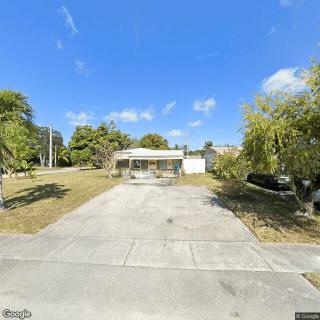





 Understanding Dementia Through Its Seven Stages: A Comprehensive Look at Progression and Expectations
 Safeguarding Your Memory Through the Golden Years: Eight Ways to Preserve Cognitive Health
 Comprehensive Insights into Activities of Daily Living (ADLs) and Their Assessment