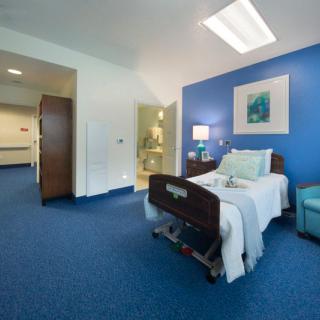
Bel Aire Retirement Home in Miami, FL

Save
Bel Aire Retirement Home

Bel Aire Retirement Home in Miami, FL

Information last verified:

9955 South West 196Th Street, Miami, FL 33157

For more information about senior living options: (844) 490-3973

4 from 63 reviews
5 stars
42
4 stars
4
3 stars
3
2 stars
3
1 stars
11

Overall Review of Bel Aire Retirement Home

Pros

  • pro The facility truly exceeded expectations, feeling like a resort, impeccably clean, and providing outstanding service.
  • pro The staff were incredibly attentive, always ensuring residents’ comfort and well-being.
  • pro The care team was professional, kind, and compassionate, giving families peace of mind.
  • pro East Ridge at Cutler Bay is highly recommended for quality rehabilitation care.
  • pro The nursing and therapy teams were praised for their professionalism, care, and compassion.
  • pro The facility was described as resort-like with friendly, attentive staff.
  • pro The campus is beautiful, clean, modern, and well-maintained, with excellent amenities.
  • pro Residents and families consistently described the staff as friendly, caring, and like family.

Cons

  • pro The reviewer describes the care at East Ridge Village at Cutler Bay as completely unacceptable and potentially negligent.
  • pro The facility is said to have refused readmission after hospital stabilization, with no clear explanation or communication with the family, and without taking responsibility for continuity of care.
  • pro The lack of communication and repeated refusals to readmit are portrayed as ethically, medically, and legally questionable.
  • pro It is noted that this decision caused the patient to lose access to an intensive rehabilitation program, adversely affecting recovery.
  • pro Staffing shortages and slow responses to patient needs are criticized.
  • pro The care is described as impersonal and lacking professionalism.
  • pro One reviewer warned families not to bring relatives, alleging overmedication and coercion to sign a DNR, calling the facility dangerous.

Review

Bel Aire Retirement Home is best suited for seniors who want a polished, amenity-rich environment with a lively social fabric, reliable access to rehabilitation services, and a sense of resort-like comfort. The community can be an excellent fit for residents who value clean, well-maintained surroundings, a robust activities calendar, appealing dining options, and the reassurance of on-site therapists and nursing staff capable of supporting short-term post-acute recovery or ongoing therapy needs. In short, Bel Aire is a strong pick for families seeking a vibrant, engaging atmosphere where care is present and visible, provided the location maintains stable staffing, clear communication, and consistent continuity of care. The model works best when residents are ready to participate in a full schedule of programs and when families are prepared to partner closely with administration to monitor care plans and progress.

Those weighing alternatives should consider options if continuity of care and unambiguous communication are non-negotiable. For residents with complex medical needs requiring constant, highly specialized oversight, or for families who cannot tolerate gaps in information or delays in care decisions, alternative communities with longer-tenured staff, smaller care teams, or more transparent governance may be preferable. Language and cultural considerations also matter; if Spanish-speaking or other culturally specific staff are essential for comfort and comprehension, this should be confirmed upfront. Additionally, if cost sensitivity is a major driver, it makes sense to compare total value, not just sticker price, against the consistency of care, the predictability of scheduling, and the reliability of medication management.

The strongest pros across well-regarded centers in this space typically include a refined physical environment, a strong nursing presence, and a therapy-first approach that supports meaningful recovery and daily mobility. Bel Aire can capitalize on that model by delivering a consistently clean, aesthetically pleasing setting, coupled with attentive, professional staff who respond to resident needs with warmth and competence. A robust rehabilitation component, accessible to residents who need short-term or ongoing PT/OT, and a dining program that pleases residents and families alike are substantial pluses. When therapy teams are cohesive, therapists and aides become integral to progress, not merely service providers, and families frequently report higher confidence when therapy plans are clear, goals are regular, and progress notes are transparent.

Yet the record in closely related communities features some notable cons that cannot be ignored. Several accounts describe staffing shortages or inconsistent coverage, slow responses in the hall, and a perceived drift toward impersonal care when demand spikes. Medication management lapses, delays in delivering prescribed drugs or miscommunications about prescriptions, appeared in several reviews, sometimes with serious consequences. Communication gaps between the facility, families, and hospitals emerged as a recurring pain point, especially around transitions in care or readmission decisions. In some cases, residents and families encountered administration turnover or policies that felt rigid rather than collaborative. These patterns do not define every experience, but they establish a credible risk profile that families should examine carefully when comparing Bel Aire to other options.

The key to turning these potential downsides into mitigated risk lies in disciplined, proactive operations paired with an outstanding care team. When a community demonstrates stable staffing, clear chains of accountability, and a disciplined approach to care coordination, especially around discharge planning, medication reconciliation, and regular family updates, the high-quality environment and strong rehabilitative services become decisive advantages. The pros can offset the cons if Bel Aire maintains transparent communication channels, provides consistent staffing coverage, and documents a dependable care plan that families can review and participate in. In practice, that means documented routines for daily care, real-time progress notes from therapists, and predictable response times from nursing staff, all shared openly with families during tours and on ongoing visits.

For families evaluating Bel Aire, a practical, action-oriented approach pays dividends. On tours, press for unfiltered conversations with the director of nursing and the rehabilitation supervisor; request recent sample care plans and a typical week’s schedule for therapy and activities; ask how admissions, transfers, and readmissions are managed and communicated; and verify language support and cultural accommodations if those are priorities. Inspect the cleanliness of rooms and common areas, but also probe the consistency of housekeeping and maintenance, since a well-run environment reinforces a sense of well-being. Seek firsthand accounts from current residents and their families about responsiveness, medication handling, and how often families receive timely updates about changes in care. And finally, compare Bel Aire side by side with alternatives that emphasize different strengths, smaller, highly intimate settings, or centers with longer-tenured leadership and lower turnover, to determine which model aligns most closely with the resident’s medical needs, personal preferences, and financial realities.

In sum, Bel Aire Retirement Home stands as a compelling option for seniors who prize a refined, engaging living experience with strong rehabilitation capabilities and a warm, community-oriented atmosphere. The caveat is that care quality in this landscape hinges on consistent staffing, transparent communication, and robust processes around medication management and transitions. If Bel Aire can demonstrate steady operations in those areas, the positives, ambience, activity richness, and therapy excellence, will largely outweigh the risks. If not, families may find that alternatives with steadier staff engagement and tighter care coordination deliver greater peace of mind, particularly for residents with complex medical histories or a critical need for reliable continuity of care.

Features

Housing

  • 6 resident community capacity 6 resident community capacity

Types of Care

  • Assisted Living Assisted LivingAssisted living facilities provide crucial support and care for seniors who may need help with daily tasks such as medication management, bathing, and meal preparation. These communities offer a safe and comfortable environment where seniors can maintain their independence while receiving the assistance they need to thrive in their golden years.
  • Board and Care Home Board and Care HomeBoard and care homes provide a smaller, more intimate setting for seniors who require assistance with daily tasks but do not need the level of care offered by a nursing home. They offer personalized care, meals, and social activities in a homelike environment, ensuring that seniors receive individualized attention and support in their golden years.
  • Respite Care Respite CareRespite care provides temporary relief for caregivers, allowing them to recharge and attend to their own needs. It also gives seniors the opportunity to socialize, receive professional care, and experience a change of scenery, promoting overall well-being and reducing feelings of isolation.

Amenities

  • Cable or satellite TV Cable or satellite TVCable or satellite TV is important for seniors because it provides entertainment, news, and companionship, helping to combat loneliness and boredom. It also offers a wide range of programming options tailored to different interests and preferences.
  • Dining room Dining roomDining rooms are important for seniors as they provide a space for socialization, connection, and nutritious meals. They offer opportunities for residents to bond over shared meals, foster a sense of community, and promote healthy eating habits. Dining rooms also ensure that seniors have access to well-balanced meals tailored to their dietary needs and preferences.
  • Fully furnished Fully furnishedFully furnished senior living communities are important for seniors because they provide convenience, comfort, and a hassle-free moving experience. Seniors can easily settle into their new living space without the stress of having to buy and move furniture. This allows them to focus on enjoying their new home and community.
  • Garden GardenGardens are important for seniors as they provide a peaceful and therapeutic environment for relaxation, physical activity, and socialization. Being in nature has been shown to reduce stress, improve mood, and promote overall well-being. Gardens also offer opportunities for seniors to engage in gardening activities, which can improve mobility, flexibility, and cognitive function. Additionally, gardens create a sense of community and connection with others who share a passion for plants and outdoor spaces.
  • Housekeeping services Housekeeping servicesHousekeeping services are important for seniors because they help maintain a clean and safe living environment, promote independence, and reduce the risk of accidents or illnesses. Additionally, having assistance with household chores can alleviate physical strain and allow seniors to focus on other aspects of their well-being.
  • Move-in coordination Move-in coordinationMove-in coordination is important for seniors because it helps ease the transition into their new living environment. It ensures that all logistics, such as packing, organizing movers, and setting up utilities are taken care of, allowing seniors to focus on settling in and adjusting to their new home. Having a smooth move-in process can alleviate stress and anxiety, making the transition smoother and more enjoyable for seniors.
  • Outdoor space Outdoor spaceOutdoor spaces are important for seniors as they provide opportunities for physical activity, social interaction, exposure to natural light and fresh air, and a sense of connection to nature. Having access to outdoor spaces can improve overall well-being and quality of life for older adults living in senior communities.
  • Telephone TelephoneTelephones are important for seniors as they provide a lifeline for communication with loved ones, emergency services, and healthcare providers. They offer a sense of security and independence, enabling seniors to stay connected and access assistance when needed.
  • Wi-Fi/high-speed internet available Wi-Fi/high-speed internet availableWi-Fi/high-speed internet is important for seniors to stay connected with loved ones, access online resources, and participate in virtual activities to combat feelings of loneliness and isolation. It also allows them to easily manage healthcare needs, access entertainment, and engage in lifelong learning opportunities.

Transportation

  • Miami International (15 miles away) Miami International (15 miles away)

Care Services

  • 24-hour supervision 24-hour supervision24-hour supervision is important for seniors to ensure their safety, well-being, and access to immediate assistance in case of emergencies or health issues. This constant support provides peace of mind for both seniors and their loved ones, allowing them to age in place with dignity and security.
  • Activities of daily living assistance Activities of daily living assistanceActivities of daily living assistance are important for seniors because they provide essential support with tasks such as eating, bathing, dressing, and mobility. This assistance helps seniors maintain their independence, dignity, and overall quality of life as they age.
  • Assistance with bathing Assistance with bathingAssistance with bathing is crucial for seniors as it helps maintain personal hygiene, prevents infections, and ensures their overall well-being and comfort. It also provides a sense of dignity and independence for seniors who may struggle with this task on their own.
  • Assistance with dressing Assistance with dressingAssistance with dressing is important for seniors because it helps maintain their independence, promotes personal hygiene, prevents accidents and injuries, and improves overall quality of life. This service ensures that seniors can continue to dress comfortably and confidently, despite any physical limitations they may have.
  • Assistance with transfers Assistance with transfersAssistance with transfers is crucial for seniors as it helps prevent falls and injuries, maintains their independence, and ensures they can safely navigate their living environment. It also provides peace of mind for both seniors and their loved ones.
  • Coordination with health care providers Coordination with health care providersCoordination with health care providers is crucial for seniors to ensure proper medical care, medication management, and overall well-being. This collaboration helps prevent overlapping treatments, track progress more effectively, and provide comprehensive support tailored to individual needs.
  • Diabetes diet Diabetes dietA diabetes diet is crucial for seniors as it helps manage blood sugar levels, reduce risks of complications, and improve overall health and well-being. By following a balanced and nutritious diet tailored to their specific needs, seniors can better control their diabetes and enhance their quality of life.
  • Meal preparation and service Meal preparation and serviceMeal preparation and service are crucial for seniors as they may have limited mobility or energy to cook nutritious meals. Having access to healthy and convenient food options can ensure they are getting the proper nutrition needed to maintain their overall health and well-being.
  • Medication management Medication managementMedication management is crucial for seniors to ensure they are taking the right medications at the correct dosages and times. This helps prevent adverse drug interactions, reduces the risk of medication errors, and promotes overall health and well-being. Proactive management also allows for adjustments as needed based on changing health conditions or new prescriptions.
  • Special dietary restrictions Special dietary restrictionsSpecial dietary restrictions are important for seniors because age-related changes in metabolism and health conditions can make it difficult for their bodies to process certain foods. By following a diet tailored to their specific needs, seniors can maintain their overall health and well-being, manage chronic conditions, and reduce the risk of complications such as malnutrition or food interactions with medications.
  • Transportation arrangement (medical) Transportation arrangement (medical)Transportation arrangements for medical purposes are essential for seniors as they may have difficulty driving themselves to appointments or accessing public transportation. Having reliable and safe transportation options ensures that seniors can receive timely medical care and maintain their health and well-being.
  • Transportation to doctors appointments Transportation to doctors appointmentsTransportation to doctors' appointments is crucial for seniors as it ensures they have access to necessary medical care and support for their health needs. Without reliable transportation, seniors may struggle to attend important appointments, leading to potential delays in treatment and health complications. Providing transportation services helps seniors maintain their overall well-being and quality of life.
Dining

  • Diabetes diet Diabetes dietA diabetes diet is crucial for seniors as it helps manage blood sugar levels, reduce risks of complications, and improve overall health and well-being. By following a balanced and nutritious diet tailored to their specific needs, seniors can better control their diabetes and enhance their quality of life.
  • Special dietary restrictions Special dietary restrictionsSpecial dietary restrictions are important for seniors because age-related changes in metabolism and health conditions can make it difficult for their bodies to process certain foods. By following a diet tailored to their specific needs, seniors can maintain their overall health and well-being, manage chronic conditions, and reduce the risk of complications such as malnutrition or food interactions with medications.

Activities

  • Community-sponsored activities Community-sponsored activitiesCommunity-sponsored activities are important for seniors as they provide opportunities for social interaction, mental stimulation, and physical activity. These activities can help improve overall well-being, combat loneliness and isolation, and promote a sense of belonging and purpose among older adults.
  • Scheduled daily activities Scheduled daily activitiesScheduled daily activities are important for seniors because they provide structure, socialization, mental stimulation, and physical activity. Engaging in regular activities can improve overall well-being and quality of life for seniors living in a community setting.

Description

Bel Aire Retirement Home in Miami, FL is an assisted living community that provides a comfortable and supportive environment for seniors who require board and care home or respite care services. The retirement home offers a range of amenities to enhance the residents' quality of life.

The fully furnished rooms provide a cozy and homelike atmosphere for the residents. The dining room ensures that all meals are provided, with special dietary restrictions taken into consideration. Housekeeping services are available to maintain cleanliness and tidiness.

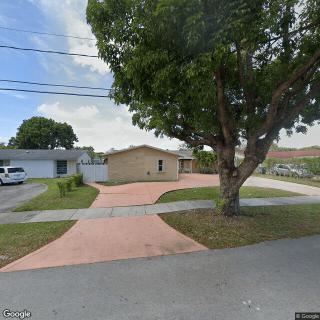
Bel Aire Retirement Home also understands the importance of outdoor space, offering a garden and other outdoor areas where residents can relax and enjoy nature. Wi-Fi/high-speed internet connectivity is available throughout the community to keep residents connected with their loved ones.

The care services provided at Bel Aire Retirement Home include assistance with activities of daily living such as bathing, dressing, and transfers. The staff also coordinates with health care providers to ensure that each resident's medical needs are met. Special dietary restrictions, including diabetes diets, are accommodated during meal preparation and service.

Transportation arrangements for medical appointments are made for the convenience of the residents. Additionally, there are numerous nearby amenities to further enhance their experience. Three cafes, six parks, 16 pharmacies, 1 physician's office, 24 restaurants, and two places of worship are easily accessible from the retirement home. In case of emergencies or regular medical check-ups, two hospitals are also located nearby.

Scheduled daily activities ensure that residents have opportunities for socialization and engagement within the community. Whether it be participating in group exercises or enjoying arts and crafts sessions, there is something for everyone's interests at Bel Aire Retirement Home.

Overall, Bel Aire Retirement Home in Miami provides a comprehensive range of services and amenities designed to meet the unique needs of seniors requiring assisted living care.

Nearby Places of Interest

This area of Miami, Florida offers convenient access to essential services such as pharmacies, cafes, restaurants, places of worship, physicians, parks, and hospitals. The proximity of multiple pharmacies like Winn-Dixie, CVS Pharmacy, and Walgreens makes it easy to fulfill medication needs. There are also plenty of dining options including familiar names like Denny's, Wendy's, and Panera Bread. Several churches are nearby for those seeking spiritual fulfillment. Medical care is readily available with facilities like Conviva Care Center Quail Roost and Baptist Health Miami Cancer Institute within a short distance. Parks like Goulds Park and Bill Sadowski Park provide opportunities for outdoor recreation. Additionally, Jackson South Community Hospital offers quality healthcare services in the vicinity. Overall, this area is well-equipped to cater to the needs of seniors looking for a comfortable and convenient living environment in Miami.

Pharmacies

  • Winn-Dixie (0.4 miles)
  • CVS Pharmacy (0.5 miles)
  • Walgreens (0.8 miles)
  • Walgreens (1.1 miles)
  • CVS Pharmacy (1.2 miles)
  • Walmart Pharmacy (1.7 miles)
  • Walgreens (2 miles)

Cafes

  • Starbucks (0.4 miles)
  • Starbucks (3.4 miles)
  • Panera Bread (4.1 miles)
  • Panera Bread (7.5 miles)
  • Nespresso Boutique at Macy's (7.6 miles)
  • Panera Bread (7.8 miles)
  • Moulin Rose Cake & Bakery Shop (8 miles)

Restaurants

  • Denny's (0.4 miles)
  • Wendy's (0.5 miles)
  • KFC (0.6 miles)
  • Pollo Tropical (0.7 miles)
  • Boston Market (0.7 miles)
  • Ernesto's Taco Shop (1 miles)
  • McDonald's (1 miles)

Places of Worship

  • Pinelands Presbyterian Church (0.5 miles)
  • Christ Fellowship Church (2.1 miles)
  • Good Samaritan Church (5.4 miles)
  • St Louis Catholic Church (5.7 miles)
  • King Jesus Ministry (5.8 miles)

Physicians

  • Conviva Care Center Quail Roost (0.7 miles)
  • Oscar L Hernandez MD (6.9 miles)
  • Baptist Health Miami Cancer Institute (6.9 miles)
  • UM Sylvester/Physicians at Kendall (7 miles)
  • Pediatric Associates Homestead (7.1 miles)
  • Valdes Rafael DDS (7.8 miles)

Parks

  • Goulds Park (2 miles)
  • Eureka Park (2.2 miles)
  • Colonial Drive Park (2.7 miles)
  • Bill Sadowski Park and Nature Center (2.7 miles)
  • Chuck Pezoldt Park (3.7 miles)
  • Coral Reef Park (3.7 miles)
  • McMillan Park (5.7 miles)

Hospitals

  • Jackson South Community Hospital (3.1 miles)
  • Jackson South Medical Center (3.1 miles)

Frequently Asked Questions

Where is Bel Aire Retirement Home?

Nearby Communities

  • Bel-View ALF CORP

    Bel-View ALF CORP

    miami, FL

    5 from 2 reviews
     

    pro Diabetic care, engaging activities, and indoor common areas for socializing.

  • Rebull Family Care

    Rebull Family Care

    Miami, FL

    5 from 109 reviews
     

    pro Intimate board-and-care with personalized assistance, meals, activities, and healthcare coordination.

  • Mary Immaculate Care Facility

    Mary Immaculate Care Facility

    Miami, FL


    pro Convenient access to dining, parks, pharmacies, hospitals, and places of worship in a supportive setting.

  • Rebull Family Care Inc.

    Rebull Family Care Inc.

    Miami, FL

    4 from 4 reviews
    $1,200 to $2,000 / month

    pro Very clean facility with friendly staff.

  • Jolly Home

    Jolly Home

    Cutler Bay, FL

    5 from 1 review
     

    pro Small, personalized care with 24-hour supervision.

  • Bella Luna - ALF

    Bella Luna - ALF

    Miami, FL


    pro Intimate 6-resident setting with comprehensive on-site care, meals, activities, and move-in coordination.

  • East Ridge Retirement Village a CCRC

    East Ridge Retirement Village a CCRC

    Miami, FL

    3.8 from 19 reviews
    $2,828 to $3,822 / month

    pro Compassionate nursing staff and engaging activities in a clean, accessible, single-story campus.

  • East Ridge at Cutler Bay

    East Ridge at Cutler Bay

    Cutler Bay, FL

    4.5 from 21 reviews
     

    pro Attentive staff, engaging activities, and a welcoming campus.

  • Jackson Memorial Perdue Medical Center

    Jackson Memorial Perdue Medical Center

    Cutler Bay, FL

    4.3 from 89 reviews
     

    pro Comprehensive amenities with 24/7 supervision for long-term care.

Related Resources

  • when to move from assisted living to nursing home8 Key Indicators That Suggest It May Be Time to Transition from Assisted Living to Skilled Nursing Care

    The transition from assisted living to skilled nursing care is often prompted by complex medical needs that assisted living cannot meet, with key indicators including frequent health declines, increased falls, severe memory issues, and caregiver burnout. Families should recognize these signs early to discuss options with healthcare providers and prepare for the emotional and logistical aspects of moving to a facility that offers comprehensive medical support.

  • active senior livingVibrant Senior Living: A Comprehensive Guide for Active Older Adults

    Vibrant Senior Living emphasizes active senior living communities that promote independence and engagement through diverse amenities and activities, fostering wellness and social interaction among older adults. These communities range from independent to assisted living, with a focus on personal growth, family involvement, financial planning, and leveraging technology to enhance residents' experiences.

  • when to move from assisted living to memory careWhen to Transition from Assisted Living to Memory Care: Key Indicators, Steps, and Finding the Right Community

    Transitioning from assisted living to memory care is driven by an individual's cognitive decline and specific needs, requiring careful evaluation of indicators like increased confusion and wandering. The process involves consulting medical professionals, researching suitable communities, considering financial and legal aspects, and ensuring effective communication for personalized care plans.