
7400 South West 82Nd Avenue, Miami, FL 33173
For more information about senior living options: (866) 208-4318
Overall Review of Alf Sunset Palace
Pros
 The reviewer is excited about the place.
- It looks like a hotel but feels like family.
- The staff treats guests like family.
- The experience is warm, welcoming, and homely.
- The reviewer expresses gratitude for the hospitality.
Review
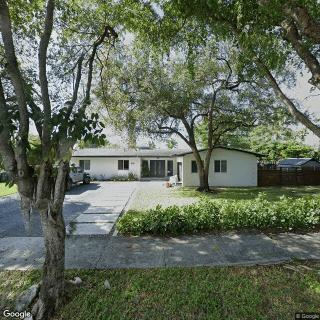
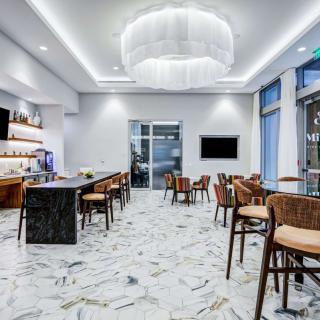
Alf Sunset Palace in Miami is best suited for families seeking a polished, hotel-like atmosphere combined with a genuinely warm, family-oriented care culture. The setting reads as upscale and welcoming at the same moment, which can ease the transition for seniors who prize dignity, comfort, and social engagement. This community appears to attract families who want their loved ones surrounded by a refined environment, where tasteful finishes and a resort-like vibe coexist with approachable, attentive staff. In short, it targets seniors who value both aesthetic quality and personal warmth, with enough daily activity and companionship to keep daytime horizons lively rather than solitary.
There are clear reasons why some families might want to consider alternatives. Those whose primary need is intensive medical oversight or specialized memory care may prefer communities that advertise clinical capabilities or clearly documented security protocols for progressive care needs. Likewise, households operating on a tight budget or seeking a more intimate, small-home feel may find alternatives that emphasize cost-efficiency or a cozier, less “hotel-like” atmosphere more suitable. Potential residents should also assess whether they want a smaller community where every relationship feels uniquely personal or, conversely, a larger setting with greater breadth of programming.
From the available impressions, the strongest pros hinge on two themes: an upscale, hotel-inspired ambiance and a staff approach that feels distinctly familial. The hotel-like appearance can reduce initial stress for families and seniors alike, signaling professionalism, cleanliness, and predictable routines. The strongest offset to any lingering hesitation about care quality is the explicit sense that residents are treated like family, an outcome that supports trust, continuity, and social belonging. When staff cultivate warmth and familiarity, the risk of isolation diminishes, and daily routines, meals, activities, and companionship, tend to become more enjoyable. With no concrete drawbacks voiced in the account, the balance tilts toward comfort and engagement, provided the resident’s needs align with what the community can deliver.
Yet the absence of stated cons invites practical caution. The hotel vibe, while appealing, can mask questions that families commonly raise: what is the exact level of personalized care during busy shifts, how varied and meaningful are daily activities, and what happens when health needs escalate? The explicit, heartfelt warmth in the review suggests strong interpersonal dynamics, but families should still verify care plans, staffing ratios, and access to medical professionals on site. Additionally, the lack of detail about dining options, transportation, and coordinated medical or rehabilitation services means due diligence is essential before moving forward. In other words, the strengths highlighted need confirmation in real-world contingencies to avoid mismatches between expectation and experience.
That same warmth and environment translate into practical advantages for decision making. A hotel-caliber setting can ease the emotional burden of relocation, helping residents adapt more quickly and families feel less guilt about the transition. The sense of being part of a family rather than a number can promote higher participation in social events, planned outings, and resident-to-resident connections, which in turn supports mood, cognitive engagement, and overall well-being. For families evaluating options, these qualitative benefits are meaningful signals: if a community can convincingly deliver hospitality-level comfort alongside consistent, compassionate care, the odds of a satisfying long-term placement rise. The choice, then, hinges on whether these experiential benefits align with the senior’s preferences for pace, privacy, and social rhythm.
In the end, Alf Sunset Palace warrants serious consideration for families prioritizing a refined, welcoming atmosphere that blends hospitality with attentive, personable care. The takeaway is clear: if the resident thrives in an environment where elegance meets warmth, and where staff engagement translates into a sense of belonging, this community should be on the short list. However, for those whose priorities include deep medical supervision, highly specialized memory-care programming, or highly cost-driven decisions, it is prudent to compare alternatives that foreground those specific needs. A thorough visit, walking through common spaces, sampling meals, observing activity schedules, and speaking with both staff and current residents, will reveal whether the hotel-like ambiance and family approach translate into day-to-day satisfaction. With those checks in place, Alf Sunset Palace can prove to be a confident, practical choice for a well-cared-for next chapter.
 6 resident community capacity
 Assisted Living
 Cable or satellite TV
 Dining room
 Fully furnished
 Garden
 Housekeeping services
 Move-in coordination
 Outdoor space
 Telephone
 Wi-Fi/high-speed internet available
 Miami International (7 miles away)
 24-hour supervision
 Activities of daily living assistance
 Assistance with bathing
 Assistance with dressing
 Assistance with transfers
 Diabetes diet
 Meal preparation and service
 Medication management
 Special dietary restrictions
 Transportation arrangement (medical)
 Transportation to doctors appointments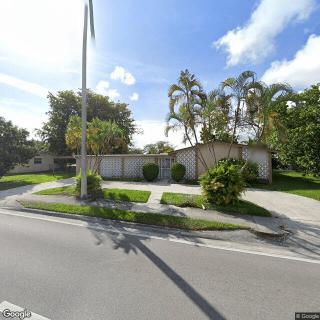





 Understanding Medicaid Coverage for Assisted Living: A Comprehensive Guide
 How and When Medicaid May Cover Assisted Living Costs
 A Detailed Exploration of Assisted Living Medicaid Waivers Across the United States